
DWP Removes Risk of Losing Benefits When Trying Work – What Has Changed in 2026?
 • April 17, 2026

From 30 April 2026, the DWP removes the risk of losing benefits when trying work through a new “Right to Try” policy.
The biggest change is that starting a job or volunteering will no longer automatically trigger a reassessment for people receiving Personal Independence Payment (PIP), new-style Employment and Support Allowance (ESA), or the Universal Credit health element.
For years, many disabled people across London and the wider UK avoided work because they feared losing vital financial support if a role did not work out.
The 2026 reform is designed to reduce that fear, although it does not completely stop all future reviews.
Key points:
- Starting work no longer counts as an automatic “change of circumstances”
- Volunteering is also protected under the new rules
- PIP, ESA and the Universal Credit health element are covered
- Scheduled reassessments can still go ahead
- Wider Universal Credit changes may still affect new claimants
What Has the DWP Changed About Trying Work in 2026?
The government introduced the new legislation on 9 April 2026, with the changes taking effect from 30 April. The reform is known as the “Right to Try” policy and forms part of a wider programme to help more disabled people and people with health conditions move into work.
Before April 2026, many claimants believed that even trying a job for a few weeks could lead to a reassessment and potentially the loss of benefits.
Under the new rules, entering employment or starting voluntary work is no longer automatically treated as a relevant change of circumstances.
In practical terms, this means you can test whether a job suits your health, confidence and lifestyle without immediately putting your benefits at risk.
Sir Stephen Timms, Minister for Social Security and Disability, described the policy by saying:
“Giving sick and disabled people legal protection to try work without fear is vital for their futures and for growing our economy.”
The DWP says the aim is to create a more inclusive labour market and remove the barriers that have kept people trapped on benefits for years.
Which Benefits Are Covered by the New Right to Try Work Rules?

The 2026 change applies to three key benefits that many disabled people rely on:
- Personal Independence Payment (PIP)
- New-style Employment and Support Allowance (ESA)
- Universal Credit health element
If you receive one of these benefits, starting work or volunteering should no longer automatically lead to your claim being reviewed.
| Benefit | What Has Changed in 2026? | Does Work Automatically Trigger Reassessment? |
|---|---|---|
| PIP | Starting work no longer counts as an automatic change of circumstances | No |
| New-style ESA | Trying work or volunteering is protected under the new rules | No |
| Universal Credit health element | Employment alone should not trigger a review | No |
| Disability Living Allowance (working-age claimants) | Not specifically covered by the new legislation | Possibly |
It is important to note that the new law does not clearly apply to everyone receiving Disability Living Allowance, particularly the remaining working-age claimants still on that benefit.
For most people receiving PIP, ESA or Universal Credit with a health element, however, the DWP right to try work change is intended to provide a stronger safety net.
Does Starting Work Still Trigger a Benefits Reassessment?
No, not automatically. That is the main answer to what has changed in 2026.
Under the previous system, many claimants feared that getting a job would immediately flag their claim for review. The new law is designed to stop that from happening simply because you have started work.
However, the protection is not absolute. The DWP has confirmed that reassessments can still happen for other reasons. If you already have a review scheduled, that review will still go ahead. Likewise, if the DWP believes there has been a significant change in your condition, they can still investigate.
Brian Dow, Chief Executive of Mental Health UK, said:
“People often tell us that fear of reassessment, or even losing essential support if things don’t work out, is a significant barrier to taking those first steps back into work.”
That is why the Right to Try policy matters. It removes one major trigger for reassessment, even though it does not remove all of them.
Can Scheduled Reassessments Still Go Ahead?
Yes. If you already have a reassessment booked, the 2026 reform does not cancel it. The DWP has been clear that existing review dates remain in place.
For example, if your PIP review is due in July 2026 and you begin part-time work in May, your July review will still happen as planned.
Can the DWP Still Review Your Claim for Other Reasons?
Yes. The DWP still has the power to review a claim if there is evidence that your health condition, mobility or daily living needs have changed.
Critics of the new policy point out that certain types of work could still raise questions. For instance, if you previously stated that you struggle to stand or lift objects, but you then begin a physically demanding job, the DWP may decide to review whether your condition has improved.
Can You Volunteer without Losing Benefits Under the 2026 Rules?

The new rules also support volunteering, giving people a safer way to build confidence before returning to work.
Many claimants want to take small steps first, and volunteering now offers that opportunity without the immediate fear of losing benefits. This change follows feedback from disability groups and support organisations.
Minesh Patel from Mind said:
“Volunteering can provide individuals with more flexibility and options and can often be a gateway to employment.”
This is especially helpful if you want to test routines, travel, or social interaction.
For example, Daniel, a London-based claimant receiving ESA and PIP due to anxiety, had wanted to volunteer for over a year but worried about his benefits.
“I’m not ready for full-time work, but volunteering a couple of afternoons helps me rebuild confidence without risking my income,” he explained.
Why Did the Government Introduce the Right to Try Policy in 2026?
The government says the policy was needed because too many people felt trapped by the existing benefits system.
According to DWP research, 37% of disabled people and people with health conditions say they want to work, but fear of losing benefits stops them from trying. At the same time, around 2.8 million people are currently out of work because of long-term sickness.
The government believes that allowing people to try work safely could help more claimants move into suitable employment over time.
To support this, ministers have promised:
- £3.5 billion in employment support by the end of the decade
- Expansion of the WorkWell scheme to help 250,000 people
- Connect to Work support for 300,000 people over the next five years
The wider goal is not simply to reduce benefits spending. The government says it wants to improve living standards, confidence and long-term independence for disabled people.
Are Critics Right to Say the New DWP Protection Does Not Go Far Enough?

Although the reform has been widely welcomed, not everyone believes it goes far enough.
Some campaigners argue that the change is largely symbolic because DWP guidance already said that work alone should not trigger a reassessment. The difference in 2026 is that this guidance is now written into law.
Critics also point out that there is still no guaranteed period during which a claimant cannot be reassessed. The Social Security Advisory Committee suggested that the DWP should be banned from starting a reassessment within six months of someone beginning work, unless fraud was suspected.
The government did not accept that recommendation.
| Issue Raised by Critics | Current DWP Position |
|---|---|
| Six-month protection from reassessment | Not introduced |
| Existing reassessments paused after starting work | No |
| Work activities ignored during reviews | No |
| Work alone automatically triggers reassessment | No, this has changed |
This means the Right to Try policy offers more reassurance than before, but not complete certainty.
Some experts are concerned that if a claimant starts work that appears physically or mentally demanding, the DWP may still use that as evidence during a future review.
How Do the 2026 Universal Credit Changes Affect the Right to Try Work?
The Right to Try work rules are arriving at the same time as other welfare changes.
From April 2026, new Universal Credit claimants receiving the health element may receive a lower amount than previous claimants. The new health element is around £217.26 per month for many people.
Existing claimants are generally protected and should continue receiving their current level of support. However, anyone making a new claim may find the financial safety net is not as strong as it was before.
This creates a more complicated picture:
- Existing claimants benefit most because they keep their current support and gain the Right to Try protection
- New claimants may have more freedom to try work, but less financial help if it does not work out
- People with severe long-term conditions may still qualify for higher support under special rules
For some people, this means the 2026 changes feel less like a safety net and more like pressure to move towards work.
What Should You Do Before Trying Work While Claiming Benefits?
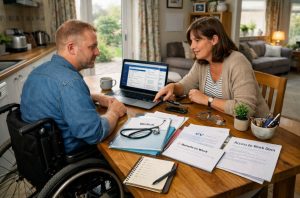
If you are thinking about taking a job or volunteering, it is still sensible to prepare carefully.
First, check exactly which benefits you receive and whether you already have a review date scheduled. If you are due for a reassessment soon, you should keep your medical evidence up to date and make sure your records still reflect how your condition affects you day to day.
You should also look into support schemes such as Access to Work. This can help pay for travel costs, specialist equipment or support workers, making employment more realistic and sustainable.
Finally, think carefully about what type of work suits your condition. Flexible hours, part-time roles and home working may be easier to manage than jumping straight into full-time employment.
What Does the DWP Right to Try Work Change Really Mean for You?
The DWP removes risk of losing benefits when trying work by stopping employment from automatically triggering a reassessment. That is a significant change, especially for people who have avoided work because of fear.
The new rules provide more protection for claimants receiving PIP, ESA and the Universal Credit health element. They also recognise that volunteering can be an important step towards work.
However, the reform is not a complete guarantee. Scheduled reviews can still happen, and the DWP can still investigate if it believes your condition has changed.
Overall, the Right to Try policy is a positive step in 2026, but it works best if you understand both the new protections and the limits that still remain.
Conclusion
The DWP’s 2026 Right to Try policy is an important step towards helping disabled people explore work without immediately risking their benefits.
If you receive PIP, ESA or the Universal Credit health element, starting work or volunteering should no longer automatically trigger a reassessment.
However, scheduled reviews and other checks can still happen. The new rules provide greater confidence and flexibility, but it is still important to understand your rights and seek advice before taking the next step.
Frequently Asked Questions
Will you lose PIP if you start a job in 2026?
No. Starting work no longer automatically triggers a PIP reassessment. However, your claim can still be reviewed if you already have a scheduled assessment or if the DWP believes your condition has changed.
Does the Right to Try Work apply to part-time jobs?
Yes. The new rules apply whether you try part-time or full-time work. Many claimants may prefer to begin with part-time hours to see how their health is affected.
Can volunteering affect your ESA claim?
Volunteering is now specifically protected under the 2026 legislation. It should not automatically affect your ESA claim or trigger a review.
Does this rule stop all DWP reassessments?
No. The Right to Try policy only removes the automatic reassessment trigger linked to starting work. Other reviews can still happen.
What happens if work makes your health worse?
If a job is not sustainable because of your health, the new policy is intended to make it easier to return to your previous level of support.
Is the 2026 DWP change the same across the UK?
The reform applies across England, Wales and Scotland for the benefits covered by the legislation.
Should you still get benefits advice before trying work?
Yes. It is always worth speaking to Citizens Advice, a welfare rights adviser or a disability support organisation before starting work while claiming benefits.