
Glasgow Edinburgh Airport Fuel Shortage: Flights Disrupted 2026
 • June 2, 2026
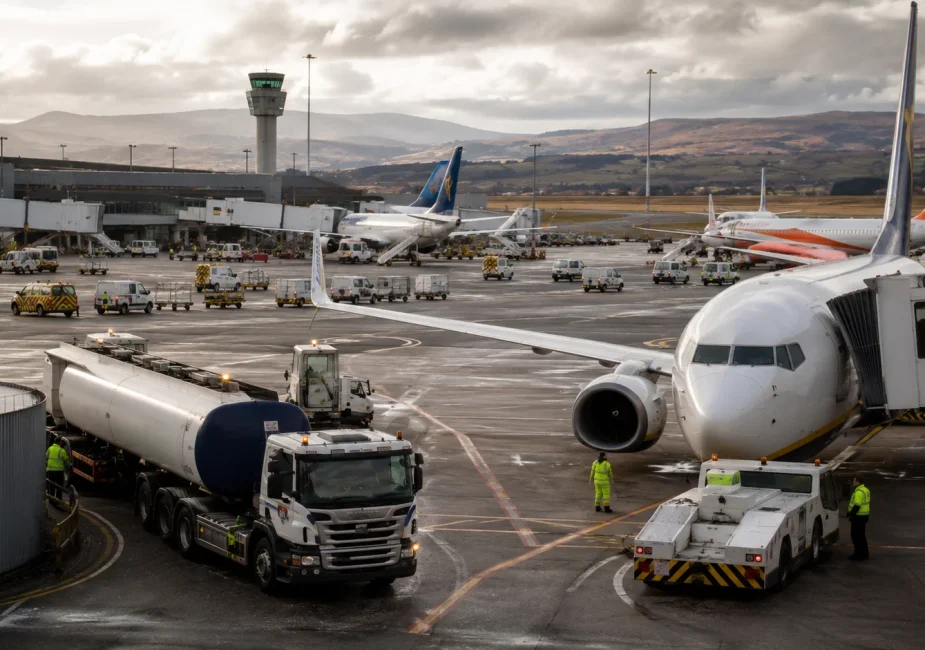
Key Takeaways:
- Flight delays occurred at Glasgow and Edinburgh airports due to temporary jet fuel supply issues.
- The disruption was caused by short-term driver staffing and logistics challenges.
- No widespread flight cancellations were reported during the incident.
- British Airways was among the airlines affected by operational adjustments.
- EET Fuels resolved the supply issue through additional deliveries.
- The problem was not linked to geopolitical tensions or a national fuel shortage.
- Both airports remained operational throughout the disruption.
- The incident highlighted the importance of resilient fuel supply chains in aviation.
Are Glasgow and Edinburgh Airports Still Affected by Fuel Supply Problems Today?
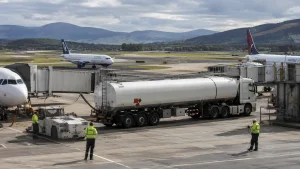
As of 2 June 2026, the fuel supply issue affecting Glasgow Airport and Edinburgh Airport has been resolved, with both airports continuing normal operations. Additional overnight fuel deliveries restored stock levels after temporary staffing and logistics problems disrupted jet fuel distribution.
Airport operators, EET Fuels and government officials have confirmed that the incident was localised and not connected to wider UK fuel supplies.
While some flights experienced delays and operational adjustments during the peak of the disruption, both airports remained open throughout the incident. Fuel supplies have now been replenished, and airlines are continuing to operate scheduled services.
Passengers travelling through either airport are still advised to check their airline’s latest updates before departure, as minor knock-on delays may continue to affect some services following the earlier disruption.
What Happened During the Glasgow and Edinburgh Airport Fuel Shortage?
The Glasgow Edinburgh Airport fuel shortage became a significant talking point after passengers travelling through Scotland’s two busiest airports experienced unexpected delays over the weekend. While flights continued operating, the disruption created uncertainty for travellers and forced airlines to adapt to temporary fuel supply constraints.
The issue emerged when one of the fuel suppliers servicing airlines at Glasgow and Edinburgh airports experienced staffing shortages involving delivery drivers. This reduced the rate at which jet fuel could be transported and replenished at airport storage facilities.
Overview of the Weekend Flight Delays
Several flights departing from Glasgow and Edinburgh faced delays as airlines adjusted their fuel management strategies. In some cases, aircraft were required to make additional stops to refuel before reaching their final destinations.
| Date and Time | Key Development |
|---|---|
| 1 June Morning | Fuel delivery issues begin affecting airport fuel stocks |
| 1 June Afternoon | Airlines start implementing operational adjustments |
| 1 June Evening | Flight delays reported at Glasgow and Edinburgh airports |
| Overnight | Additional fuel deliveries dispatched to both airports |
| 2 June Morning | Fuel supplies restored and airport operations stabilised |
| 2 June Afternoon | Airports confirm normal operations continue |
The fuel supply disruption developed rapidly over a short period before additional deliveries helped restore normal operations. The timeline below outlines the key events that occurred during the Glasgow Edinburgh Airport fuel shortage.
Although delays varied between routes and carriers, airport authorities emphasised that operations remained largely functional. The situation did not escalate into a widespread aviation crisis, but it demonstrated how sensitive airport operations can be to disruptions within supply networks.
Airports and Flights Affected by the Disruption
Both Glasgow Airport and Edinburgh Airport were affected by the shortage. The impact was most noticeable on flights requiring substantial fuel loads or operating on longer routes.
The following table summarises the immediate impact of the disruption:
| Aspect | Glasgow Airport | Edinburgh Airport |
|---|---|---|
| Flight Operations | Continued operating | Continued operating |
| Flight Delays | Reported | Reported |
| Flight Cancellations | None reported | None reported |
| Fuel Deliveries | Temporarily affected | Temporarily affected |
| Passenger Disruption | Limited | Limited |
| Operational Status | Fully operational | Fully operational |
The ability of both airports to maintain services despite fuel supply challenges reflected effective contingency planning and coordination among aviation stakeholders.
Why Did Flights Experience Delays at Glasgow and Edinburgh Airports?
Flight delays occurred primarily because airlines had to alter standard operating procedures to ensure aircraft carried sufficient fuel for their journeys.
Airlines operate under strict fuel safety regulations, requiring specific fuel reserves before departure. When fuel availability becomes uncertain, operational adjustments become necessary to maintain compliance and passenger safety.
Additional Fuel Stops and Operational Adjustments
Some aircraft departed with modified fuel plans, requiring precautionary refuelling stops before reaching their final destinations. In a small number of cases, airlines also reviewed alternative airport options should fuel availability become more restricted.
These measures are standard aviation contingency procedures and allow airlines to continue operating safely during temporary supply disruptions. Although such operational adjustments can increase journey times, they help carriers avoid cancellations and maintain compliance with strict fuel reserve regulations.
Impact on Passenger Travel Plans
For passengers, the delays ranged from minor inconveniences to longer waiting periods. Travellers faced schedule changes, missed connections in some cases, and uncertainty regarding departure times.
Despite these challenges, airports and airlines communicated regularly with passengers and worked to minimise disruption wherever possible.
What Caused the Jet Fuel Supply Disruption at Scottish Airports?
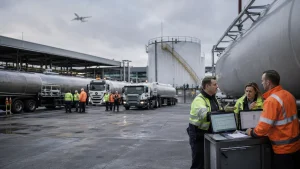
The root cause of the Glasgow Edinburgh Airport fuel shortage was not a lack of fuel itself but rather a logistical challenge affecting deliveries.
This distinction is important because it highlights the difference between a fuel availability crisis and a temporary distribution problem.
Short-Term Driver Staffing Issues
Reports confirmed that driver shortages affected one of the suppliers responsible for delivering jet fuel to airlines operating from the airports.
Fuel transportation relies on trained and certified drivers capable of handling aviation fuel safely. Any shortage within this workforce can quickly create bottlenecks in the supply chain.
Unlike consumer fuel markets, aviation fuel distribution requires specialised expertise and strict regulatory compliance, making it difficult to replace personnel at short notice.
Fuel Delivery Logistics and Supply Chain Challenges
The aviation fuel supply chain involves multiple stages, including refining, storage, transportation, and distribution. A disruption at any point can influence airport operations.
The table below outlines the key stages involved:
| Supply Chain Stage | Function | Potential Impact of Disruption |
|---|---|---|
| Fuel Production | Refining jet fuel | Reduced availability |
| Storage Facilities | Holding fuel reserves | Inventory shortages |
| Transport Network | Delivering fuel to airports | Delivery delays |
| Airport Infrastructure | Storing and distributing fuel | Operational constraints |
| Airline Refuelling | Aircraft fuelling operations | Flight delays |
While the disruption was temporary, it demonstrated how interconnected aviation infrastructure has become.
How Did Glasgow and Edinburgh Airports Respond to the Fuel Shortage?
Airport operators moved quickly to reassure passengers and airlines that the situation remained under control.
Both airports emphasised that the issue was temporary and that efforts were underway to restore fuel stock levels as rapidly as possible.
Official Statements from Both Airports
Glasgow Airport stated that a short-term staffing issue had affected one of the fuel suppliers used by airlines operating at the airport. Officials noted that while some delays occurred, there was no widespread operational disruption and no flight cancellations directly linked to the issue.
Similarly, Edinburgh Airport confirmed that fuel deliveries were arriving and that normal operations were being restored.
Measures Taken to Restore Normal Operations
Airport teams coordinated closely with suppliers and airlines to monitor fuel levels and prioritise critical operations.
Additional overnight deliveries helped replenish supplies, enabling both airports to return to standard operating conditions.
Airport operations consultant Sarah Mitchell noted: “The speed of recovery demonstrates the value of contingency planning. Airports regularly prepare for supply-chain interruptions, allowing them to respond effectively when unexpected issues arise.”
These measures prevented a temporary logistics problem from developing into a larger operational challenge.
Which Airlines Were Impacted by the Fuel Supply Problems?
Airlines operating from Glasgow and Edinburgh airports had varying levels of exposure to the disruption depending on route structures, fuel requirements, and operational flexibility.
Some carriers experienced only minor adjustments, while others had to modify flight plans.
British Airways’ Response
British Airways confirmed that its services from Glasgow and Edinburgh continued operating despite the fuel delivery challenges. The airline indicated that it was not significantly affected and maintained service continuity throughout the disruption period.
This response reflected the airline’s ability to adapt quickly and utilise existing operational resources.
Airline Operational Adjustments During the Disruption
Airlines often employ several strategies when fuel availability becomes uncertain, including:
| Operational Adjustment | Purpose | Benefit |
|---|---|---|
| Additional Fuel Stops | Ensure adequate fuel reserves | Maintains safety |
| Schedule Modifications | Adjust flight timings | Reduces disruption |
| Aircraft Substitution | Deploy alternative aircraft | Improves efficiency |
| Fuel Conservation Measures | Optimise consumption | Extends available resources |
| Operational Coordination | Work with suppliers | Maintains continuity |
Such measures help carriers maintain services while preserving safety standards.
How Do Airports and Airlines Manage Jet Fuel Supply?

Jet fuel management is a complex process involving airports, airlines, fuel suppliers, and logistics providers.
The incident highlighted how responsibilities are divided across the aviation industry.
Responsibilities of Airports, Airlines, and Fuel Suppliers
Airports generally provide the infrastructure required for fuel storage and distribution. Airlines are responsible for purchasing fuel and arranging supply agreements with approved suppliers.
Fuel companies manage transportation, delivery schedules, storage management, and distribution operations. This shared responsibility ensures efficiency but also means disruptions in one area can affect multiple stakeholders.
The Importance of Fuel Storage and Distribution Infrastructure
Modern airports maintain sophisticated fuel storage systems designed to support daily operations and accommodate fluctuations in demand.
However, these systems still depend on regular replenishment through transportation networks.
Fuel logistics specialist Richard Campbell highlighted this dependency: “Airport fuel storage provides an important buffer, but sustained operations ultimately rely on continuous deliveries. Efficient logistics remain essential for maintaining aviation resilience.”
The incident reinforced the strategic importance of robust infrastructure and workforce planning.
What Role Did EET Fuels and Government Authorities Play in Resolving the Issue?
The rapid resolution of the fuel shortage was supported by coordinated action from both industry and government stakeholders. Their involvement helped reassure passengers and restore confidence in airport operations.
EET Fuels’ Response to the Logistics Problem
EET Fuels acknowledged the disruption and apologised to passengers and airlines affected by the supply difficulties. The company stated that short-term logistics challenges had been resolved and confirmed that fuel availability had returned to normal levels.
By increasing deliveries and restoring transportation capacity, EET Fuels successfully addressed the immediate cause of the disruption.
Statement from the Department for Energy Security and Net Zero
The Department for Energy Security and Net Zero also commented on the situation, confirming that the issue stemmed from driver logistics rather than fuel availability.
Government officials emphasised that the problem had been resolved and that there were no broader concerns regarding national fuel supplies.
Their statement helped dispel speculation about wider energy market disruptions.
What Are the Wider Implications of the Glasgow Edinburgh Airport Fuel Shortage?
Although the disruption was relatively limited, it provides important lessons for airports, airlines, and policymakers. Modern aviation depends on highly integrated supply chains that require constant monitoring and adaptation.
What Lessons Have Been Learned From the Fuel Supply Disruption?
One of the most significant lessons from the incident is the importance of workforce resilience. Even when fuel supplies remain available, staffing shortages can affect transportation and distribution networks.
The event also highlights the need for strong communication between airports, suppliers, airlines, and government agencies. The aviation industry continues investing in contingency planning, digital monitoring systems, and logistics management tools.
Future resilience may depend on:
- Expanding workforce availability.
- Increasing operational flexibility.
- Enhancing supply chain visibility.
- Improving emergency response planning.
These measures can reduce the likelihood of similar disruptions affecting passengers in the future.
What Should Passengers Do During Airport Fuel-Related Disruptions?
Passengers can take several practical steps when fuel-related delays affect flight schedules. Remaining informed and maintaining communication with airlines is often the most effective approach.
Checking Flight Updates and Airline Communications
Travellers should regularly monitor airline websites, mobile applications, and airport information channels. Real-time updates can provide accurate departure times and information about any operational adjustments.
Passengers should also ensure that airlines have current contact details to receive notifications promptly.
Understanding Rebooking and Travel Options
If delays become significant, airlines may offer alternative travel arrangements depending on the circumstances. Passengers should familiarise themselves with airline policies regarding delays, rebooking options, and customer assistance.
Maintaining flexibility can help reduce inconvenience during unexpected operational disruptions.
Should Passengers Travelling Through Glasgow or Edinburgh Airports Be Concerned?

For most travellers, there is currently no reason to change travel plans. Airport operators have confirmed that fuel deliveries have resumed and that both Glasgow and Edinburgh airports remain fully operational.
Passengers should continue to arrive at the airport according to their airline’s recommended check-in times and monitor flight information before travelling. Although the fuel supply issue has been resolved, some services may continue experiencing minor schedule adjustments as airlines work through earlier delays.
Current guidance suggests that travellers should:
- Check flight status before leaving for the airport.
- Allow additional time for check-in and security.
- Monitor airline notifications for any schedule changes.
- Follow airport travel updates through official channels.
The situation remains stable, and no widespread disruption is currently expected.
Conclusion
The Glasgow Edinburgh Airport fuel shortage demonstrated how temporary logistics challenges can affect aviation operations even when fuel supplies remain available.
While passengers experienced delays and airlines made operational adjustments, the disruption was resolved quickly through coordinated action from airports, fuel suppliers, airlines, and government authorities.
Importantly, no widespread cancellations occurred, and both airports remained operational throughout the incident. The event serves as a reminder of the critical role played by fuel logistics, workforce availability, and supply chain resilience in maintaining efficient airport operations and ensuring a reliable travel experience for passengers across the UK.
FAQs
What caused the Glasgow Edinburgh Airport fuel shortage?
The disruption was caused by temporary driver staffing and logistics issues affecting jet fuel deliveries, rather than a lack of fuel supply.
Are Glasgow and Edinburgh airports operating normally now?
Yes, both airports have confirmed that fuel deliveries resumed and normal operations have largely been restored.
Were any flights cancelled due to the fuel shortage?
No widespread cancellations were reported, although some flights experienced delays and operational adjustments.
Why did some aircraft need additional fuel stops?
Airlines used precautionary refuelling stops to maintain required fuel reserves and ensure services could continue safely.
Which airports were affected by the fuel supply issue?
The disruption primarily affected Glasgow Airport and Edinburgh Airport, Scotland’s two busiest airports.
Was the shortage linked to a wider UK fuel crisis?
No. Government officials confirmed the issue was a localised logistics problem and not connected to national fuel availability.
Which airlines were impacted by the disruption?
Several airlines adjusted operations, with some modifying fuel plans and schedules, while most services continued running.