Labour Government Rural Pub Tax: Business Rates Spark Fury Across Britain’s Countryside
 • May 29, 2026
Key Takeaways:
- Rural pubs play a vital social and economic role in communities across the UK.
- Business rates remain one of the largest fixed costs faced by pub operators.
- Concerns have emerged that Labour Government reforms could increase financial pressure on independent rural pubs.
- Industry organisations warn that higher operating costs may lead to further closures.
- Rural communities could face economic and social consequences if local pubs disappear.
- Existing relief schemes may not be sufficient to offset rising expenses.
- Policymakers face the challenge of balancing tax reform with support for the hospitality sector.
Why Are Rural Pubs Angered by Labour Government Business Rate Policies?
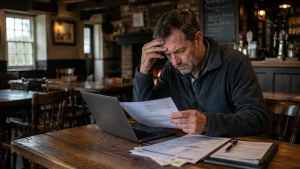
The growing anger among rural pub owners stems from concerns that changes to business rates could significantly increase operating costs at a time when many establishments are already under financial pressure.
Rural pubs often operate with lower customer volumes than their urban counterparts, making them particularly vulnerable to increases in fixed expenses.
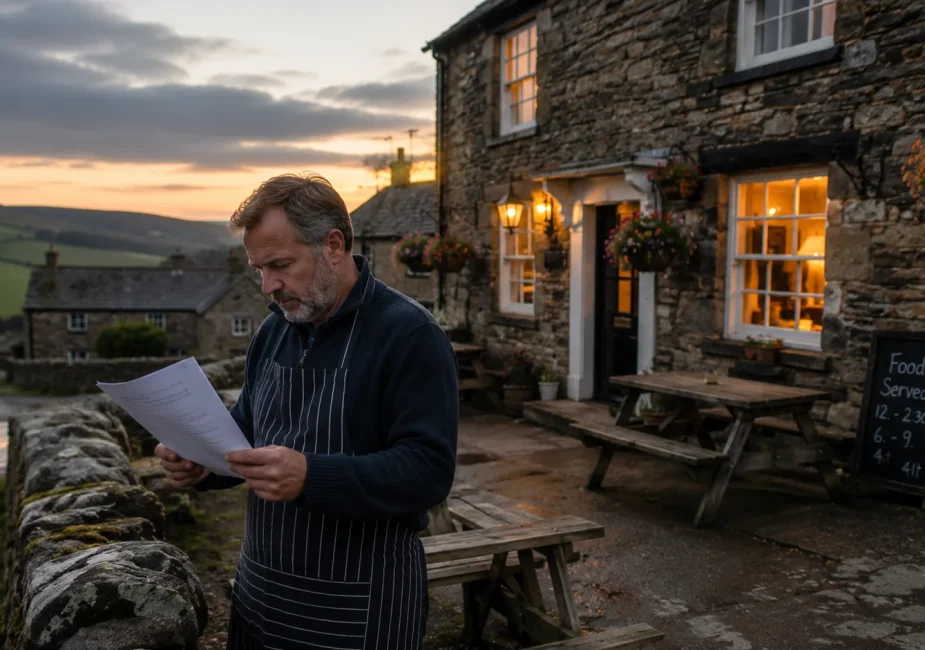
For many villages, the local pub is more than a business. It serves as a social meeting place, supports local employment, and contributes to community identity. Publicans argue that any additional tax burden risks undermining the viability of these establishments.
Industry representatives have voiced concerns that reforms designed to improve the wider tax system may fail to account for the unique circumstances faced by rural businesses. Many operators believe that policymakers underestimate how narrow profit margins have become in recent years.
What Is the Labour Government’s “Nice Pub Tax” and Why Is It Causing Controversy?
The phrase “Nice Pub Tax” has emerged in response to concerns that some rural pubs and country inns could face higher business rates because of the way their properties are valued.
Critics argue that pubs located in desirable countryside settings may be assessed as having greater trading potential, resulting in larger tax liabilities than comparable venues in less attractive locations.
Many rural landlords believe the approach unfairly penalises pubs that help attract tourism and support local economies. Industry groups have warned that pubs should not be treated as luxury assets simply because they operate in popular rural destinations.
The issue has attracted growing attention from rural landlords, pub owners, hospitality groups, and industry commentators during 2026.
What Has Happened Since Labour Took Office in 2024?
Since forming the Government in July 2024, Labour has faced increasing pressure from hospitality organisations over taxation, business rates, employment costs, and regulatory changes affecting pubs and restaurants.
Industry groups including CAMRA, UKHospitality, and the British Beer and Pub Association have repeatedly called for greater certainty regarding long-term support measures.
Concerns have intensified throughout 2025 and 2026 as rising wage costs, energy expenses, and property-related charges have continued to place pressure on operators.
The emergence of the “Nice Pub Tax” debate represents the latest stage in a wider discussion about how the Government can modernise taxation while protecting businesses that contribute significantly to employment, tourism, and community life across rural Britain.
What Changes to Business Rates Are Affecting Rural Pubs?
Since Labour entered government in July 2024, business rates reform has become a major concern for hospitality businesses across the UK. Ministers argue that the current system needs modernising to reflect changes in the economy and create a fairer distribution of tax liabilities.
However, many rural pub owners believe recent discussions around property valuations and commercial assessments could result in higher costs for businesses operating in countryside locations.
The controversy intensified during 2026 after reports suggested that some country inns and destination pubs could face larger rate bills because of their location, popularity, and perceived trading potential.
Critics argue that this approach risks penalising successful rural businesses at a time when many pubs are already dealing with rising staffing costs, food inflation, employer National Insurance increases, and higher utility bills.
| Date | Key Development |
|---|---|
| July 2024 | Labour forms Government |
| Autumn 2024 | Business rates reform discussions continue |
| 2025 | Hospitality sector raises concerns over rising costs |
| Early 2026 | Rural landlords warn of valuation impacts |
| May 2026 | Nice Pub Tax" controversy gains national attention |
How Could Higher Business Rates Impact Rural Pub Owners?
Higher business rates have the potential to affect profitability, investment decisions, staffing levels, and long-term sustainability.
Unlike variable costs that fluctuate with customer demand, business rates remain a fixed obligation. This means pub operators must meet these costs regardless of trading performance.
If rates increase substantially, owners may face difficult choices, including:
- Reducing staff numbers.
- Delaying renovations.
- Increasing menu and drink prices.
- Cutting community events and services.
- Considering closure.
| Type of Pub | Exposure to Rate Changes | Reason |
|---|---|---|
| Small Village Pub | Moderate | Lower turnover but limited financial reserves |
| Country Inn | High | Larger properties and tourism appeal |
| Destination Gastro Pub | High | Higher valuation potential |
| Community-Owned Pub | Medium | Relief eligibility may reduce impact |
| Large Pub Chain | Lower | Greater financial resources |
Emma McClarkin, Chief Executive of the British Beer and Pub Association, has repeatedly highlighted that many community pubs operate on extremely tight margins, meaning even modest increases in fixed costs can have a significant impact on long-term sustainability.
For independent operators with limited financial reserves, additional tax burdens can quickly become challenging.
Why Are Village Pubs Considered Essential to Rural Communities?
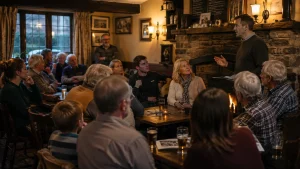
Village pubs often fulfil functions that extend far beyond hospitality.
In many rural areas, they serve as community gathering spaces, hosting social events, local meetings, charity fundraisers, and celebrations. Some villages have lost post offices, banks, and local shops, leaving the pub as one of the few remaining communal venues.
The Social Role of Community Pubs
Community interaction remains one of the strongest arguments for protecting rural pubs. They provide opportunities for social engagement and help combat isolation among residents, particularly older people.
Economic Contributions to Local Areas
Rural pubs support local economies through employment, tourism, and supply chains. They often source food and services from nearby businesses, helping to circulate money within the local economy.
| Contribution Area | Impact on Rural Communities |
|---|---|
| Employment | Creates local jobs |
| Tourism | Attracts visitors to villages |
| Community Events | Supports social cohesion |
| Local Suppliers | Generates business opportunities |
| Property Appeal | Enhances village attractiveness |
The closure of a village pub can therefore have consequences that extend well beyond hospitality.
Are Independent Rural Pubs Facing Greater Financial Pressure Than Large Chains?
Independent rural pubs typically lack the purchasing power and financial resources available to larger chains.
National operators often benefit from economies of scale, centralised procurement, and greater access to capital. Independent establishments must navigate rising costs with fewer resources and less negotiating power.
As a result, increases in taxation or operating expenses may have a disproportionate effect on smaller businesses.
Rural locations can further amplify these challenges because customer numbers are often limited by population size and seasonal fluctuations.
How Do Rising Operational Costs Compound the Business Rates Challenge?
Business rates are only one component of a much larger financial picture.
Over recent years, pub operators have faced significant increases in energy costs, wages, food prices, insurance premiums, and supplier charges. These cumulative pressures create an increasingly difficult trading environment.
Energy, Staffing, and Supply Chain Expenses
Energy costs remain a major concern for hospitality businesses, particularly those operating older rural buildings that may be less energy efficient.
Staffing expenses have also risen due to wage increases and recruitment challenges. Rural pubs often struggle to attract workers because of transport limitations and housing affordability issues.
A rural hospitality consultant recently observed: “Many pub owners are not dealing with a single cost increase. They are managing higher wages, energy bills, food inflation and property taxes simultaneously, which creates a very difficult financial equation.”
When combined with potential business rate increases, these pressures can become overwhelming.
What Are Hospitality Industry Leaders Saying About the Rural Pub Tax Debate?
Industry organisations have consistently warned that additional taxation could accelerate existing challenges within the hospitality sector.
Many representatives acknowledge the need for tax reform but argue that policymakers must carefully assess the impact on businesses that play an important role in local communities.
Trade bodies frequently highlight the importance of targeted relief measures and greater recognition of the economic and social value provided by rural pubs.
The debate has therefore become less about whether reform should occur and more about how reform can be implemented without causing unintended damage.
Could Business Rate Increases Lead to More Rural Pub Closures?
Many industry observers believe the risk of closures would increase if business rate liabilities rise significantly.
Rural pubs often operate with lower profit margins than urban venues due to smaller customer bases and seasonal demand patterns. Even relatively modest increases in costs can therefore influence viability.
Why Are Closure Concerns Growing in 2026?
Pub industry groups argue that closure risks are increasing because operators are facing multiple financial pressures simultaneously. Unlike previous periods where a single challenge such as declining beer sales may have been the primary concern, many businesses are now dealing with rising labour costs, inflation, food prices, insurance premiums, energy expenses, and property-related charges at the same time.
For rural pubs, the challenge can be even greater because customer numbers are often limited by local population levels and seasonal tourism demand.
Industry representatives warn that if operating costs continue to rise while profit margins remain narrow, some independent pubs may struggle to remain financially sustainable.
How Might Local Employment Be Affected by Rural Pub Tax Pressures?

Rural pubs provide valuable employment opportunities, particularly for younger workers, part-time staff, and residents seeking local jobs.
If operating costs continue to rise, some businesses may reduce staffing levels to control expenses. Others may delay recruitment or reduce operating hours.
The resulting impact could be felt across local labour markets, especially in areas where alternative employment opportunities are limited. Employment reductions can also have secondary effects on consumer spending and local economic activity.
What Impact Could These Policies Have on Tourism in Rural Britain?
Tourism remains a significant contributor to many rural economies.
Visitors often seek authentic experiences, including traditional village pubs that offer local food, beverages, and hospitality. These establishments contribute to the character and appeal of rural destinations.
A reduction in pub numbers could potentially affect visitor experiences and reduce tourism spending in some regions.
Hospitality experts frequently note that pubs form part of the broader tourism ecosystem, supporting accommodation providers, attractions, and local retailers.
Are Existing Relief Schemes Sufficient to Protect Rural Pubs?
The UK currently offers several forms of support designed to reduce tax burdens on eligible businesses.
Small Business Rate Relief and Rural Rate Relief
Relief schemes can provide meaningful support, particularly for smaller establishments. However, eligibility requirements vary, and not all rural pubs qualify for maximum assistance.
Some industry stakeholders argue that existing measures no longer adequately reflect the financial realities facing hospitality businesses. There are also concerns that temporary relief programmes create uncertainty, making long-term planning more difficult for operators.
Many publicans would prefer predictable and sustainable support mechanisms rather than short-term interventions.
What Arguments Does the Labour Government Present in Support of Business Rate Reform?
Supporters of reform generally argue that the business rates system requires modernisation.
They contend that the existing framework can be outdated, inconsistent, and insufficiently aligned with contemporary economic conditions.
Potential objectives of reform include:
- Improving fairness.
- Updating valuations more regularly.
- Ensuring tax revenues remain sustainable.
- Supporting broader economic goals.
Government advocates may also argue that reform should create a more balanced system that reflects changing patterns of commerce and property use.
The challenge lies in ensuring that reform does not disproportionately affect vulnerable sectors.
How Are Campaign Groups and Industry Organisations Responding?
Campaign groups have been among the most vocal participants in the debate.
Perspectives from CAMRA and the British Beer and Pub Association
Organisations such as CAMRA and the British Beer and Pub Association continue to advocate for measures that protect community pubs from excessive financial pressures.
A CAMRA representative recently remarked that community pubs are often the last remaining social hubs in rural villages, making their preservation important not only for business reasons but also for community wellbeing.
These organisations frequently call for targeted support and evidence-based policymaking.
What Could Be the Long-Term Consequences for the UK Hospitality Sector?
The long-term consequences depend largely on how reforms are implemented and how businesses adapt.
If increased taxation contributes to higher closure rates, the sector could experience reduced investment, job losses, and diminished community engagement.
Conversely, well-designed reforms could potentially improve fairness while maintaining support for vulnerable businesses.
The hospitality sector remains an important contributor to the UK economy, and its future health will influence employment, tourism, and local development.
Are There Alternative Tax Solutions That Could Support Rural Pubs?
Several alternatives have been proposed by industry stakeholders and policy analysts.
Potential options include targeted relief programmes, sector-specific discounts, transitional support arrangements, and revised valuation methodologies that better reflect rural trading conditions.
Some experts suggest that policymakers should consider the broader economic value generated by pubs rather than focusing solely on property valuations.
Balancing fiscal responsibility with economic sustainability remains a central challenge.
What Does the Future Hold for Rural Pubs Under Labour Government Policies?
The future remains uncertain. Much will depend on the final structure of any business rate reforms and the willingness of policymakers to engage with industry concerns.
Rural pubs have demonstrated resilience throughout numerous economic challenges, but continued pressure from taxation and operating costs may test that resilience further.
The sector’s ability to adapt will likely play a significant role in determining outcomes over the coming years.
How Can Policymakers Balance Revenue Generation with Rural Economic Growth?

Effective policymaking requires careful consideration of both fiscal objectives and community impacts. Governments need tax revenues to fund public services, but excessive burdens on key local businesses can create wider economic challenges.
Successful solutions may involve:
- Targeted relief measures.
- Regular consultation with industry groups.
- Gradual implementation of reforms.
- Monitoring economic impacts.
- Supporting rural economic development initiatives.
Achieving balance will require collaboration between policymakers, businesses, and community stakeholders.
Why Has the Labour Government Rural Pub Tax Become Such a Controversial Issue?
The controversy arises because the debate touches on taxation, economic growth, community identity, and rural sustainability simultaneously.
Supporters of reform argue that modernisation is necessary to ensure a fair and effective taxation system. Critics believe that rural pubs face unique challenges that require additional protection.
The discussion therefore extends beyond tax policy alone. It reflects broader questions about the future of rural communities, local businesses, and the hospitality sector in Britain.
Conclusion
The Labour Government rural pub tax debate highlights the complex relationship between tax reform and community sustainability. While business rate modernisation may offer benefits from a policy perspective, many rural pub operators fear that additional financial pressures could threaten already fragile businesses.
Rural pubs contribute far more than food and drink services; they support employment, tourism, and social cohesion across Britain. As discussions continue, policymakers face the challenge of creating a fair taxation system that protects public finances without undermining the vital role that village pubs play in rural communities and the wider UK hospitality sector.
Frequently Asked Questions
Is Labour introducing a new rural pub tax?
No. “Rural pub tax” is an unofficial term used by critics concerned about Labour’s business rates reforms and their impact on countryside pubs.
What is the “Nice Pub Tax”?
The “Nice Pub Tax” is a nickname used for concerns that attractive rural pubs and country inns could face higher business rate assessments.
Why are rural pub owners worried about Labour’s business rates reforms?
Many fear higher rates could add to rising costs, making it harder for independent pubs to remain profitable.
How do business rates affect rural pubs?
Business rates are a fixed property tax that pubs must pay regardless of trading performance.
Could country inns and destination pubs be affected differently?
Yes. Larger or more popular rural venues may face higher valuations under some assessment methods.
Could higher business rates lead to more rural pub closures?
Industry groups warn that rising costs could increase closure risks for some independent pubs.
Has Labour announced any support for pubs and hospitality businesses?
Labour says reforms aim to create a fairer system and points to existing relief measures for hospitality businesses.
Why are rural pubs important to local communities?
They provide jobs, support tourism, host events, and act as important social hubs.