

What Time Does Child Benefit Get Paid in 2026? UK Payment Guide
 • January 12, 2026
•
1 Comment
• January 12, 2026
•
1 Comment

Quick Answer:
Child Benefit payments typically clear in UK bank accounts overnight between 12:00 AM and 3:30 AM on their scheduled Monday or Tuesday due date.
The precise delivery hour depends entirely on your specific bank (e.g., HSBC clears by 1:00 AM, while NatWest can take until 3:30 AM). If your funds have not appeared by 4:00 PM, you should contact your bank before calling HMRC.
Key Highlights & Takeaways:
- Overnight Delivery Windows: Most high-street bank payments clear between midnight and 3:30 AM on your exact due date.
- 28-Day Schedule: Child Benefit is fundamentally a 4-weekly payment paid on a Monday or Tuesday. Single parents or those on specific income-based benefits can request to switch to a weekly disbursement schedule.
- Bank Holiday Adjustments: If a payment date lands on a 2026 UK public holiday (like Easter or bank holiday Mondays), HMRC shifts the payment forward so it is deposited on the last working day beforehand (usually the preceding Friday).
- Updated 2026/27 Rates: Ensure your household budget accounts for the updated weekly rates following the April inflation increase: £27.05 for the eldest or only child and £17.90 for additional children.
- No Two-Child Cap: Unlike Universal Credit, Child Benefit features no limit on the number of children you can claim for. Every eligible third or subsequent child qualifies for the full £17.90 weekly rate.
- Age 16–20 Transitions: Payments officially stop on 31 August after your child turns 16. To keep payments running up until their 20th birthday, you must actively notify HMRC that they are staying in approved, full-time non-advanced education (like A-levels or NVQs).
- High-Income Thresholds: If you or your partner earns over £60,000, you are subject to the High-Income Child Benefit Charge. If earnings exceed £80,000, the benefit is completely clawed back via tax, though claiming it is still recommended to preserve your State Pension National Insurance credits.
- HMRC Tracker Details: All payments display a clean, 18-character reference code starting with “HMRC Child Benefit” on your bank statement. If your payment is missing past 4:00 PM, you can call the official hotline at 0300 200 3100.
What time does the Child Benefit Usually Arrive in Your Bank Account?

The time Child Benefit appears in your account largely depends on your bank’s processing system. In most cases, payments are deposited overnight and are available early on the morning of the payment date.
This means that if your payment is due on a Monday or Tuesday, you can typically expect to see it by 6:00 AM on the same day.
However, this timing can vary. Some banks deposit funds shortly after midnight, while others may take until later in the morning, especially if it’s a busy banking period such as around holidays or end-of-month processing.
To help you plan your morning, here is a breakdown of the typical processing windows for major UK banking groups.
If your benefit is due on a Monday or Tuesday, this is when the funds usually become available to clear:
- HSBC and First Direct: 12:00 AM to 1:00 AM
- Barclays: 12:30 AM to 2:00 AM
- Lloyds and Halifax: 1:00 AM to 3:00 AM
- NatWest and RBS: 2:00 AM to 3:30 AM
- Monzo and Revolut: Many digital banks offer a “Get Paid Early” feature, which may allow you to access the funds as early as 4:00 PM on the working day before your payment is due (e.g., Friday afternoon for a Monday payment).
There’s no fixed time universally set by HMRC; it all comes down to how your bank processes incoming payments.
This also applies to early payments made due to bank holiday adjustments, which are still sent out according to HMRC’s internal schedules but can appear earlier depending on your banking institution.
How Often Is Child Benefit Paid in the UK?
In the UK, Child Benefit is usually paid every four weeks, but there are exceptions. While most families receive their payments on a regular 28-day cycle, weekly payments are available for certain eligible claimants.
Who Can Receive Weekly Payments?
You may qualify for weekly payments if:
- You’re a single parent
- You or your partner are receiving certain income-based benefits, such as Income Support or income-based Jobseeker’s Allowance
- You’re facing financial hardship, subject to HMRC’s discretion
If you wish to change from monthly to weekly payments, you must contact HMRC directly. This can be done via phone, the HMRC app, or through your Government Gateway account.
What Are the Child Benefit Payment Dates 2026?
Child Benefit follows a consistent pattern, but specific dates shift annually due to how bank holidays fall on the calendar.
The general rule is that payments occur on a Monday or Tuesday, depending on the start of your claim cycle. From there, your next payment is expected exactly 28 days later.
You can confirm your payment dates by:
- Check your bank statement for “HMRC Child Benefit”
- Logging into your HMRC online account through the Government Gateway
- Using a 4-week count forward method from your last payment
Because Child Benefit is paid on Mondays and Tuesdays, any public bank holiday falling on these days will disrupt your regular payment schedule.
When this happens, HMRC will automatically deposit your money into your account on the last working day before the holiday (usually the preceding Friday).
To help you plan your household expenses, here are the official adjusted Child Benefit payment dates for the remainder of 2026 across the UK:
| Original 2026 Due Date | Holiday Occasion | New Adjusted Payment Date |
|---|---|---|
| Monday 13 April 2026 | Easter Monday | Friday 10 April 2026 |
| Monday 4 May 2026 | Early May Bank Holiday | Friday 1 May 2026 |
| Monday 25 May 2026 | Spring Bank Holiday | Friday 22 May 2026 |
| Monday 13 July 2026 | Battle of the Boyne (Northern Ireland) | Friday 10 July 2026 |
| Monday 3 August 2026 | Summer Bank Holiday (Scotland) | Friday 31 July 2026 |
| Monday 31 August 2026 | Late Summer Bank Holiday (England/Wales) | Friday 28 August 2026 |
| Monday 28 December 2026 | Boxing Day (Substitute Day) | Thursday 24 December 2026 |
What Are the Child Benefit Rates in 2026?
From April 2026, new Child Benefit rates will come into effect, reflecting an increase in line with inflation.
While the payment frequency stays the same, the amounts increase slightly to support families amidst rising costs.
Here are the updated rates:
| Child | Weekly Rate | Four-Weekly Payment |
|---|---|---|
| Eldest or only child | £27.05 | £108.20 |
| Additional children | £17.90 | £71.60 |
| Guardian’s Allowance (weekly) | £22.95 | £91.80 |
Though calculated weekly, most people receive these as a single four-week payment unless they have opted for weekly disbursements.
How Can You Check When Your Next Child Benefit Payment Is Due?
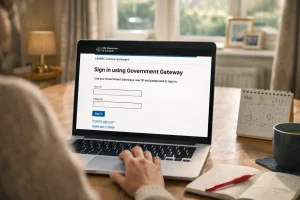
Tracking your payment dates doesn’t need to be complicated. HMRC provides multiple ways to stay informed about your Child Benefit schedule.
Methods to Check Your Next Payment Date:
- Bank Statement: Look for an entry labelled “HMRC Child Benefit”, it includes an 18-character payment reference
- HMRC Online Account: Sign in via Government Gateway to access your Child Benefit payment history
- Manual Calculation: Add 28 days from your last payment date, but remember to skip ahead if that lands on a bank holiday
These methods are especially helpful if you’re budgeting ahead or anticipating potential changes due to public holidays.
What Should You Do If Your Child’s Benefit Payment Is Late?
If your payment hasn’t arrived by 4:00 PM on the expected day, you should take the following steps:
- Double-check the date: Review your bank holidays or check if the 4-week cycle has been adjusted
- Ask your bank: Contact your bank or building society to see if the payment is pending or delayed
- Contact HMRC: If there’s no sign of the funds, reach out via the HMRC app, phone line, or Government Gateway
Common Causes for Delays
- You haven’t updated your bank details with HMRC
- Your child has left education and is no longer eligible
- You missed a communication or request from HMRC
- Your claim status has changed (e.g. custody or residence changes)
A helpful approach is to always check both digital notifications and physical mail in case HMRC has attempted contact.
Do Local Holidays in Scotland or Northern Ireland Affect Payment Dates?
Yes, regional holidays unique to Scotland and Northern Ireland can affect Child Benefit payments. These local bank holidays are not always aligned with national ones, which means payments can arrive later than expected in some cases.
Notable Regional Dates to Watch:
| Region | Holiday Date | Effect on Payments |
|---|---|---|
| Glasgow | 28 September | May delay payments locally |
| Edinburgh | 21 September | Possible delay |
| Dundee | 5 October | Possible delay |
It’s advised to check with your local authority or your bank if you’re unsure how a specific holiday might affect your payment.
Can You Get Child Benefit Weekly Instead of Monthly?

Yes, you can request weekly Child Benefit payments if you meet certain criteria. This option can be especially helpful for families who need more frequent cash flow to manage expenses.
Eligibility for Weekly Payments
- You are a single parent
- You or your partner are receiving Income Support or a similar benefit
- You meet specific financial hardship criteria
Weekly payments do not increase your total annual benefit but instead distribute the funds more regularly. For example, instead of receiving £108.20 every 4 weeks, you would get £27.05 weekly for your eldest child.
To Request
- Contact HMRC via phone or the HMRC app
- Log into your online account and submit a change request
Weekly payments can start from the next available cycle once your request is approved.
When Does Child Benefit Stop? Age 16 to 20 Rules
A major reason child benefit payments suddenly stop or get delayed is that a child has reached a key milestone age.
Payments do not automatically continue indefinitely, and understanding the cut-off dates will protect you from surprise suspensions or overpayment repayment demands.
The 31 August Rule (Age 16)
Child Benefit officially stops on 31 August after your child turns 16. If your teenager is staying in approved education or training, you must actively notify HMRC to keep the payments running. If you fail to reply to HMRC’s warning letter, your payments will stop automatically.
Approved Education vs. Non-Qualifying Options
To keep receiving payments until your child turns 20, they must be enrolled in full-time, non-advanced education (more than 12 hours a week of supervised study).
- What Qualifies: A-levels, T-levels, GCSEs, Scottish Highers, NVQs up to Level 3, and approved unpaid government training programmes (like Jobs Growth Wales+ or Scotland’s No One Left Behind).
- What Does NOT Qualify: University degrees, Higher National Diplomas (HNDs), paid apprenticeships, or any course started after the child turned 19.
Quarterly Stop Dates
If your child leaves education or a training programme early, your payments will not stop on their birthday.
Instead, HMRC stops payments on the first of these quarterly cut-off dates:
- 31 May
- 31 August
- 30 November
- Last day of February
The 20-Week Extension
If your 16 or 17-year-old leaves school but registers with a local careers service or the Ministry of Defence, you can apply for a 20-week Child Benefit extension.
You must apply within 3 months of them leaving school, or you will lose out on these extra weeks of support.
Is There a Limit to How Many Children You Can Claim For?

Unlike some other UK welfare programs (such as Universal Credit, which historically had strict caps), Child Benefit has no two-child limit.
You can claim Child Benefit for every single child you are responsible for. For a third, fourth, or subsequent child, you will receive the standard additional child rate of £17.90 per week.
High Income Child Benefit Charge (HICBC) Thresholds
While anyone can claim the benefit regardless of savings, you must be aware of the High Income Tax Charge rules. If you or your partner earns over £60,000 a year before tax, you will have to pay back a portion of the benefit through a tax charge.
If your income exceeds £80,000, the tax charge equals the exact amount of the benefit, meaning it is entirely clawed back.
Even if you earn over £80,000, it is highly recommended to fill out the claim form but choose not to receive the cash payments. This ensures the parent continues to protect their National Insurance credits for their State Pension.
Final Thoughts on Managing Your 2026 Child Benefit
Navigating Child Benefit schedules does not have to be stressful when you know exactly how and when your bank updates.
By keeping track of your specific banking group’s overnight processing window and adjusting your household budget for the remaining 2026 bank holidays, you can eliminate unexpected funding gaps.
If your teenager is turning 16 later this year, ensure you prioritise the 31st August deadline.
Taking two minutes to log into your Government Gateway account or check your official HMRC app to verify their continuing education status will keep your newly increased £27.05 or £17.90 weekly cash injections flowing smoothly without a single day of disruption.
FAQs About Child Benefit Payments in 2026
What is the earliest time Child Benefit can be paid into my account?
Most high-street bank payments clear between midnight and 3:30 AM on your due date, though digital challenger banks like Monzo or Revolut may allow you to access the money by 4:00 PM the previous working day.
Can I claim Child Benefit for a third child in the UK?
Yes. Unlike other benefits, there is no two-child limit for Child Benefit, meaning you will receive an additional £17.90 per week for a third child or any subsequent children.
What bank statement reference should I look out for?
Your payment will display an 18-character reference code on your bank statement that explicitly starts with the characters ‘HMRC Child Benefit’.
My child turns 18, does Child Benefit stop?
Not automatically. Payments can continue up until their 20th birthday as long as they remain enrolled in full-time, approved non-advanced education like A-levels, T-levels, or an NVQ Level 3.
What should I do if my Child Benefit has not arrived on the due date?
Check your schedule in the HMRC App first, and if the funds haven’t cleared by 4:00 PM, contact your bank before calling the official HMRC helpline on 0300 200 3100.
Will my Child Benefit payment be affected by Christmas 2026?
Yes. Because the post-Christmas bank holidays alter the schedule, payments originally due on Monday 28 December 2026 will be advanced and paid early on Thursday 24 December 2026.
Can I choose to receive my Child Benefit payments on a weekly basis?
Payments default to every 4 weeks, but you can request weekly payments if you are a single parent or if you or your partner receive certain benefits like Universal Credit or Income Support.





[…] benefits are different. Universal Credit, PIP, Child Benefit, Attendance Allowance, Pension Credit, State Pension and other entitlements continue to be paid […]