
UK Gambling Sector Remains Healthy Despite UKGC Concerns
 • September 1, 2026
The UK gambling industry is one of the biggest in the world. Figures are always extremely difficult to obtain accurately, with several floating around.
According to the Gambling Commission, the customer-facing gambling industry generated £16.8 billion in gross gambling yield (GGY) in the year to March 2025; an increase of 7.3% year on year.
Other reports have revealed that remote casino, betting, and bingo generated £7.8 billion, about 46% of Great Britain’s total GGY in 2024-25, up 13.1% from the preceding year. Online casino alone produced £5 billion, including £4.2 billion from slots.
Despite being one of the world’s most mature, regulated, digital-first markets, with many internationally active operators headquartered there or strongly established, the UK market has faced a number of challenges recently.
Some are economic, while others are social concerns related to the ongoing aim of promoting responsible gambling.
UKGC Concerns

While some countries allow customers to play without completing verification checks, this isn’t entirely possible in the UK.
Players in the Netherlands are able to access a bookmaker without CRUKS, meaning they can use a foreign sportsbook without a KSA licence; in the UK, almost every site used needs to be regulated by the UKGC and hold an active licence.
This eliminates those that offer players no verification sign-ups, as they aren’t permitted. However, it has been revealed that the UKGC has noted issues with the Know Your Customer (KYC) policies that regulated operators are required to enforce.
The Commission has flagged ‘gaps’ in the process used by some, highlighting shortfalls that could encourage problem gambling. Having undertaken a financial risk assessment pilot scheme between 2024 and 2025, the regulator found that a small proportion of customers could not be matched by credit reference agencies.
This was claimed to be the fallout of initial identity verification processes, with errors related to users being registered with just their initial (and not their full legal name), by their username/nickname, or using a commercial address rather than one where they lived.
This has led the UKGC to be concerned about differing levels of safety, data sensitivity, and system strength, especially when systems are used by third-party providers. They have since emphasised the importance of getting this right and ensuring verification checks are as strong as possible.
UK Gambling Industry Healthy, But For How Long?
It’s no secret that the UK gambling industry has come under political and economic pressure in recent years. The UK’s 2025 Autumn budget revealed that the sector would face a number of rising taxes and levies, including a change to remote gaming duty from 21% to 40%.
It is also planned for remote sports betting duty to increase to 25% in 2027, a 10% increase.Naturally, operators in the UK were fearful of what that budget could mean. Many bookmakers had decided to cut sponsorships and partnerships with others to save costs, while others cut marketing.
It was also feared that the additional costs could be passed on to the punters, which could force bettors to look elsewhere and potentially go to the black market.However, early reports suggest there hasn’t been significant damage and that operators have reacted positively, despite the burdens they faced.
A recent report by Regulus has shown that established operators in the UK market have performed well in Q2.
Modest Q2 growth was experienced by the UK’s six largest gambling companies, who account for around two-thirds (66%) of the market. Still, Q2 potentially had a number of favourable factors explaining why there was growth.
The FIFA World Cup was played, with many Britons likely to have placed bets on the tournament, while many consumers are unlikely to have changed their betting patterns.
It is predicted by some analysts that a 12% decline could be experienced by the end of 2027. The market has already seen some operators make tough decisions, including Betfred.
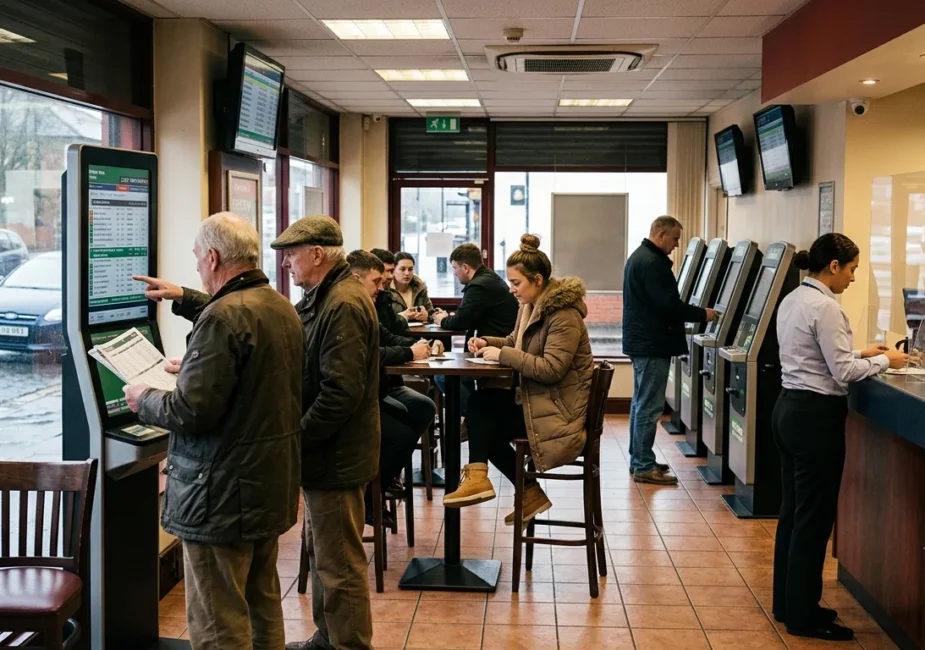
The high-street bookmaker announced it would close over 130 shops, resulting in around 600 job losses. They explained the move was happening due to the increase in higher UK taxes.
Many other countries around the world have a more favourable tax rate for operators who have their headquarters located there.
For example, from 1 October 2026, Malta will have a tax rate of 15% on online slots and casino games, while their tax rate for sports betting and other gambling activities (lotteries, bingo, etc) will be 10%.
General Outlook
The UK gambling sector has always been extremely difficult to forecast, and it’s not a surprise to see predictions suggesting a decline, based on the Autumn budget. With the UKGC’s note of a leaky verification process, it seems the industry is about to face a few difficult challenges it will have to navigate.