Spaghetti House London Closures Confirmed – Latest News & Updates
 • May 15, 2026
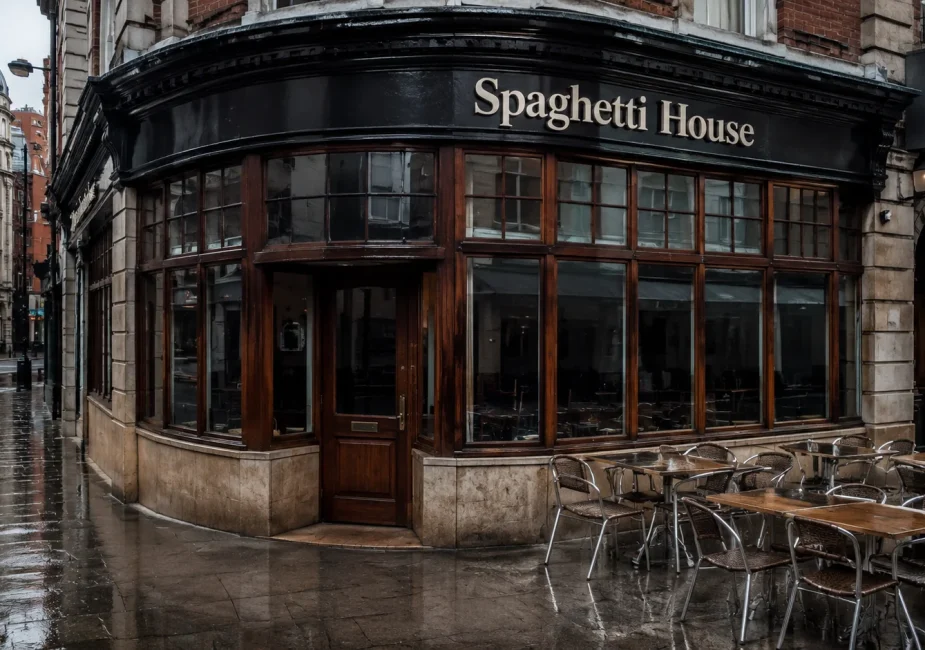
Spaghetti House London closures have now been confirmed, marking the end of a historic Italian restaurant chain that served the capital for around 70 years.
The company behind the brand, Lavval Restaurants Limited, entered administration, leading to the closure of its remaining London restaurants and the redundancy of 101 staff members.
Key highlights:
- All remaining Spaghetti House restaurants in London have closed.
- The final sites included Marble Arch, Carnaby, Oxford Street, Kensington and Soho.
- Lavval Restaurants appointed administrators on 6 May.
- Rising costs, reduced demand and difficult hospitality conditions were cited as major factors.
The closures highlight the growing pressure facing long-standing restaurant brands across London and the wider UK hospitality sector.
What Has Happened to Spaghetti House in London?
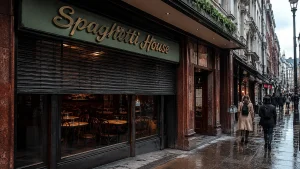
Spaghetti House has closed all of its remaining restaurants in London after its parent company, Lavval Restaurants Limited, entered administration.
The decision brings an end to one of the capital’s best-known family-run Italian restaurant names, which had been trading since 1955.
The closures affected five remaining central London locations, including branches in Marble Arch, Carnaby, Oxford Street, Kensington and Soho. Reports also indicate that three additional sites, including Mayfair, Goodge Street and Fitzrovia, had already closed in recent months.
The Spaghetti House London closures are significant because the brand was more than a casual dining chain. For many customers, it represented a familiar part of London’s restaurant culture, combining Italian food, central locations and a long family business history.
Closure Summary:
Detail Information
Restaurant brand Spaghetti House
Parent company Lavval Restaurants Limited
Industry Italian casual dining
Status Closed all remaining restaurants
Staff affected 101 redundancies
Administration date 6 May
Administrators BTG / Begbies Traynor
This marks one of the most notable London restaurant closures linked to rising hospitality costs and weakening consumer demand.
Why Did Spaghetti House Enter Administration?
Spaghetti House entered administration after years of financial pressure made continued trading unsustainable. The company pointed to a combination of rising costs, reduced consumer spending and difficult market conditions across hospitality.
Rising Costs Across the UK Hospitality Sector
Restaurants across the UK have faced higher costs in several areas, from ingredients and staffing to rent, utilities and taxation.
For a central London operator, these pressures can be especially severe because premium locations often come with higher overheads.
Key pressures included:
- Higher operational costs
- Increased employment costs
- Rising energy bills
- Tax and business cost pressures
- Lower customer spending
These challenges made it harder for Spaghetti House to balance daily operating costs with the level of customer demand needed to remain profitable.
How Inflation and Energy Prices Impacted Restaurant Operations?
Inflation has affected food prices, wages, rent and utilities. For restaurants, even small increases across multiple cost areas can quickly weaken margins. Energy prices are particularly important because restaurants rely heavily on heating, refrigeration, lighting and kitchen equipment.
An official statement from Luigi Lavarini, executive chairman and chief executive of Lavval Restaurants, explained:
“Years of increasing costs from the pandemic, Brexit, Government budgets and global instability have created difficult market conditions for hospitality.”
This statement reflects the wider pressure on restaurant businesses that depend on steady footfall and careful cost control.
Reduced Consumer Spending in London
The cost-of-living crisis has also changed how many people spend on eating out. When household budgets are under strain, restaurant visits often become less frequent. This affects casual dining operators that rely on consistent demand from families, office workers, shoppers and tourists.
Spaghetti House’s central London sites depended heavily on strong customer numbers. As demand softened and costs continued to rise, the business became harder to sustain.
Which Spaghetti House Restaurants Have Closed Across London?
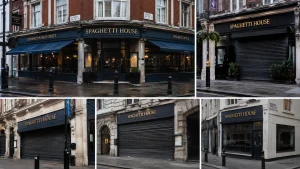
The final Spaghetti House London closures included five remaining restaurants in key central locations. These were situated in some of the capital’s busiest shopping, dining and tourist areas.
The remaining restaurants closed across Marble Arch, Carnaby, Oxford Street, Kensington and Soho. The Soho location has also been identified through reports as Cranbourn Street, while Kensington was linked to Kensington High Street.
Closed London Locations:
Location Closure Status
Marble Arch Closed
Carnaby Street Closed
Oxford Street Closed
Kensington High Street Closed
Soho / Cranbourn Street Closed
Mayfair Closed earlier
Goodge Street Closed earlier
Fitzrovia Closed earlier
The closure of these sites confirms that Spaghetti House no longer operates restaurants in London under its previous structure.
How Many Employees Were Affected by the Closures?
The closures resulted in 101 staff members being made redundant. This is one of the most serious impacts of the administration, as the end of trading affected employees across the company’s remaining restaurant estate.
For staff, restaurant closures are not just business updates. They mean job losses, uncertainty and disruption, especially in a sector where many workers rely on shift-based income.
The redundancy figure also shows the scale of the collapse. Although Spaghetti House had already reduced its estate in recent months, the closure of the final sites still affected a significant workforce.
What Did Spaghetti House Say in Its Official Closure Statement?
Spaghetti House published a message confirming that all restaurants had closed and thanking customers, partners and staff for their support over the years.
Key Comments from Luigi Lavarini
Luigi Lavarini said the decision had been made with a “heavy heart” after 70 years of serving customers. He explained that balancing increased costs with reduced customer demand had become too difficult.
His statement included:
“After 70 years of serving our loyal customers, it is with a heavy heart that we announce Lavval Restaurants Limited has entered administration and will cease trading.”
This comment underlines the emotional weight of the decision for a family-run brand with a long place in London’s dining history.
The Final Message Published on the Spaghetti House Website
The company’s website message was brief but emotional. It said that all restaurants were now closed and thanked loyal customers, partners and team members past and present.
The message also ended with the Italian word “Grazie”, reflecting the brand’s Italian heritage and long-standing relationship with London diners.
The closure statement helped confirm that the decision was final under the current business structure.
How Long Had Spaghetti House Operated in London?
Spaghetti House operated in London for around 70 years. It was founded in 1955 and became one of the capital’s most recognisable Italian restaurant brands.
The original business was associated with Goodge Street, where the first restaurant helped introduce a more accessible Italian dining experience to London. Over time, the chain expanded to several central locations and became familiar to tourists, office workers, theatre-goers and local diners.
Its long history made the Spaghetti House London closures particularly notable. Many restaurant brands come and go, but few remain part of a city’s dining landscape for seven decades.
Why Was Spaghetti House Considered an Iconic London Restaurant Chain?
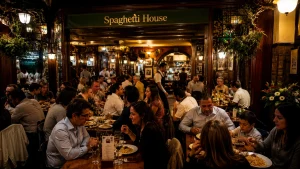
Spaghetti House was seen as iconic because of its long history, family-run background and role in making Italian dining more familiar in central London.
Founded by Simone Lavarini, with Lorenzo Fraquelli also linked to the brand’s early story, it became known as a welcoming restaurant name rather than a fine dining chain.
Key Parts of Spaghetti House’s Legacy
- Founded in 1955, giving it a long presence in London’s restaurant scene.
- Its family-run identity helped build trust and customer loyalty.
- The menu focused on familiar Italian dishes such as pasta, pizza and desserts.
- Central London locations served shoppers, tourists and local workers.
- The brand became part of London’s wider dining history.
Spaghetti House was also linked to the 1975 Knightsbridge hostage incident after a failed robbery, adding to its wider public history beyond food.
What Challenges Are Causing More UK Restaurant Closures in 2026?
The Spaghetti House administration reflects wider challenges across the UK restaurant industry. Many hospitality businesses are facing a difficult mix of rising costs and cautious consumer spending.
Important industry pressures include:
- Higher rent and property costs
- Rising wage bills
- Increased food and supply costs
- Expensive energy contracts
- Lower customer confidence
- Reduced discretionary spending
Asher Miller, partner at BTG, described the wider conditions facing the business:
“After a number of years of challenging market conditions worsened by soaring operational, employment, energy and tax costs affecting the hospitality industry, the directors of Lavval Restaurants approached BTG for advice on their available options.”
This insight shows that the closure was not caused by one single factor. Instead, it was the result of several pressures building over time.
Could Another Investor Revive the Spaghetti House Brand?
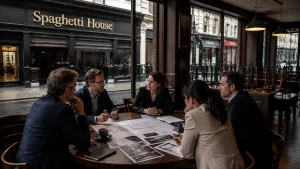
At present, the available information confirms that Lavval Restaurants entered administration and that the restaurants have closed. There is no confirmed update suggesting that another investor has taken over the Spaghetti House brand or reopened the sites.
In some restaurant administrations, brands can be sold, restructured or revived under new ownership. However, this depends on the value of the brand, lease agreements, debts, assets and buyer interest.
For Spaghetti House, its long heritage could make the name attractive in theory. However, the practical challenge would be relaunching a restaurant business in the same difficult market that contributed to its collapse.
Until administrators confirm any sale or rescue deal, the most accurate position is that Spaghetti House has ceased trading.
What Do the Spaghetti House London Closures Mean for the Future of Dining in the Capital?
The Spaghetti House London closures show how difficult the capital’s restaurant market has become, even for established names. Central London offers high footfall, tourism and visibility, but it also comes with high rent, staffing and operating costs.
The closure may encourage other restaurant operators to review their costs, locations and pricing strategies. It also highlights the changing behaviour of diners, who may now be more selective about eating out due to household budget pressures.
For London’s dining scene, the loss of Spaghetti House is symbolic. It shows that heritage alone is not always enough to protect a restaurant brand from modern commercial pressures.
Conclusion
The confirmed Spaghetti House London closures mark the end of a well-known Italian restaurant chain after around 70 years. Lavval Restaurants Limited entered administration, leading to all remaining sites closing and 101 staff redundancies.
The collapse was linked to rising costs, weaker customer spending, energy pressures, employment costs, tax burdens and wider uncertainty.
For customers, it ends a familiar dining name, while for the hospitality sector, it shows how even historic brands remain vulnerable.
FAQs About Spaghetti House London Closures
When was the first Spaghetti House restaurant opened?
The first Spaghetti House restaurant was opened in 1955. The brand went on to become one of London’s longest-running family-linked Italian restaurant chains.
Who founded the Spaghetti House restaurant chain?
Spaghetti House was founded by Simone Lavarini, with the early history of the brand also associated with Lorenzo Fraquelli. The business was known for bringing Italian dining culture to London.
Was Spaghetti House only located in London?
Spaghetti House was best known for its London restaurants, particularly in central locations popular with shoppers, workers and tourists.
What type of food was Spaghetti House known for?
Spaghetti House was known for Italian dishes, especially pasta, pizza and desserts. Its restaurants focused on accessible Italian dining rather than formal fine dining.
Did Spaghetti House close suddenly or gradually?
The final closures happened after the parent company entered administration, but several sites had already closed in recent months before the remaining restaurants shut.
What is administration in the restaurant industry?
Administration is a formal insolvency process where appointed administrators take control of a company to manage its affairs, assess options and, where necessary, wind down operations.
Are more historic UK restaurant brands at risk of closure?
Yes, other historic restaurant brands may face pressure if they are affected by rising costs, lower demand, expensive leases and reduced customer spending.