
Pukka Pies Liquidation: What Happened to the UK Supplier G.M. Jones and Sons?
 • April 24, 2026
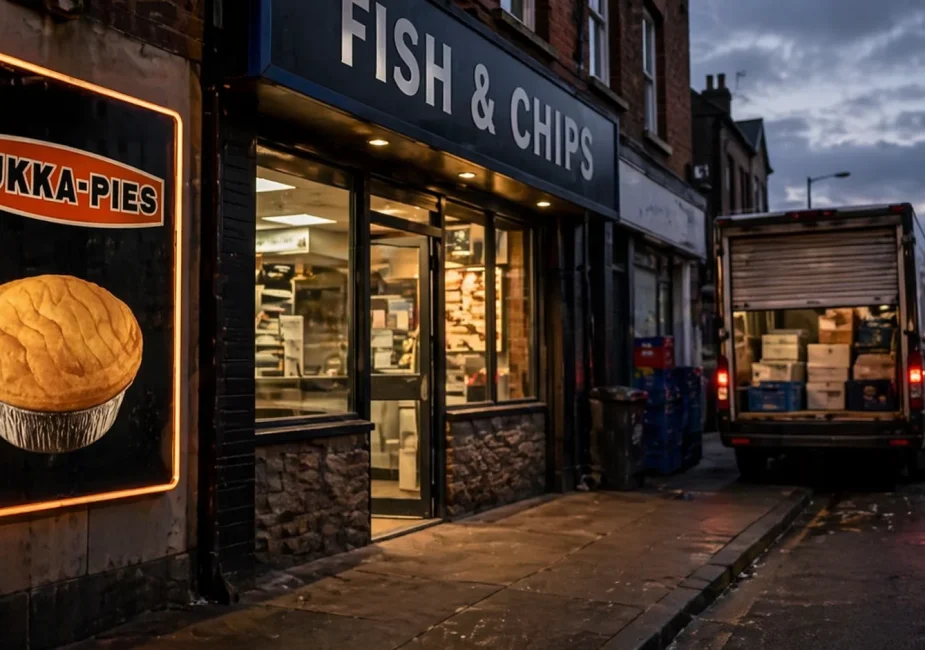
Is Pukka Pies going into liquidation, or is there more to the story behind the recent headlines?
The truth is that the Pukka Pies liquidation news actually վերաբolves around a long-standing supplier, G.M. Jones and Sons, rather than the iconic pie brand itself.
While the collapse has raised concerns across the UK food industry, supply chains remain stable for consumers.
Key takeaways:
- G.M. Jones and Sons entered liquidation after nearly 40 years
- Pukka Pies confirmed no disruption to nationwide supply
- The situation reflects wider challenges in the UK food sector
- Customers can still access Pukka products without interruption
Understanding what has really happened helps separate fact from speculation while highlighting deeper economic trends affecting British businesses.
What Is the Latest News on Pukka Pies Liquidation?

The latest developments surrounding Pukka Pies liquidation centre on the collapse of G.M. Jones and Sons, a Midlands-based food wholesaler.
The company officially entered liquidation in April after decades of supplying food products, including Pukka Pies, to businesses across the region.
Despite reporting consistent year-on-year sales growth, the company could not withstand mounting economic pressures. A liquidator, Timothy Frank Corfield of Griffin & King, has been appointed to oversee the winding-up process.
This development is not an isolated case. Across the UK, several businesses in manufacturing, logistics, and food distribution have recently entered liquidation, signalling a broader economic strain impacting even established firms.
Has Pukka Pies Gone Into Liquidation?
The short answer is no, Pukka Pies has not gone into liquidation. The confusion largely arises due to its association with G.M.
Jones and Sons, a long-standing regional supplier that has recently ceased trading. While headlines may suggest otherwise, the core business operations of Pukka Pies remain stable and unaffected.
A spokesperson for the company clarified the situation clearly:
“We want to reassure customers that there is no impact on the availability of Pukka products. Supply remains strong nationwide.”
Understanding the Difference
It is essential to distinguish between a brand and its supply network, particularly in a complex distribution environment like the UK food industry.
Many consumers assume that a supplier’s collapse directly impacts the brand, but that is not always the case.
- Pukka Pies operates with multiple suppliers across the UK
- G.M. Jones was only one distributor within a larger network
- The liquidation affects distribution at a regional level, not production
This distinction helps explain why shelves remain stocked and why the brand continues to operate without disruption.
Official Industry Response
Another official statement reinforced the company’s preparedness and resilience in handling such disruptions:
“G.M. Jones are one of many suppliers of Pukka Pies, and we have worked closely with customers to ensure continuity.”
This response highlights the importance of having a diversified supplier base, which protects brands from isolated disruptions.
Consumer Confidence Remains High
From a consumer standpoint, the impact has been minimal. Pukka Pies products are still widely available in supermarkets, takeaways, and sporting venues across the UK.
This continued availability plays a key role in maintaining customer trust and brand loyalty, even amid concerning headlines.
Who Are G.M. Jones and Sons?
G.M. Jones and Sons was a well-established UK food wholesaler with a strong footprint across the Midlands. Founded in 1989, the company spent nearly four decades building relationships with food businesses and becoming a dependable part of the regional supply chain.
Its operations were particularly focused on the fast food and catering sector, where consistency and timely delivery are critical.
The company’s product portfolio extended far beyond pies, covering a wide range of catering essentials used daily by food outlets.
The company served:
- Fish and chip shops
- Cafés and pubs
- Sporting venues
- Bakeries and butchers
- Mobile food vendors
Over time, it became recognised as “one of a handful of companies” supplying Pukka Pies in fresh, frozen, and unbaked formats. This positioned the company as an important intermediary between manufacturers and local businesses.
Why Did the Pukka Pies Supplier Enter Liquidation?
The reasons behind the Pukka Pies liquidation-related supplier collapse are complex and reflect broader economic challenges.
Key Contributing Factors
Several financial and operational pressures contributed to the downfall of G.M. Jones and Sons:
- Rising operational and energy costs
- Increased competition within the food distribution sector
- Inflation is affecting both suppliers and customers
- Pressure on margins despite steady sales growth
These factors combined to create a difficult trading environment, particularly for mid-sized, family-run wholesalers.
Industry-Wide Trends
The liquidation of G.M. Jones is not an isolated event. Across the UK, multiple businesses in manufacturing, logistics, and hospitality have entered liquidation in recent months.
This suggests a wider pattern of economic strain rather than a single company’s mismanagement.
For many businesses, even consistent revenue growth is no longer enough to offset escalating costs and reduced profit margins.
Expert Insight
An insolvency practitioner familiar with similar cases offered a broader perspective:
“Even businesses showing revenue growth can face insolvency when cost pressures outpace profitability.”
This insight underlines a key reality of today’s economic climate- profitability, not just revenue, determines sustainability.
What Areas Did G.M. Jones and Sons Supply?
G.M. Jones and Sons primarily operated in the West Midlands, Staffordshire, and Shropshire. Its logistics network ensured timely delivery to a wide range of businesses within these regions.
Key Supply Regions:
Region Primary Customers Distribution Focus
West Midlands Takeaways, pubs Core delivery hub
Staffordshire Cafés, fish shops Regional supply
Shropshire Mobile vendors Rural distribution
The company’s regional focus made it a vital link in local supply chains, particularly for independent food outlets.
Will Pukka Pies Still Be Available in the UK?
Yes, Pukka Pies products remain widely available across the UK, despite the supplier’s liquidation. The company has built a resilient and diversified supply chain that ensures continuity even when individual distributors exit the market.
Supply Continuity Breakdown:
Factor Status
Nationwide availability Unaffected
Supplier network Diversified
Customer access Stable
Production levels Normal
Pukka Pies has also taken proactive steps to support customers who previously relied on G.M. Jones. By facilitating transitions to alternative suppliers, the company has minimised disruption and ensured that businesses can continue operating smoothly.
What Has Pukka Pies Said About the Supplier Collapse?

Pukka Pies has responded swiftly to reassure both customers and partners. The company acknowledged the long-standing relationship with G.M. Jones while emphasising business continuity.
A company spokesperson stated:
“As one of our valued wholesale partners for many years, it’s sad to see them face challenges in today’s competitive market.”
This statement reflects both empathy and confidence, acknowledging the human side of business closures while reinforcing operational stability.
What Does Liquidation Mean for a UK Food Supplier?
Liquidation is a formal legal process through which a company ceases operations. It typically involves selling assets to repay creditors and settling outstanding obligations.
For a food supplier like G.M. Jones, this means:
- Ceasing all trading activities
- Selling inventory, vehicles, and equipment
- Distributing proceeds to creditors
- Ending supplier contracts
While the process is structured, it can have ripple effects across local supply chains, especially for smaller businesses dependent on a single distributor.
How Could This Affect Fish and Chip Shops, Cafes and Takeaways?
The effects of the Pukka Pies liquidation supplier collapse are most noticeable at the local level. Independent businesses such as fish and chip shops, cafés, and takeaways may face short-term disruptions as they transition to new suppliers.
In many cases, these businesses rely on established relationships and delivery schedules, so sudden changes can create operational challenges. However, support from Pukka Pies and other wholesalers is helping to ease this transition.
Most businesses are expected to adapt relatively quickly, although some may encounter temporary delays or slightly higher costs as they adjust to new supply arrangements.
What Does the G.M. Jones Collapse Say About the UK Food Industry?
The liquidation of G.M. Jones and Sons highlights deeper structural challenges within the UK food and distribution sector. Rising costs, shifting consumer demand, and increasing competition are all contributing to a more difficult operating environment.
Broader Economic Signals
This collapse is part of a wider pattern affecting multiple industries, including manufacturing and logistics. It demonstrates that even long-established, family-run businesses are not immune to economic pressures.
Real Customer Perspective
From an observational standpoint, one takeaway owner in Birmingham shared a candid experience:
“We relied on them for years—switching suppliers overnight wasn’t easy, but we’ve managed. Costs have gone up though.”
From my perspective, this reflects a broader trend of resilience mixed with financial strain. Businesses are adapting, but often at the expense of higher operational costs.
Long-Term Implications
Looking ahead, the industry may experience several key shifts:
- Increased consolidation among suppliers
- Greater emphasis on supply chain diversification
- Rising costs potentially passed on to consumers
These trends suggest a changing landscape where flexibility and efficiency will become even more critical.
Key Facts About the Pukka Pies Supplier Liquidation
The table below provides a concise overview of the key facts surrounding the Pukka Pies supplier liquidation, highlighting essential details about G.M. Jones and Sons.
Detail Information
Company G.M. Jones and Sons
Founded 1989
Industry Food wholesaler
Regions Served West Midlands, Staffordshire, Shropshire
Liquidator Timothy Frank Corfield
Impact on Pukka Pies No supply disruption
These key facts summarise the situation clearly, confirming that while the supplier has ceased operations, Pukka Pies continues to operate without disruption across the UK.
What Should Customers Know About Pukka Pies Availability?
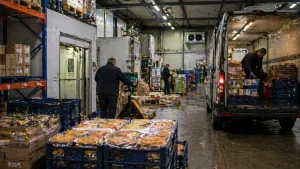
For everyday consumers, the key takeaway is simple, there is no shortage of Pukka Pies. Products remain readily available across supermarkets, takeaways, and other food outlets nationwide.
The company’s well-established supplier network ensures continuity and stability, reducing the risk of disruption.
While the supplier’s liquidation is significant within the industry, it has not translated into noticeable changes for customers purchasing Pukka products.
Overall, the situation reinforces the importance of strong supply chain management in maintaining product availability and customer confidence.
Conclusion
The Pukka Pies liquidation story is less about the brand itself and more about the challenges facing UK suppliers.
G.M. Jones and Sons’ collapse marks the end of a long-standing business, but it also highlights the resilience of larger supply networks.
While local disruptions may occur, the broader market remains stable. For consumers, there is little immediate impact. For the industry, however, the event serves as a reminder of the importance of adaptability in an increasingly competitive and costly environment.
FAQs About Pukka Pies Liquidation
Is Pukka Pies going out of business?
No, Pukka Pies is not going out of business. The liquidation relates to one of its suppliers, not the brand itself, and operations continue as normal.
Did Pukka Pies itself enter liquidation?
No, Pukka Pies has confirmed that it remains financially stable and continues to operate with multiple suppliers across the UK.
Who supplied Pukka Pies in the West Midlands?
G.M. Jones and Sons was one of the key suppliers in the West Midlands, distributing products to various food outlets.
What does liquidation mean for G.M. Jones and Sons?
Liquidation means the company will cease operations, sell its assets, and use the proceeds to repay creditors.
Will shops still be able to buy Pukka Pies?
Yes, shops can still purchase Pukka Pies through alternative suppliers within the company’s distribution network.
Why are UK food suppliers facing financial pressure?
Rising costs, inflation, and competitive market conditions are putting significant pressure on margins across the industry.
What happens to customers when a wholesaler goes into liquidation?
Customers typically need to switch to alternative suppliers, which can cause short-term disruption but is usually resolved quickly.