Lloyds Bank Data Breach Update 2026 – What Customers Need to Know?
 • April 29, 2026
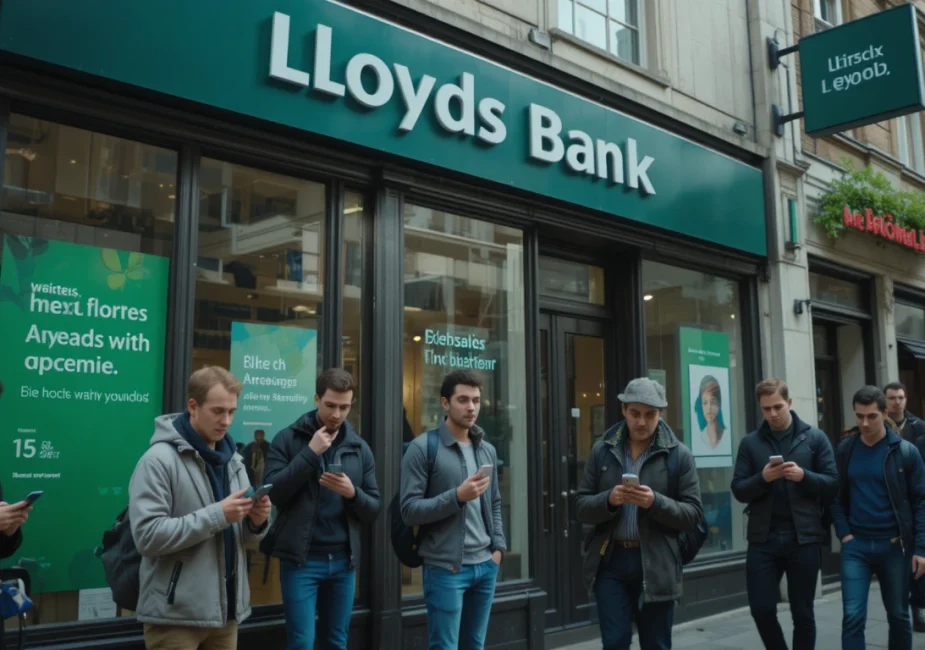
The Lloyds Bank data breach update 2026 has raised serious concerns across the UK, with hundreds of thousands of customers potentially affected by an unexpected IT glitch.
If you use Lloyds, Halifax, or Bank of Scotland, you may be wondering whether your data was exposed and what steps to take next. The issue, caused by a software defect during an overnight update, led to customers briefly seeing other people’s financial information.
While Lloyds insists no financial losses have been recorded, the scale of the breach has made it one of the most talked-about banking incidents of the year.
Key highlights:
- Over 500,000 customers were potentially affected
- The issue stemmed from a technical glitch, not a cyberattack
- Sensitive transaction data may have been visible
- Lloyds has paid compensation for distress and inconvenience
Understanding the full impact is essential to protecting your finances moving forward.
What Is the Latest Lloyds Bank Data Breach Update 2026?
The latest Lloyds Bank data breach update 2026 confirms that the situation is more widespread than initially reported.
What began as an app malfunction affecting nearly 450,000 users has now expanded to include over 80,000 additional joint account holders.
According to official updates, the total number of potentially affected individuals exceeds 527,000. The incident involved customers from across Lloyds Banking Group, including Halifax and Bank of Scotland.
Here is a clear breakdown of the latest figures:
Customer Impact Overview
Category Number of Customers
Customers who logged into app 446,915
Customers who viewed transaction details 107,937
Additional joint account holders 80,508
Total potentially affected 527,000+
This expanding scope highlights why the breach has drawn scrutiny from regulators and the UK Treasury Committee. The bank has emphasised transparency and customer reassurance, but the scale alone has kept it firmly in the spotlight.
What Happened During the Lloyds Bank App Glitch?
The root cause of the breach was a software defect introduced during an overnight IT update on 12 March 2026. This error caused a temporary failure in how customer data was displayed within the mobile banking app.
Instead of showing users their own financial information, the system occasionally displayed transaction details belonging to other customers.
This included highly sensitive financial data, raising immediate concerns about privacy and data protection compliance.
A senior bank official stated:
“The incident was caused by a software defect introduced during a routine update, and we acted quickly to resolve the issue and secure customer data.”
How the Glitch Affected Users?
- Customers logging into the app saw unfamiliar transactions
- Some users could click into detailed payment information
- Joint account holders were indirectly affected
- The issue was temporary but widespread
This combination of visibility and access made the incident particularly alarming, even though it was quickly contained.
Systems and Response
- The fault was identified and fixed within hours
- Lloyds issued alerts via its banking apps
- Internal investigations were launched immediately
These actions were aimed at restoring customer confidence and ensuring that such a failure does not recur.
Real Customer Experience:
I came across a case while researching where a Bank of Scotland customer described the shock of seeing someone else’s financial activity.
One customer shared:
“I logged in expecting to check my balance, but instead I saw salary payments and transactions that clearly weren’t mine. It was alarming.”
This kind of experience highlights how unsettling the glitch was, even if it was short-lived. The bank has since strengthened its monitoring processes, but the incident remains a cautionary example of how even routine updates can go wrong.
How Many Lloyds, Halifax and Bank of Scotland Customers Were Affected?
The number of affected customers has been one of the most critical aspects of the Lloyds Bank data breach update 2026. Initially estimated at just under 450,000, the figure has grown significantly following further investigation.
The revised data shows that:
- Hundreds of thousands of users were directly exposed
- Over 100,000 may have accessed detailed financial data
- Joint account holders added another layer of impact
This brings the total to over half a million individuals, making it one of the largest recent banking data incidents in the UK.
Impact Breakdown by Category:
Type of Impact Description
Direct exposure Customers saw incorrect transactions
Detailed access Users clicked into transaction data
Indirect exposure Joint account holders affected
External visibility Limited exposure beyond app
The bank also clarified that some figures were revised due to duplication in earlier estimates, showing the complexity of assessing large-scale incidents like this.
What Personal or Financial Data Was Exposed?
One of the most concerning aspects of the breach is the type of data that may have been visible. While not all customers saw sensitive information, those who clicked into transactions could have accessed detailed financial records.
The exposed information may have included names, account details, sort codes, payment references, and in some cases, National Insurance numbers.
Types of Data Potentially Exposed:
Data Type Risk Level
Transaction history Medium
Account numbers and sort codes High
Names and identifiers Medium
National Insurance numbers High
Payment references Medium
Although Lloyds Bank has stated that there is no evidence of widespread misuse, the presence of such data underscores the seriousness of the incident. Customers are advised to remain vigilant, especially against phishing attempts.
Were Joint Account Holders Also Affected by the Lloyds Data Breach?

Yes, joint account holders were significantly impacted in ways that were not immediately obvious. Even if you did not log into the app during the glitch, your data may still have been visible to another user linked to the same account.
This added layer increased the total number of affected individuals and complicated the bank’s response strategy. Notifications were sent to these customers through app alerts, ensuring they were aware of the situation.
This aspect of the breach highlights how interconnected banking data can create wider exposure, even when users are not actively engaging with their accounts.
Has Lloyds Bank Confirmed Any Fraud or Financial Loss?
Despite the scale of the breach, Lloyds has consistently stated that there is no evidence of increased fraud or direct financial loss linked to the incident.
A bank representative explained:
“Our analysis shows no statistically significant increase in fraud linked to the incident, and we have not identified customers suffering financial loss as a result.”
This reassurance is important, but it does not eliminate the risk entirely. Cybersecurity experts warn that data breaches often lead to delayed fraud attempts, particularly through scams and impersonation tactics.
Is Lloyds Bank Paying Compensation After the Data Breach?

Lloyds has issued compensation, but it is important to understand that these payments are not for financial loss. Instead, they are offered as goodwill gestures for distress and inconvenience.
Compensation Figures
- Over £201,000 has been paid to approximately 5,250 customers
- An additional £62,000 was distributed to 1,625 more customers in later updates
- Individual payments vary, with some customers receiving modest amounts depending on their situation
- In broader estimates, total payouts have exceeded £260,000, reflecting ongoing case reviews
These figures show that while the bank has taken steps to acknowledge customer concerns, the compensation amounts are generally modest and not intended as full financial redress.
How Payments Are Decided?
- Compensation is based on the level of distress or inconvenience experienced by the customer
- Payments are not tied to fraud or financial loss, as none has been officially recorded
- Each case is reviewed individually, taking into account factors such as data exposure and customer impact
- Customers may be required to provide details or evidence when raising a complaint
This case-by-case approach ensures flexibility, but it also means outcomes can differ significantly between customers.
Real Customer Perspective:
During my research, I noted feedback from a customer who received compensation.
They explained:
“The payment wasn’t huge, but it acknowledged the stress caused. It was more about reassurance than the money itself.”
This reflects the bank’s approach, focused on maintaining trust rather than addressing financial damage. If you believe your case warrants compensation, contacting Lloyds directly is the first step.
What Should You Do If You Were Affected by the Lloyds Bank Data Breach?
If you are concerned about your data, act quickly and stay alert. Start by logging into your banking app, checking for alerts, and reviewing recent transactions. Keep monitoring your account over the next few days for anything unusual.
To reduce your risk:
- Check your account activity and recent payments
- Look for alerts or notifications from your bank
- Watch for unfamiliar transactions
Data breaches can lead to scams, so stay cautious. Fraudsters may pose as Lloyds, so be careful with unexpected calls, emails, or texts.
Stay protected by following these basics:
- Avoid clicking suspicious links or attachments
- Never share your banking details or passwords
- Ignore unsolicited calls asking for information
If you notice anything unusual, contact Lloyds immediately and report it. Keep a record of your communication in case you need to escalate.
Taking these steps can significantly reduce your risk and help you stay in control of your financial security. Staying proactive is essential in the aftermath of any data breach.
Can You Complain to Lloyds Bank or the Financial Ombudsman?
If you are unhappy with how Lloyds has handled your issue, you have the right to complain.
Start by contacting the bank directly and clearly explain your concern, including any evidence showing how the breach has affected you. Lloyds will review your case and provide a response, usually within a set timeframe.
If you are not satisfied with the outcome, you can escalate your complaint to the Financial Ombudsman Service. This independent body looks into disputes between customers and financial institutions and makes fair decisions.
This process helps ensure accountability and gives you an extra layer of protection and support.
What Does This Incident Mean for UK Banking Data Security?
The Lloyds Bank data breach update 2026 raises broader concerns about the reliability of digital banking systems. While cyberattacks often dominate headlines, this incident shows that internal technical failures can be just as disruptive.
The UK banking sector has experienced numerous IT failures in recent years, prompting increased scrutiny from regulators. This incident may lead to stricter oversight, improved testing protocols, and stronger safeguards across the industry.
Ultimately, it serves as a reminder that even established financial institutions must continuously evolve to protect customer data.
Lloyds Bank Data Breach Update 2026: Key Facts at a Glance
The key facts provide a quick summary of everything you need to know.
- Incident date: 12 March 2026
- Cause: Software defect during update
- Affected brands: Lloyds, Halifax, Bank of Scotland
- Customers impacted: Over 527,000
- Compensation paid: Over £200,000
- Fraud impact: No confirmed increase
These figures highlight both the scale of the breach and the response efforts taken by Lloyds.
Conclusion
The Lloyds Bank data breach update 2026 is a serious event, but it does not necessarily mean your finances are at immediate risk. The absence of confirmed fraud and the swift resolution of the issue are reassuring factors.
However, the exposure of sensitive financial data means you should remain cautious. Monitoring your account, staying alert to scams, and understanding your rights are all essential steps.
While Lloyds has taken action to address the issue, the incident underscores the importance of vigilance in today’s digital banking environment.
FAQs About Lloyds Bank Data Breach Update
What caused the Lloyds Bank data breach in 2026?
The breach was caused by a software defect introduced during an overnight IT update, which temporarily affected how customer data was displayed.
Was Lloyds Bank hacked?
No, the incident was not a cyberattack. It was an internal technical glitch rather than an external security breach.
How do you know if your Lloyds account was affected?
You may receive an alert within your banking app or communication from Lloyds informing you of potential exposure.
What should you do if your bank details were exposed?
Check your account regularly, report suspicious activity, and remain cautious of phishing scams.
Can you get compensation from Lloyds Bank?
Yes, Lloyds has offered goodwill payments for distress and inconvenience, depending on individual circumstances.
Were Halifax customers affected by the Lloyds data breach?
Yes, customers of Halifax and Bank of Scotland were also impacted as part of Lloyds Banking Group.
Is online banking still safe after the Lloyds breach?
Yes, online banking remains secure overall, but incidents like this highlight the need for vigilance.
Can you escalate your complaint if unsatisfied?
Yes, you can take your complaint to the Financial Ombudsman Service if you are not satisfied with Lloyds’ response.