
Ford, Vauxhall and Austin Tax Exemption in 2026 – April Change for Pre-1986 Cars
 • April 27, 2026

The Ford, Vauxhall, and Austin tax exemption introduced in April 2026 brings significant relief to UK drivers, particularly those owning classic vehicles.
Cars built before 1 January 1986 now qualify for £0 Vehicle Excise Duty (VED) under the rolling 40-year rule. However, this benefit is not automatic, drivers must actively register their vehicles with the DVLA to secure the exemption.
Key takeaways:
- Vehicles over 40 years old qualify for tax exemption
- Applies to Ford, Vauxhall, Austin and other classic models
- Owners must reclassify vehicles as “historic”
- £0 tax still requires official registration
- MOT exemptions may also apply under conditions
This change highlights both financial savings and growing interest in preserving the UK’s motoring heritage.
What Is the Ford Vauxhall Austin Tax Exemption and Why Is It Changing in 2026?
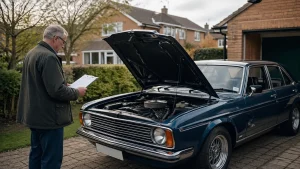
The Ford, Vauxhall, and Austin tax exemption is part of the UK’s long-standing historic vehicle policy, which removes Vehicle Excise Duty (VED) for cars over 40 years old. This rule is not new, but the April 2026 update expands eligibility to include vehicles manufactured before 1 January 1986.
The system works on a rolling basis, meaning each year more vehicles become eligible as they cross the 40-year threshold. This ensures that classic vehicles are gradually included without requiring constant legislative changes.
From a policy standpoint, the change reflects two key priorities: preserving automotive heritage and recognising that older vehicles are typically driven less frequently.
As a result, the tax burden on these vehicles is reduced to encourage maintenance rather than disposal.
A DVLA spokesperson explains:
“The historic vehicle tax exemption is designed to balance heritage preservation with practical taxation, ensuring older vehicles remain part of the UK’s motoring landscape without excessive financial burden.”
This shift is particularly relevant now, as rising tax costs for mid-aged vehicles have led to increased scrappage rates. By contrast, vehicles qualifying for the exemption benefit from significantly reduced ownership costs.
Which Ford, Vauxhall and Austin Cars Are Now Tax Free in the UK?
Many of the vehicles now qualifying under the tax exemption were once among the most popular cars in Britain. These models dominated roads in the 1980s and are now transitioning into classic status.
Notable tax-free models include:
- Ford Escort
- Ford Sierra
- Ford Fiesta
- Ford Granada
- Vauxhall Astra
- Vauxhall Cavalier
- Austin Metro
- Austin Maestro
- Austin Montego
These cars were mass-produced and widely owned, making their transition into tax-free status particularly impactful for a large number of UK drivers.
Popular 1986 Cars Now Eligible for Tax Exemption
Brand Model Category Status (2026)
Ford Escort Family Car Tax Free
Ford Sierra Mid-size Saloon Tax Free
Vauxhall Cavalier Executive Car Tax Free
Vauxhall Astra Hatchback Tax Free
Austin Metro Supermini Tax Free
Austin Maestro Hatchback Tax Free
These vehicles are not only financially beneficial to own but also represent a nostalgic and cultural connection to British motoring history.
Who Qualifies for the Ford Vauxhall Austin Tax Exemption in 2026?

Eligibility for the Ford, Vauxhall, and Austin tax exemption depends on several clearly defined criteria set by the DVLA.
Key eligibility requirements:
- The vehicle must be over 40 years old
- It must not have undergone substantial modifications in the past 30 years
- It must not be used for commercial purposes
- It must be registered as a historic vehicle
“Substantial changes” typically include alterations to the chassis, engine, or body structure. Minor restorations or repairs do not affect eligibility, but major modifications may disqualify the vehicle.
Eligibility Criteria Overview:
Criteria Requirement
Vehicle Age Over 40 years
Modifications No major changes in 30 years
Usage Non-commercial only
Registration Must be DVLA historic classification
A transport policy expert notes:
“The exemption is not simply about age; it’s about preserving authenticity. Vehicles that retain their original character are central to the scheme.”
Understanding these criteria is essential, as failure to meet even one condition can result in continued tax liability.
How Can Drivers Apply for Historic Vehicle Tax Exemption with the DVLA?
Applying for the Ford, Vauxhall and Austin tax exemption is relatively straightforward, but it requires careful attention to detail.
A common misconception is that the exemption is applied automatically once a vehicle reaches 40 years of age.
In reality, drivers must take formal steps to update their vehicle’s status with the DVLA before any financial benefit is applied.
Step-by-Step DVLA Application Process
To qualify for historic vehicle status, drivers must apply through the Driver and Vehicle Licensing Agency.
This involves updating the vehicle’s classification by submitting the V5C logbook and ensuring all registration details are accurate and current.
In some cases, additional documents may be needed to verify the vehicle’s age and originality.
Step-by-step Process:
- Submit V5C logbook with correct details
- Provide supporting proof if required
- Apply for historic vehicle classification
Once approved, the vehicle becomes eligible for £0 Vehicle Excise Duty. However, it must still be taxed annually, even with no payment, to avoid penalties.
Common Mistakes to Avoid
Many drivers fail to complete the reclassification process correctly, which delays or prevents the exemption. Others assume that once a car turns 40, all benefits apply automatically without any administrative action.
Common errors include submitting incomplete documentation, not updating the V5C, or misunderstanding eligibility requirements, such as modification rules.
Some drivers also incorrectly assume that the MOT exemption is granted at the same time, which is not always the case.
A DVLA official highlights:
“Drivers must actively apply for historic status. The exemption does not take effect until the vehicle is correctly registered within DVLA systems.”
Do You Still Need to Pay Tax or MOT for Classic Cars in the UK?

Even with the Ford, Vauxhall and Austin tax exemption, vehicle owners must continue to meet certain legal obligations. While the financial burden of VED is removed, the administrative responsibility of taxing the vehicle each year still applies.
In practical terms, this means drivers must renew their vehicle tax annually, even if the amount due is £0. Failure to do so can lead to enforcement action, including fines.
MOT requirements are slightly different. Vehicles over 40 years old are generally exempt from MOT testing, but only if they have not undergone significant modifications. Despite this exemption, the law still requires that all vehicles on the road are safe and roadworthy.
This creates a dual responsibility for owners: they benefit from reduced costs but must remain diligent in maintaining their vehicle’s condition and compliance with road safety standards.
Why Are Older Cars Being Scrapped Despite Tax Exemptions?
Despite the benefits of the tax exemption, many older vehicles are still being scrapped. The issue lies primarily with cars aged between 20 and 39 years, which do not qualify for exemption but often face high tax rates.
Key reasons for increased scrappage:
- High VED costs relative to vehicle value
- CO2-based tax bands penalising older engines
- Maintenance costs exceeding resale value
- Lack of intermediate tax relief
High CO2 Vehicle Tax Rates (2026):
CO2 Emissions (g/km) Annual Tax
201–225 £445
226–255 £760
Over 255 £790
In many cases, owners of older cars face tax bills that represent up to 50% of the vehicle’s total value.
Real-life example:
While researching this topic, one Ford Mondeo owner shared their experience:
“I loved the car, but paying nearly £700 a year in tax for something worth £1,200 just didn’t make sense anymore.”
This financial imbalance is a key driver behind the growing number of vehicles being scrapped prematurely.
Is Keeping Older Ford, Vauxhall and Austin Cars Better for the Environment?

The environmental argument surrounding the Ford, Vauxhall and Austin tax exemption is increasingly important. While older cars may produce higher emissions per mile, the overall lifecycle impact tells a different story.
Manufacturing a new vehicle can generate over 17 tonnes of CO2, making the production phase a major contributor to environmental impact.
From a sustainability perspective, extending the lifespan of existing vehicles can reduce overall emissions, particularly for drivers with low annual mileage.
A sustainability analyst explains:
“Extending a vehicle’s lifespan significantly reduces its environmental footprint, as the embedded carbon from manufacturing is spread over a longer period.”
What Are the Current UK Car Tax Rates (2026 Update)?
Understanding current tax rates helps put the tax exemption into context. The UK’s VED system is primarily based on CO2 emissions, which means older vehicles with less efficient engines often fall into higher tax bands.
UK Vehicle Tax Rates (2026)
CO2 Emissions (g/km) Annual VED
Up to 100 £20
101–120 £35
121–150 £170–£225
151–200 £275–£410
201–255 £445–£760
Over 255 £790
These figures demonstrate the financial advantage of qualifying for historic vehicle status. For eligible vehicles, the reduction from several hundred pounds per year to £0 represents a substantial saving.
Are There Future Changes Planned for Car Tax on Older Vehicles?

There is growing public interest in expanding tax relief beyond the current 40-year threshold. A petition proposing a 50% tax reduction for vehicles aged 20 to 39 years has gained significant traction.
However, the government has indicated that there are currently no plans to implement such changes.
This ongoing debate reflects broader concerns about affordability, sustainability, and the preservation of automotive heritage.
What Should UK Drivers Do Now to Benefit from the Tax Exemption?
For drivers looking to benefit from the Ford, Vauxhall and Austin tax exemption, taking timely and informed action is essential.
The first step is to confirm whether your vehicle meets the eligibility criteria, particularly the age requirement and originality standards.
Vehicles that have undergone significant modifications may not qualify, so it’s important to review this carefully.
Key steps to follow:
- Check if your vehicle meets the historic age requirement
- Review modification status to ensure eligibility
- Apply for reclassification through the Driver and Vehicle Licensing Agency
- Ensure all documents, including the V5C logbook, are accurate and updated
- Continue annual tax renewal, even if no payment is required
By following these steps, drivers can maximise the benefits of tax exemption while avoiding potential penalties or compliance issues.
Conclusion
The Ford Vauxhall Austin tax exemption introduced in April 2026 marks an important shift in UK motoring policy.
It reduces costs for classic car owners while encouraging preservation and sustainability. However, the benefit is not automatic, and drivers must ensure proper DVLA registration and eligibility.
Overall, the exemption delivers both financial relief and environmental value, making it a significant and practical development for motorists across the UK.
Frequently Asked Questions
What year cars qualify for tax exemption in 2026?
Cars built before 1 January 1986 qualify for tax exemption in April 2026 under the 40-year rolling rule.
Do I need to apply for the tax exemption?
Yes, drivers must reclassify their vehicle as historic with the DVLA to receive the £0 tax rate.
Are all classic cars exempt from MOT?
Not all. Only vehicles over 40 years old without substantial modifications qualify for MOT exemption.
Can I use a tax-exempt car for business purposes?
No, vehicles used commercially are not eligible for the tax exemption.
Does the exemption apply automatically each year?
No, the vehicle must be correctly registered, and tax must still be renewed annually at £0.
Why are some older cars still taxed heavily?
Vehicles aged 20–39 years do not qualify and are often subject to high CO2-based tax rates.
Will the government extend tax relief to newer vehicles?
Currently, there are no confirmed plans, although petitions and public pressure continue to grow.