
Can You Work While Claiming PIP? UK Rules Explained
 • August 5, 2026
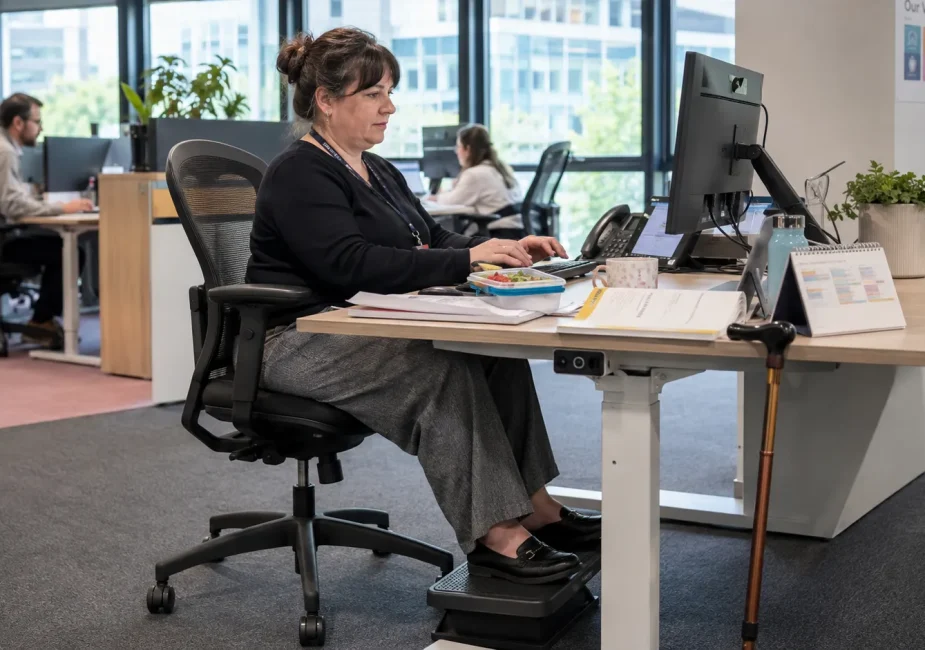
Yes, you can work while claiming PIP. Personal Independence Payment is based on how a long-term health condition or disability affects your daily living and mobility, not whether you are employed.
You can receive PIP while working full-time or part-time, running a business, volunteering or looking for work. Your wages, savings and number of working hours do not directly reduce your PIP payments.
GOV.UK confirms that people can receive PIP while working or holding savings.
What is PIP and How Does It Differ From an Out-of-work Benefit?

PIP helps with some of the additional living costs associated with a long-term physical or mental health condition or disability.
It has two components:
- Daily living, covering difficulties with everyday activities
- Mobility, covering difficulties with moving around or planning and following journeys
Eligibility depends on how safely, repeatedly and effectively you can complete relevant activities, including whether you need assistance or equipment. PIP is not an unemployment benefit and is not intended to replace wages.
Does Working Affect PIP Payments?
Working does not automatically affect your PIP award. There is no fixed earnings limit or maximum number of hours you may work while receiving it.
| Working arrangement | Does it automatically stop PIP? |
|---|---|
| Full-time employment | No |
| Part-time employment | No |
| Self-employment | No |
| Voluntary work | No |
This means you could work 10, 20 or 40 hours a week and remain eligible, provided you continue to meet the daily living or mobility criteria.
However, the activities you perform at work may be relevant if they appear inconsistent with the difficulties described in your claim.
The context matters: a person may be able to work because of home working, specialist equipment, flexible hours, assistance from colleagues or substantial recovery time.
There is no separate PIP working-hours rule. For a closer look at this issue, see our guide answering how many hours can I work on PIP?.
Will Starting Work Trigger a PIP Reassessment?
The Right to Try regulations came into effect on 30 April 2026. They clarify that undertaking paid work or voluntary work will not, by itself, lead to a reassessment of a PIP award.
This protection does not mean employment can never be discussed during a future review.
Information about the type of work you perform may still be considered when it is relevant to your functional ability. Starting a job alone, however, is not evidence that your disability-related needs have ended.
Do You Need to Tell the DWP When You Start Work?

PIP claimants do not have to report starting work simply because their employment status has changed. Official government material confirms that starting work is not listed as a PIP change of circumstances that must be reported.
You must contact the PIP enquiry line if there is a relevant change to your needs or circumstances. Examples include:
- Needing more or less help with daily living or mobility activities
- Being told that your condition will last for a different period
- Going into hospital, a hospice, residential care or detention
- Planning to travel abroad for more than four weeks
- Changes to your address, bank account or other personal details
Depending on the change, your award could increase, decrease, remain unchanged or stop.
Can You Work While Claiming PIP?
Answer three quick questions and use the evidence checklist to better understand what starting or continuing work could mean for your PIP.
Check Your Working Situation
Choose the answers that most closely match your circumstances.
What type of work are you doing or considering?
Have your daily living or mobility needs changed?
Do you also receive Universal Credit?
Build Your Workplace Evidence Checklist
Select the records or evidence you already keep about how your condition affects you at work.
Start by selecting any workplace evidence you already have.
Can Your Job Be Considered During a PIP Review?
A job does not necessarily show that you can complete PIP activities without difficulty. Nevertheless, the DWP may consider relevant information about your work when reviewing your functional abilities.
For example, it may be important to explain:
- Adjustments provided by your employer
- Tasks you cannot perform
- Help received from colleagues
- Flexible hours or home-working arrangements
- Additional breaks
- Pain, fatigue or distress caused by working
- Support needed before or after a shift
Your explanation should show the complete picture rather than simply stating that you work. If your needs have changed, a scheduled review can result in PIP being increased, reduced or stopped.
Can Earnings Affect Other Benefits Received Alongside PIP?
Although earnings do not directly reduce PIP, they may affect means-tested benefits received alongside it.
Universal Credit, for example, is calculated using household circumstances and earnings.
Subject to any applicable work allowance, Universal Credit normally decreases by 55p for every additional £1 earned. Claimants should therefore check each benefit separately when starting work or increasing their hours.
The system also differs across the UK. New disability benefit claims in Scotland are generally made for Adult Disability Payment rather than PIP.
Northern Ireland continues to administer PIP separately, where official guidance also states that starting or finishing work does not need to be reported unless the claimant’s support needs change.
What Should You Do When Starting Work?

Keep records showing how your condition affects you both inside and outside the workplace. These may include details of reasonable adjustments, reduced duties, assistance, absences and recovery time.
Review the information provided in your original claim and report any genuine change in your daily living or mobility needs.
You should also check how your wages could affect Universal Credit or other income-related support.
Conclusion
Can you work while claiming PIP? Yes. Employment, working hours and wages do not automatically end or reduce a PIP award.
Your entitlement continues to depend on how your condition affects daily living and mobility. Starting work does not need to be reported by itself, but relevant changes to your support needs or circumstances must be reported promptly.
Frequently asked questions
Is there a limit on how many hours you can work while claiming PIP?
No. PIP has no fixed working-hours limit because it is not based on your employment status or earnings.
Can you work full-time and still receive PIP?
Yes. Full-time employment does not automatically prevent you from qualifying for or continuing to receive PIP.
Does starting a job automatically trigger a PIP review?
No. Under the Right to Try rules, starting paid or voluntary work alone should not trigger a reassessment.
Can self-employed people claim PIP?
Yes. Self-employed people can claim PIP if they satisfy the applicable daily living or mobility criteria.
Does voluntary work affect PIP?
Volunteering does not automatically affect PIP, although relevant activities may be considered as evidence during a future assessment.
Do you need to report an increase in working hours?
Not for PIP alone, unless it is connected to a relevant change in your daily living or mobility needs.
Will working affect Universal Credit as well as PIP?
Earnings may reduce Universal Credit even when your PIP remains unchanged, as Universal Credit is means-tested.