
London Tube Strike: Underground Station Closures 2026
 • June 1, 2026
Key Takeaways:
- RMT members are prepared to proceed with strike action unless negotiations result in a satisfactory agreement.
- TfL continues discussions aimed at avoiding disruption across the London Underground network.
- Potential station closures and service reductions could affect millions of passenger journeys.
- Businesses and commuters may experience delays, increased travel times and additional costs.
- Alternative transport options, including buses, rail services and cycling routes, may face increased demand.
- The outcome of ongoing negotiations will determine whether planned strikes proceed.
Latest London Tube Strike Update – June 2026
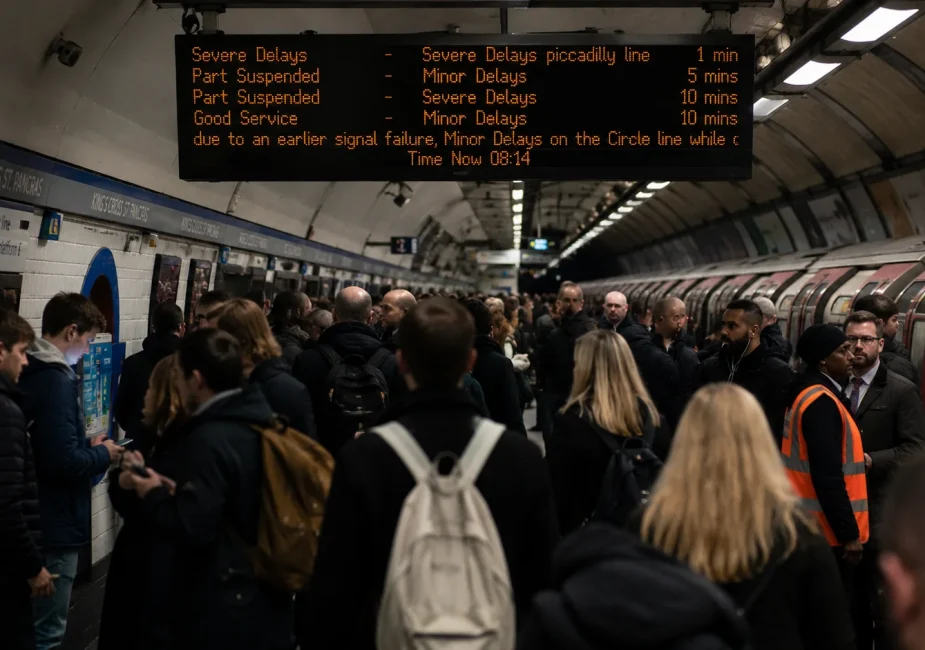
As of 1 June 2026, planned strike action by RMT members remains scheduled to go ahead on 2 June and 4 June. Negotiations between TfL and union representatives are continuing, but no formal agreement has yet been announced.
TfL has warned passengers that some Underground lines could experience significant disruption if strike action proceeds, while recovery delays may also affect services on the days following the strikes. Travellers are advised to check live travel updates before starting their journeys.
What Is Behind the London Tube Strike in 2026?

The London Tube strike has emerged as one of the most closely watched transport disputes of 2026. At the centre of the disagreement are concerns raised by RMT members regarding pay arrangements, staffing levels and working conditions across the London Underground network.
Industrial action within London’s transport sector is not uncommon, but each dispute brings significant attention due to the crucial role the Underground plays in daily life. Millions of people depend on Tube services for commuting, business travel and leisure journeys.
The latest dispute highlights the ongoing challenge of balancing workforce expectations with the financial realities faced by transport operators. As discussions continue, passengers remain uncertain about the potential impact on services.
Overview of the Current Industrial Dispute
The current dispute involves negotiations between TfL management and representatives of the RMT. Union officials argue that staff concerns have not been adequately addressed and that further action may be necessary to secure improvements.
TfL, meanwhile, maintains that it is committed to finding a fair resolution through dialogue while protecting the long-term sustainability of London’s transport network.
Why Are RMT Members Taking Strike Action?
RMT members argue that a combination of workplace pressures and financial concerns has contributed to growing dissatisfaction among staff. Union representatives believe employees deserve fair treatment and compensation that reflects their responsibilities within one of the world’s busiest transport systems.
The cost-of-living challenges experienced across the UK have intensified discussions around pay settlements. Many workers have expressed concerns that current arrangements do not fully reflect rising household expenses.
Beyond pay, staffing levels and working practices have become major points of contention. Employees are seeking assurances regarding workload management, job security and operational expectations.
In addition to pay and staffing concerns, one of the key issues in the current dispute involves proposed changes to working arrangements on the London Underground. Union representatives have raised concerns about new roster patterns and longer working shifts linked to proposals for a four-day working week.
The RMT argues that the changes could affect employee wellbeing and operational safety, while TfL maintains that the proposals would modernise working practices and improve efficiency.
Pay, Working Conditions and Staffing Concerns
Several key issues have been identified during negotiations:
| Issue | Union Concerns | Potential Impact |
|---|---|---|
| Pay Settlements | Compensation keeping pace with living costs | Employee retention and morale |
| Staffing Levels | Adequate workforce availability | Service reliability |
| Working Conditions | Workload and shift arrangements | Staff wellbeing |
| Job Security | Future workforce planning | Long-term stability |
These concerns continue to shape negotiations as both parties attempt to find common ground.
How Has Transport for London Responded to the Strike Threat?
TfL has consistently stated that its priority is maintaining a safe, reliable and affordable transport system for London residents and visitors. Officials have emphasised their willingness to continue discussions with union representatives to avoid disruption.
The organisation faces the difficult task of balancing workforce demands with financial constraints. Maintaining service quality while managing operational budgets remains a significant challenge.
TfL has encouraged passengers to remain informed through official service updates while negotiations continue.
David Harper, a transport policy consultant, explained: “Transport authorities often face a delicate balancing act during industrial disputes. The challenge lies in addressing employee concerns while ensuring long-term financial stability and service reliability for passengers.”
TfL’s Position on Ongoing Negotiations
TfL’s position centres on achieving a negotiated settlement that protects passengers from disruption while ensuring responsible management of public transport resources.
Officials have repeatedly expressed optimism that constructive discussions can still prevent strike action.
What Issues Remain Unresolved Between TfL and the RMT?
Despite ongoing discussions, several key disagreements remain unresolved. Negotiators continue to debate matters relating to compensation, staffing requirements and workplace arrangements.
Industrial disputes often involve multiple interconnected issues, making agreements difficult to achieve quickly. Both parties may agree on some matters while remaining far apart on others.
The complexity of the negotiations means that even small disagreements can delay a final settlement.
How Close Are TfL and RMT to Reaching an Agreement?
At present, both sides remain engaged in discussions, but no breakthrough has been announced. The willingness of both parties to continue negotiations suggests that opportunities for compromise still exist.
Historically, transport disputes have occasionally been resolved shortly before planned industrial action begins. However, until an agreement is formally confirmed, uncertainty remains.
The Latest Developments in Negotiations
Recent meetings have focused on narrowing differences and exploring potential solutions. While progress may have been made in some areas, significant issues reportedly remain under discussion.
Passengers are therefore advised to monitor developments closely.
Could the June 2026 London Tube Strike Still Be Called Off?
Although strike action is currently scheduled, there remains a possibility that the dispute could be resolved before industrial action begins. Previous London Underground strikes have been suspended at short notice after successful negotiations between TfL and union representatives.
Both parties remain engaged in discussions, meaning a last-minute agreement cannot be ruled out. However, until an official announcement is made, passengers should continue planning for potential disruption.
Which London Underground Services Could Be Affected?
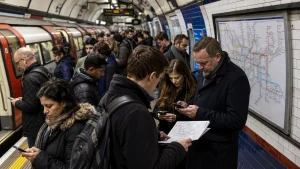
The scale of disruption will depend on the number of employees participating in strike action and the operational impact on specific Tube lines.
Some routes may operate reduced services, while others could experience complete suspension during certain periods. Interchange stations could also face temporary closures or restricted access.
The London Underground’s interconnected nature means disruptions on one line can affect passenger movement across the wider network.
| Potential Impact Area | Possible Outcome |
|---|---|
| Tube Lines | Reduced or suspended services |
| Major Stations | Temporary closures or restrictions |
| Interchanges | Increased congestion |
| Peak Travel Periods | Longer waiting times |
| Passenger Information Systems | Frequent updates required |
Potential Impact Across the Tube Network
High-demand routes serving central London are likely to receive significant attention due to their importance to commuters and businesses.
The exact extent of service reductions will depend on operational planning and staff availability.
What Underground Station Closures Could Commuters Expect?
Should strike action proceed, station closures could occur at various locations throughout the network. The scale and duration of closures would depend on staffing availability and operational requirements.
Large interchange stations often require substantial staffing resources to maintain safe operations. If sufficient personnel are unavailable, temporary closures may become necessary.
Passengers should prepare for changes to normal travel patterns and remain flexible when planning journeys.
Why Are Some Tube Services Still Expected to Run?
Not all London Underground employees are involved in the current industrial action. Different unions represent different groups of workers across the network, meaning some services may continue operating even during strike periods.
TfL may also implement contingency plans designed to maintain limited services on key routes where staffing levels permit. As a result, passengers should expect a mixture of suspended, reduced and partially operating services depending on location and staffing availability.
How Would the London Tube Strike Affect Daily Commuters?
For many London residents, the Underground serves as the primary means of transport. Disruptions could significantly increase travel times and complicate commuting arrangements.
Passengers may need to alter departure times, use alternative routes or combine multiple transport methods to reach their destinations.
The impact is likely to be most noticeable during peak travel periods when demand for transport is highest.
Challenges for Workers Travelling Across London
Workers travelling into central London may face:
- Longer journey durations
- Increased crowding on alternative services
- Greater travel costs
- Reduced reliability of connections
These factors can affect productivity and create additional pressures for employees and employers alike.
What Impact Could the Strike Have on London Businesses?
Businesses across the capital could experience operational challenges if employees encounter difficulties reaching workplaces.
Sectors heavily dependent on in-person attendance, including retail, hospitality and professional services, may be particularly affected. Delayed staff arrivals can disrupt daily operations and customer service.
Some organisations may respond by increasing remote working arrangements where practical.
Sarah Bennett, an urban mobility researcher, observed: “When Underground services are disrupted, the consequences extend beyond transport. Businesses often experience productivity losses, altered staffing patterns and increased logistical challenges.”
How Might Tourists Be Affected by Underground Station Closures?
London attracts millions of visitors each year, many of whom rely heavily on the Underground network. Station closures and service disruptions could complicate travel between attractions, accommodation and transport hubs.
Visitors unfamiliar with alternative routes may find navigation more challenging during strike periods. Popular destinations could experience increased congestion as tourists seek other travel options.
Travel planning and access to real-time updates will become especially important for visitors.
What Alternative Transport Options Are Available During a Tube Strike?
Alternative transport services are expected to play a vital role if Underground disruption occurs. Passengers may need to consider a combination of transport modes to complete journeys.
Bus services often become a primary alternative, although increased passenger demand can lead to longer travel times. National Rail services, cycling routes and walking options may also help reduce reliance on the Underground.
Bus Services, Rail Connections and Other Alternatives
| Alternative Route | Expected Availability |
|---|---|
| Elizabeth Line | Expected to operate |
| London Buses | Running but likely busier |
| London Overground | Expected to operate |
| National Rail | Increased demand expected |
| Cycling Routes | Alternative option for shorter journeys |
| Taxi & Ride-Hailing Services | Available but potentially more expensive |
Planning ahead can significantly reduce disruption for travellers.
How Can Passengers Prepare for London Travel Disruption?
Preparation is one of the most effective ways to minimise travel difficulties during industrial action. Passengers should review alternative routes and allow additional time for journeys.
Employers and employees may also benefit from discussing flexible working arrangements in advance.
Monitoring official travel information remains essential, particularly if negotiations continue close to the planned strike dates.
What Advice Has TfL Issued to Travellers?
TfL has encouraged passengers to stay informed through official service updates and journey planning tools. Travellers should check route availability before leaving home and remain aware of any changes announced throughout the day.
Advance planning can help passengers avoid unexpected delays and identify alternative transport options.
Officials have also advised travellers to expect busier-than-normal conditions across the wider transport network.
How Could the Strike Affect London’s Wider Transport Network?
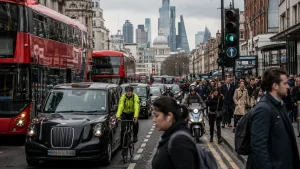
The London Underground functions as the backbone of the capital’s transport system. Disruption in one area often creates additional pressure elsewhere.
Road networks may experience increased traffic congestion as more people choose private vehicles or taxis. Bus and rail services can also become significantly busier.
Michael Reeves, a transport economist, noted: “Large-scale Underground disruption rarely remains confined to the Tube network. Demand rapidly shifts towards roads, buses and regional rail services, creating wider transportation challenges across the city.”
Pressure on Roads, Buses and Rail Services
The redistribution of passengers can create capacity challenges across multiple transport modes, particularly during rush-hour periods.
Authorities may implement additional measures to manage congestion and support passenger movement where possible.
What Economic Impact Could a London Underground Strike Have?
Transport disruptions can have broader economic implications for London. Reduced commuter mobility may affect business activity, customer footfall and operational efficiency.
Retailers, restaurants and hospitality venues often experience fluctuations in customer numbers during periods of transport disruption. Employers may also face challenges related to staffing and scheduling.
While short-term disruptions may be manageable, prolonged industrial action could generate more significant economic consequences.
What Happens If Negotiations Fail?
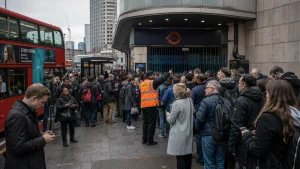
If negotiations fail to produce an agreement, strike action could proceed according to planned schedules. TfL would likely implement contingency measures designed to maintain limited services where possible.
Passengers should prepare for the possibility of reduced operations, station closures and significant delays.
Further negotiations could still continue during or after industrial action begins.
What Should Passengers Expect in the Days Ahead?
Passengers should expect continued uncertainty until a formal agreement is announced. Negotiations remain active, and both sides have indicated a desire to avoid disruption.
Travellers should monitor official updates regularly and remain prepared for changes to service arrangements. Flexibility and advance planning will be crucial in navigating any potential disruption.
The coming days are likely to determine whether London experiences significant transport challenges or secures a negotiated resolution.
Conclusion: Will London Avoid Major Underground Disruption in 2026?
The London Tube strike dispute remains at a critical stage, with TfL and RMT representatives continuing efforts to reach a negotiated settlement. While both sides have expressed a willingness to engage constructively, unresolved issues concerning pay, staffing and working conditions continue to create uncertainty.
If strike action proceeds, commuters, businesses and visitors could face substantial disruption across London’s transport network. However, the possibility of a last-minute agreement remains realistic given previous transport disputes. Until a formal resolution is reached, passengers should stay informed, prepare alternative travel plans and closely monitor official updates.
Frequently Asked Questions
Is the London Tube Strike Still Scheduled to Go Ahead in June 2026?
As of 1 June 2026, planned strike action remains scheduled while negotiations between TfL and the RMT continue. Passengers should prepare for possible disruption unless a last-minute agreement is reached.
Which London Underground Lines Could Be Most Affected by the Strike?
The level of disruption may vary across the network, but some Tube lines could experience reduced services, delays or temporary suspensions depending on staffing availability and operational requirements.
Will London Underground Stations Close During the Tube Strike?
Some stations, particularly busy interchange locations, could face temporary closures or restricted access if staffing levels are insufficient to maintain normal operations safely.
Is the Elizabeth Line Affected by the London Tube Strike?
The Elizabeth Line is separate from much of the London Underground network and is expected to operate. However, passengers should expect increased demand and potentially busier services during strike days.
Could the London Tube Strike Be Cancelled at the Last Minute?
Yes. Previous London Underground disputes have been resolved shortly before industrial action began. While no agreement has been announced, ongoing talks mean a late settlement remains possible.
How Can Passengers Check Live Updates During the London Tube Strike?
Passengers should monitor TfL’s official travel updates, journey planner tools and station announcements for the latest information on service availability, delays and alternative travel options.