Why Did Youlgrave Garage Stop Selling Fuel? Prices, Timeline and Local Impact
 • March 21, 2026
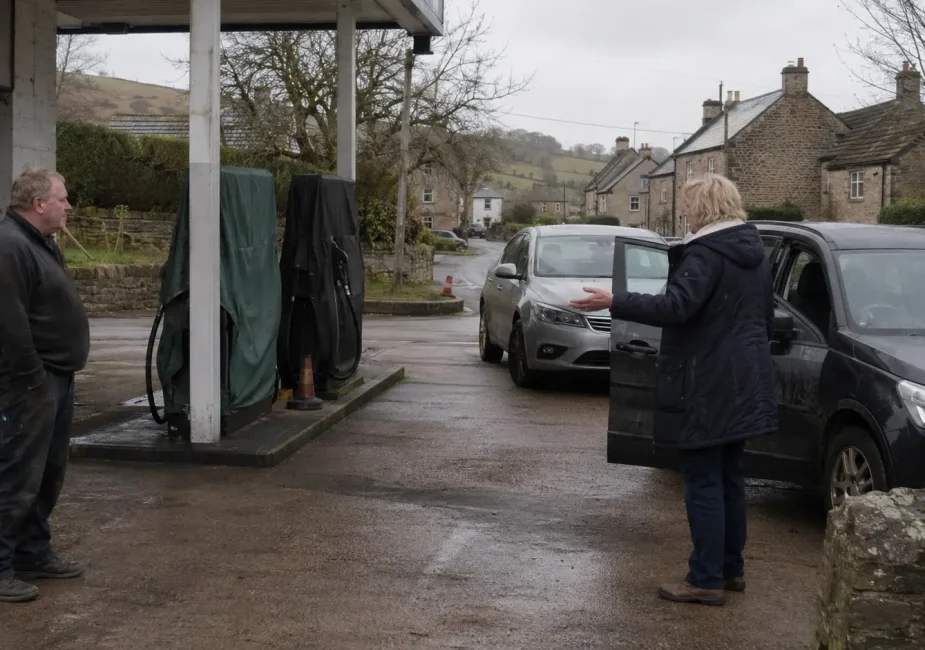
Youlgrave Garage in Derbyshire suspended petrol and diesel sales after a steep rise in wholesale fuel costs left the small rural business facing commercially difficult pump prices.
Industry publication Forecourt Trader reported that the garage closed its pumps on 13 March 2026.
Continuing to sell fuel would reportedly have required the business to charge approximately £1.82 to £1.85 per litre for super unleaded and close to £2 per litre for diesel.
The garage is owned and operated by Mollie Ellis and functions primarily as a workshop and MOT centre.
It sells relatively small quantities of fuel compared with supermarket and large branded forecourts, leaving it with less purchasing power and little room to absorb a sudden wholesale increase.
Rather than passing the full increase to local motorists, the business temporarily stopped selling fuel.
The decision did not mean that Youlgrave Garage had permanently closed, but it removed an important refuelling option for residents, farmers, tradespeople and other motorists in the surrounding rural area.
Youlgrave Garage Fuel Suspension at a Glance
| Key detail | Reported position |
|---|---|
| Garage | Youlgrave Garage, Derbyshire |
| Owner and operator | Mollie Ellis |
| Pumps closed | Reportedly 13 March 2026 |
| Main reason | Sharp increase in wholesale fuel costs |
| Potential super-unleaded price | Approximately £1.82–£1.85 per litre |
| Potential diesel price | Close to £2 per litre |
| Main business activity | Vehicle repairs and MOT testing |
| Approximate fuel volume | Around 1,000 litres each of diesel and super unleaded per month |
| Local alternatives | Fuel stations in areas including Bakewell and Newhaven |
| Current status | Confirm with the garage before publication |
Why Did Wholesale Fuel Costs Rise So Quickly?
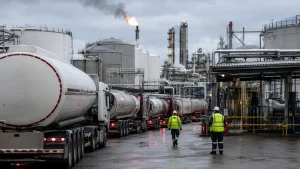
The immediate issue for Youlgrave Garage was the replacement cost of its fuel. A small forecourt must consider what it will have to pay for its next delivery, not only what it paid for the fuel already stored in its tanks.
Wholesale petrol and diesel prices are influenced by several connected factors:
- The international price of crude oil
- Refining and distribution costs
- Shipping disruption and insurance costs
- Changes in the value of sterling against the US dollar
- Expectations about future oil supplies
- Sudden increases in demand
Geopolitical instability can affect prices even when fuel continues to reach the UK.
Concerns about production or major shipping routes are quickly reflected in global oil markets, which is why the question of whether Iran is pushing UK fuel prices higher is relevant to the pressures experienced by independent forecourts.
The wider effect is not limited to petrol stations. Oil and gas markets can also influence transport, manufacturing and household costs, although the impact on domestic tariffs follows a different timetable.
The broader UK energy-price outlook for 2026 therefore needs to be considered separately from short-term movements at the pump.
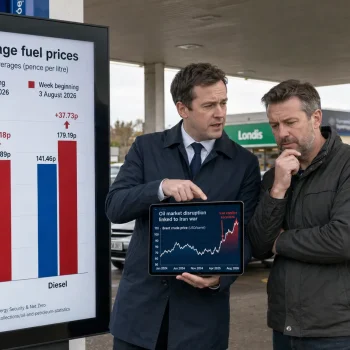
Official weekly UK road-fuel statistics track average unleaded petrol and diesel prices. These national figures provide an important benchmark, but they do not show the exact wholesale price offered to every individual garage.
Retail prices also continued to move during 2026. An AA pump-price update reported that average petrol prices had begun rising again in July, while diesel remained significantly more expensive than petrol.
For Youlgrave Garage, the central problem was the speed of the wholesale movement. A larger retailer may be able to spread risk across numerous sites, negotiate volume discounts or temporarily accept a lower margin.
A small independent garage has far fewer options when the cost of its next delivery rises suddenly.
Why Could Youlgrave Garage Not Simply Absorb the Increase?
Independent forecourts generally have less buying power than supermarket chains and national fuel retailers.
A low-volume garage cannot negotiate on the same scale, and the fixed costs of ordering, storing and selling fuel must be spread across fewer litres.
Youlgrave Garage reportedly sells around 1,000 litres each of diesel and super unleaded in a typical month.
Fuel is also not the garage’s primary business: its main activities are vehicle repairs and MOT testing.
That matters because absorbing even a modest loss on every litre can quickly turn fuel sales from a community service into an unsustainable activity.
Continuing to sell at the old price could mean losing money, while applying the full replacement cost could expose the business to customer criticism for prices it did not control.
The decision also affects businesses and employees who depend on vehicles for work.
Rising pump prices can increase delivery, agricultural and business-travel costs, while employers operating company cars may need to review the latest HMRC advisory fuel rates when reimbursing work-related mileage.
Suspending fuel sales was therefore a commercial decision based on replacement costs and limited purchasing power.
It should not be described as evidence that the garage was insolvent, had closed permanently or had physically run out of fuel unless the business confirms one of those points.
What Does the Fuel Suspension Mean for Youlgrave Motorists?
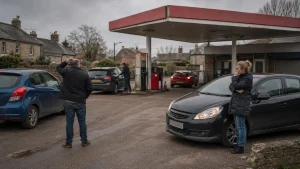
The effect is more significant than the loss of one convenient petrol pump.
Youlgrave is a rural community where many residents depend on private vehicles for work, shopping, healthcare appointments and other essential journeys.
The garage’s customers reportedly include farmers, elderly residents, health workers and tradespeople.
Super unleaded is particularly useful to some local agricultural customers, making the pumps a practical part of the area’s working infrastructure rather than simply a convenience for passing motorists.
With alternative filling stations located several miles away in areas such as Bakewell and Newhaven, motorists may have to use additional fuel simply to refuel.
That creates three immediate costs:
- Longer journey times
- Additional mileage and fuel consumption
- Less convenient access for residents with limited mobility or tight working schedules
Local businesses can also be affected. Farmers, delivery operators, tradespeople and other vehicle-dependent businesses may need to alter routes or travel farther before beginning their working day.
The impact should nevertheless be reported proportionately. The suspension created a local access problem, but it did not leave Derbyshire or the wider UK without fuel.
Does the Youlgrave Decision Mean There Is a UK Fuel Shortage?
No. Youlgrave Garage’s decision was primarily price-driven. The garage chose not to purchase and sell fuel at a price it considered commercially or socially acceptable; that is different from a national supply breakdown.
A genuine shortage occurs when fuel cannot be supplied in sufficient quantities.
A commercial suspension occurs when fuel may still be available, but selling it would require an operator to accept a loss or charge a price it considers unacceptable.
The distinction is important when assessing whether the UK is facing a petrol shortage.
Describing every local closure as a shortage can unnecessarily alarm motorists and encourage panic buying, which may create temporary pressure at other forecourts.
However, rural communities are more exposed when an individual station stops selling fuel because they generally have:
- Fewer nearby forecourts
- Longer distances between services
- Less extensive public transport
- Greater dependence on private and commercial vehicles
- Higher agricultural and delivery requirements
The same exposure to volatile oil markets can be seen in other rural energy costs.
For example, households monitoring the price of heating oil in Northern Ireland can face rapid changes because local retail prices remain connected to international wholesale markets.
Youlgrave’s experience therefore points to unequal local access rather than proof of a nationwide shortage.
One suspended rural forecourt can have a significant community impact even when the national fuel network remains operational.
Could Other Independent Garages Make the Same Decision?
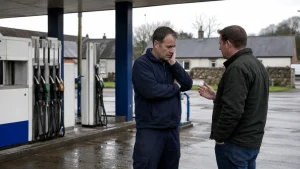
Other independent forecourts could face similar pressure if wholesale prices rise faster than retailers can adjust their pump prices.
However, the Youlgrave decision should not be used to predict widespread suspensions without supporting evidence.
The risk will differ between businesses according to:
- The amount of fuel they sell
- Their supplier agreements
- Their available cash flow
- Storage and delivery costs
- The prices charged by nearby competitors
- Whether fuel is their primary source of revenue
- Their ability to absorb a temporary reduction in margin
A large forecourt network and a small village garage do not operate under the same commercial conditions.
The Youlgrave case is therefore most useful as an example of how sudden wholesale volatility can affect a low-volume rural retailer, rather than proof that UK petrol stations generally are about to stop selling fuel.
How Can Drivers Reduce the Effect of Higher Fuel Costs?
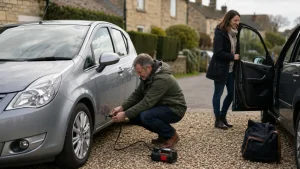
Motorists cannot control wholesale prices, but they can reduce unnecessary fuel use and avoid making the problem worse.
Practical steps include:
- Compare nearby prices before beginning a journey
- Refuel as part of an existing trip rather than making a separate journey
- Accelerate and brake smoothly
- Check tyre pressures regularly
- Remove unnecessary weight from the vehicle
- Combine several errands into one route
- Share journeys where practical
- Avoid panic buying or repeatedly topping up a nearly full tank
Drivers should also distinguish between an actual supply warning and speculation about future prices.
Buying more fuel than necessary can place additional pressure on local stocks and may force other motorists to travel farther.
Anyone claiming mileage for work should keep accurate journey records and use the reimbursement rules appropriate to their vehicle and employment arrangement.
What Does the Youlgrave Case Reveal About the UK Fuel Market?
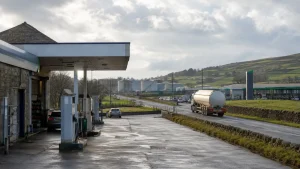
Youlgrave Garage’s decision demonstrates how quickly movements in global oil markets can reach small local businesses.
The business was not responsible for setting crude-oil prices, exchange rates or wholesale replacement costs. However, it still had to decide whether to absorb the increase, pass it to customers or stop selling fuel temporarily.
Large retailers can often spread those pressures across greater sales volumes and larger store networks. A small rural operator has less purchasing power and fewer financial buffers, even when its pumps provide an important community service.
The incident also shows why national averages do not tell the whole story. Fuel may remain widely available across the UK while access becomes more difficult in a particular rural community.
Conclusion
Youlgrave Garage suspended fuel sales after a sudden wholesale-price increase made continued petrol and diesel sales difficult to justify.
The business reportedly faced potential pump prices of approximately £1.82 to £1.85 per litre for super unleaded and close to £2 per litre for diesel.
For the garage, the decision reflected the economics of a small, low-volume forecourt. For local motorists, it meant travelling several miles farther to refuel.
The incident did not prove that the UK was experiencing a nationwide fuel shortage, but it demonstrated how strongly rural communities can be affected when one essential local service becomes temporarily unavailable.
The next important question is whether fuel sales have resumed. That status should be confirmed directly with Youlgrave Garage and displayed prominently near the top of the article whenever the page is updated.
Frequently Asked Questions
Why did Youlgrave Garage stop selling fuel?
Youlgrave Garage suspended fuel sales after a sharp increase in wholesale petrol and diesel costs made continued sales commercially difficult for the small independent business.
When did Youlgrave Garage suspend fuel sales?
Industry reports indicate that the garage stopped selling fuel on 13 March 2026. The latest operating status should be confirmed directly with the garage.
Has Youlgrave Garage permanently closed?
No. The suspension concerned petrol and diesel sales, while the business continued to operate primarily as a vehicle repair and MOT centre.
How much would fuel have cost at Youlgrave Garage?
The garage reportedly would have needed to charge approximately £1.82–£1.85 per litre for super unleaded and close to £2 per litre for diesel.
Is the Youlgrave suspension caused by a UK fuel shortage?
No. It was primarily a price-related commercial decision rather than evidence of a nationwide shortage or breakdown in fuel supplies.
Where can Youlgrave residents buy fuel instead?
Motorists may need to travel to nearby filling stations in areas such as Bakewell or Newhaven, with some alternatives located more than four miles away.
Could other independent petrol stations stop selling fuel?
Other small forecourts could face similar pressure if wholesale costs rise rapidly, although each garage’s position depends on its sales volumes, supplier terms and financial flexibility.
Editorial Note
This article distinguishes confirmed reporting about Youlgrave Garage from wider analysis of the UK fuel market. It does not treat a commercial suspension at one garage as proof of a nationwide fuel shortage.
Price figures, dates and operational details have been attributed to named publications or official statistics. The current status of fuel sales should be confirmed directly with Youlgrave Garage whenever the article is updated.