£300 Bank Deduction for UK Pensioners Confirmed – What Happens Next?
 • December 13, 2025
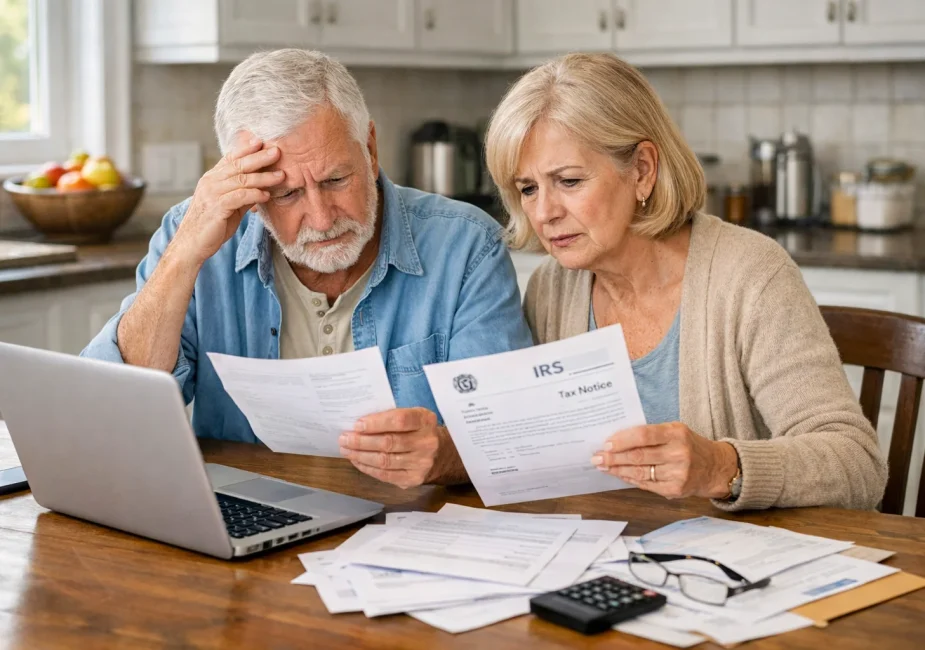
Recent reports of a “£300 bank deduction” for UK pensioners have sparked concern across the country, raising questions about unexpected withdrawals, benefit entitlements, and whether the government is targeting older citizens’ bank accounts. The reality, however, is more nuanced.
The £300 figure stems from updates to the Winter Fuel Payment system and HM Revenue & Customs (HMRC)’s legal authority to recover funds under certain circumstances. Importantly, not all pensioners are affected, and the deduction is not applied universally nor automatically as a direct bank withdrawal.
This blog unpacks the facts, explains who is affected, how deductions are managed, and what pensioners need to do next to stay protected and informed.
What Is the £300 Bank Deduction Being Reported for UK Pensioners?
The so-called “£300 bank deduction” is largely related to the government’s decision to pay the Winter Fuel Payment to all eligible pensioners upfront and then reclaim it from higher earners via the tax system.
This has been widely misinterpreted as a direct bank deduction. In truth, the money is not being “taken” from bank accounts in the way many headlines suggest. Instead, deductions are made through Pay As You Earn (PAYE) tax codes or via Self Assessment for individuals who earn above a certain threshold.
Is HMRC Really Taking £300 Directly from Pensioners’ Bank Accounts?
The answer is no, at least, not for the majority. Most pensioners will see no direct bank deduction at all. Instead, what’s happening is:
- Eligible individuals, including many pensioners, automatically receive a Winter Fuel Payment of up to £300.
- Pensioners earning more than £35,000 annually are considered ineligible for this support.
- Rather than assessing eligibility beforehand, the government distributes the funds broadly, then later recovers overpayments from those who don’t meet the income criteria.
This method simplifies delivery but can cause confusion when pensioners see funds in their accounts only to later have them reclaimed via tax adjustments.
Why Are Some Pensioners Receiving Winter Fuel Payments and Then Asked to Repay?
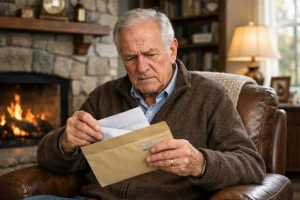
Some pensioners are being asked to repay their Winter Fuel Payments because of recent rule changes that allow the payment to be made first and then adjusted later based on income, leading to confusion when eligibility is reassessed after the money has already been received.
A New Income Threshold
The primary reason for this repayment is the introduction of an income threshold. Previously, most pensioners received the Winter Fuel Payment regardless of income.
From the 2023/24 tax year onwards, however, individuals earning above £35,000 per year will no longer qualify.
Despite this, the government is still making the payment upfront. The key reason is administrative simplicity: by paying first and adjusting later, fewer pensioners are mistakenly left out of the support they are entitled to.
Automatic Payments & Later Recovery
Even those who don’t qualify may initially receive the funds. HMRC will later recover the overpaid amount, typically through tax. This could result in confusion when pensioners check their bank statements and see money that will eventually be reclaimed.
How Will HMRC Reclaim the £300 From Higher-Earning Pensioners?
HMRC is using existing tax mechanisms to reclaim overpaid Winter Fuel Payments from pensioners whose income exceeds the threshold. There are two primary methods:
PAYE Adjustments
For pensioners who receive income through pension providers or part-time employment, HMRC adjusts the PAYE tax code.
This leads to monthly deductions being made automatically. The deduction is relatively small and spread over 12 months.
Example PAYE Deduction (Estimated)
| Tax Year | Payment Owed | Monthly Deduction |
|---|---|---|
| 2023–2024 | £300 | ~£25/month |
| 2027–2028 | £600 (double deduction year) | ~£50/month |
Self Assessment
For those who file a tax return, such as pensioners with self-employment or investment income, HMRC will add the £300 to the next Self Assessment bill.
Can HMRC Really Take Money Directly from Pensioners’ Bank Accounts?

The Direct Recovery of Debts (DRD) scheme does give HMRC the power to recover unpaid debts directly from bank accounts, but only in very limited circumstances.
Introduced in 2016, DRD allows HMRC to recover funds from individuals who:
- Owe £1,000 or more in unpaid tax
- Have ignored repeated contact attempts
- Have no valid appeals or disputes pending
Strict Conditions Must Be Met:
Before initiating a DRD deduction:
- HMRC must conduct a face-to-face assessment to confirm details and assess vulnerabilities.
- A 30-day formal notice is required before any action.
- A minimum of £5,000 must remain across all bank accounts post-deduction.
Despite the alarm such powers may generate, usage has been extremely rare, with fewer than 20 confirmed cases in the first two years of the policy’s implementation.
Who Exactly Is at Risk of a Direct Bank Deduction Under DRD Rules?
Only a very small group of pensioners are at risk under the DRD powers. This includes those with:
- Small unpaid tax debts (e.g., from pension income, PPI claims, or interest)
- Unresolved benefit overpayments
- Lack of response to HMRC letters or phone calls
To be eligible for DRD action:
- The amount owed must typically be £300 or less (for certain cases)
- The pensioner must have been contacted multiple times
- The deduction must not reduce their account balance below £5,000
Note: HMRC always provides opportunities to set up repayment plans, correct errors, or dispute charges before any deductions are made.
What Action Should Pensioners Take If They Are Contacted by HMRC?
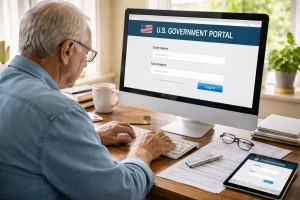
If pensioners receive a letter or communication from HMRC regarding repayments, they should take immediate steps to clarify and resolve the matter.
Steps Pensioners Should Take Immediately
Check your HMRC Personal Tax Account to confirm whether there are outstanding balances, tax code changes, or repayment notices
- Respond promptly to any HMRC correspondence to avoid delays, penalties, or further follow-up action
- Dispute incorrect charges by requesting a review or using HMRC’s formal complaints process if the amount seems wrong
- Seek help if needed from trusted organisations or free advisory services if the situation is unclear
Taking early action helps pensioners resolve issues efficiently, avoid unnecessary stress, and ensure their tax records remain accurate and up to date.
Is It Possible to Opt Out of the Winter Fuel Payment to Avoid Repayment?
Yes, from April 2026, pensioners who expect to exceed the £35,000 income cap will be able to opt out of receiving the Winter Fuel Payment altogether.
This measure is being introduced to prevent future overpayments and the need for tax-based recovery.
| Opt-Out Options (Available from April 2026) | How to Use |
|---|---|
| Online via gov.uk or mygov.scot | Submit a digital form |
| By Phone | Call official helpline |
| By Post | Mail the opt-out form |
Choosing to opt out can simplify finances and prevent confusion over owed repayments, especially for pensioners consistently above the income threshold.
What Support Is Available for Pensioners Facing Financial or Legal Difficulties?

Pensioners facing financial or legal difficulties related to repayments or tax adjustments have access to various forms of support. It’s important not to navigate these issues alone, especially when the system can be complex and stressful.
Government resources, including information available on the official gov.uk website, provide guidance on understanding entitlements, managing repayments, and disputing charges if necessary.
Additionally, local authorities may offer winter support schemes or financial assistance for those struggling with rising living costs.
Reaching out early for help can prevent problems from escalating and provide peace of mind. Pensioners are encouraged to stay informed and take action as soon as any concerns arise.
What Does This Mean for the Future of Winter Fuel Support in the UK?
The 2023–2024 changes signal a broader shift in how government winter support is distributed, moving from universal payments to a means-tested approach.
From 2027, HMRC plans to collect two deductions in a single tax year, one to recover previous overpayments, and another in advance for the current year’s support. This could lead to annual repayments of up to £600 for some.
This shift is aimed at streamlining the process and ensuring only those who genuinely need support receive it. However, it also places a greater burden on pensioners to track their income and tax status.
Conclusion
the £300 bank deduction for UK pensioners is not a blanket policy, but a targeted repayment mechanism affecting those with annual incomes above £35,000. HMRC is not deducting funds directly from accounts in most cases; instead, repayments are managed through PAYE or Self Assessment.
Direct bank deductions are rare and heavily safeguarded. Pensioners are encouraged to stay informed, check their HMRC accounts, and respond promptly to any correspondence. Support is available for those who need it, and steps can be taken to avoid future repayments.
Understanding the changes ensures pensioners can manage their finances with confidence and clarity.
Frequently Asked Questions
Why was £300 paid into my bank if I don’t qualify for it?
The government issues the Winter Fuel Payment automatically to all qualifying pensioners. If your income later exceeds the threshold, HMRC will reclaim the payment through your tax code or Self Assessment.
How will I know if I need to repay the Winter Fuel Payment?
You’ll receive a letter from HMRC or a notification in your Personal Tax Account. It will explain how much you owe and how it will be reclaimed.
Can HMRC take money without my permission?
Not in most cases. Reclaims are handled via the tax system. Direct deductions from bank accounts are only used in exceptional, pre-approved cases with multiple safeguards.
What income counts towards the £35,000 threshold?
Income includes state pension, private pensions, savings interest, employment income, and certain benefits. It’s your total annual income before tax.
What happens if I ignore HMRC letters?
Ignoring letters can escalate the situation and may lead to enforced recovery actions. It’s crucial to respond promptly or seek advice.
Is the £300 deduction a one-time event?
No. If your income exceeds the threshold each year, you may need to repay the Winter Fuel Payment annually. From 2027, double deductions may apply.
How do I dispute an incorrect HMRC deduction?
You can log into your Personal Tax Account and use the contact section to raise a dispute. Alternatively, call HMRC’s helpline or submit a formal complaint.