
UK Police Reforms White Paper – What’s Changing and How It Impacts Communities?
 • January 29, 2026
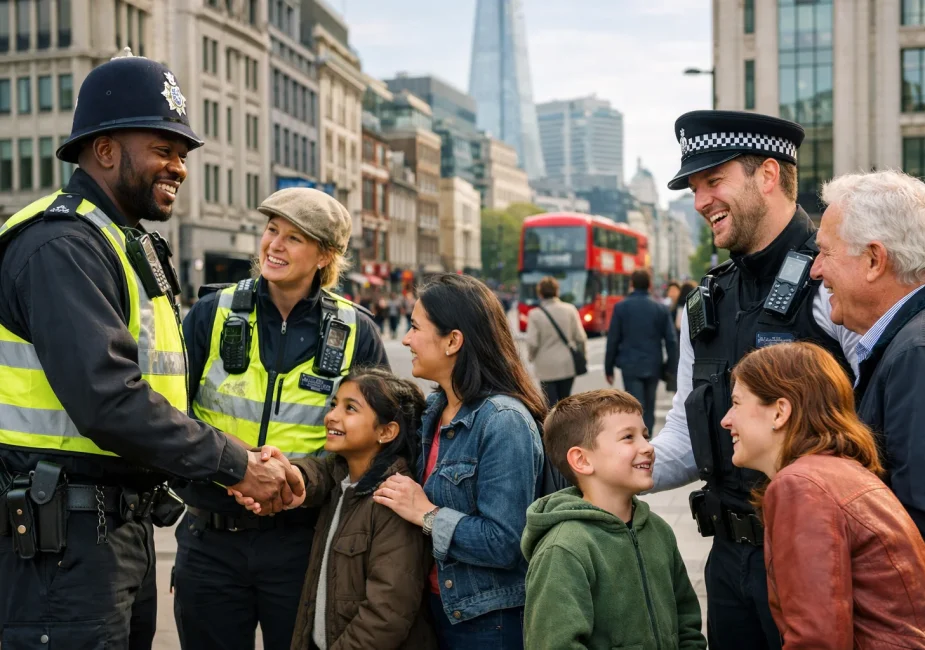
In January 2026, the UK Government unveiled a sweeping Police Reforms White Paper that promises to modernise law enforcement for the digital age. Labelled the most significant change to policing in two centuries, the white paper introduces a new policing structure, stronger accountability, enhanced technology, and a renewed focus on neighbourhood safety.
These reforms are designed to restore public trust, tackle crime more efficiently, and build a consistent and professional police force across the country.
Key Highlights:
- Introduction of the National Police Service (NPS)
- Potential reduction of 43 police forces to as few as 12
- New national standards for vetting, training, and performance
- Emphasis on AI, forensics, and facial recognition
- A stronger focus on local policing and faster response times
This sweeping transformation is expected to reshape policing across the UK by 2034, but how will it affect communities on the ground?
What Is the 2026 Police Reforms White Paper and Why Was It Introduced?

For decades, the UK’s policing system has operated under a fragmented and increasingly outdated framework. Built in the 1960s, the current model is no longer fit for purpose in a world where 90% of crime has a digital element, and cross-border offences are the norm.
The 2026 Police Reforms White Paper was introduced by the Home Secretary in response to:
- Low public trust in policing institutions
- Scandals involving misconduct and vetting failures
- Inefficiencies caused by the siloed structure of 43 individual police forces
- Increased demands on the force due to modern crimes like cyber fraud, trafficking, and digital harassment
By proposing systemic reform, the white paper seeks to overhaul how policing is delivered, from national crime units to street-level neighbourhood patrols.
“Policing has stayed in the past while crime has moved into the future. This white paper bridges that gap.” – Home Secretary, January 2026
How Will the New National Police Service Reshape Law Enforcement?
The headline reform is the establishment of the National Police Service (NPS), a unifying agency that consolidates critical crime-fighting capabilities under one roof.
Centralising Complex Crime Response
The NPS will absorb major national entities including:
- The National Crime Agency (NCA)
- Counter Terrorism Policing
- Regional organised crime units
- National roads policing and helicopter services
This integration is designed to eliminate duplication and enhance rapid intelligence-sharing, especially vital for tackling organised crime, terrorism, and large-scale fraud.
Enhanced Leadership and Unified Procurement
A National Police Commissioner will oversee the service, functioning as the UK’s most senior law enforcement officer. Procurement of essential tools, vehicles, and IT systems, previously managed by 43 separate forces, will be centralised, creating significant cost savings.
The NPS will also handle forensic analysis, alleviating the burden on local units and resolving backlogs like the 20,000+ digital devices awaiting examination.
What Changes Under the National Police Service?
Feature Previous Model Under the NPS
Serious Crime Management Fragmented (NCA, CT Policing) Unified under one national body
Procurement Decentralised by 43 forces Centralised with cost savings
Forensic Oversight Managed locally Central leadership and investment
Senior Leadership No single top-ranking officer Appointment of National Commissioner
“Having one national service will finally allow us to work together, not in silos.” – Regional Police Chief, NPS Integration Planning Team
What Changes Are Being Made to Local Police Forces?
While the NPS takes charge of national crime strategy, local forces will undergo a transformative structural review.
The government plans to reduce the number of police forces from 43 to a smaller number, potentially as few as 12. This is not merely a cost-cutting measure; it aims to reduce administrative overlap and create consistency in law enforcement across the country.
Concerns and Reassurances
Police associations have expressed concern that such centralisation may dilute local accountability. However, the government insists that these changes:
- Retain local police stations and patrols
- Ensure neighbourhood policing remains a visible force
- Provide better support and funding to local officers
In practice, this means residents will still see ‘bobbies on the beat’, but with access to more resources, technology, and rapid support from national units when required.
How Will Neighbourhood Policing Improve Under the New Model?
Neighbourhood policing forms the backbone of the government’s plan to restore public confidence in law enforcement.
New National Response Targets
Under the reforms, all local police forces must:
- Respond to serious incidents within 15 minutes in urban areas
- Respond within 20 minutes in rural locations
- Answer 999 calls within 10 seconds
These targets aim to eliminate the postcode lottery that currently defines emergency service quality.
Neighbourhood Policing Guarantee
The Neighbourhood Policing Guarantee is being extended. Every ward in England and Wales will now have:
- A named, contactable officer
- Direct engagement channels for community concerns
- Locally tailored patrol plans
“We finally have a direct contact for our community issues, someone who actually listens and acts.” – Sarah P., Local Resident in Leeds
Additionally, the government is investing £7 million to recruit high-achieving graduates as dedicated neighbourhood officers through a new scheme modelled on Teach First.
What Role Will Technology and AI Play in Crime Prevention?
Technology and AI sit at the heart of the white paper’s approach to modern policing. The aim is to strengthen police capabilities while reducing paperwork, investigation delays, and administrative inefficiencies, allowing officers to focus more on frontline duties and community safety.
A major element of this strategy is the introduction of Police.AI. The programme will analyse CCTV, mobile phone footage, and other digital evidence, helping officers process cases more quickly. It will also automate routine paperwork, cutting down time spent on administration.
Together, these measures are expected to reduce investigation timelines for technology-heavy crimes and return an estimated six million working hours to frontline policing, an impact comparable to deploying around 3,000 additional officers without new recruitment.
The white paper also confirms a significant expansion of facial recognition technology, including:
- Increasing mobile facial recognition vans from 10 to 50
- Wider use to identify serious offenders and suspects at large public events
These changes are intended to support faster, intelligence-led crime prevention.
How Will Accountability and Officer Standards Be Strengthened?

Restoring trust in the police is one of the most urgent priorities.
Key Accountability Initiatives:
- The Home Secretary will have the legal authority to remove failing Chief Constables
- Public-facing performance grades will measure force effectiveness, response times, and victim satisfaction
- His Majesty’s Inspectorate will be granted powers to compel compliance from forces ignoring recommendations
New Accountability Model:
Accountability Aspect Before Reforms After Reforms
Chief Constable Dismissal Police Authorities only Direct Home Secretary power
Transparency Voluntary disclosure Public dashboards & force comparison
Inspectorate Powers Advisory role Legally binding directives
What Is the New “Licence to Practise” for Police Officers?
A standout policy in the reforms is the introduction of a Licence to Practise for all serving police officers, similar to licences held by doctors, lawyers, or teachers.
This move seeks to:
- Ensure continual professional development
- Set and uphold minimum standards
- Weed out officers who are unable or unwilling to meet evolving demands
Officers will undergo periodic assessments covering:
- Law and procedural knowledge
- Ethics and community engagement
- Technological proficiency
Those failing to meet the required standards, even after retraining opportunities, will lose their licence and be removed from the profession.
How Will the Reforms Support Officer Wellbeing and Mental Health?
The Government recognises the toll that policing takes on mental health, especially in high-risk and public-facing roles.
New Wellbeing Initiatives:
Programme Description
24/7 Mental Health Line Confidential support for all officers and staff
Trauma Tracker Identifies high-risk individuals for early intervention
Psychological Screenings Annual mental health check-ups for high-stress positions
Resilience Training Mandatory for new recruits and supervisors
“Just knowing someone is checking in on our mental health makes a world of difference.” – Liam T., Metropolitan Police Constable
These measures aim to reduce burnout, prevent long-term PTSD, and ensure that officers remain healthy and capable of serving the public.
What Impact Will These Reforms Have on the General Public?

For the public, the reforms promise a safer, quicker, and more accountable police service. The key benefits include:
- Faster response to 999 calls and serious incidents
- Clearer standards and communication from local officers
- Enhanced focus on tackling “everyday” crimes like shoplifting, theft, and vandalism
- Improved outcomes for victims through access to national forensic expertise
Real-time Review:
“My daughter’s phone was stolen in London. For the first time, police called us with updates every two days. It felt like we mattered.” – Daniel R., London Resident
These tangible improvements are intended to rebuild public trust and encourage greater cooperation between law enforcement and communities.
Comparing UK Policing – Before and After the Reforms
To clearly illustrate the scale of change proposed in the police reforms white paper, the table below compares the existing UK policing model with the new system outlined in the reforms.
Feature Before Reform After Reform
Number of Forces 43 individual forces Potentially consolidated to 12
National Crime Response Fragmented across agencies Unified under National Police Service
Accountability Limited ministerial oversight Direct intervention powers and public grading
Recruitment Standards Inconsistent across regions Mandatory vetting and national standards
Tech Use Outdated, force-specific Centralised AI, facial recognition, Police.AI
Neighbourhood Policing Inconsistent coverage Named officers per ward, national response benchmarks
Officer Development Periodic or voluntary training Licence to Practise with mandatory renewal
Together, these changes signal a fundamental shift towards a more unified, accountable, and technologically advanced policing framework designed to deliver consistent outcomes for communities across the UK.
Conclusion
The 2026 Police Reforms White Paper is bold in vision and extensive in scope. By uniting forces, leveraging modern technology, and placing community engagement at the core of national strategy, the UK Government aims to bring policing into the 21st century.
The success of these reforms will depend on implementation, funding consistency, and public trust. What’s clear, however, is that the commitment to a safer, smarter, and more responsive police service has never been stronger.
Frequently Asked Questions About the UK Police Reforms
Will the National Police Service affect the City of London Police’s fraud investigations?
No immediate changes are planned. The City of London Police will maintain its national lead for fraud, while aligning closely with the NPS to share data and resources.
How will these reforms change the role of Police and Crime Commissioners?
The government plans to phase out PCCs by 2028, transferring oversight responsibilities to national leadership and local operational heads.
What support is being given to special constables?
The recruitment process will be streamlined, and better integration into active policing teams will be prioritised. Incentives for existing volunteers will also be introduced.
Is funding guaranteed for these ambitious plans?
The government anticipates significant savings from merging forces and central procurement. These funds will be reinvested into neighbourhood policing and technology.
What are the constitutional concerns around centralised policing power?
Some critics argue that concentrating power in the hands of the Home Secretary and NPS Commissioner may compromise local responsiveness and democratic accountability.
Will cybercrime and economic crime receive more attention?
Yes. Cybercrime and economic fraud are priority areas under the reforms, with greater investment in tech teams and partnerships, particularly with the private sector.
When will the public start seeing changes?
Initial transitions will begin in late 2026, with the full roll-out expected by 2034. Some community improvements, like local officer visibility, are already underway.