
Stornoway Shipyard Business Collapse: £15m Debt
 • June 6, 2026
Key Takeaways:
- Coastal Workboats Scotland Limited entered administration owing approximately £15 million.
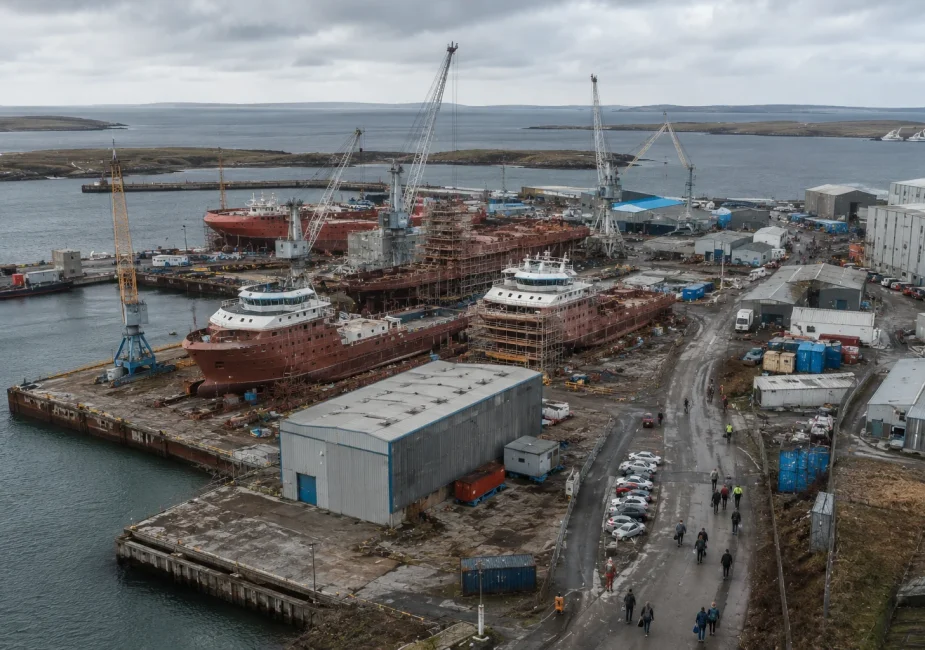
- The company operated from Goat Island in Stornoway on the Isle of Lewis.
- Five vessel projects remained unfinished when the business collapsed.
- Design issues and supply chain delays significantly affected project delivery.
- Cash flow difficulties and loan defaults accelerated the administration process.
- Government-backed funding had supported the company’s expansion plans.
- The collapse has implications for local employment, creditors, and the wider shipbuilding sector.
What Has Changed Since the Administration?
As of June 2026, further details have emerged regarding the financial position of Coastal Workboats Scotland Limited following its administration. Initial reports suggested liabilities of around £12 million, but administrator findings have indicated that creditor claims may now exceed £15 million across approximately 78 creditors.
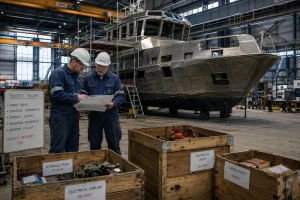
The administration has also provided greater clarity on the operational issues that contributed to the collapse. Delays affecting vessel construction, loan repayment difficulties, rising costs, and supply chain disruption all played a role in weakening the company’s financial position. Several high-profile vessel projects remain unfinished, while creditors continue to assess potential recoveries through the administration process.
What Happened to the Stornoway Shipyard Business?
The Stornoway shipyard business collapse centres on Coastal Workboats Scotland Limited, a company that had attempted to re-establish commercial shipbuilding on the Isle of Lewis after more than a century. Operating from the Goat Island facility in Stornoway, the business secured several specialist vessel contracts and attracted public funding support designed to encourage innovation and regional economic growth.
However, despite a promising order book and significant investment, mounting financial pressures eventually pushed the company into administration in December 2025.
Why Did Coastal Workboats Scotland Enter Administration?
The administration process resulted from several interconnected financial and operational challenges rather than a single event. Company records indicate that Coastal Workboats Scotland had secured large shipbuilding contracts from 2022 onwards, supported by grants, loans, and private funding arrangements.
As projects progressed, the company reportedly experienced design-related complications and supply chain disruptions. These issues extended vessel construction schedules, increased costs, and delayed anticipated revenue from project completions.
At the same time, creditor obligations continued to accumulate. The business eventually reached a point where incoming funds could no longer support existing liabilities, leading to severe cash flow difficulties and administration.
Background of the Company
Coastal Workboats Scotland Limited was incorporated in 2018 by directors Brian Pogson and Julie Pogson. The company sought to establish itself as a modern shipbuilder capable of producing specialist workboats and commercial vessels for domestic and international customers.
Its relocation to Stornoway represented a significant milestone for the region, as commercial shipbuilding had not operated at that scale on the island for generations. The company intended to create skilled jobs and develop a sustainable manufacturing operation capable of serving the maritime sector.
What Is the Timeline of the Stornoway Shipyard Business Collapse?
Understanding the sequence of events helps explain how the company’s financial position deteriorated over time. While the business secured major contracts and public funding support, operational difficulties gradually increased pressure on working capital and project delivery schedules.
| Year/Date | Key Development |
|---|---|
| 2018 | Coastal Workboats Scotland Limited incorporated |
| 2022 | Major vessel contracts secured |
| 2023 | Operations expanded at Goat Island |
| 2024 | Additional vessel projects awarded |
| 2024 | Public funding support received |
| Early 2025 | Cash flow pressures intensified |
| Mid-2025 | Loan repayment difficulties emerged |
| December 2025 | Administrators appointed |
| June 2026 | Creditor claims reported at approximately £15 million |
The timeline demonstrates that the collapse was not caused by a single event. Instead, it developed gradually as operational delays, increasing costs, and financing challenges combined to place pressure on the company’s finances.
How Much Debt Did the Stornoway Shipyard Owe?
Financial reports indicate that the company entered administration with debts totalling approximately £15 million. This figure consisted of obligations recorded within company accounts as well as additional liabilities identified during the administration process.
Financial Position at Administration
| Financial Category | Estimated Amount |
|---|---|
| Previously Reported Liabilities | £12 million |
| Additional Creditor Claims | £3 million |
| Total Estimated Debt | £15 million |
| Number of Creditors | 78 |
| Unsecured Trade Creditors | £860,000 |
| Major Loan Obligations | Significant Portion of Debt |
The figures illustrate how quickly financial pressures can escalate within large-scale manufacturing and shipbuilding projects when delays affect project completion schedules.
Who Were the Main Creditors Affected by the Collapse?
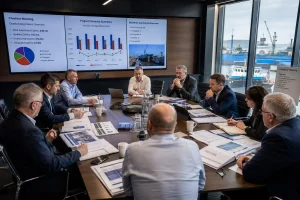
A wide range of creditors were impacted by the administration process. These included suppliers, public sector organisations, financial institutions, and service providers that had supported the company’s operations.
Among those identified were HMRC, Highlands and Islands Enterprise, Stornoway Port Authority, Hebridean Plant Limited, Global Maritime Engineering Services Limited, and SSE Energy Solutions. Each creditor now faces uncertainty regarding potential recoveries from the administration process.
The situation demonstrates how business failures can create ripple effects throughout local and national supply chains, affecting organisations far beyond the company itself.
Key Creditor Groups
| Creditor Category | Examples |
|---|---|
| Government Bodies | HMRC |
| Economic Development Agencies | Highlands and Islands Enterprise |
| Infrastructure Partners | Stornoway Port Authority |
| Engineering Suppliers | Global Maritime Engineering Services |
| Energy Providers | SSE Energy Solutions |
| Equipment Suppliers | Hebridean Plant Limited |
How Did Design Issues and Supply Chain Delays Contribute to the Business Failure?
Design complications and supply chain disruptions appear to have played a major role in the company’s financial difficulties. Shipbuilding projects often rely on precise engineering specifications, specialist materials, and coordinated delivery schedules.
When design revisions occur during vessel construction, project costs can increase significantly. Additional engineering work, revised production plans, and delayed delivery milestones can place unexpected strain on finances.
Supply chain disruptions further complicated matters. Delays in obtaining materials, equipment, or specialist components can slow vessel completion, postpone customer payments, and reduce available working capital.
Graham Kerr, a marine engineering consultant, explained the challenge clearly: “Shipbuilding projects operate on tight timelines and carefully managed budgets. When multiple design adjustments coincide with supply chain delays, the financial impact can become extremely difficult for smaller yards to absorb.”
What Role Did Cash Flow Problems Play in the Company’s Collapse?
Cash flow management is often one of the most critical factors in manufacturing businesses, particularly within shipbuilding where projects can take months or years to complete.
Although contracts may appear valuable on paper, businesses still require sufficient working capital to pay suppliers, employees, and lenders while construction is underway. Delays can create a mismatch between expenditure and incoming revenue.
For Coastal Workboats Scotland, prolonged project timelines appear to have increased operating costs while delaying expected payments. This placed substantial pressure on available cash resources and made it increasingly difficult to meet financial obligations as they fell due.
How Did the Default on Loan Repayments Escalate the Crisis?
The company’s difficulties intensified when it became unable to meet repayment obligations on an existing loan agreement. Reports indicate that an additional loan was secured during 2025 in an attempt to support operations and improve liquidity.
However, despite this additional funding, pre-existing loan repayments could not be maintained under agreed terms. The resulting default created further financial pressure and reduced the company’s ability to negotiate alternative solutions.
Once lenders lose confidence in a borrower’s ability to meet obligations, access to additional funding often becomes significantly more challenging.
What Happened to the Unfinished Vessel Projects?
One of the most significant consequences of the Stornoway shipyard business collapse was the suspension of several ongoing vessel projects. At the time of administration, five vessels reportedly remained under construction.
These unfinished projects represented substantial investments of time, labour, and resources. Customers awaiting delivery now face uncertainty regarding project completion, timelines, and potential additional costs.
The situation highlights the risks associated with long-term industrial contracts where project continuity depends heavily on the financial stability of the manufacturer.
Why Was the UK’s First All-Electric Commercial Workboat Left Incomplete?
Among the unfinished projects was what had been described as the UK’s first all-electric commercial workboat of its kind. The vessel represented an important step towards cleaner maritime operations and demonstrated the company’s ambition to position itself within the growing market for sustainable marine technology.
However, innovative projects often require significant upfront investment, specialist engineering expertise, and extended development timelines. When a company experiences financial strain, these projects can become particularly vulnerable because they may not generate revenue as quickly as more conventional contracts.
The unfinished status of the vessel highlights how financial instability can affect technological innovation. While the project generated industry interest, the company’s broader financial challenges ultimately prevented completion before administration occurred.
How Many Jobs Were Lost Following the Administration?
The collapse resulted in the loss of all jobs within Coastal Workboats Scotland Limited. Although the company had a relatively small workforce at the time of administration, its long-term plans involved expanding employment significantly as additional contracts progressed.
The business had aimed to increase staffing levels and create skilled positions in areas such as welding, fabrication, marine engineering, project management, and vessel construction. These plans reflected broader ambitions to re-establish Stornoway as an active shipbuilding location.
For employees, administration often creates immediate uncertainty regarding wages, redundancy rights, and future employment opportunities. In smaller communities, the impact can be particularly noticeable because specialist industrial jobs are often limited.
What Impact Could the Collapse Have on Stornoway and the Isle of Lewis Economy?
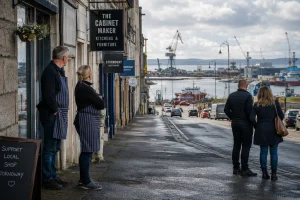
The economic impact extends beyond the company itself. Shipbuilding operations typically support a wider network of suppliers, contractors, transport providers, and local service businesses.
The closure of Coastal Workboats Scotland removes an important source of industrial activity from the area. While the company employed only a limited number of staff at the time of administration, its future growth plans suggested the potential for broader economic benefits.
Economic Impact Assessment
| Area of Impact | Potential Consequence |
|---|---|
| Direct Employment | Loss of existing jobs |
| Future Recruitment | Planned positions no longer created |
| Local Suppliers | Reduced commercial activity |
| Port Operations | Lower industrial usage |
| Regional Investment | Potential investor caution |
| Skills Development | Fewer specialist training opportunities |
| Economic Diversification | Reduced manufacturing presence |
What Government Funding and Public Support Had the Company Received?
The company received notable levels of public sector support as part of its growth strategy. Funding programmes were intended to encourage innovation, employment creation, and regional economic development.
Public support reflected confidence in the company’s ability to contribute to Scotland’s maritime manufacturing sector.
The funding was designed to help facilitate expansion and support specific projects rather than guarantee commercial success.
Innovate UK Support
Innovate UK provided approximately £6.2 million in backing. This funding was intended to support innovation, research, and advanced vessel development activities.
The involvement of Innovate UK demonstrated that the company had secured support for projects considered strategically important within the maritime sector. Such funding often focuses on technological advancement and industrial innovation rather than day-to-day operational financing.
Highlands and Islands Enterprise Funding
Highlands and Islands Enterprise also provided support estimated at around £167,000. The organisation’s involvement reflected wider efforts to encourage economic growth within Scotland’s island communities.
Funding from regional development agencies is frequently aimed at supporting job creation, infrastructure development, and long-term economic sustainability. The administration process means stakeholders will now assess the overall outcomes achieved through those investments.
How Did Coastal Workboats Scotland Attempt to Revive Shipbuilding in Stornoway?
The company was widely recognised for bringing shipbuilding activity back to Stornoway after more than a century. By establishing operations at Goat Island, Coastal Workboats Scotland sought to create a modern shipbuilding facility capable of serving domestic and international clients.
Its business model centred on specialist workboats, commercial vessels, and innovative marine projects. Management believed that the location could support a sustainable maritime manufacturing operation while creating employment opportunities for local residents.
The initiative attracted attention because it combined economic development goals with ambitions to strengthen the UK’s shipbuilding capability. Although the company ultimately failed, the attempt demonstrated that there remains interest in developing industrial opportunities within island communities.
What Does This Collapse Reveal About Challenges Facing the UK Shipbuilding Industry?
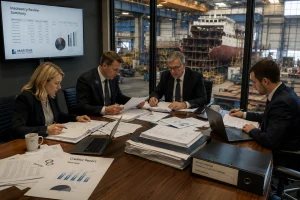
The Stornoway shipyard business collapse reflects several wider challenges facing shipbuilders across the UK and internationally. Modern shipbuilding projects involve complex engineering requirements, fluctuating material costs, specialist labour needs, and long project timelines.
The industry also faces growing pressure to invest in sustainable technologies, alternative propulsion systems, and innovative vessel designs. While these developments create opportunities, they can also increase financial and technical complexity.
Martin Fraser, a maritime insolvency specialist, explained: “Shipyards are increasingly balancing innovation with commercial risk. New vessel technologies attract investment and demand, but they also require strong financial planning because project delays can quickly impact liquidity.”
Could the Stornoway Shipyard Site Be Used Again in the Future?
Although Coastal Workboats Scotland Limited has entered administration, the future of the Goat Island facility remains an open question. Shipyard infrastructure can retain value even when the operating company fails.
Potential investors, maritime businesses, or industrial operators may view the site as an opportunity to establish new activities in the future. Any such development would depend on market demand, investment availability, and the condition of existing facilities.
The long-term prospects for the site will likely be influenced by broader economic conditions and interest in Scotland’s maritime sector.
Conclusion
The collapse of Coastal Workboats Scotland marked the end of an ambitious attempt to restore commercial shipbuilding to Stornoway and establish Goat Island as a modern vessel construction hub.
Coastal Workboats Scotland Limited entered administration owing approximately £15 million after facing a combination of design challenges, supply chain disruptions, loan repayment difficulties, and sustained cash flow pressures.
The collapse left vessel projects unfinished, affected creditors, and resulted in the loss of jobs. While the company’s ambitions attracted investment and public support, the outcome highlights the financial realities of modern shipbuilding and the importance of balancing innovation, project delivery, and long-term financial stability.
Frequently Asked Questions
What caused the Stornoway shipyard business collapse?
The collapse was caused by design issues, supply chain delays, loan repayment problems, and ongoing cash flow difficulties that affected project delivery.
How much debt did Coastal Workboats Scotland owe?
The company entered administration with creditor claims of around £15 million owed to approximately 78 creditors.
When did Coastal Workboats Scotland enter administration?
Coastal Workboats Scotland Limited entered administration in December 2025 after facing significant financial pressures.
How many vessel projects were left unfinished?
Five vessel projects remained incomplete when the company entered administration.
Were any jobs lost following the collapse?
Yes. All remaining jobs at the shipyard were lost after administrators were appointed.
Did the company receive government funding?
Yes. The business received support from Innovate UK and Highlands and Islands Enterprise to support growth and innovation projects.
Could shipbuilding return to the Goat Island site?
Potentially. The facility remains in place and could attract future investment or a new maritime operator.