
Spring & Mulberry Chocolate Flavours Recall Over Salmonella Risk
 • May 12, 2026
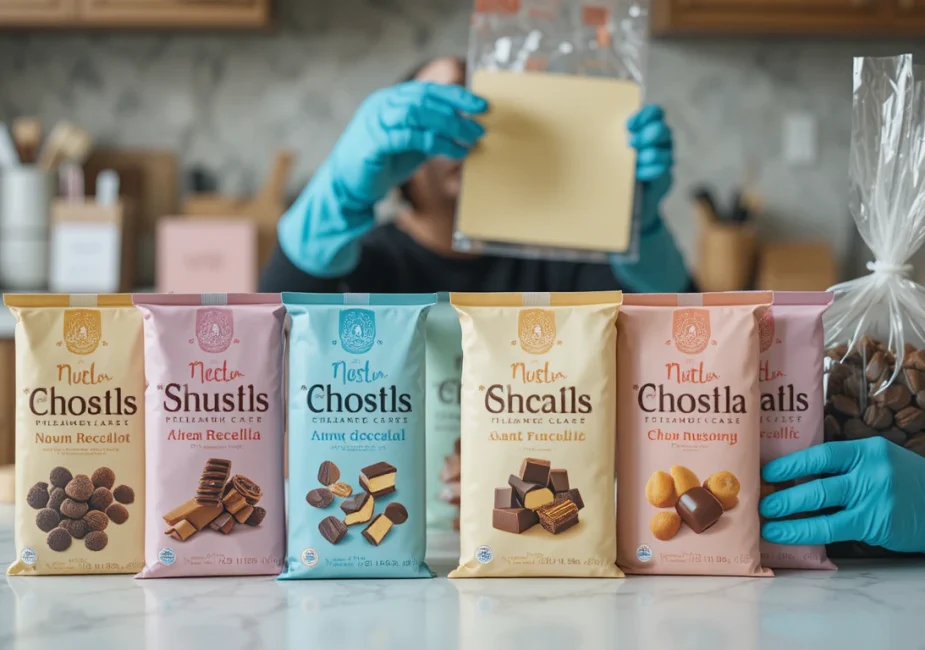
Young children
Older adults
People with weakened immunity
Pregnant consumers
- Do not consume recalled chocolate
- Photograph the packaging and batch code
- Email recalls@springandmulberry.com
- Dispose of the product safely
The Spring & Mulberry salmonella recall has expanded to include all 12 chocolate bar flavours sold by the company after investigators identified a potentially contaminated batch of date ingredients used during production.
Although no illnesses have been reported and all finished products tested negative for salmonella, consumers are still being urged not to eat the affected chocolates as a precautionary measure.
Key points:
- The recall now affects the company’s entire chocolate product line
- A single lot of date ingredients is believed to be the likely contamination source
- Products were sold online and through selected retailers from August 2025
- Consumers are advised to dispose of affected bars and request refunds
- Salmonella infections can cause serious illness in vulnerable individuals
The recall has attracted widespread attention across food safety and consumer protection sectors, especially as salmonella-related recalls continue to rise globally.
What Is the Spring & Mulberry Salmonella Recall and Why Is It Making Headlines?

The Spring & Mulberry salmonella recall began when the company removed one date-sweetened chocolate bar flavour over possible contamination concerns.
The recall later expanded to all 12 product varieties after investigators linked the issue to a single lot of date ingredients used in manufacturing.
Although finished products tested negative for salmonella and no illnesses were reported, the company voluntarily widened the recall as a precaution to protect consumers.
“Consumer protection remains the highest priority during food contamination investigations, even when final products test negative,” said an FDA spokesperson involved in the recall review.
The story has gained international attention because it reflects growing concerns around food supply chain monitoring and contamination risks within imported ingredients.
Why Did Spring & Mulberry Expand the Chocolate Recall To All Product Lines?
The recall widened after a comprehensive root-cause investigation identified one batch of dates as the most likely source of contamination.
Since the implicated ingredient was used across multiple chocolate flavours, the company decided to recall every finished product associated with that batch.
Originally, only the Mint Leaf Date Sweetened Chocolate Bar had been recalled. However, additional testing and supplier tracing later connected the ingredient lot to all 12 flavours.
The timeline of the recall demonstrates how food safety investigations often evolve rapidly.
Recall timeline overview:
Date Recall Development Products Affected
January 2026 Initial recall announced Mint Leaf
Days later Recall expanded Eight flavours
May 2026 Full product line recall All 12 flavours
The FDA confirmed that no illnesses linked to the products have been reported so far. Nevertheless, precautionary recalls are common when contamination risks involve bacteria such as salmonella due to the potentially severe health consequences.
The incident also highlights how one contaminated ingredient can affect an entire manufacturing chain, especially when products share common suppliers.
Which Spring & Mulberry Chocolate Bars Have Been Recalled?
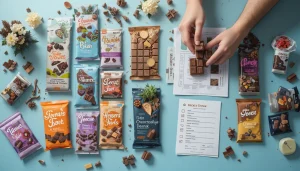
Consumers are being advised to check all Spring & Mulberry chocolate bars purchased since August 2025, particularly products sold online or through selected retail partners.
Complete List of Recalled Chocolate Flavours
The affected flavours include:
- Blood Orange
- Coffee
- Earl Grey
- Lavender Rose
- Mango Chili
- Mint Leaf
- Mixed Berry
- Mulberry Fennel
- Pecan Date
- Pure Dark
- Pure Dark Mini
- Sea Salt
The expansion means every currently distributed flavour produced using the implicated date ingredient lot is now included in the recall.
UPC Numbers, Batch Codes and Packaging Details
Affected products can be identified using batch codes printed on both the outer packaging and internal wrapper.
Chocolate Flavour UPC Code Box Colour
Blood Orange 850055470200 Orange
Coffee 850055470224 Light Brown
Earl Grey 850055470231 Purple
Lavender Rose 850055470019 Light Blue
Mango Chili 850055470033 Orange
Mint Leaf 850055470217 Green
Mixed Berry 850055470026 Purple
Mulberry Fennel 850055470149 Burgundy
Pecan Date 850055470040 Yellow
Pure Dark 850055470002 Navy Blue
Pure Dark Mini 850055470132 Navy Blue
Sea Salt 850055470217 Grey
Consumers should carefully compare their packaging information with the official recall notice before consuming any product. Checking batch numbers remains one of the most reliable ways to identify recalled food items.
How Were The Recalled Chocolate Products Distributed Across The Market?
The recalled chocolate bars were sold nationwide in the United States through online platforms and selected retail outlets beginning in August 2025.
Because the products were available through e-commerce channels, there is also the possibility that international customers, including UK consumers, may have purchased them through online marketplaces.
Unlike localised food recalls limited to specific stores or regions, this recall affects a broader distribution network.
Online retail expansion has increased the complexity of food recalls because products can quickly cross borders before contamination concerns are identified.
Distribution channels involved in the recall included:
Distribution Method Availability
Official Online Store Nationwide
Independent Retailers Selected Stores
Speciality Food Shops Limited Locations
Third-Party Online Platforms Possible International Sales
The increasing reliance on online food sales means recalls now require faster communication between regulators, manufacturers, retailers and consumers.
This wider distribution model partly explains why the Spring & Mulberry salmonella recall has received substantial media coverage outside the United States.
What Did FDA Investigations Reveal About the Possible Salmonella Contamination?
Federal investigators stated that a “single lot of date ingredient” was identified as the likely source of contamination after an extensive investigation.
The FDA’s findings suggest the contamination may not have originated in the chocolate manufacturing process itself, but rather from one raw ingredient entering production.
The Role of Date Ingredients in the Recall Investigation
Spring & Mulberry differentiates itself from many chocolate brands by using dates instead of refined sugar as its primary sweetener. While this appeals to health-conscious consumers, it also creates dependence on specialised ingredient sourcing.
The implicated dates appear to have been distributed into several production batches, leading to contamination concerns across all flavours.
Food safety specialists often focus heavily on ingredient traceability during contamination investigations because identifying the original source is essential to preventing wider outbreaks.
“Ingredient traceability has become one of the most critical factors in modern food safety management,” explained a food supply chain analyst reviewing the recall.
Why Products Tested Negative Despite the Recall?
One of the more unusual aspects of the recall is that all finished chocolate bars reportedly tested negative for salmonella. However, recalls can still proceed when contamination risk remains plausible.
There are several reasons this happens:
- Contamination may affect only isolated units within production runs
- Testing cannot always guarantee that every product is contamination-free
- Cross-contamination risks may still exist
- Public health agencies often prioritise caution over certainty
This precautionary approach is standard practice within global food safety regulation and helps reduce the likelihood of future illness reports emerging after products remain on sale.
What Should You Do If You Purchased a Recalled Spring & Mulberry Chocolate Bar?
Consumers who purchased affected products are being advised not to consume them under any circumstances. Instead, the company has instructed customers to dispose of the chocolate after documenting the packaging information for refund purposes.
Recommended consumer actions:
- Check the batch code on the packaging
- Take a clear photo of the product
- Email recalls@springandmulberry.com
- Include the visible batch code in your refund request
- Dispose of the chocolate safely
- Monitor for possible salmonella symptoms
Spring & Mulberry has not specifically required a receipt in its current guidance. The recall follows standard food safety procedures to remove potentially affected products from circulation quickly.
How Dangerous Can Salmonella Contamination Be for Consumers?
Salmonella is one of the most common causes of foodborne illness worldwide. The bacteria can spread through contaminated food ingredients and may cause infections ranging from mild stomach discomfort to severe medical complications.
Common Symptoms of Salmonella Infection
Symptoms can appear between six hours and six days after exposure, although many people experience signs within 12 to 72 hours.
Common symptoms include:
- Diarrhoea
- Fever
- Stomach cramps
- Nausea
- Vomiting
- Headaches
- Chills
Most healthy individuals recover without treatment within four to seven days. However, severe dehydration or bloodstream infections may occur in some cases.
High-Risk Groups and Potential Health Complications
Certain groups face significantly greater risks from Salmonella infections, including the following:
- Young children
- Elderly individuals
- Pregnant women
- People with weakened immune systems
In rare circumstances, Salmonella bacteria can spread beyond the intestines and affect other organs, potentially leading to hospitalisation.
“Even precautionary recalls play an important role in preventing vulnerable consumers from developing serious infections,” noted a public health adviser following the FDA announcement.
Consumers experiencing persistent symptoms after eating potentially contaminated products should contact a medical professional immediately.
Could UK Consumers Be Affected by the Spring & Mulberry Chocolate Recall?
Although the recall primarily affects products sold in the United States, UK consumers may still be impacted through international online purchases or speciality imported food retailers.
Imported American confectionery products have become increasingly popular across the UK market, particularly through online snack subscription services and independent import stores.
At present, there have been no major UK regulatory announcements connected directly to the recall. However, British consumers who purchased Spring & Mulberry products online should still verify batch information carefully.
UK food safety experts generally recommend avoiding consumption of any recalled imported food item until official clearance is confirmed. This cautious approach aligns with Food Standards Agency guidance regarding international recalls involving bacterial contamination.
The case also demonstrates how interconnected global food supply chains have become. A contamination issue identified in one country can quickly become relevant to consumers elsewhere through digital commerce.
What Does This Recall Tell You About Food Safety Standards in the Chocolate Industry?
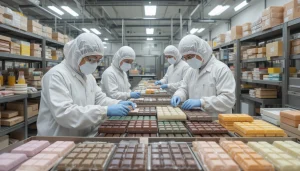
The Spring & Mulberry salmonella recall shows how closely premium food brands and ingredient suppliers are now being monitored. Consumers expect clear information about sourcing, production standards and how companies prevent contamination risks.
Key Food Safety Lessons:
- Strong supplier verification is essential for imported ingredients.
- Routine microbial testing helps detect possible contamination early.
- Batch traceability allows companies to identify affected products quickly.
- Fast recall communication protects consumers and limits wider risk.
- Cross-border regulatory cooperation is becoming more important.
Chocolate brands face added challenges because ingredients such as nuts, fruits, spices and natural sweeteners may come from global supply chains.
Although recalls can affect brand trust, voluntary action can also show responsible crisis management. As food networks become more international, stronger safety systems will remain vital for the chocolate industry.
How Are Food Companies Responding to Increasing Salmonella Recall Concerns?
Food manufacturers are investing more heavily in contamination prevention technologies as Salmonella-related recalls continue affecting multiple sectors globally.
Recent recalls involving snack foods, frozen meals, dairy products and confectionery have intensified pressure on brands to strengthen supplier monitoring systems.
Many companies are now introducing the following:
- Enhanced ingredient screening
- Faster digital traceability systems
- Independent third-party audits
- More frequent laboratory testing
- Supplier accountability programmes
The Spring & Mulberry case may encourage smaller premium food brands to review their own sourcing procedures more aggressively, especially when using specialised imported ingredients.
Industry analysts believe consumer awareness around food safety has also increased significantly due to social media and real-time recall reporting. As a result, companies often choose proactive recalls earlier in investigations to minimise reputational risks and public health concerns.
What Are the Latest Updates on the Spring & Mulberry Chocolate Recall Case?
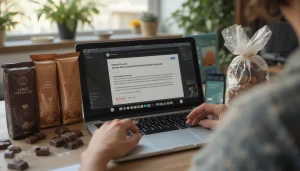
The latest FDA update confirms that all 12 Spring & Mulberry chocolate flavours remain under recall as investigations continue. No confirmed illnesses have been linked to the products at the time of writing.
The company has stated that all finished chocolate products tested negative for salmonella, but regulators continue treating the implicated date ingredient as a possible contamination source.
Current recall status summary:
Recall Element Current Status
Total flavours recalled 12
Confirmed illnesses None reported
Products tested positive None
Suspected contamination source Date ingredient lot
Refunds available Yes
Investigation status Ongoing
Consumers are still encouraged to avoid consuming any affected products while investigations remain active.
The situation continues to evolve as food safety authorities monitor distribution channels and supplier records linked to the implicated ingredient batch.
Conclusion
The Spring & Mulberry salmonella recall shows how food safety actions can quickly expand when ingredient tracing reveals wider risks.
Although no illnesses have been reported and products tested negative, the company and regulators recalled affected chocolate bars to protect consumers. Shoppers should check packaging, avoid eating recalled items and request refunds through the official process.
The case highlights the need for supply chain transparency, especially as global food networks make ingredient-related recalls an ongoing concern for regulators and consumers.
Frequently Asked Questions
Is Spring & Mulberry chocolate safe to eat now?
Consumers are currently advised not to consume recalled products until official clearance is issued by regulators or the company.
Can you get a refund without the original receipt for recalled chocolate?
Current guidance suggests consumers only need packaging photos showing batch codes to request refunds.
How long does salmonella food poisoning usually last?
Most healthy people recover within four to seven days, although severe cases may require medical treatment.
Are online chocolate purchases harder to track during recalls?
Yes, online sales can complicate recall communication because products may reach customers across multiple countries and retailers.
Can contaminated ingredients affect products that test negative?
Yes. Regulators may still issue recalls if there is a reasonable possibility of contamination despite negative final-product testing.
What agencies monitor chocolate product recalls in the United States?
The FDA primarily oversees packaged food recalls involving contamination risks such as salmonella.
How should recalled food products be disposed of safely at home?
Consumers should seal recalled products in a bag before disposing of them to reduce accidental consumption or contamination risks.