
Repaying Spouse’s DWP Debt: UK Liability Rules Explained
 • June 9, 2026
Key Takeaways:
- Marriage alone does not create liability – A spouse is not automatically responsible for another person’s DWP debt.
- Joint claims can create joint liability – Universal Credit and Tax Credit overpayments may be recovered from either or both partners.
- Repayment rates can differ – The DWP assesses each person’s circumstances separately when setting deductions.
- Separation does not always remove liability – Former partners may still be pursued for debts linked to joint claims.
- Recovery can occur through various methods – Deductions from benefits, wages, or repayment arrangements may be used.
- Decisions can be challenged – Claimants may request reviews or challenge incorrect overpayment decisions.
What Does a DWP Debt Mean?
A DWP debt arises when the Department for Work and Pensions determines that a person has received more benefits than they were entitled to receive. This can occur for various reasons, including changes in circumstances that were not reported promptly, administrative errors, incorrect information provided during a claim, or reassessments of entitlement.
Not every overpayment is linked to wrongdoing or fraud. In many cases, overpayments occur because information changes during a claim period, and adjustments are made later. Regardless of the reason, the DWP generally has the power to recover overpaid amounts.
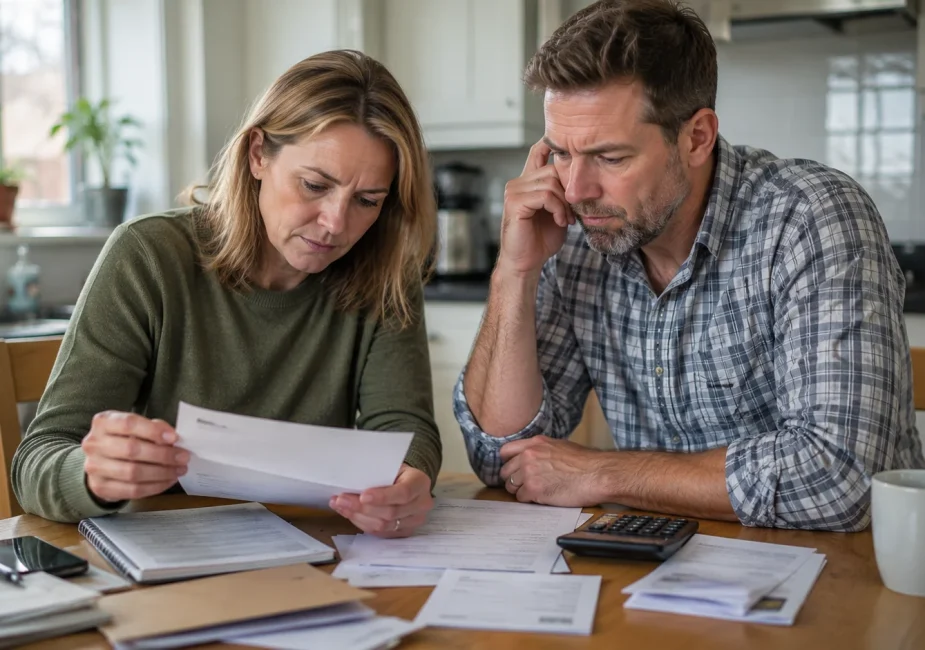
For many households, receiving a debt notification can be concerning because it raises questions about who is responsible for repayment and how the debt will be recovered.
Can Someone Be Forced to Repay Their Spouse’s DWP Debt?
The answer depends largely on how the debt originated and whether the benefit claim was made individually or jointly.
For most individual benefit claims, responsibility remains with the claimant who received the benefit. Marriage alone does not transfer legal liability from one spouse to another.
However, certain benefits involve joint claims. In these situations, both members of a couple may share responsibility for overpayments, allowing the DWP to recover money from either partner.
Understanding the distinction between individual and joint liability is critical when assessing whether a spouse can be required to contribute towards repayment.
Individual Benefit Debts
Individual benefit debts generally remain attached to the person who made the claim. Examples may include certain legacy benefits where only one claimant was receiving payments.
If the debt relates solely to an individual claim, the spouse is typically not personally responsible for repaying it.
Joint Benefit Claims
Joint claims operate differently. Where a benefit system treats both partners as joint claimants, an overpayment can create liability for both individuals.
This means the DWP may seek repayment from either partner regardless of who actually received the money into their bank account.
Which Types of DWP Debts Can Create Joint Liability?
Not every DWP-related debt creates the same legal obligations. The nature of the benefit involved often determines who can be pursued for repayment.
| Benefit Type | Usually Individual Liability | Potential Joint Liability |
|---|---|---|
| Universal Credit | No | Yes |
| Working Tax Credit | No | Yes |
| Child Tax Credit | No | Yes |
| Employment and Support Allowance | Yes | Generally No |
| Personal Independence Payment | Yes | No |
| Jobseeker's Allowance (Individual Claims) | Yes | Generally No |
Universal Credit Overpayments
Universal Credit is often claimed jointly by couples living together. Where an overpayment occurs on a joint claim, both claimants can become responsible for the debt.
The DWP does not necessarily divide the debt into equal shares. Instead, recovery action can be taken against either claimant, depending on the circumstances.
Tax Credit Overpayments
Tax Credit overpayments have historically created confusion for many couples. HMRC and the DWP may recover overpayments from either member of a couple who made a joint claim.
This often surprises people who assume each person is responsible for only half of the debt.
Does Marriage Automatically Make a Spouse Responsible for DWP Debt?

No. Marriage itself does not automatically make one spouse legally responsible for another person’s DWP debt.
A common misconception is that all debts become shared once a couple marries. While certain financial responsibilities may be considered jointly in some contexts, DWP debts are generally assessed according to the benefit claim structure.
If the debt relates to an individual claim, the spouse usually remains outside the recovery process. Joint liability typically arises because of the nature of the claim rather than the marital relationship itself.
How Does Joint and Several Liability Work in UK Benefit Claims?
Joint and several liability means that both claimants are legally responsible for the full amount of a debt rather than merely their individual share.
This legal principle gives the DWP flexibility when recovering overpayments. Rather than pursuing both people equally, the department may recover amounts from either person.
Many claimants mistakenly assume a debt will automatically be split 50/50. In reality, the DWP’s powers are often broader than that.
Welfare law specialist Rebecca Thornton explained: “Couples frequently expect an overpayment to be divided equally between them. However, joint liability allows recovery from either claimant, and repayment arrangements are often influenced by each person’s financial position rather than a strict fifty-fifty allocation.”
Can the DWP Pursue One Spouse for the Entire Debt?
In some situations, yes.
Where joint liability applies, the DWP may pursue one claimant for a larger proportion of the debt or, in certain circumstances, recover the full amount from one individual.
This does not necessarily mean the other claimant has escaped liability. Rather, it reflects the department’s recovery powers and practical considerations surrounding affordability and collection methods.
The exact recovery approach depends on factors such as benefit entitlement, earnings, existing deductions, and administrative considerations.
Why Am I Repaying More Than My Spouse’s DWP Debt?
One of the most common complaints from couples involves situations where one partner appears to be repaying significantly more of a joint overpayment than the other.
Although a joint Universal Credit or Tax Credit debt creates shared responsibility, the DWP does not always split recovery equally between both individuals. Instead, recovery action is often based on practical factors such as income, benefit entitlement, earnings, affordability assessments, and the method of collection available.
For example, if one spouse receives Universal Credit while the other works full time, deductions may be made at different rates. This can create the impression that one person is carrying more of the debt burden even though both remain jointly liable.
How Does the DWP Calculate Debt Recovery Deductions?
Recovery rates vary depending on the debt type and the claimant’s circumstances.
Deductions from Benefits
Where an individual receives benefits, the DWP may make deductions directly from those payments.
These deductions are often calculated according to established recovery rules and may vary depending on income levels and benefit entitlement.
Deductions from Earnings
Where a person is employed, recovery may occur through earnings-related processes. The amount recovered can differ significantly from deductions applied to someone receiving benefits.
Alternative Repayment Arrangements
Some individuals may negotiate repayment plans where direct deductions are not appropriate.
These arrangements can take household finances and affordability into account.
| Recovery Method | How It Works | Common Circumstances |
|---|---|---|
| Benefit Deductions | Money deducted from ongoing benefits | Current benefit recipients |
| Direct Earnings Recovery | Recovery through employment income | Employed individuals |
| Voluntary Repayment Plans | Agreed payment schedule | Financial hardship cases |
| Debt Management Arrangements | Managed recovery process | Complex debt situations |
What Happens If a Couple Separates or Divorces?

When couples separate, many assume that any DWP debt linked to their former partner automatically disappears. Unfortunately, this is not always the case.
The DWP normally looks at the status of the claim at the time the overpayment occurred rather than the couple’s current relationship. If the debt arose from a joint Universal Credit or Tax Credit claim, both individuals may remain liable even after separation or divorce.
In some situations, the DWP may allocate portions of the outstanding debt between former partners once a joint claim ends. However, liability itself does not automatically disappear simply because the relationship has ended.
Liability After Relationship Breakdown
If a debt arose from a joint claim, both parties may remain liable even after the relationship ends.
The timing of the overpayment is often more important than the couple’s current relationship status.
Ongoing Recovery Action
The DWP can continue recovery efforts after separation where liability already exists.
This means former partners may still receive communications regarding repayment years after the relationship has ended.
Can a Former Spouse Still Be Pursued for a Joint Overpayment?
Yes, in many situations.
If the overpayment originated during a period when both individuals were joint claimants, liability may survive separation or divorce.
The DWP generally focuses on the legal status of the claim at the time the overpayment occurred rather than the couple’s current circumstances.
As a result, former spouses can sometimes find themselves involved in debt recovery processes long after the relationship has ended.
What Happens If Only One Partner Received the Overpayment?
This is another area where misunderstandings frequently arise.
Even if payments were deposited into one person’s account, joint liability rules may still apply if both individuals were joint claimants.
The key issue is usually the legal structure of the claim rather than the location of the payments.
Benefits consultant Hannah Mercer explained: “People often focus on which bank account received the money. For joint claims, the more important question is who was legally named on the claim, because that determines potential liability.”
Can the DWP Recover Debt Without Court Action?
Many claimants are surprised to learn that the DWP often has powers to recover benefit overpayments without obtaining a court judgment first.
Depending on the circumstances, recovery can take place through deductions from ongoing benefits, direct recovery from earnings, agreed repayment plans, or other administrative recovery methods.
Court action remains available in some situations but is not always required before recovery begins. As a result, individuals may see deductions from benefits or wages without ever attending a court hearing.
Understanding the DWP’s recovery powers helps explain why repayment can begin quickly after an overpayment decision has been made.
| Recovery Method | Court Order Required? |
|---|---|
| Benefit Deductions | No |
| Universal Credit Deductions | No |
| Direct Earnings Recovery | No |
| Voluntary Repayment Plans | No |
| Debt Collection Agencies | No |
| County Court Action | Sometimes |
What Rights Do Claimants Have If They Disagree with the Debt?

Claimants are not required to accept every overpayment decision without question.
Where concerns exist regarding the calculation, amount, or basis of the debt, review mechanisms may be available.
Requesting Further Information
The first step is often obtaining a detailed explanation of how the overpayment arose.
This information can help identify potential errors or misunderstandings.
Mandatory Reconsideration
In some circumstances, claimants may request a formal review of the decision.
This process allows the relevant authority to reassess the facts and evidence.
Complaints and Escalation Routes
Where administrative concerns exist, complaints procedures may provide additional avenues for review.
Independent advice services may also help claimants understand their options.
Can DWP Debt Recovery Be Reduced Due to Financial Hardship?
Financial hardship may influence recovery arrangements in certain circumstances.
The DWP may consider affordability when determining recovery rates, particularly where deductions create significant financial pressure.
Claimants experiencing hardship should communicate their circumstances promptly and provide relevant financial information where requested. Although hardship does not automatically remove liability, it may affect how quickly the debt is recovered.
What Should Someone Do If They Receive a DWP Debt Recovery Notice?
Receiving a recovery notice should prompt careful review rather than panic.
Understanding the basis of the debt is the first step towards determining the appropriate response.
Reviewing the Decision
Claimants should examine the notice carefully and compare it with their records. Any discrepancies should be identified as early as possible.
Gathering Evidence
Supporting documentation can play an important role when challenging or clarifying a debt. Relevant records may include correspondence, award notices, and financial information.
Seeking Independent Advice
Independent welfare advisers, debt advisers, and legal professionals can help explain liability rules and available options. Early advice often prevents misunderstandings from becoming larger problems.
How Can Couples Manage DWP Debt Repayments Effectively?
Couples facing repayment obligations benefit from understanding exactly who is liable and how recovery is being calculated.
Open communication, careful review of DWP correspondence, and timely requests for clarification can reduce confusion.
Where repayment rates differ, understanding that deductions are often based on individual circumstances rather than equal shares can help explain apparent inconsistencies.
Seeking advice early may also assist in identifying repayment options, hardship considerations, and possible challenges where errors have occurred.
Conclusion
Repaying spouse’s DWP debt is rarely as straightforward as many people expect. Marriage alone does not automatically make one partner responsible for another person’s benefit debt, but joint claims such as Universal Credit and Tax Credits can create shared liability.
Recovery arrangements may vary significantly depending on income, benefits, affordability assessments, and the type of claim involved. Even after separation or divorce, liability can sometimes continue depending on the type of benefit claim involved.
Understanding exactly how the overpayment arose and reviewing the legal structure of the original claim are often the most important steps when responding to DWP recovery action.
Frequently Asked Questions
Is a spouse automatically liable for their partner’s DWP debt?
No. Marriage alone does not make someone legally responsible for their partner’s DWP debt. Liability usually depends on whether the debt arose from an individual benefit claim or a joint claim such as Universal Credit or Tax Credits.
Can the DWP recover a joint debt from only one person?
Yes. Where joint and several liability applies, the DWP may recover all or part of the debt from one claimant. This does not necessarily remove liability from the other person.
Why are repayment deductions different for each spouse?
Repayment rates are often based on individual income, benefits, earnings, and financial circumstances. As a result, one spouse may repay more each month even when both remain liable for the same overpayment.
Does divorce remove responsibility for a joint overpayment?
Not necessarily. If the overpayment occurred during a joint claim, liability may continue after separation or divorce. The DWP can often pursue former partners for debts connected to earlier joint claims.
What happens if only one partner received the overpayment?
For joint claims, liability is generally determined by who was legally named on the claim rather than which bank account received the money. This means both partners may still be responsible for repayment.
Can the DWP take money directly from wages?
Yes. In some cases, the DWP can recover overpayments directly from earnings through recovery arrangements with employers. The amount deducted depends on earnings and applicable recovery rules.
Can DWP debt deductions be reduced because of financial hardship?
In some cases, hardship considerations may influence recovery arrangements. Individuals experiencing financial difficulties should contact the relevant department to discuss their circumstances.
How long can the DWP pursue an overpayment?
The timeframe can vary depending on the nature of the debt and recovery activity. Certain overpayments may be pursued for many years if the debt remains outstanding.