High Street Expansion: Inside Modella Capital’s Global Acquisition of Flying Tiger Copenhagen
 • May 26, 2026
Key Takeaways:
- Buyer: Modella Capital is pursuing the acquisition of Flying Tiger Copenhagen to strengthen and expand its retail investment portfolio.
- Retail Scale: Flying Tiger Copenhagen operates an established international store network, including around 80 UK stores, providing immediate retail scale and market presence.
- Market Impact: The proposed deal reinforces continued investor confidence in physical retail despite changing consumer shopping behaviour.
- Strategic Benefit: Modella Capital gains access to a recognised value retail brand with opportunities for operational improvement and long-term growth.
- Consumer Relevance: Flying Tiger’s affordable, experience-led shopping model aligns with continued demand for discovery-based retail experiences.
- Future Direction: If completed, the focus is expected to remain on expansion, operational performance and preserving brand identity while supporting future retail innovation.
What Is Happening in the Modella Capital Flying Tiger Acquisition in 2026?

The Modella Capital Flying Tiger acquisition became one of the most discussed UK retail developments after reports emerged that Modella Capital was moving closer to taking control of Flying Tiger Copenhagen as part of its expanding retail portfolio.
Unlike a conventional retail purchase focused purely on adding store numbers, this transaction appears positioned around strengthening long-term retail performance while expanding ownership across recognised consumer brands.
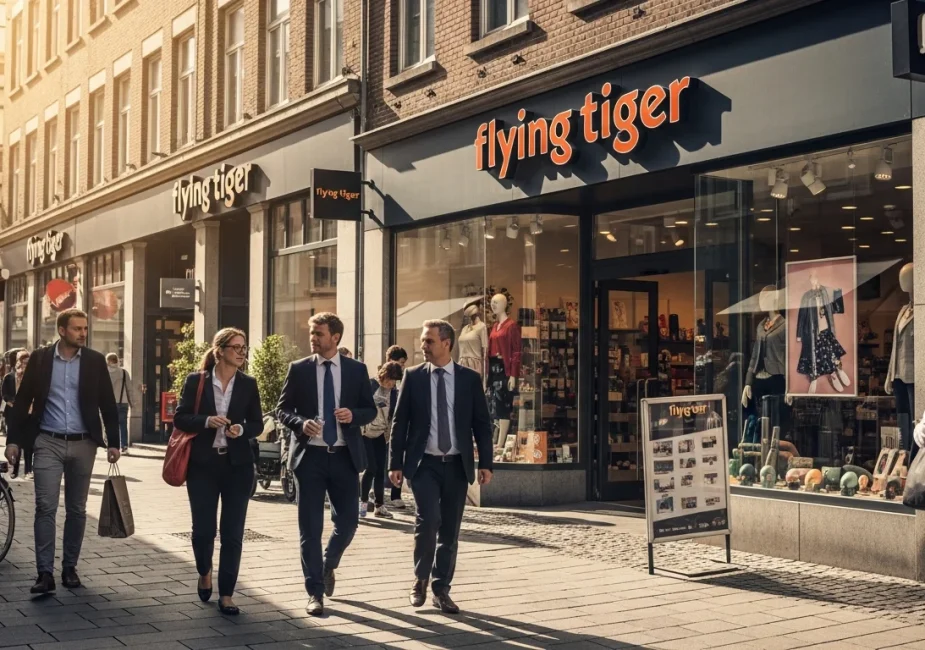
Flying Tiger Copenhagen operates a large international retail network, including approximately 80 stores across the UK and hundreds more globally, making it one of the better-known value retail brands in Europe. The business has built recognition through affordable products, changing merchandise ranges and an experience-led shopping model that encourages repeat customer visits.
For Modella Capital, the transaction could represent another significant step following recent activity across UK retail investments and restructuring-led opportunities.
The proposed acquisition has also attracted attention because it reflects changing investor confidence in high street retail. Rather than moving away from physical stores, investors increasingly appear focused on businesses capable of combining operational scale, recognisable branding and repeat customer engagement.
If completed, the deal may become one of the most closely watched retail ownership developments of 2026.
What Does the Modella Capital Flying Tiger Acquisition Mean for the Retail Industry?
The Modella Capital Flying Tiger acquisition arrives during a period where retail investment decisions increasingly prioritise businesses capable of combining physical presence with long-term adaptability. Rather than representing a conventional ownership transfer, the transaction reflects changing investment attitudes towards consumer retail and the role that established brands continue to play in global markets.
For several years, retail conversations were dominated by concerns around digital disruption and declining confidence in physical shopping locations.
However, recent market behaviour has demonstrated that retailers able to create memorable experiences and maintain operational discipline continue attracting investment interest.
Flying Tiger Copenhagen occupies a unique position because its stores offer more than product availability. The business model encourages discovery, repeat visits and impulse purchasing while maintaining affordability. This combination has become increasingly valuable as consumers seek engaging retail experiences without premium pricing.
From an industry perspective, this acquisition demonstrates how investors continue recognising opportunities in businesses with established identities and scalable infrastructure.
Who Is Modella Capital and How Has It Built Its Investment Portfolio?
Modella Capital has become increasingly visible in UK retail discussions through acquisitions focused on recognised consumer brands undergoing transition, restructuring or repositioning opportunities.
Its investment approach differs from traditional private equity models because the emphasis is often placed on rebuilding commercial performance rather than pursuing short-term ownership cycles.
Recent retail activity has increased attention on Modella’s strategy of acquiring established businesses with existing customer recognition and operational infrastructure.
Why Did Modella Capital Pursue the Acquisition of Flying Tiger Copenhagen?
Acquisitions at this level rarely occur for a single reason. They generally involve a combination of growth opportunities, market timing and alignment between investor objectives and business capability.
Flying Tiger Copenhagen presents several characteristics that may have increased acquisition appeal.
Firstly, the retailer already operates internationally, reducing barriers commonly associated with expansion.
Scale may also have influenced acquisition interest because Flying Tiger Copenhagen already has an established retail footprint across multiple international markets, including around 80 UK locations, reducing the need for building market presence from the beginning.
Secondly, the brand combines value pricing with an experience-driven shopping model. This positioning allows it to appeal to consumers across different economic conditions.
Thirdly, the business has developed a retail identity that remains recognisable while still offering flexibility across regional markets.
From a strategic perspective, Modella Capital may view Flying Tiger Copenhagen as a platform capable of supporting:
- Expansion into additional markets
- Enhanced operational efficiency
- Stronger customer engagement
- Broader retail diversification
Another important consideration involves consumer behaviour. Retailers that encourage frequent store visits and maintain changing product ranges often create stronger customer engagement than static retail formats.
Is This a Growth Acquisition or a Retail Turnaround Strategy?
Although acquisitions are often presented as expansion stories, retail transactions frequently involve operational improvement objectives alongside growth ambitions.
Flying Tiger Copenhagen already possesses customer awareness and international reach, which reduces development time compared with launching a new retail concept.
From Modella Capital’s perspective, ownership may create opportunities to optimise store performance, improve retail efficiency and strengthen commercial execution while preserving customer familiarity.
At the same time, retail investors increasingly evaluate whether established brands can generate stronger outcomes under alternative ownership structures.
This creates a balance between protecting existing strengths and introducing operational improvements capable of supporting future growth.
That balance may become one of the most important factors influencing how the market judges the success of this acquisition.
How Has Flying Tiger Copenhagen Become a Global Retail Brand?

Growth Journey and International Presence
Flying Tiger Copenhagen’s international development has been driven by its ability to create a retail experience that feels distinctive while remaining broadly accessible.
Unlike retailers focused entirely on necessity purchasing, Flying Tiger developed an environment built around exploration and discovery.
Consumers visiting stores often encounter changing product selections across categories, encouraging repeat engagement.
This approach helped the business expand internationally while maintaining consistent brand recognition.
What Strategic Advantages Could This Acquisition Deliver?
The acquisition creates opportunities extending beyond ownership.
One immediate advantage involves scale. Modella Capital gains access to an established retail operation rather than investing years into infrastructure development.
Another advantage involves operational learning. Existing customer behaviour, supply chain processes and retail systems provide valuable insights for future decision making.
Additional strategic opportunities may include:
- Improved retail efficiency
- Greater investment flexibility
- Enhanced international positioning
- Stronger operational consistency
- Increased customer retention capability
Strategic Opportunities Created by the Acquisition
| Opportunity | Potential Outcome |
|---|---|
| Store Optimisation | Improved customer experience |
| Expansion Planning | Faster market entry |
| Operational Improvement | Better commercial performance |
| Retail Innovation | Enhanced competitiveness |
| Customer Development | Stronger long-term loyalty |
Strategic acquisitions become most effective when ownership improves business capability without disrupting consumer expectations.
Retail economist Daniel Whitmore observed:
“Strong retail investments do not replace successful customer experiences they strengthen the systems behind them so growth becomes sustainable.”
That principle may become particularly important during the next phase of Flying Tiger Copenhagen’s development.
How Could the Deal Influence UK High Street Retail?
The UK high street has experienced years of transformation driven by changing shopping habits, economic pressures and increasing digital competition. While online retail continues to influence purchasing behaviour, physical stores remain commercially important when they provide convenience, engagement and a distinctive customer experience.
The Modella Capital Flying Tiger acquisition may contribute to renewed confidence across sections of the UK retail sector because it demonstrates that established consumer brands continue attracting investment despite challenging conditions.
Retail investment decisions often influence broader market sentiment. When recognised retail businesses receive strategic backing, it can encourage confidence among landlords, suppliers, retail operators and surrounding businesses.
Flying Tiger Copenhagen’s retail model also aligns with several developments currently shaping the UK market:
- Greater focus on experience-led shopping
- Demand for affordable purchasing options
- Consumer interest in discovery-based retail
- Continued importance of physical locations
One reason this acquisition may attract attention is because it reinforces the role of stores as destinations rather than simple transaction points.
Modern consumers increasingly expect stores to deliver more than product access. They seek environments that encourage browsing, exploration and convenience.
For UK high streets, transactions of this nature may contribute to a wider shift where retailers continue adapting store formats to improve engagement and maintain relevance.
Retail growth in future years may depend less on increasing store numbers and more on creating reasons for customers to return.
What Operational Changes Could Follow the Acquisition?
Brand Positioning and Retail Management
Operational changes following acquisitions are often misunderstood.
Successful retail acquisitions generally avoid dramatic changes that disrupt customer familiarity. Instead, they focus on improving systems, processes and execution behind the scenes.
For Flying Tiger Copenhagen, operational changes may involve strengthening areas that support performance while preserving brand identity.
Possible areas of focus include:
- Inventory optimisation
- Retail analytics
- Store performance monitoring
- Customer engagement systems
- Operational efficiency initiatives
Retail operators increasingly rely on data to support commercial decisions.
Improved visibility into customer purchasing patterns can help optimise stock allocation and improve in-store performance.
Another important area involves brand positioning.
Flying Tiger Copenhagen’s identity has become closely associated with affordability and discovery. Maintaining this positioning while improving execution may become essential.
Retail transitions often succeed when consumers experience continuity rather than disruption. Operational improvements therefore, become most effective when they remain largely invisible to customers while improving performance internally.
What Challenges May Modella Capital Face Following the Acquisition?

Acquisitions create opportunities but also introduce meaningful execution challenges.
Retail businesses operating internationally face complexity across operations, customer expectations and commercial performance.
Potential challenges may include:
- Preserving brand identity
- Managing operational integration
- Maintaining retail consistency
- Supporting international growth
- Responding to changing consumer behaviour
One of the most significant risks in retail acquisitions involves changing too much too quickly. Consumers generally develop loyalty around familiarity and experience.
Major adjustments that weaken these strengths can affect performance. Another challenge involves balancing investment expectations with operational realities. Growth initiatives require resources, coordination and market understanding.
Consumer retail analyst Sophie Harrington commented:
“Retail acquisitions tend to perform strongest when leadership protects customer expectations while improving the operational foundations supporting growth.”
That balance may become especially important throughout the transition period.
How Could Employees, Suppliers and Retail Partners Be Affected?
Retail acquisitions rarely affect ownership alone. They often create operational changes that influence employees, supply networks and commercial relationships across multiple levels of the business.
For employees, acquisitions can create both opportunity and uncertainty.
In the short term, teams may experience changes in reporting structures, operational priorities and business expectations. However, long-term investment can also create opportunities through stronger infrastructure, improved retail processes and expanded career pathways.
Employee outcomes are often shaped by how effectively leadership manages communication and transition planning.
Potential employee impacts may include:
- Greater investment in operational capability
- Introduction of new performance measures
- Opportunities linked to business growth
- Increased focus on customer experience delivery
Suppliers may also experience meaningful changes.
Retail acquisitions often lead to reviews of procurement practices, inventory planning and commercial agreements. Businesses with larger investment backing frequently aim to improve purchasing efficiency while maintaining product quality and availability.
What Happens Next Following the Modella Capital Flying Tiger Acquisition?

If the acquisition progresses as expected, the next phase will likely focus on operational continuity rather than immediate visible change.
Retail ownership transitions generally prioritise maintaining customer confidence while strengthening internal performance measures.
Areas expected to receive attention may include:
- retail operations
- expansion priorities
- inventory management
- commercial performance
- customer retention
For customers, the immediate experience often changes very little during early transition periods.
The longer-term impact will depend on how effec
Conclusion
The Modella Capital Flying Tiger acquisition reflects a wider shift in retail investment where established consumer brands continue attracting attention through their ability to combine experience, affordability and international scalability.
Rather than representing a traditional ownership transition, the transaction highlights how investors increasingly value operational strength, customer loyalty and long-term market relevance.
For the UK retail sector, the deal reinforces confidence in the continued role of physical retail when supported by strategic investment and evolving customer expectations. The long-term outcome will depend not simply on expansion but on preserving the qualities that made Flying Tiger Copenhagen successful while strengthening its future growth potential.
FAQs
What is the Modella Capital Flying Tiger acquisition?
The Modella Capital Flying Tiger acquisition refers to Modella Capital’s move to acquire Flying Tiger Copenhagen as part of its retail growth strategy.
Why is Modella Capital interested in Flying Tiger Copenhagen?
Modella Capital appears interested due to Flying Tiger’s international presence, strong brand recognition and experience-led retail model.
Will Flying Tiger stores continue operating after the acquisition?
Store operations are generally expected to continue while ownership transition and strategic planning take place.
How could the acquisition affect UK high street retail?
The deal may reinforce confidence in physical retail and encourage further investment in established consumer brands.
Does Flying Tiger Copenhagen operate internationally?
Yes, Flying Tiger Copenhagen operates across multiple international markets with a broad retail footprint.
Could customers notice changes after the acquisition?
Most early-stage retail acquisitions focus on internal improvements rather than immediate customer-facing changes.
What does this deal suggest about retail investment trends?
The acquisition highlights growing investor interest in scalable and experience-driven retail businesses.