Midlands High Street Business Crisis: Why Regional Town Centres Face Record Closures in 2026?
 • May 28, 2026
Why Is the Midlands High Street Business Crisis Getting Worse in 2026?
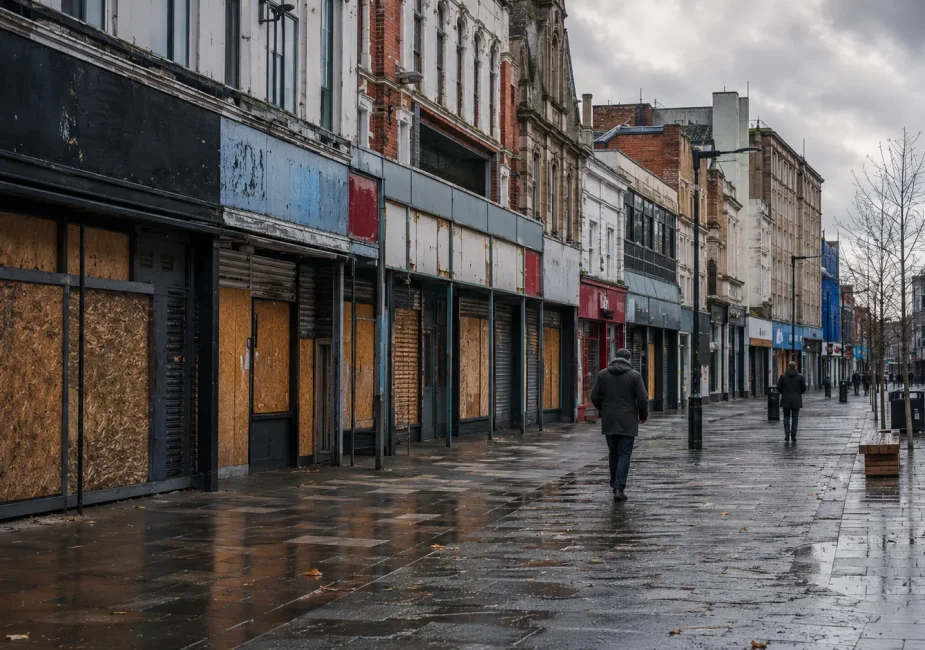
When I visited several Midlands town centres earlier this year, the contrast between busy retail parks and quieter high streets was striking. In areas that once relied heavily on independent shops and local cafés, many storefronts now sit empty with “To Let” signs covering entire stretches of the street.
The Midlands high street business crisis has developed over several years, but 2026 appears to be one of the hardest periods yet for regional retailers. Business owners repeatedly told me the same thing – costs are rising faster than revenue.
One of the biggest changes I noticed compared to previous years was the visible increase in vacant storefronts across smaller Midlands shopping areas. In some sections of Dudley and Wolverhampton, entire retail parades appeared noticeably quieter even during lunchtime trading hours.
Several traders told me weekday footfall now feels weaker than parts of the post-pandemic recovery period. The contrast between busy retail parks and struggling town centres has become increasingly obvious throughout spring 2026.
Economic Pressures on Regional Businesses
The wider UK economy continues to place enormous pressure on regional businesses. Inflation remains stubbornly high in certain sectors, particularly energy, logistics and food supply. While larger national chains often have the resources to absorb some of these increases, independent retailers across the Midlands do not.
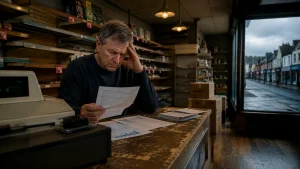
During a visit to Walsall, I spoke with a local clothing retailer who had operated for over 18 years. He explained that monthly overheads had nearly doubled since 2021 while customer spending had fallen significantly.
Retail consultant Martin Hughes explained the issue clearly: “Many Midlands businesses are facing a dangerous combination of reduced footfall and rising operational costs. Even profitable businesses are finding their margins disappearing.”
Another noticeable issue is consumer caution. Shoppers are still spending money, but they are spending differently. Essentials dominate household budgets, leaving less room for independent retail purchases.
How Are Rising Business Costs Impacting Midlands Retailers?
The rising cost of operating a physical business has become one of the biggest drivers behind closures across Midlands town centres. Whether it is rent, utilities, wages or supplier charges, nearly every expense category has increased.
Walking through Dudley High Street, I noticed several family-run businesses advertising closing-down sales. One owner told me she had delayed shutting her store for nearly a year in the hope that conditions would improve.
Energy Costs, Rent Increases and Taxation Challenges
Energy costs remain a major issue for retailers and hospitality businesses. Restaurants, cafés and convenience stores are especially vulnerable due to refrigeration, heating and lighting expenses.
The situation becomes even more difficult when combined with:
| Rising Cost Factor | Effect on Businesses |
|---|---|
| Commercial rent increases | Reduced profitability for independent retailers |
| Business rates | Higher financial pressure on physical stores |
| National insurance changes | Increased staffing expenses |
| Utility bills | Greater monthly operating costs |
| Supplier inflation | Reduced stock margins |
In Coventry, one café owner explained that weekday trade no longer covers the cost of operating the premises. She told me that weekends remain profitable, but weekday traffic has declined sharply compared to pre-pandemic years.
The challenge for many businesses is that customers themselves are under financial pressure. Passing rising costs directly onto consumers often results in reduced sales volumes.
Which Midlands Town Centres Are Being Hit the Hardest in 2026?
During my recent visits across the Midlands, some town centres appeared far more affected than others. Areas of Wolverhampton, Dudley, Walsall and smaller shopping districts near Birmingham showed visible signs of declining retail activity, including empty units, reduced weekday footfall and increased “To Let” signage.
Several local business owners explained that smaller independent stores are struggling to compete with larger retail parks that offer easier parking, major supermarket anchors and stronger evening traffic. In some locations, older indoor shopping centres also appeared noticeably quieter than in previous years.
Current issues affecting several Midlands town centres include:
| Town Centre Issue | Visible Impact |
|---|---|
| Rising vacant units | Reduced shopping activity |
| Declining footfall | Lower sales for independent retailers |
| Shift toward retail parks | Fewer town centre visitors |
| Rising operational costs | Increased business closures |
| Reduced evening economy | Quieter hospitality trade |
A retailer I spoke with near Walsall explained that customer traffic now drops sharply after mid-afternoon on weekdays. Another trader in Wolverhampton described current conditions as “the hardest trading environment since the financial crisis.”
The growing difference between thriving retail parks and struggling traditional high streets has become one of the clearest signs of the Midlands high street business crisis in 2026.
Why Are Independent Shops Closing Across Midlands Town Centres?
Independent businesses are often the heart of regional high streets. However, they are also the most financially vulnerable during economic downturns.
As I walked through parts of Wolverhampton, several long-established independent stores had disappeared entirely. Some units had remained vacant for months.
Falling Consumer Spending and Shrinking Profit Margins
Many local businesses now operate on extremely thin margins. Rising supply costs combined with weaker consumer demand leave little room for financial stability.
A local gift shop owner in Coventry described the current environment as “survival mode”. She explained that even loyal customers have reduced spending because household bills are taking priority.
The crisis is affecting sectors differently:
| Business Type | Current Challenge |
|---|---|
| Fashion retailers | Reduced discretionary spending |
| Cafés and restaurants | Higher energy and staffing costs |
| Convenience stores | Supplier price increases |
| Beauty salons | Consumers cutting optional spending |
| Bookshops and gift stores | Increased online competition |
One of the most concerning patterns I noticed during my visits was the emotional toll on business owners. Many are deeply attached to their shops because they represent years of personal investment and community presence.
Sarah Jennings, who runs a small homeware shop near Birmingham, told me: “I never imagined we would struggle this much after surviving the pandemic. The biggest issue now is that customers simply have less money to spend.”
Is Online Shopping Accelerating the Decline of Midlands High Streets?
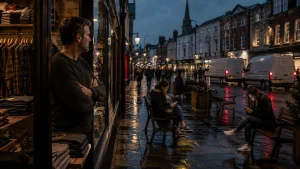
Online shopping continues to reshape how people buy products across the UK. While eCommerce offers convenience and lower prices, it has also reduced physical high street traffic significantly.
In several Midlands towns, I noticed shoppers using stores mainly for browsing before later purchasing products online.
Growth of Ecommerce and Changing Shopping Habits
Consumer behaviour has changed rapidly over the last decade. Many people now prioritise:
- Convenience
- Fast delivery
- Lower online prices
- Wider product availability
- Mobile shopping accessibility
For independent retailers, competing with large online marketplaces is extremely difficult. Many local businesses simply cannot match the pricing power or delivery infrastructure of major platforms.
Retail analyst Emma Carter explained it this way: “The high street is no longer competing only with neighbouring shops. Every independent retailer is effectively competing with global online marketplaces operating 24 hours a day.”
Despite this, some businesses are adapting successfully by combining physical stores with online sales platforms. Hybrid retail models are becoming increasingly important for survival.
How Has Inflation Changed Consumer Behaviour in the UK?
Inflation has changed spending priorities across the country. During conversations with shoppers in Leicester and Coventry, many people said they now visit town centres less frequently than before.
Reduced Discretionary Spending Among Households
Consumers are becoming more selective with spending decisions. Essential purchases dominate budgets while non-essential retail spending continues to decline.
Current consumer trends include:
- Fewer impulse purchases
- Reduced restaurant visits
- Greater focus on discounts
- Increased use of online price comparisons
- Less frequent shopping trips
This shift directly impacts regional businesses that depend on consistent local footfall.
In several Midlands shopping areas, I observed that supermarkets and discount retailers remained relatively busy while smaller independent stores struggled for customers.
The cost of living crisis has also changed social habits. Many families are reducing leisure spending, which affects cafés, pubs and entertainment venues throughout regional town centres.
Why Are Empty Shops Increasing Across Midlands Town Centres?
One of the most visible signs of the Midlands high street business crisis is the growing number of vacant commercial units.
In parts of Dudley and Walsall, entire sections of previously active shopping streets now appear noticeably quieter.
Rising Vacancy Rates and Reduced Footfall
Vacant shops create a negative cycle for town centres. As businesses close, footfall declines further, making nearby shops more vulnerable.
The effects include:
| Impact of Empty Shops | Consequence |
|---|---|
| Reduced visitor numbers | Lower spending in surrounding businesses |
| Declining investor confidence | Slower redevelopment activity |
| Poor visual appearance | Less attractive shopping environment |
| Reduced local employment | Economic pressure on communities |
| Lower business diversity | Fewer reasons for visitors to return |
Several local residents I spoke with said they now prefer retail parks because parking is easier and larger stores offer more convenience.
This creates an additional challenge for traditional town centres attempting to attract younger consumers.
Are Hospitality Businesses in the Midlands Also Struggling?
Retail is not the only sector under pressure. Hospitality businesses across the Midlands are facing similar financial challenges.
During evening visits to several town centres, I noticed quieter pubs and restaurants compared to previous years.
Challenges Facing Pubs, Cafés and Restaurants
Hospitality operators face multiple pressures simultaneously:
- Higher food costs
- Rising staff wages
- Increased utility bills
- Reduced evening spending
- Lower weekday trade
A restaurant manager in Wolverhampton explained that customer behaviour has shifted dramatically since 2023. People still socialise, but they spend less per visit and dine out less frequently.
Some hospitality businesses are attempting to adapt through smaller menus, digital ordering systems and promotional pricing strategies.
However, many independent venues lack the financial reserves needed to withstand prolonged economic uncertainty.
Can Government Support Help Midlands High Streets Recover?
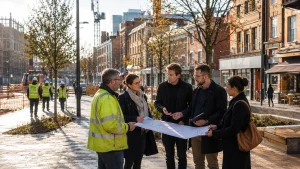
Local councils and government programmes continue to invest in high street regeneration, although opinions on effectiveness remain divided.
Regeneration Funding and Local Business Support Schemes
Several Midlands councils are introducing projects aimed at improving town centre appeal through infrastructure upgrades, public spaces and transport improvements.
Current support initiatives include:
- High street regeneration grants
- Small business support funding
- Public transport investments
- Empty property redevelopment schemes
- Community business initiatives
During my visit to Coventry, local officials highlighted ongoing redevelopment plans designed to attract new businesses and improve visitor experiences.
Some business owners remain hopeful that regeneration can improve conditions long term. Others believe support has arrived too slowly to prevent closures already happening.
What Are Local Councils Doing to Revive Regional High Streets?
Local authorities increasingly recognise that traditional retail-only town centres may no longer be sustainable.
Community Investment and Redevelopment Initiatives
Many councils are shifting towards mixed-use town centre models that combine:
- Residential developments
- Leisure spaces
- Independent retail
- Hospitality venues
- Flexible workspaces
This strategy aims to create more consistent daily footfall rather than relying solely on shopping activity.
While walking through redevelopment areas near Birmingham, I noticed growing investment in residential apartments close to town centres. Local planners believe increasing residential populations could support nearby businesses more effectively.
Urban development consultant Rachel Moore explained: “Future high streets must become community destinations rather than purely shopping locations. People now expect experiences, convenience and flexibility.”
Although recovery will take time, some Midlands towns are beginning to explore more sustainable economic models.
What Does the Future Hold for Midlands Town Centres Beyond 2026?
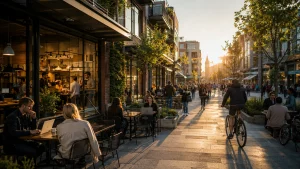
The future of Midlands high streets remains uncertain, but change is clearly unavoidable.
Traditional retail models continue to struggle, yet some businesses are successfully adapting through innovation, digital integration and community engagement.
Retail Transformation and Long-term Recovery Strategies
Several trends are likely to shape future regional high streets:
- Greater use of mixed-use developments
- Increased focus on local experiences
- Expansion of independent food and leisure businesses
- Integration of online and physical retail
- More flexible commercial spaces
Some towns may recover faster than others depending on infrastructure investment, transport access and local economic conditions.
During my visits across the Midlands, I found both concern and cautious optimism. While closures continue to rise, there are also examples of resilience where businesses are adapting creatively to survive changing consumer habits.
The long-term success of Midlands town centres may depend less on returning to the past and more on embracing entirely new models for community commerce.
Conclusion
After visiting several Midlands town centres and speaking directly with business owners, the scale of the Midlands high street business crisis in 2026 became impossible to ignore.
Rising costs, weaker consumer spending, online competition and changing shopping habits are all contributing to record business closures across the region. However, there are still signs of resilience among independent retailers and local communities working to revitalise their town centres.
In several Midlands locations, the visible increase in empty retail units and quieter shopping streets now highlights how deeply the crisis is affecting local communities. Many traders fear that without stronger consumer recovery and continued investment, more closures may follow throughout the remainder of 2026.
The future of Midlands high streets will likely depend on adaptation, regeneration and stronger local investment. While recovery may take years, many businesses remain determined to fight for the survival of regional commerce and community identity.
FAQ
What is causing the Midlands high street business crisis in 2026?
The crisis is mainly being driven by rising operating costs, inflation, reduced consumer spending and increased competition from online retailers. Many independent businesses are struggling to remain profitable under current economic conditions.
Why are independent retailers struggling in the Midlands?
Independent retailers often operate with smaller financial reserves compared to large national chains. Rising rent, energy bills and weaker customer spending have made survival increasingly difficult for many local businesses.
How is online shopping affecting UK town centres?
Online shopping has reduced physical footfall across many town centres because consumers now prioritise convenience and competitive pricing. This shift has particularly impacted smaller retailers that rely heavily on walk-in customers.
Are Midlands businesses receiving government support?
Some businesses are benefiting from local regeneration grants and support programmes. However, many owners believe financial assistance has not fully matched the scale of the challenges facing high streets.
What impact does inflation have on local retailers?
Inflation increases operating costs such as utilities, wages and supplier prices. At the same time, consumers often reduce discretionary spending, creating additional pressure on local businesses.
Why are vacancy rates rising in regional town centres?
Vacancy rates increase when businesses close due to financial pressure or declining customer demand. Empty units can then discourage footfall further, creating a cycle of decline for surrounding businesses.
Can regeneration projects improve struggling high streets?
Regeneration projects can help attract investment, improve infrastructure and increase visitor appeal. However, long-term recovery usually depends on broader economic improvement and sustainable local business growth.
What is the future of Midlands town centres?
Many experts believe future town centres will become mixed-use community spaces with retail, leisure, residential and hospitality elements combined. Adaptation and innovation are expected to play a major role in long-term survival.