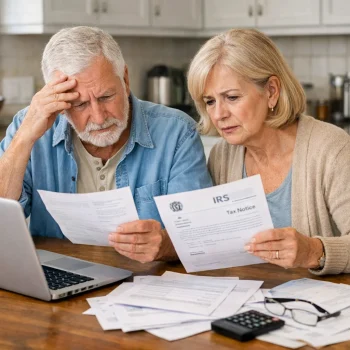
HMRC Confirms £500 Bank Deduction for Pensioners – Could You Be Affected?
 • December 18, 2025

Recent headlines claiming HMRC is deducting £500 from pensioners’ bank accounts have caused widespread concern, especially among those on fixed incomes. Much of this attention is driven by social media and unofficial sources, creating confusion and fear.
In reality, these reports are often misleading. HMRC can recover unpaid taxes in certain cases, but this power is limited and strictly regulated. No official guidance supports the idea that all pensioners are being targeted.
This article explains the facts, how HMRC’s Direct Recovery of Debts (DRD) works, and what pensioners need to know to protect their finances.
Why Are Headlines Claiming HMRC Is Deducting £500 from Pensioners?
The source of the panic appears to be a mixture of clickbait headlines and misunderstood tax policies. Various online platforms have circulated articles claiming that HMRC is actively removing a standard £500 amount from pensioners’ accounts, without proper context or verification.
Many of these claims stem from anecdotal reports or isolated incidents. The numbers cited, such as £300, £420, or £500, are rarely linked to official documents. Instead, they appear in social media discussions and viral posts, where nuance is often lost. For pensioners, especially those not digitally literate, such reports can seem authoritative and worrying.
While HMRC does perform tax reconciliations that can result in deductions, the idea of a fixed, automatic £500 deduction for all pensioners is not accurate. These stories often conflate legitimate enforcement powers with fictionalised mass deductions.
Has HMRC Officially Confirmed the £500 Bank Deduction?
To date, HMRC has not confirmed any policy authorising a £500 deduction specifically targeting pensioners. No official document, guideline, or statement suggests that this is a routine or widespread action.

In reality, HMRC’s ability to recover tax debts directly from bank accounts is regulated and only used in limited cases under the Direct Recovery of Debts (DRD) framework. The figures mentioned in news stories are likely average amounts from individual reconciliations, not standard charges applied across the board.
Many pensioners misunderstand letters from HMRC, such as the P800 tax calculation or a Simple Assessment notice, which are part of the tax correction process. These documents may mention amounts due, including figures close to £500, but they are based on individual financial circumstances.
The misunderstanding, then, lies not in HMRC policy, but in how these communications are interpreted and reported.
What Is the Direct Recovery of Debts (DRD) Scheme?
The DRD scheme was introduced by the UK government in 2015 as a means to recover outstanding tax or benefit-related debts. It allows HMRC to collect money directly from an individual’s bank or building society account only after meeting a strict set of legal requirements. Conditions for DRD Use:
Before any funds can be removed under DRD, HMRC must ensure:
- The individual owes more than £1,000 in unpaid tax or related debts
- The taxpayer has received multiple notices and warnings
- At least £5,000 remains in the account after the deduction is made
- The taxpayer has not responded to prior contact or made arrangements to pay
DRD is not designed as a surprise penalty. It is a last-resort measure used when all other attempts to contact the taxpayer have failed.
When and How Can HMRC Use DRD to Deduct Money from Bank Accounts?
DRD is a carefully regulated process. HMRC must follow a clearly outlined sequence of steps before requesting any deduction from a bank account.

This approach is designed to ensure fairness and give taxpayers ample opportunity to respond before any funds are withdrawn.
DRD Deduction Process – Step by Step:
| Step | Description | |||
|---|---|---|---|---|
| 1. Debt Notification | HMRC sends a notice to inform the taxpayer of an outstanding debt | |||
| 2. Final Warning Letter | A formal reminder is issued, outlining possible enforcement actions | |||
| 3. 30-Day Review Period | The taxpayer is given time to respond, dispute, or pay voluntarily | |||
| 4. Bank Contact | HMRC contacts banks to check account balances and confirm eligibility | |||
| 5. £5,000 Minimum Balance Check | Deduction proceeds only if £5,000 or more remains after withdrawal | |||
| 6. Deduction Execution | HMRC instructs the bank to transfer the owed amount and informs the taxpayer |
This table highlights that HMRC policy cannot simply remove funds at will. Each stage includes checks, notices, and rights for the taxpayer to respond or appeal.
Are London Pensioners Specifically Targeted by HMRC for Bank Deductions?
There is no evidence to suggest that pensioners in London, or any region, are specifically being targeted. The DRD policy applies nationwide and is not influenced by age, location, or income type.
However, London pensioners may feel disproportionately impacted due to higher living costs and complex income structures. Many retirees in the capital receive a combination of state, private, and occupational pensions, making them more susceptible to tax code errors or benefit overlaps.
That said, any action taken by HMRC is based on financial data, not demographics. If a pensioner in London is subject to DRD, it is because of a qualifying tax debt, not because they are a pensioner or live in the city.
What Are the Main Reasons a Pensioner Might Owe Money to HMRC?

Pensioners can find themselves in unexpected debt to HMRC for a variety of reasons. These debts are often unintentional and stem from routine changes in income or reporting errors, rather than any wrongdoing.
Common Causes of Tax Debt for Pensioners:
| Cause | Potential Outcome | |||
|---|---|---|---|---|
| Incorrect tax code | Too little tax deducted from pensions, leading to underpayment | |||
| Overlapping pension incomes | Multiple income streams taxed incorrectly or not at all | |||
| DWP benefit overpayments | Repayment required when eligibility changes aren't reported promptly | |||
| Bank interest exceeding allowance | Savings interest above threshold results in additional tax owed | |||
| Delayed reporting of income changes | Inaccurate records cause HMRC to reassess tax due retroactively |
By reviewing these common causes, pensioners can better understand how to prevent future tax issues and stay ahead of potential liabilities.
What Safeguards Are in Place to Protect Vulnerable Individuals?
HMRC acknowledges the need to protect vulnerable taxpayers, particularly pensioners who may struggle to understand or respond to correspondence. The DRD policy includes built-in protections:
Minimum Balance Protection
HMRC cannot deduct funds if it would leave a taxpayer with less than £5,000 across all accounts. This ensures pensioners and vulnerable individuals retain enough money for essential living expenses.
Notice and Dispute Rights
Taxpayers receive a 30-day notice before any deduction takes place. During this time, they can appeal, question, or dispute the amount or recovery method.
Hardship Consideration
HMRC must assess whether a deduction would cause undue financial strain. Safeguards are in place to prevent pushing low- or fixed-income individuals into hardship.
These safeguards are critical for ensuring that enforcement is fair, transparent, and avoids harming those already on low or fixed incomes.
How to Tell the Difference Between Real HMRC Notices and Scams?

One of the most pressing concerns is the rise in fraudulent messages pretending to be from HMRC. Scammers often prey on fear and confusion, using similar language to genuine notices.
Signs of a scam include:
- Unexpected texts or emails demanding immediate payment
- Threatening phone calls claiming legal action
- Requests for bank details or card numbers
- Messages with suspicious links or attachments
Authentic HMRC communication will never demand payment via phone or email. If in doubt, taxpayers should verify by logging into their HMRC Personal Tax Account or calling HMRC directly.
What Steps Can Pensioners Take to Avoid Unexpected Deductions?
Staying informed and proactive is the best defence against unwanted deductions. Pensioners can take a few practical steps to manage their tax affairs more effectively:
- Regularly review tax codes and pension statements
- Register for and monitor their Personal Tax Account on HMRC’s website
- Notify HMRC and DWP of any changes in income or address
- Seek help from trusted financial advisers or tax charities
- Check annual P800 notices and respond promptly
Ensuring that all income sources are correctly reported and codes are up-to-date can prevent unpleasant surprises down the line.
What Should You Do If You Receive a Deduction Notice from HMRC?
Receiving an official letter from HMRC can be unsettling, especially if it references a deduction. However, it is important not to panic. These notices typically include detailed explanations and options for resolving the issue.
If you receive such a notice:
- Read the entire letter carefully
- Compare the amount with your recent income records and pension statements
- Contact HMRC for clarification if anything seems unclear
- Request a Time to Pay arrangement if you’re unable to settle the full amount
- Consider disputing the debt if you believe it is incorrect
Acting quickly ensures that your options remain open and enforcement can potentially be avoided.
Conclusion
Reports of a £500 bank deduction from HMRC have caused concern among pensioners. However, no blanket policy targets all retirees.
These claims usually stem from misunderstandings of HMRC’s Direct Recovery of Debts (DRD) scheme, which applies only in specific cases involving unpaid taxes or benefit overpayments.
Safeguards ensure pensioners are not left in financial hardship, and HMRC must follow due process. By staying informed, reviewing finances, and responding promptly to correspondence, pensioners can protect their income and avoid unexpected deductions. Awareness, communication, and preparation are key.
Frequently Asked Questions
Can HMRC take money from a joint account if only one person owes tax?
Yes, but only if the debtor is a named account holder. HMRC applies additional checks in joint account cases.
How do I check if I’ve been overpaid by DWP or underpaid tax?
Log in to your HMRC Personal Tax Account or contact HMRC and DWP directly for detailed records.
What is a P800 tax calculation notice and why does it matter?
The P800 is a statement from HMRC showing whether you’ve overpaid or underpaid tax for the year. It outlines next steps.
Can I request more time if I can’t pay the tax HMRC says I owe?
Yes, HMRC offers Time to Pay arrangements allowing instalments. You must apply before enforcement begins.
Will the DRD scheme apply if I only receive a State Pension?
Unlikely. DRD generally applies when additional income or past debts exist beyond the basic pension.
What happens if I ignore a letter from HMRC?
Ignoring correspondence can lead to enforced recovery, including DRD. Always respond or seek support.
Who can help me understand my tax situation for free?
Organisations like Citizens Advice, Tax Help for Older People, and Age UK offer free support and advice.