
Fired Earth Administration Breakdown – How Did a Premium Home Retailer Fail?
 • December 26, 2025
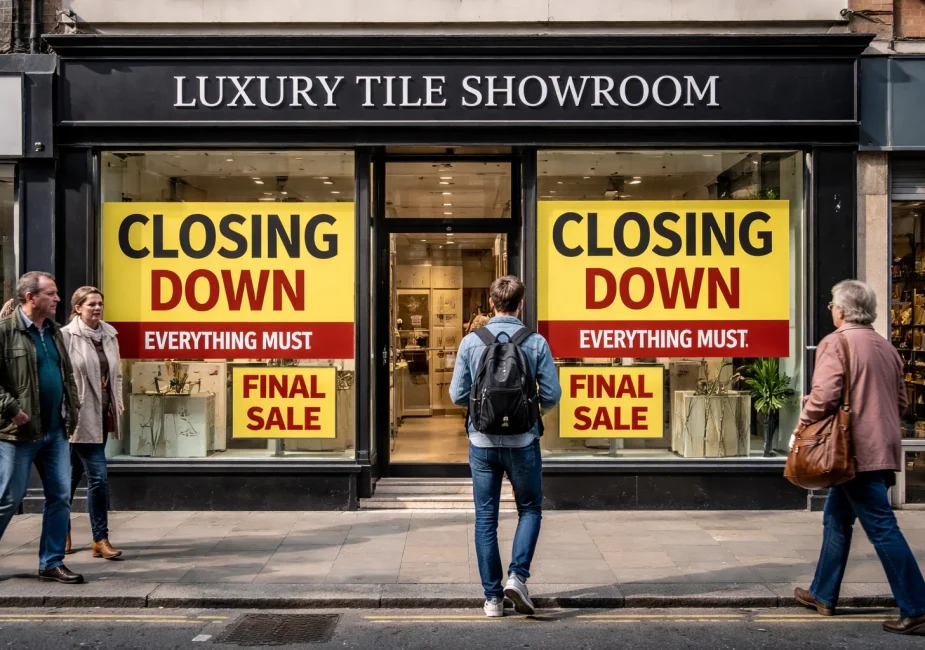
In an era where many British retailers are struggling to stay afloat, one name’s fall has particularly shaken the interiors market, Fired Earth.
Once a hallmark of luxury home design, Fired Earth entered administration in October 2025, leaving customers, employees, and the industry at large asking: How did such a premium brand collapse despite years of success and strong revenue?
This detailed breakdown explores the timeline, causes, and consequences of Fired Earth’s administration, offering a professional, fact-based look into one of the most talked-about business failures in the UK interiors sector.
Has Fired Earth Officially Gone into Administration?
Yes, Fired Earth Limited officially entered administration on 31st October 2025. The company, based in Banbury, Oxfordshire, had operated 20 showrooms across the UK and worked with over 20 independent stockists.
The appointment of Dane O’Hara and Alex Cadwallader of Leonard Curtis as joint administrators marked the beginning of a formal process aimed at salvaging what remained of the business.
The administration was not a surprise to those closely watching the home interiors sector. Industry insiders had noted significant challenges over recent years, from high overhead costs to reduced consumer demand for high-end renovation materials.
However, the closure of all physical stores and immediate redundancy of 133 staff members signalled just how serious the situation had become.
What Happened to Fired Earth and Why Did It Fail?

The collapse of Fired Earth wasn’t the result of a single event, but a series of ongoing issues that compounded over time.
Years of Trading Losses Despite Turnover
Despite reporting a £15 million turnover in 2024, the company suffered a £1.6 million loss in that same period. This followed a similar loss the year before, signalling a clear and troubling trend.
Fired Earth’s operating model, reliant on high street showrooms and premium customer service, struggled to remain viable in a post-COVID retail landscape.
“Fired Earth has been loss-making for some time. In the last three years, the company has been supported by its shareholder via substantial working capital loans,” noted administrator Dane O’Hara.
Increased Costs and Declining Confidence
Consumer spending on large renovation projects dropped significantly from 2023–2025 due to rising interest rates, inflation, and a general sense of economic uncertainty. At the same time, Fired Earth faced mounting costs across warehousing, logistics, rent, and energy.
Additionally, investor support ran dry. With no viable turnaround strategy, further funding was withdrawn, and the company was unable to meet its financial obligations.
Who Owns Fired Earth Now After the Administration Sale?
Following the collapse, Fired Earth’s brand and selected assets were purchased by Topps Tiles, one of the UK’s leading tile retailers, in a £3 million asset-only deal. This acquisition did not include any of the Fired Earth stores or employees.
Summary of Acquisition Details
| Details | Information |
|---|---|
| Acquirer | Topps Tiles PLC |
| Sale Type | Asset-only |
| Purchase Price | Approx. £3 million |
| Stores/Showrooms Included | None |
| Employees Retained | 0 (All 133 made redundant) |
| Date of Acquisition | Post 31st October 2025 |
This strategic move by Topps Tiles focused on brand equity and product lines, likely integrating them into their existing infrastructure. The Fired Earth online shop and wholesale distribution now operate under Topps’ broader umbrella.
“Our goal is to preserve the essence of the Fired Earth brand while restructuring it for modern retail demands,” a Topps Tiles representative stated following the deal.
Was the Fired Earth Administration Sale a Rescue or a Write-Off?

In practical terms, the sale was more of a brand rescue than a full business recovery. While the name survives, the company’s operating structure has been completely dismantled.
The administration process did consider multiple offers, but all were asset-only, and none included retention of physical locations or staff. The administrators confirmed that no proceedable offers met the full requirements to continue the business in its existing form.
This left Topps Tiles with the opportunity to acquire:
- Product designs and collections
- Digital assets and e-commerce rights
- Brand IP and customer databases
But without the physical infrastructure, Fired Earth as a retail entity effectively ceased to exist in the traditional sense.
How Did the Collapse of Fired Earth Impact Employees and Stores?
The impact was both immediate and widespread. All 20 showrooms were closed permanently, including flagship locations in Islington, Dulwich, Bath, Cheltenham, and Harrogate. The closure also included the termination of contracts with the 22 stockists who carried Fired Earth products across the UK.
Impact on Fired Earth’s Infrastructure:
| Area Affected | Outcome |
|---|---|
| UK Showrooms | All 20 closed |
| Employees | 133 made redundant |
| Independent Stockists | 22 affected, partnerships ended |
| Head Office | Remains open temporarily in Banbury |
| Warehouse | Remains open temporarily to fulfil orders |
Employees affected were supported by EVOLVE, a specialist advisory group instructed to help with redundancy claims and rights under the Employment Rights Act.
The redundancies, while devastating, were not unexpected. As noted by the administrators, staffing was not part of any acquisition interest, making it nearly impossible to preserve those roles under new ownership.
What’s the Current Status of Fired Earth’s Operations in the UK?
Today, Fired Earth continues to trade in a limited capacity under administration, primarily focusing on:
- Fulfilling existing customer orders
- Managing outstanding returns and complaints
- Maintaining logistics at the Banbury warehouse
While the e-commerce site is live, product availability has been reduced, and some lines have been discontinued.
The brand’s future is now solely digital, with any new product launches or catalogue revivals likely to be managed by Topps Tiles. There has been no indication of a return to physical retail.
How Has the UK Retail Sector Contributed to Fired Earth’s Collapse?
Fired Earth’s failure is symptomatic of a larger crisis facing UK multi-site retailers, especially those in the luxury and home improvement sectors.
Over the past three years, several tile and interiors businesses have either collapsed or dramatically restructured:
- CTD Tiles entered administration in 2024, with Topps Tiles acquiring some of its stores.
- Johnson Tiles closed its Staffordshire production facility, shifting to outsourcing due to manufacturing costs.
- Stiled Limited and Kajaria acquired segments of failing competitors.
These examples reveal an industry struggling under the weight of fixed costs, declining demand, and shifting consumer behaviour.
The trend is clear: high-street presence no longer guarantees success in this sector, and agility in digital transformation is now essential.
Who Was the Original Founder of Fired Earth and How Did It Grow?
Fired Earth was founded in 1983 in Oxfordshire, originally focusing on handmade terracotta floor tiles. Its humble beginnings on a local farm gradually evolved into one of the UK’s most recognised luxury interiors brands.
The company became well-known for:
- High-end tile designs
- Premium paints and finishes
- Designer collaborations
- Bespoke bathroom solutions
Over the years, the brand built strategic partnerships with Marks & Spencer, Frances Costelloe, and Bert & May, expanding its reach and appeal.
It wasn’t just a product-based business; Fired Earth became synonymous with design-led living, frequently featured in high-end magazines and design exhibitions.
However, as competitors modernised and digitised operations, Fired Earth’s brick-and-mortar-first model began to feel dated, contributing to its decline.
Is There a Future for the Fired Earth Brand Post-Administration?

The brand name will continue, albeit in a different form. Under Topps Tiles’ ownership, Fired Earth is expected to operate primarily as a heritage or prestige sub-brand.
While Topps has remained quiet on long-term plans, early signs suggest:
- Integration of popular Fired Earth products into existing Topps showrooms
- Continued e-commerce sales with limited SKUs
- Potential rebranding of select ranges under the Fired Earth name
However, without its dedicated showrooms or original team, it’s unlikely that Fired Earth will ever return to its former standalone glory.
Fired Earth – Before vs After Administration
| Element | Pre-Administration | Post-Administration |
|---|---|---|
| Ownership | Independent (with investor) | Topps Tiles (asset purchase) |
| Showrooms | 20 UK-wide | None |
| Staff | 133 | 0 |
| Business Model | Retail + Design Services | E-commerce + Wholesale |
| Operational Status | Full-service retailer | Limited trade + fulfilment |
Ultimately, Fired Earth’s future lies not in a revival of its former retail footprint, but in its evolution as a curated legacy brand, valued for its design heritage rather than its presence on the high street.
Conclusion
Fired Earth’s administration marks the end of an era for one of the UK’s most recognisable luxury interiors brands. Despite a strong legacy and notable turnover, years of trading losses, rising costs, and a shifting retail landscape led to its downfall.
While the brand name survives under Topps Tiles, its original identity, rooted in bespoke showrooms and premium design services, has been largely lost.
The case underscores broader challenges within the UK retail sector and highlights the urgent need for adaptability in an increasingly digital, cost-sensitive consumer market.
Frequently Asked Questions
What should customers do if they have outstanding orders with Fired Earth?
Customers with outstanding orders will be contacted by the administrators. The Banbury warehouse remains operational to fulfil pending shipments. For queries, customers can contact online@firedearth.com or call 0345 565 2032.
Will Fired Earth products still be available in stores?
No. All Fired Earth showrooms have closed. Products may be reintroduced via Topps Tiles’ stores or online channels in the future.
How does administration affect Fired Earth warranties and returns?
As the company is in administration, existing warranties may be void unless honoured by the new asset owner. Customers are advised to contact administrators directly.
Did Topps Tiles acquire any Fired Earth employees?
No. The acquisition was asset-only. All 133 Fired Earth employees were made redundant and were not transferred under TUPE regulations.
Are there other UK tile retailers at risk of administration?
Yes. The tile and home improvement sector has seen multiple collapses, including CTD Tiles and Johnson Tiles. High operational costs continue to put pressure on this segment.
How can former Fired Earth employees seek redundancy support?
Redundant staff are receiving support through EVOLVE, who assist with employment rights claims. Information is also available via gov.uk’s redundancy support pages.
What impact has the Fired Earth collapse had on interior design consumers?
Many ongoing renovation projects were disrupted, and trust in premium interiors brands may be shaken. Consumers may become more cautious, favouring stable or digital-first retailers.