
DWP Benefit Cap Impact Leaves More Than 50K Families Worse Off | Why Are They Missing Out?
 • February 3, 2026
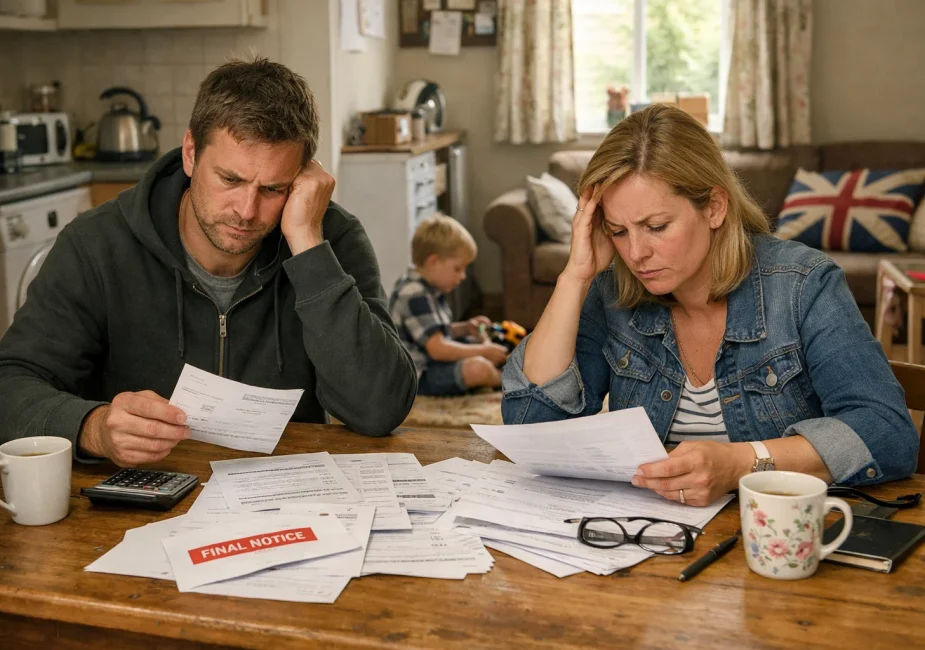
🚨 DWP BENEFIT CAP IMPACT – 2026 UPDATE
While the removal of the two-child limit is set to benefit up to 560,000 families, the benefit cap severely restricts the financial uplift for tens of thousands. Campaigners and policy experts have called for an urgent review of the cap before the next scheduled review in November 2027.
The facts show a clear disparity: policy reform alone is not enough without addressing the systemic cap limiting access to essential support.
Key Facts:
- Cap freeze: No increase in cap thresholds since 2023
- Affected households: 50,000 gain nothing; 20,000 see partial gains
- Exemptions exist: For those with disabilities, carers, or adequate earnings
- Statutory review: Next scheduled for November 2027
- Suggested reform: Align cap with National Living Wage to support more families
This alert helps you understand who the benefit cap affects, how it interacts with other welfare reforms, and what actions individuals and policymakers can take moving forward.
What is the DWP Benefit Cap and How Does It Affect Low-Income Families?
Introduced in 2013 by the Conservative-led coalition government, the Department for Work and Pensions (DWP) benefit cap is a policy designed to limit the total amount of welfare a household can receive. The intention, as described at the time, was to ensure that no family on benefits would receive more than the average working household.
But in reality, the cap has far-reaching effects, particularly on vulnerable families, single parents, and people with disabilities. It disproportionately impacts larger families and those with higher housing costs, often through no fault of their own.
The benefit cap applies to working-age households and includes most mainstream benefits, such as:
- Universal Credit (including housing element)
- Child Benefit
- Housing Benefit
- Employment and Support Allowance (ESA)
- Jobseeker’s Allowance (JSA)
- Income Support
- Bereavement and Widowed Parent’s Allowance
Certain payments are excluded from the cap, like Personal Independence Payment (PIP), Disability Living Allowance (DLA), and Carer’s Allowance, which are typically awarded based on health or caregiving needs.
Why Are Over 50,000 Families Gaining Nothing After the Two-Child Limit Is Scrapped?

In a move widely applauded by anti-poverty campaigners, Chancellor Rachel Reeves announced the scrapping of the two-child limit on benefits. This policy, introduced in 2017, restricted financial support to the first two children in a household. Ending it means families can now claim for all children, unlocking a potential average gain of £5,310 per family per year for over half a million households.
However, this change doesn’t tell the whole story.
According to the DWP’s own analysis, more than 50,000 low-income families will not receive any additional support from the reform. Why? Because their benefit payments are already at the maximum allowed under the benefit cap.
A further 20,000 will only experience a partial uplift,essentially, their increased entitlement is trimmed back down to fit within the cap’s threshold.
“Our analysis shows child poverty will fall sharply in April, but then stall,” said Iain Porter, senior policy adviser at the Joseph Rowntree Foundation. “Unless the government takes additional steps… the benefit cap will continue to leave families in hardship.”
This interaction between two separate policies, where one is meant to help and the other cancels it out, has sparked concern among policy analysts.
Who Is Exempt from the DWP Benefit Cap and How Can I Check?
While the cap affects a significant portion of benefit claimants, not everyone is impacted. The DWP exempts households that meet specific criteria.
Here’s a simple breakdown:
Exemptions from the Cap
Exempt if you receive Details
Universal Credit for health/disability (LCWRA) You or your partner are unable to work
Carer’s Allowance or Carer Support Payment You care for someone with a disability
Disability benefits (PIP, DLA, ADP, CDP, etc.) Either you or a dependent in your household is disabled
Earnings of £846+ per month (combined, post-tax) From paid employment
You’re over State Pension age Unless your partner is under State Pension age
“We didn’t even know we were exempt until someone at the council told us to check again,” said Sarah, a single parent from Birmingham. “The Turn2Us Benefits Calculator helped us confirm it.”
How to Check If You’re Affected?
Use the Turn2Us Benefits Calculator or check your Universal Credit journal. If you’re unsure, speak with your local council or a welfare adviser.
You can also request a benefits check or discretionary support assessment, as some households may qualify for exemptions or additional help despite the cap.
What Are the Current Benefit Cap Thresholds in the UK?

The cap thresholds are split by location and household type. Here’s how it breaks down as of the 2026/27 fiscal year:
DWP Benefit Cap Limits by Location & Household:
Household Type Outside Greater London Inside Greater London
Couple or single parent with children £1,835/month (£22,020/year) £2,110.25/month (£25,323/year)
Single adult without children £1,229.42/month (£14,753/year) £1,413.92/month (£16,967/year)
These figures have been frozen since 2023 and will remain unchanged through at least 2026/27.
What Happens When You Hit the Benefit Cap in Practice?
If your total benefits entitlement exceeds the threshold for your household type and location, the DWP will reduce your payments, typically starting with your Housing Benefit or the housing element of Universal Credit.
Let’s look at a real-time example:
Case Example: A Widowed Parent in Manchester
Rachel, a widowed mother of three, receives Universal Credit, Widowed Parent’s Allowance, and Housing Benefit. Although her combined benefits should total over £2,000 a month due to her circumstances, the benefit cap restricts her to £1,835/month. She loses over £150 each month despite her eligibility on paper.
“When my husband’s benefits stopped, I thought we’d manage with Universal Credit,” Rachel said. “But once the cap hit us, we were short every month. I didn’t know how we’d keep the house.”
Even though the two-child limit will be lifted in April 2026, families like Rachel’s are unlikely to see a meaningful change unless the cap itself is raised or removed.
Can the Benefit Cap Be Challenged or Avoided Legally?
In certain situations, you can request a revision of the benefit cap decision. If you believe you should be exempt, the first step is to communicate through your Universal Credit journal or contact your local council (if on Housing Benefit).
The process varies depending on your benefit:
- Universal Credit: You can request a revision (known as a Mandatory Reconsideration) but cannot appeal to a tribunal.
- Housing Benefit: You can appeal directly to the council and, if rejected, to an independent tribunal.
Key Options:
- Discretionary Housing Payment (DHP): Offered by local councils to offset the shortfall caused by the cap.
- Grace Period: If you’ve lost a job recently and were previously earning £846/month for 12 months, the cap may not apply for nine months.
“I submitted a note in my UC journal stating I received PIP and asked for a reconsideration,” one claimant shared. “Within a few weeks, the cap was lifted.”
Is the Government Planning to Review or Raise the Benefit Cap Soon?

The law requires the government to review the benefit cap every five years, with the next statutory review due in November 2027. However, ministers can choose to raise or amend the cap earlier, though there are currently no formal plans to do so.
Charities and economists have urged the government to act sooner. According to Policy in Practice, increasing the cap to reflect National Living Wage income would drastically reduce the number of families negatively affected:
- Raise the cap to £29,000 in London
- Raise the cap to £26,000 outside London
This would reportedly benefit 95% of families affected by the interaction between the two-child limit and the benefit cap.
What Are My Options If I’m Affected by the Cap Right Now?
Being capped can be financially devastating, especially with rising living costs. Here are the main support options:
- Apply for Discretionary Housing Payment through your local authority.
- Check for exemptions like disability-related benefits or carer status.
- Seek advice from welfare advisers or citizens’ support centres.
- Increase your work hours to reach the earnings exemption threshold (£846/month).
If you’re unsure where to begin, use the Turn2Us calculator or reach out to your council’s welfare team.
“My adviser told me about DHPs and helped me fill in the form,” said Mark, a father of four. “It didn’t fix everything, but it stopped us from losing our home.”
How Is the Benefit Cap Impacting Children, Widowed Parents, and the Disabled?

The interaction between the benefit cap and family structure has been particularly cruel for groups who already face barriers to work or income stability.
Widowed parents, severely disabled claimants, and carers often depend on multiple benefits, housing support, bereavement payments, and disability allowances. These are added together, often breaching the cap even when each benefit is fully justified.
“These aren’t people avoiding work,” notes Dan Paskins from Save the Children UK. “They’re people who can’t work or who’ve lost their partner. The cap penalises them anyway.”
Even as the government promises to reduce child poverty by 550,000 children by 2030, the Joseph Rowntree Foundation estimates that 4.2 million children will still live in poverty unless the cap is addressed.
What Needs to Change in the DWP Benefit System to Make It Fairer?
Campaigners argue that meaningful reform is needed to make the DWP benefit system fairer and more responsive to real living costs. One widely supported proposal is to lift the benefit cap in line with inflation and minimum income standards, ensuring support keeps pace with household expenses.
Another key suggestion is introducing an “Essentials Guarantee” within Universal Credit. This would create a financial safety floor, preventing deductions and caps from pushing payments below a livable level.
Campaigners also call for a full review of how different welfare policies interact. Without this, reforms such as lifting the two-child limit risk being undermined by existing caps. While these ideas are gaining momentum, the government has so far acknowledged concerns without committing to legislative change.
Conclusion
The DWP benefit cap was designed to promote fairness and encourage employment. Yet in 2026, its unintended consequences are too clear to ignore. While lifting the two-child limit is a significant and positive reform, its impact is being severely blunted by the cap, leaving tens of thousands of families still struggling.
The interaction between these policies doesn’t just reflect a flaw in the system, it creates systemic hardship for those already on the edge.
The next formal review isn’t due until 2027, but families can’t wait. As living costs rise and inflation bites, the time to reassess and reform the benefit cap is now.
FAQs About the DWP Benefit Cap Impact
How do I know if I’m affected by the benefit cap?
You can check via the Turn2Us Benefits Calculator or through your Universal Credit online journal.
Does the cap apply if I’m working part-time?
If your earnings are under £846/month (after tax), the cap still applies. You must earn above that threshold to be exempt.
Can I still get extra help with rent under the benefit cap?
Yes, you can apply for a Discretionary Housing Payment from your local council even if you’re capped.
What happens if I’m disabled or caring for someone?
You may be exempt if you’re receiving PIP, DLA, or Carer’s Allowance. Check your eligibility carefully.
What is the ‘grace period’ and how can I qualify for it?
You can receive a 9-month grace period from the cap if you recently stopped working but had steady income for the 12 months before.
Can my MP help challenge a benefit cap decision?
Yes. While they can’t overturn it, they can escalate complaints if DWP has made an error or applied the cap unfairly.
Will my benefits go up if the cap is reviewed in 2027?
Possibly. There is a statutory review due in November 2027, but the government could decide to revise it earlier under pressure.