

Scottish Family Business Acquisition News | What Happened to the Garden Centre?
 • May 16, 2026
•
1 Comment
• May 16, 2026
•
1 Comment
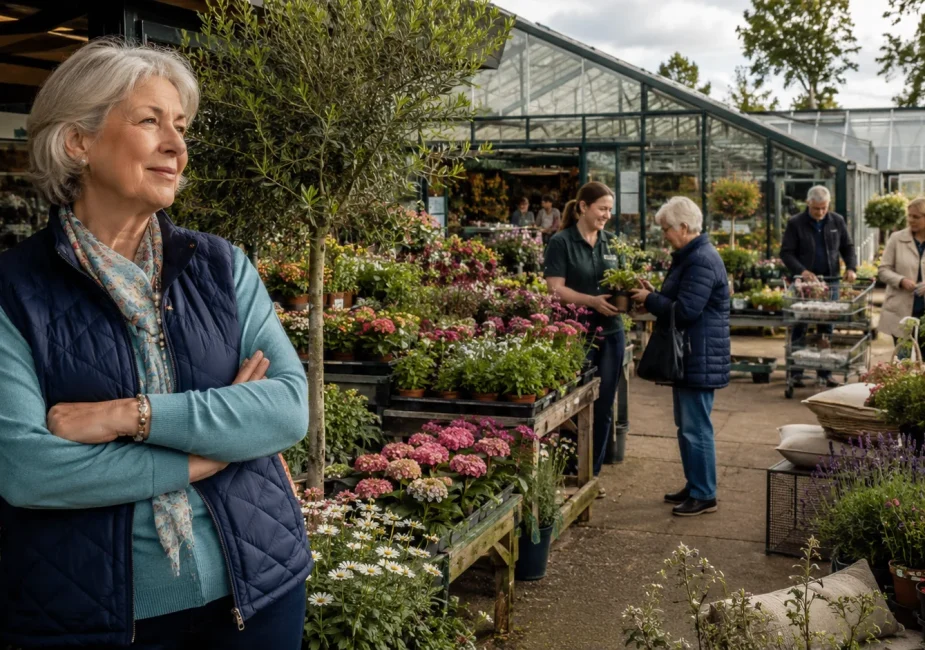
The latest Scottish family business acquisition news focuses on the sale of Merryhatton Garden Centre in East Lothian after almost 30 years under the same ownership.
From my perspective, this story reflects how retirement decisions are reshaping Scotland’s independent business sector, especially in gardening and leisure retail.
The acquisition also highlights how established operators like Caulders are expanding while preserving community-focused businesses.
Key highlights:
- Merryhatton Garden Centre has been acquired by Caulders
- Owner Helen MacDonald is retiring after 29 years
- Existing staff will transfer to the new ownership
- The garden centre will continue operating in North Berwick
- The acquisition strengthens Caulders’ Scottish portfolio
The story is not only about a business sale but also about succession planning, continuity, and the future of family-run businesses in Scotland.
What Happened to Merryhatton Garden Centre in East Lothian?
Merryhatton Garden Centre in North Berwick has been sold to Caulders, a Scottish family-owned garden centre operator. The sale follows owner Helen MacDonald’s decision to retire after nearly three decades running the business.
Merryhatton became well known for plants, gardening supplies, and outdoor products while building strong local customer loyalty over the years.
Business transition overview:
Acquisition Detail Information
Business Sold Merryhatton Garden Centre
Location North Berwick, East Lothian
Buyer Caulders
Reason for Sale Owner retirement
Years Under Previous Ownership 29 years
Staff Status Transfer to new ownership
The acquisition also reflects a wider trend of established operators expanding through strategic purchases.
“Family-run businesses often succeed because they create loyalty that extends beyond products and pricing,” said retail analyst Fiona McLaren.
The transition aims to preserve stability for both staff and customers.
Why Did Helen MacDonald Decide to Sell the Family-Run Business?
Helen MacDonald’s decision to retire after nearly three decades reflects a common challenge faced by many independent Scottish business owners.
Running a garden centre requires constant operational oversight, seasonal planning, staffing management, and long-term financial investment. After 29 years, retirement became the natural next step.
Nearly Three Decades of Building Merryhatton Garden Centre
Under Helen MacDonald’s leadership, Merryhatton evolved into a recognised local business with a strong reputation for quality gardening products and customer service.
The centre became known for offering:
- Plants and flowers
- Gardening accessories
- Outdoor furniture
- Pots and planters
- Seasonal products
The business also supported local employment and tourism in East Lothian.
What Retirement Means for Longstanding Scottish Family Businesses?
Many Scottish family businesses face succession challenges when owners retire. Without successors, selling the business often becomes the most practical option.
Several factors commonly influence retirement sales:
Succession Challenge Impact
No family successor Increased chance of sale
Rising business costs Financial pressure
Retirement planning Need for continuity
Retail competition Demand for stronger networks
These factors continue influencing Scotland’s independent business sector.
How Independent Garden Centres Prepare for Ownership Changes?
Business owners usually focus on staff retention and customer confidence during ownership transitions. In Merryhatton’s case, transferring employees to Caulders helps ensure continuity and stability.
The transition also allows the garden centre to continue operating under an experienced regional brand rather than facing closure or uncertainty.
Who Is Caulders and Why Did It Acquire Merryhatton Garden Centre?

Caulders is a family-owned business operating multiple garden centres across Central Scotland. The company is known for combining retail, gardening, and community-focused experiences.
Acquiring Merryhatton supports Caulders’ expansion strategy while helping preserve an established local business.
Current Caulders business profile:
Caulders Information Details
Industry Garden centres
Ownership Style Family-owned
Existing Locations 10 across Central Scotland
Expansion Strategy Acquisitions
Latest Acquisition Merryhatton Garden Centre
The acquisition also strengthens Caulders’ presence in East Lothian.
“Acquiring respected local businesses allows regional operators to expand while preserving community identity,” explained business consultant Andrew Kerr.
The deal benefits both parties by securing continuity for the business while supporting Caulders’ growth plans.
How Will the Acquisition Affect Staff and Customers?
One of the key announcements surrounding the acquisition is that staff members will transfer to Caulders. This helps maintain continuity and reassures loyal customers.
Experienced employees are particularly valuable in garden centres because customers often rely on personalised advice and local expertise.
Customer and employee expectations include:
- Continued operation of the garden centre
- Retention of staff
- Ongoing gardening product availability
- Potential investment from Caulders
- Expanded business opportunities
Customers may also benefit from broader product ranges and operational improvements under the new ownership.
“Staff retention during acquisitions sends a strong message to customers that the business values continuity,” said HR specialist Karen Douglas.
The transition therefore appears designed to balance business growth with community trust.
What Makes Merryhatton Garden Centre Important in North Berwick?
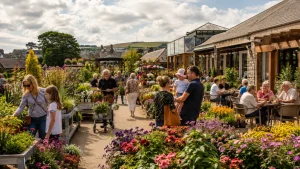
Merryhatton Garden Centre has become an important part of the local community over many years. Businesses like this often contribute to both the economy and community identity of smaller towns.
North Berwick attracts residents and visitors throughout the year, and local garden centres play a role in supporting tourism and outdoor living trends.
Merryhatton’s local importance includes:
- Longstanding community presence
- Local employment opportunities
- Support for gardening culture
- Contribution to regional retail activity
- Strong customer loyalty
The continuation of the business under new ownership helps preserve its role within the local community.
How Does This Deal Reflect Trends in Scottish Family Business Acquisition News?
The Merryhatton acquisition reflects wider changes across Scotland’s family business sector. Rising costs, retirement decisions, and changing consumer expectations are encouraging more independent businesses to consider acquisitions.
Deals like this also show how established operators are expanding while helping preserve local businesses, jobs, and customer relationships within competitive regional markets.
The Rise of Consolidation in the Garden Centre Industry
The UK garden centre sector has changed considerably over the past decade. Rising operational costs, supply chain pressures, staffing challenges, and evolving consumer expectations have encouraged greater consolidation within the industry.
Larger operators increasingly acquire smaller independent centres to strengthen market reach and improve economies of scale.
These acquisitions can create operational efficiencies while allowing businesses to maintain established local branding and customer loyalty.
Family-Owned Businesses and Long-Term Succession Planning
Succession planning remains one of the biggest challenges facing family businesses across Scotland. Many owners spend decades building businesses only to face difficult decisions when retirement approaches.
Without clear succession plans, owners may choose between:
- Selling the business
- Closing operations
- Bringing in external management
- Partnering with larger operators
Acquisitions often become the most practical route for preserving jobs and ensuring business continuity.
Community Value and Regional Business Growth in Scotland
Scottish family businesses continue to play a major role in local economies. Whether operating in hospitality, retail, agriculture, or leisure, these businesses often maintain stronger local relationships than larger corporate chains.
Acquisitions involving family-run companies therefore attract significant public attention because they combine economic impact with community identity.
The Merryhatton sale reflects how local heritage and commercial growth increasingly intersect within Scotland’s regional business landscape.
The acquisition also highlights how family-owned operators such as Caulders are positioning themselves for long-term growth within competitive markets.
Could More Scottish Garden Centres Face Similar Ownership Changes?

Many independent Scottish garden centres may face similar ownership transitions as long-term owners approach retirement age.
At the same time, businesses face increasing pressure to invest in digital marketing, customer experience, and operational efficiency. These demands may encourage further acquisitions across the sector.
However, acquisitions do not always mean losing local identity. Many buyers now recognise the importance of preserving community trust and customer loyalty.
The future of Scotland’s independent garden centres may therefore involve a balance between expansion and heritage preservation.
What Can UK Businesses Learn from This Scottish Family Business Acquisition?
The Merryhatton acquisition offers several lessons for family-run businesses across the UK. Succession planning remains essential for ensuring long-term stability and continuity.
Business owners can learn the importance of:
- Planning retirement early
- Protecting staff stability
- Maintaining customer trust
- Choosing suitable buyers
- Preserving business continuity
The acquisition also demonstrates how strategic sales can support long-term business survival rather than closure.
For customers and communities, continuity often matters just as much as ownership.
Conclusion
This latest Scottish family business acquisition news story highlights important changes within Scotland’s independent business sector. The sale of Merryhatton Garden Centre marks the end of Helen MacDonald’s 29-year ownership while beginning a new chapter under Caulders.
The acquisition reflects the growing importance of succession planning, regional growth, and preserving community-focused businesses. By retaining staff and continuing operations, the transition appears designed to maintain the qualities that made Merryhatton successful.
As more family-run businesses across the UK approach generational change, similar acquisitions are likely to become increasingly common.
FAQs About Scottish Family Business Acquisition News
Why are family-run garden centres popular in Scotland?
Family-run garden centres are valued for personalised service, community connections, and specialist gardening expertise.
What products did Merryhatton Garden Centre sell?
Merryhatton sold plants, gardening supplies, outdoor furniture, pots, and seasonal products.
Is the UK garden centre sector still growing?
Yes, demand for gardening and outdoor living products continues supporting growth across the sector.
What happens during a business acquisition in Scotland?
A business acquisition usually involves transferring ownership, staff, operations, and assets to a new company.
Why do many family businesses sell after retirement?
Many owners sell because no family successor is available to continue running the business.
How important are local businesses to Scottish communities?
Local businesses support employment, tourism, and community identity across Scotland.
What challenges do independent garden centres face today?
Independent garden centres face rising costs, staffing pressures, competition, and changing customer expectations.



[…] comes from a family with strong backgrounds in both entertainment and […]