
Motability Scheme Introducing Black Boxes for Drivers Under 30 | What Does the New Rule Mean?
 • April 4, 2026
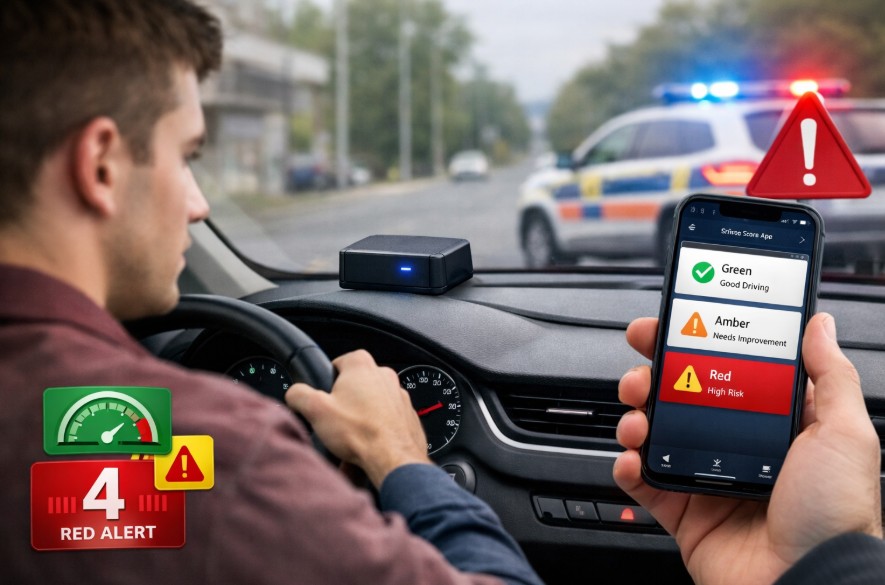
The Motability Scheme is introducing mandatory black boxes for drivers under 30 from 13th April, with the change initially applying to new leases.
The telematics devices will monitor how the vehicle is driven and issue weekly green, amber or red ratings. If you receive more than four red ratings in 12 months, you could lose access to the scheme.
Key points you need to know:
- The rule affects drivers aged under 30 and any Motability vehicle with a named driver under 30.
- The black box tracks speed, braking, acceleration and overall driving behaviour.
- Motability says the move is designed to improve safety and reduce rising insurance costs.
- Critics argue it could unfairly affect disabled people’s independence and employment.
- Wider changes, including lower mileage limits and higher costs, are also being introduced.
Why Is the Motability Scheme Introducing Black Boxes for Drivers Under 30?
The Motability Scheme black boxes policy has been introduced at a time when the organisation is facing rising costs. From 1 July, Motability will lose some long-standing tax and insurance reliefs, meaning it must pay Insurance Premium Tax and VAT on more vehicles.
Motability says these changes will add around £300 million in extra costs to the scheme. According to the Motability Foundation, that works out at approximately £1,100 per driver.
Nigel Fletcher, Chief Executive of the Motability Foundation, explained the decision:
“A lot of disabled people won’t be able to afford that, so we’re now having to try and work out how can we make changes to the scheme that protects pricing as much as we possibly can.”
The organisation also says younger drivers are statistically more likely to be involved in accidents or make insurance claims. By introducing telematics devices, Motability believes it can reduce risk and keep premiums lower.
Why Are Under-30s Being Targeted?
Motability has based the new rule on insurance data showing that younger drivers are more likely to drive at unsafe speeds, brake harshly or have more collisions.
A pilot programme in Northern Ireland reportedly led to 300 drivers being removed from the scheme. Motability says one of those drivers was recorded travelling at 117mph in a 30mph zone.
Nigel Fletcher said:
“This is a serious safety issue, not just for that individual, but everyone else in that community.”
However, critics argue that focusing only on disabled drivers under 30 is unfair because non-disabled young drivers are not automatically required to have a black box unless they choose one for insurance reasons.
Who Will Be Affected by the New Motability Black Box Rule?

The new policy will not apply to every Motability customer straight away. Initially, it will affect around 15% of the scheme’s 930,000 customers.
You will be affected if:
- You are under 30 and starting a new Motability lease.
- You are over 30 but have a named driver under 30.
- You are a first-time customer taking out a new lease where the policy requires telematics.
Importantly, if a younger named driver is added to your vehicle, every person who drives that car may be monitored through the same black box system.
That means your driving score could be influenced by the behaviour of a family member, friend, carer or personal assistant.
This has become one of the biggest concerns among Motability users. Many disabled customers rely on other people to drive them, particularly if they use adapted vehicles or need support with everyday travel.
At present, Motability says the changes only apply to new leases from 13 April. The organisation has not confirmed whether it will later expand the rule to all existing customers, although it has said it will “review and analyse” the results.
What Does a Motability Black Box Actually Track?
The new Motability Scheme black boxes use telematics technology to collect information about how the car is driven. The information is then used to create a weekly score.
What the Device Monitors?
The black box is expected to monitor:
- Speed and speeding incidents
- Harsh braking
- Sudden acceleration
- Cornering and smoothness
- Journey frequency
- Time of day the vehicle is used
- Mileage and distance travelled
- Potential phone use linked to the car
The system works through Motability’s new Drive Smart app, which gives drivers a green, amber or red rating each week.
How the Weekly Ratings Work?
| Rating | Meaning | Possible Outcome |
|---|---|---|
| Green | Safe and consistent driving | May qualify for rewards of up to £160 a year |
| Amber | Some risky driving behaviour detected | Warning to improve driving habits |
| Red | Repeated unsafe behaviour or serious incidents | Counts towards possible removal from the scheme |
Drivers who stay in the green category may be rewarded with points or vouchers worth up to £160 each year. However, if you receive more than four red ratings within 12 months, Motability could remove you from the scheme.
Motability says drivers will receive warnings before any action is taken, but there is still uncertainty about how appeals or reviews would work in practice.
What Happens If You Receive Red Ratings on the Motability Scheme?
The most controversial part of the Motability Scheme black boxes policy is the possibility of losing your vehicle.
If you receive four or more red ratings in a year, Motability may decide that your driving is too risky and remove your access to the scheme. The organisation says this will only happen after repeated warnings.
The Likely Process:
Although Motability has not published a full appeals process, the likely system will involve:
- Weekly reports through the Drive Smart app
- Warnings after red ratings
- Advice on improving driving habits
- Review of your driving over 12 months
- Potential removal if there are more than four red weeks
| Number of Red Ratings | Likely Response |
|---|---|
| 1 Red Rating | Warning and advice |
| 2–3 Red Ratings | Further review and stronger warning |
| 4+ Red Ratings | Possible removal from the scheme |
Motability has also suggested that drivers removed from the scheme could potentially reapply in the future, although it has not explained how long they would have to wait or what conditions they would need to meet.
For many users, the risk of losing a Motability vehicle is particularly serious because it is often their only way to get to work, attend medical appointments or maintain independence.
Why Are Disabled Drivers and Campaigners Concerned About This Change?

Many campaigners believe the new Motability black box rule could create a two-tier system where younger disabled people face stricter rules than other motorists.
Keron Day, who has cerebral palsy, argued that disabled people already pass the same driving test and should not be judged differently.
He said that if he had passed his test at 17, he would have been required to use a black box for 13 years, while non-disabled friends of the same age would not.
Campaigners are also concerned that disabled people may feel pressured not to add younger carers or family members as named drivers, even if they rely on them.
A Real-Life Example from a Young Driver
One 24-year-old Motability customer from Manchester described his worries when speaking about the new system:
“I rely on my car to get to work every day. My younger brother sometimes drives me to appointments because I cannot always manage longer journeys. Now I am worried that if he makes one mistake, I could lose the car completely.”
This concern reflects a wider fear that the Motability Scheme black boxes could punish disabled customers for something beyond their control.
Privacy and Monitoring Concerns
There are also concerns about how much information the black box collects. Some users are uncomfortable with the idea of having their location, driving style and even phone use monitored every week.
While telematics devices are already common in standard car insurance, critics say the difference is that most motorists choose whether to have one. Under the new Motability policy, there is no option to refuse if you fall within the affected group.
Could Adapted Vehicles and Hand Controls Affect Black Box Scores?
One of the most important unanswered questions is whether adapted vehicles will be judged fairly by the telematics system.
Drivers who use hand controls often need to brake or accelerate differently from someone using a standard car. As a result, their driving can appear more sudden or less smooth, even when they are driving safely.
Eva Hanna, a 21-year-old Motability customer, said she had already received amber and red ratings because of the way her adapted controls work.
Why Adapted Driving May Look Different?
- Hand controls can create sharper acceleration or braking.
- Wheelchair accessible vehicles may be heavier and respond differently.
- Drivers with certain disabilities may need to drive more cautiously or slowly.
- Long journeys and rural roads may affect the score.
Eva explained:
“The braking and acceleration can be a bit more sensitive, because obviously it’s not the same as using your feet.”
Motability has said it was not previously aware of this issue and will continue gathering information during the rollout. However, there is currently no clear evidence that the telematics system has been adjusted specifically for adapted vehicles.
That could become a major problem if disabled drivers receive poor scores because of their adaptations rather than genuinely unsafe driving.
Are Black Boxes Really About Safety, Cost Savings or Both?

The Motability Scheme says the policy aims to make driving safer and keep the scheme affordable. Telematics systems can reduce risky driving and lower insurance claims, supporting this claim.
However, the timing raises questions, as the rollout comes ahead of rising taxes and insurance costs. This suggests financial pressure is also a key factor. Critics argue the move is driven more by cost-cutting than safety alone.
Graham Footer noted it may protect the scheme but could discourage new users. In reality, both safety and cost concerns are likely influencing the decision.
What Other Motability Scheme Changes Should You Know About?
Recent updates to the Motability Scheme go beyond just black box tracking. Several key rule changes introduced in 2026 are set to impact how customers use their vehicles, from mileage limits to vehicle availability. Understanding these updates is essential for anyone currently in the scheme or planning to join.
Key Motability Scheme Changes (2026)
| Motability Change | Previous Rule | New Rule |
|---|---|---|
| Mileage limit before charges | 20,000 miles | 10,000 miles |
| Excess mileage charge | 5p per mile | 25p per mile |
| Black box requirement | Optional or not required | Mandatory for under-30s |
| Premium vehicles | Included in some cases | Many removed from scheme |
These changes highlight a clear shift towards cost control and risk management. While they may help maintain the scheme’s long-term sustainability, they could also limit flexibility and choice for many users, making it more important than ever to review how these updates affect your needs.
What Does the New Motability Black Box Rule Mean for You?
If you are under 30, or have a younger named driver, the changes could directly affect how you use your vehicle from April onwards. For some, the system may encourage safer driving habits and even help reduce insurance-related risks.
However, for others, especially those relying on adapted vehicles or multiple drivers, it may raise concerns about fairness and independence.
It’s important to understand how the tracking system works before renewing or starting a lease. Monitor your driving scores, communicate clearly with named drivers, and contact Motability if ratings seem inaccurate.
While the rule may help control costs, it also raises important questions around privacy, equality, and accessibility.
Conclusion
The Motability Scheme black boxes policy marks one of the biggest changes to the scheme in years.
While Motability says the new rule is needed to improve safety and control rising insurance costs, many disabled drivers fear it could reduce independence and unfairly penalise younger users.
The impact may be greatest for people using adapted vehicles or relying on named drivers.
As the rollout begins, the success of the policy will depend on whether Motability can make the system fair, transparent and accessible.
FAQs About Motability Scheme Black Boxes
Can you refuse a black box on a Motability car?
No. If you are under 30 or your Motability vehicle has a named driver under 30, the black box is mandatory under the new rules.
Does the Motability black box monitor all drivers of the vehicle?
Yes. If the vehicle has a younger driver on the policy, every person who drives that car may be tracked through the same telematics system.
Will adapted vehicles be treated differently by the system?
Motability has not confirmed any special adjustments for adapted vehicles, although concerns have been raised that hand controls may affect scores unfairly.
Do all Motability customers need a black box now?
No. The policy currently applies to new leases involving drivers under 30 or named drivers under 30.
What should you do if your weekly score seems wrong?
You should contact Motability directly and explain why you believe the rating is inaccurate, particularly if you use adapted controls.
Can you lose your Motability car because of another driver?
Potentially, yes. If a named driver under 30 repeatedly receives poor ratings, it could affect the lease for the entire vehicle.
Are Motability black boxes being introduced across the whole UK?
Yes. After the Northern Ireland pilot, the policy is being rolled out across the UK from 13 April for new leases.