AG Meek Store Closure in Gloucester – What Caused the Shutdown?
 • December 25, 2025
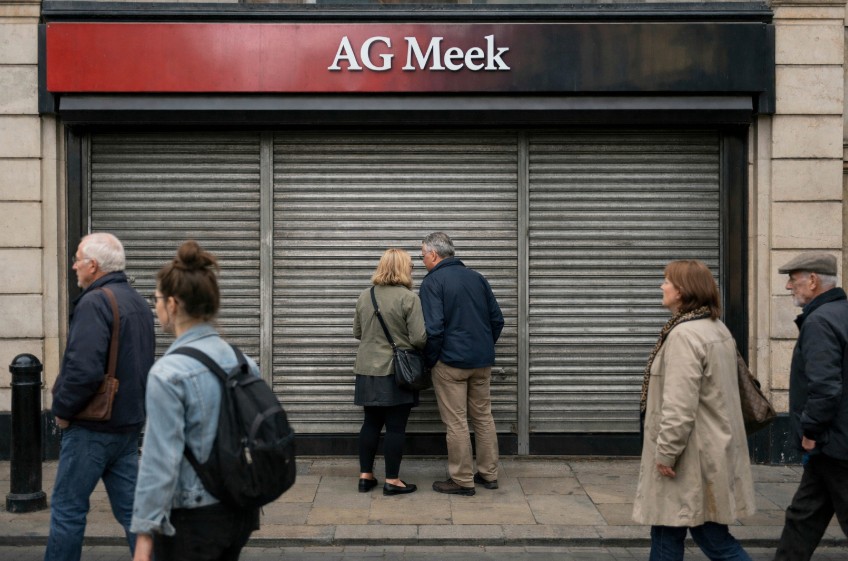
The AG Meek store closure in Gloucester marked the end of a familiar presence on the city’s high street and raised wider questions about the future of independent retail in the UK. When the long-established family shoe retailer closed its Eastgate Street store in April 2025, it was not simply another shop shutting its doors.
For many residents, it represented the loss of a trusted local business that had served generations of shoppers for six decades. This article explores what happened, why the closure occurred, and what it reveals about the pressures facing high-street retailers today.
By examining the financial realities, post-pandemic changes, and community impact, it becomes clear that the shutdown was driven by a combination of structural and economic factors rather than a single event.
What Happened with the AG Meek Store Closure in Gloucester?
The closure of AG Meek’s Gloucester branch became public knowledge in early April 2025, when the company confirmed that its Eastgate Street store would cease trading. The final day of business was 12 April 2025, bringing to a close 60 years of continuous trading in the city.
For Gloucester, the announcement carried emotional weight. AG Meek was not a national chain that had arrived and departed quickly; it was a long-standing independent retailer embedded in local shopping routines.
The closure sparked discussion not only about the fate of one store, but also about the ongoing decline of traditional high-street retail and the challenges faced by small and medium-sized businesses across the UK.
At its core, the AG Meek store closure in Gloucester reflected a wider story of rising costs, reduced footfall, and changing consumer behaviour. Understanding how these pressures converged helps explain why even well-regarded, long-established retailers can struggle to survive.
Where Was the AG Meek Store Located and How Long Had It Traded in Gloucester?
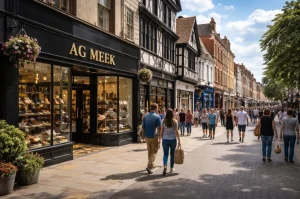
AG Meek’s history in Gloucester stretched back to 1965, when the company first opened a branch on Westgate Street. Over time, the store became a recognised fixture in the city centre, known for quality footwear and personalised customer service.
In 2021, the business relocated to 32 Eastgate Street, a move intended to adapt to shifting retail patterns and maintain visibility in a key shopping area.
For 60 years, the store served multiple generations of families. Customers often recalled visiting as children and later returning with their own children or grandchildren. This longevity helped build trust and loyalty that is increasingly rare in modern retail.
The Eastgate Street location placed AG Meek in the heart of Gloucester’s shopping district. However, even a central position could not fully protect the store from broader changes affecting the high street, including declining footfall and rising operating expenses.
When Did the Gloucester Store Close and What Occurred in Its Final Weeks?
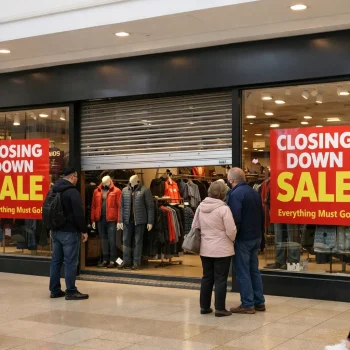
The Gloucester branch officially closed in mid-April 2025, with 12 April marking its final trading day. In the weeks leading up to closure, AG Meek ran a closing-down sale designed to clear remaining stock and give customers a final opportunity to shop in store.
Discounts of at least 35 per cent were offered across footwear ranges, attracting both regular customers and passers-by. Popular brands stocked by the store were included in the clearance, reflecting the breadth of its offering even at the end of trading.
During this period, customers who made purchases were also offered a £10 gift voucher. At the time, these vouchers were intended for use via the company’s online platform or in its remaining physical stores elsewhere. The sale period had a dual purpose: it was a practical necessity for stock clearance and an emotional farewell between staff and loyal shoppers.
What Reasons Did AG Meek Give for Shutting the Gloucester Branch?

The owner of AG Meek, David Meek, explained that the decision to close the Gloucester store was not sudden. Financial pressures had been building for several years, and by early 2025 the store was no longer covering its operating costs.
In a public statement, he highlighted a combination of rising expenses and reduced footfall since the pandemic. The tone of his message reflected both disappointment and resignation, acknowledging that despite efforts to keep the store trading, the numbers no longer added up.
“I am very sad to tell you that we are closing our shoe shop after 60 years trading in Gloucester City Centre. We have been struggling with rapidly rising costs and reduced footfall since the pandemic and the shop has not been covering its costs.”
This explanation underscored that the closure was driven by structural challenges rather than declining standards or a lack of customer appreciation.
How Did Rising Operating Costs Contribute to the Closure Decision?
Rising operating costs played a central role in the AG Meek store closure in Gloucester, particularly changes introduced in early 2025 that disproportionately affected small retailers. These increases came at a time when sales volumes had not recovered to pre-pandemic levels.
Why Cost Increases Hit Independent Shoe Retailers Harder?
Independent footwear retailers rely heavily on skilled staff and in-store service. Unlike large chains, they have limited scope to automate processes or spread cost increases across multiple locations. Several cost pressures converged at once:
- Employer National Insurance contributions increased from 13.8 per cent to 15 per cent from April 2025.
- The earnings threshold for National Insurance was lowered from £9,100 to £5,000 per year, increasing costs for part-time staff.
- Retail business rates relief was reduced from 75 per cent to 40 per cent, significantly raising annual property costs.
These changes had a tangible financial impact on a single store. As David Meek noted, larger retailers can often absorb such increases through minor price rises or efficiency measures, but independent businesses have far fewer options.
“Our National Insurance on one shop and our business rates are increasing by £5,000 a year each from April and this is unsustainable.”
Key Cost Pressures Affecting the Gloucester Store
| Cost Pressure | What Changed | Why It Mattered |
| Employer National Insurance | Increased from 13.8% to 15% | Raised staffing costs across all employees |
| NI Earnings Threshold | Reduced from £9,100 to £5,000 | Increased costs for part-time staff |
| Business Rates Relief | Cut from 75% to 40% | Added thousands of pounds to annual overheads |
| Fixed Operating Costs | Remained largely unchanged | Became harder to cover with lower sales |
Together, these factors made it increasingly difficult for the Gloucester store to remain financially viable.
What Role Did Reduced Footfall Play After the Pandemic?
While rising costs were a major factor, reduced footfall after the Covid-19 pandemic compounded the problem. Like many city-centre retailers, AG Meek experienced a sustained drop in customer numbers that never fully recovered after lockdowns ended.
Consumer habits changed significantly during the pandemic, with more people becoming comfortable shopping online and fewer making regular trips to the high street. Smaller cities such as Gloucester were particularly affected, as hybrid working reduced daily commuter traffic and casual browsing.
Even with a loyal customer base, the store struggled to generate sufficient sales volume to offset fixed costs. The relocation from Westgate Street to Eastgate Street in 2021 can be seen as an attempt to adapt, but it was not enough to reverse broader trends.
What Was Included in the AG Meek Closing-Down Sale?
The closing-down sale formed a visible part of the final chapter of AG Meek’s presence in Gloucester. It allowed customers to access significant discounts while enabling the business to reduce remaining stock.
The sale included a wide selection of footwear, reflecting the store’s long-standing focus on quality and comfort. Brands associated with the Gloucester branch were featured prominently, drawing interest from regular shoppers keen to make one last purchase.
What Customers Could Expect from the Sale?
- Discounts of at least 35 per cent across footwear ranges
- A mix of everyday comfort shoes and well-known brands
- A £10 gift voucher offered with purchases during the sale period
For many customers, visiting the sale was about more than saving money. It was an opportunity to say goodbye to staff members who had provided personal service for years.
What Was the £10 Voucher Offer and What Did It Mean for Customers?
Alongside the sale discounts, AG Meek offered a £10 gift voucher to customers who made a purchase during the closing period. At the time of issue, these vouchers were intended to be redeemable through the company’s online store or in its remaining physical locations elsewhere.
The voucher scheme reflected an effort to maintain a relationship with customers beyond the Gloucester closure. It also highlighted the transitional phase the business was entering, as it considered how best to serve customers without a physical presence in the city.
For customers holding vouchers, the key consideration was understanding the terms and potential expiry dates, particularly as the company’s retail footprint evolved later in 2025.
What Impact Has the Closure Had on Gloucester’s High Street?
The AG Meek store closure in Gloucester had implications beyond the loss of a single retailer. The empty unit on Eastgate Street added to concerns about vacant premises and reduced diversity on the high street.
Independent retailers often provide something distinct from national chains, offering personalised service and a sense of local identity. Their departure can leave city centres feeling less varied and less community-focused. In Gloucester, the closure intensified conversations about how to attract footfall and support local businesses.
Broader Effects of the Closure on the City Centre:
| Area of Impact | Effect on Gloucester |
| Retail Diversity | Loss of an independent, service-led retailer |
| High Street Appearance | Another vacant unit on a key shopping street |
| Community Identity | Reduced sense of local retail heritage |
| Shopper Experience | Fewer options for personalised footwear service |
The closure also fed into wider debates about regeneration, planning, and how town centres can remain relevant in an era of online shopping.
What Can Be Learned From the AG Meek Store Closure in Gloucester?
The closure of AG Meek’s Gloucester store illustrates how quickly the economics of high-street retail can shift. A business with a strong reputation and loyal customers can still struggle when fixed costs rise and footfall declines simultaneously.
The key lesson is that the shutdown was not caused by a single failure, but by a stacking effect of pressures: post-pandemic behavioural changes, increased taxation and rates, and the limited flexibility available to independent retailers. Without targeted support or structural change, similar closures are likely to continue.
For Gloucester, the challenge now lies in finding ways to sustain a vibrant city centre that balances national brands, independents, and new uses for retail space. AG Meek’s departure may be the end of an era, but it also serves as a reminder of the value such businesses bring to local communities.
Frequently Asked Questions
Why Do Independent Retailers Struggle More with Cost Increases Than Large Chains?
Independent retailers have fewer locations over which to spread costs and less ability to automate services. Increases in staffing costs or rates therefore have a much greater proportional impact.
How Do Business Rates Affect Small High-Street Shops in Practice?
Business rates are a fixed cost linked to property value rather than turnover. When relief is reduced, shops must pay more even if sales remain flat or decline.
Why Are Shoe Retailers More Dependent on In-Store Footfall?
Footwear purchases often require fitting advice and comfort checks. This makes face-to-face service more important than in some other retail sectors.
What Happens to Gift Vouchers When a Store Closes?
Vouchers may remain valid online or in other branches, depending on terms. Customers should always check conditions and expiry dates.
Can a Retail Brand Survive Without Physical Stores?
Some brands transition successfully to online-only models, but this often requires changes to logistics, customer service, and marketing strategies.
How Do Store Closures Change the Character of City Centres?
They can reduce retail variety and weaken the sense of local identity, particularly when independent shops are replaced by vacant units.
How Can Shoppers Support Independent Retailers in the Future?
Shopping locally, recommending good service, and engaging with local initiatives can help maintain footfall and visibility for independent businesses.