
Cornwall’s Sharp’s Brewery to Close Permanently – What Happened and Why?
 • February 26, 2026
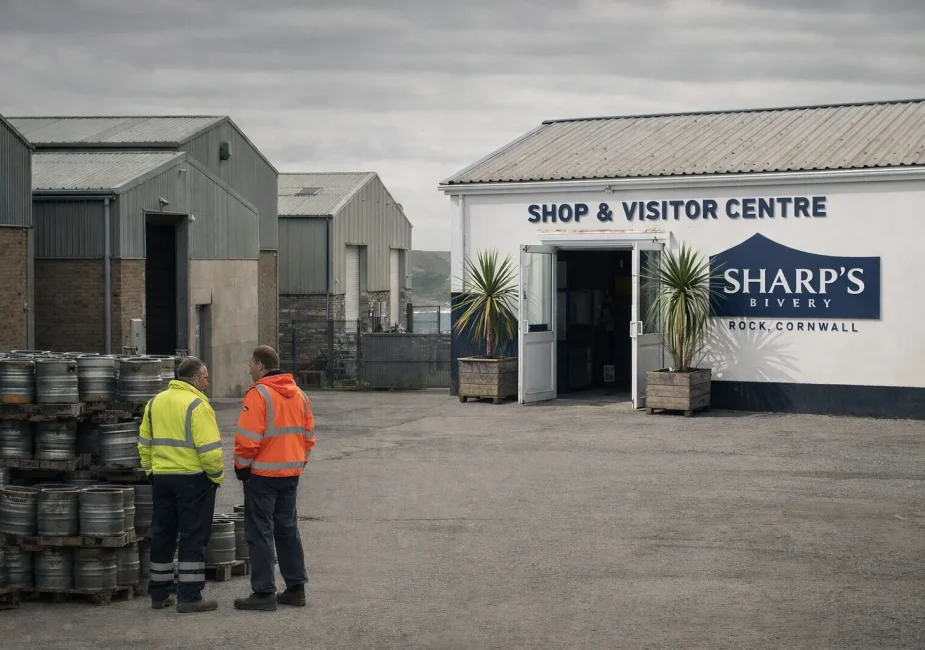
🍺 SHARPS BREWERY CLOSURE – WHAT IT MEANS FOR CORNWALL AND DOOM BAR
Why is Sharp’s Brewery shutting its Rock site?
The proposed sharps brewery closure could bring an end to brewing operations in Cornwall after more than 30 years. Owner Molson Coors says the site is “no longer financially sustainable” within its national production network.
⚠️ What’s Happening?
• Around 50 jobs at the Rock brewery are at risk
• Approximately 200 roles affected across the UK & Ireland restructuring
• The decision follows a formal consultation process
• Production may move to other UK facilities
🔎 What About Doom Bar?
Molson Coors says it remains committed to the Sharp’s brand portfolio. Doom Bar and other beers are not being discontinued, but brewing could take place outside Cornwall through alternative production or partnership arrangements.
📉 Why Now?
The company cites rising operational costs, efficiency restructuring and a shift toward digital ordering systems as key drivers behind the sharps brewery closure proposal.
💬 Industry reaction: “This is a hammer blow for the local economy,” said North Cornwall MP Ben Maguire, highlighting concerns over jobs and Cornwall’s brewing identity.
The consultation process is ongoing, and while the brands may survive, the future of brewing in Rock remains uncertain. For Cornwall, the sharps brewery closure represents both an economic shift and a cultural turning point.
What Is the Sharp’s Brewery Closure and Is It Permanent?
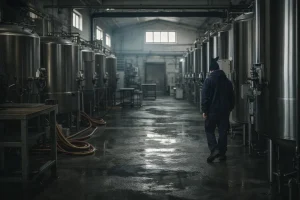
The sharps brewery closure refers to Molson Coors’ proposal to shut down Sharp’s Brewery in Rock, Cornwall, by the end of the year, subject to a formal consultation process.
While described as a proposal, the company has made clear that the site is no longer viable within its national production network.
Sharp’s Brewery was founded in 1994 by Bill Sharp and became widely known for Doom Bar, named after a notorious sandbank in the Camel Estuary.
Since its acquisition by Molson Coors in 2011, the brewery has operated as part of a multinational drinks portfolio that includes brands such as Carling, Coors Light and Staropramen.
The proposed closure affects:
- The Rock brewery site in Cornwall
- Approximately 50 roles at the brewery
- Part of a wider UK & Ireland restructuring plan impacting around 200 jobs overall
Importantly, Molson Coors has stated that it “remains committed” to the Sharp’s brand portfolio. That means Doom Bar and other beers may continue to be brewed, potentially at alternative sites or through partnerships, even if the Cornwall facility closes permanently.
For you as a reader, the distinction is crucial: this is a closure of the physical brewery in Rock, not necessarily the end of the beer brands themselves.
Who Owns Sharp’s Brewery and Why Is Molson Coors Making This Decision?
Sharp’s Brewery has been owned by Molson Coors since 2011. At the time of acquisition, the global brewer expressed strong support for cask ale and the Rock site, investing more than £20 million to expand capacity, upgrade equipment, and strengthen the brand portfolio.
However, corporate priorities evolve. The decision to proceed with the Sharps Brewery closure has been framed as part of a broader strategy to “unlock efficiencies and cost-savings to fuel long-term growth” across the UK and Ireland business.
To understand the context, it helps to consider the ownership timeline:
Year Event Significance
1994 Sharp’s Brewery founded in Rock, Cornwall Established as independent Cornish brewer
2011 Acquired by Molson Coors for approx. £20m Integration into multinational brewing group
2011–2026 £20m+ invested in site Equipment upgrades and brand expansion
2026 Proposed closure announced Part of UK & Ireland restructuring
Simon Kerry, Managing Director for UK & Ireland at Molson Coors, stated:
“The proposed closure of Sharp’s Brewery has not been an easy decision for us to make.”
He emphasised that the site had been a significant part of their UK operations for 15 years, but ultimately, it no longer fits within the company’s national production network model.
In other words, the issue is not necessarily about beer quality or brand performance, but about operational economics at scale.
Why Is Sharp’s Brewery Closing – What Does ‘Financially Unsustainable’ Mean?
When a multinational company describes a site as “no longer financially sustainable,” it usually signals structural cost pressures rather than a sudden collapse in sales.
Rising Operational Costs
The UK brewing sector has faced mounting pressures in recent years, including:
- Higher energy prices
- Increased raw material costs
- Transport and distribution expenses
- Wage inflation
- Business rates and taxation pressures
John Brown, Chief Executive of Cornwall Chamber of Commerce, reflected this wider context, noting that recent years have seen significant increases in infrastructure and energy costs.
For you, this means the closure is not an isolated event but part of a broader pattern affecting hospitality and manufacturing.
National Production Network Efficiency
Molson Coors operates multiple brewing sites across the UK. Maintaining a smaller, geographically remote facility in Cornwall may create duplication in logistics and overheads.
Kerry explained that the site is no longer sustainable “as part of our national production network.” In practice, this suggests:
- Centralisation of production
- Consolidation into larger facilities
- Reduction of fixed operating costs
- Streamlining supply chains
From a corporate perspective, consolidating brewing operations can improve margins. From a regional perspective, however, it can mean job losses and reduced local economic activity.
Digital Transformation and Changing Customer Behaviour
The restructuring also includes the proposed closure of Molson Coors’ UK national contact centre in Cardiff. The company revealed that nearly 90% of orders from bars and pubs are now placed online.
As Kerry stated:
“As our customers’ purchasing habits have become more digitally led over the past few years, we have evolved our business as part of our digitisation journey.”
This shift illustrates how digital transformation is influencing operational decisions across the drinks industry.
How Many Jobs Are Affected by the Sharp’s Brewery Closure?
Employment impact is one of the most sensitive aspects of the Sharps Brewery closure.
At the Rock site, approximately 50 roles are at risk. Across the wider UK & Ireland restructuring proposals, around 200 positions could be affected, including roughly 150 jobs at the Cardiff contact centre.
Here is a breakdown:
Location Estimated Jobs at Risk Reason
Rock, Cornwall ~50 Brewery closure proposal
Cardiff, Wales ~150 Contact centre closure due to digital ordering
UK & Ireland (total) ~200 Wider restructuring
Molson Coors has indicated that staff will be supported through consultation processes and redundancy procedures. A government spokesperson confirmed that the Department for Work and Pensions’s Rapid Response Service stands ready to assist affected workers.
For Cornwall, however, the loss of 50 skilled manufacturing roles carries significant symbolic weight. Sharp’s has been part of the county’s identity for over three decades.
North Cornwall MP Ben Maguire described the move as:
“A hammer blow for the local economy.”
When you consider the brewery’s role in tourism, hospitality, and regional branding, the emotional reaction becomes easier to understand.
Is Doom Bar Being Discontinued or Will It Be Brewed Elsewhere?
One of the most common questions surrounding the Sharps Brewery closure is whether Doom Bar will disappear.
The short answer is no, at least based on current information. Molson Coors has repeatedly stated that it remains committed to the Sharp’s brand portfolio.
What Molson Coors Has Confirmed?
- The company is exploring alternative production routes
- Brewing may continue at other UK facilities
- Partnership brewing is being considered
- Brands including Doom Bar, Atlantic, and others are not being discontinued
What does ‘Brewing in Partnership’ Means?
If production moves outside Cornwall, it may involve:
- Contract brewing agreements
- Production at existing Molson Coors facilities
- Distribution model adjustments
This creates a sensitive debate around authenticity. Doom Bar’s identity is closely tied to Cornwall’s coastal heritage. Brewing the beer elsewhere could alter perceptions, even if the recipe remains unchanged.
Tom Stainer, Chief Executive of CAMRA, criticised the move as damaging to cask heritage, suggesting that producing Cornish beers outside the region “would be a disgrace”.
For you as a consumer, the beer may taste the same, but the narrative behind it could change significantly.
What Are Local Leaders and Industry Voices Saying?
The Sharp Brewery closure has prompted strong reactions across political and industry circles.
Cornwall Chamber of Commerce expressed empathy for workers, highlighting the broader economic challenges facing regional businesses. There is concern not just about jobs, but about the long-term resilience of Cornwall’s hospitality ecosystem.
Local MP Ben Maguire has called for government intervention and even suggested that Cornish drinks should receive protections similar to those granted to products like the Cornish pasty, ensuring geographic authenticity.
Meanwhile, industry campaigners argue that multinational consolidation risks eroding the UK’s cask brewing heritage.
From a business perspective, these responses reflect a tension between global efficiency and local identity, a theme increasingly visible across UK manufacturing sectors.
How Important Is Sharp’s to Cornwall’s Economy and Identity?
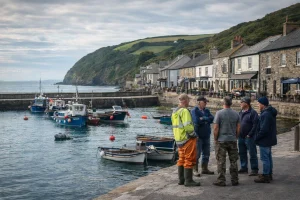
Sharp’s Brewery has been more than a production facility. It has been a brand ambassador for Cornwall.
Doom Bar is among the UK’s bestselling cask ales and has been distributed nationwide, bringing visibility to Cornwall’s brewing tradition.
The brewery’s importance can be viewed across three dimensions:
Economic Impact
- Direct employment at the Rock site
- Supply chain spending within Cornwall
- Contribution to hospitality tourism
Cultural Significance
- Branding rooted in Cornish geography
- Association with coastal heritage
- Longstanding community presence
Industry Reputation
- Recognition in national cask ale markets
- Influence within UK pub culture
For many residents, the brewery symbolised local enterprise succeeding on a national scale. Its closure therefore feels personal, not just commercial.
What Happens Next? – Timeline, Consultation, and Support
The closure remains subject to consultation. This means formal discussions with employees and representatives are ongoing before final decisions are implemented.
The expected timeline indicates closure by the end of the year, should the proposal proceed.
Molson Coors has stated its focus is on supporting affected colleagues throughout the process. Government services are also available to provide employment assistance.
While corporate statements emphasise transition and support, the long-term outcome for the Rock site remains uncertain.
For you as a business observer, the next developments to monitor include:
- Confirmation of final closure decision
- Announcement of alternative brewing locations
- Updates on employee redeployment or redundancy packages
- Potential political intervention or policy changes
The consultation phase represents the final structured opportunity for adjustments, though no alternative solution has yet been formally proposed.
What Should Pub Owners and Drinkers Expect?
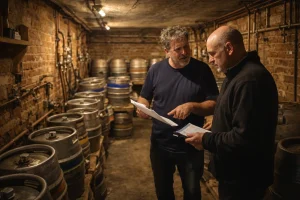
In the short term, the supply of Doom Bar and other Sharp’s brands is expected to continue. Distribution networks remain intact, and no immediate discontinuation has been announced.
However, you may notice changes over time in:
- Brewing location information on packaging
- Marketing messaging
- Distribution logistics
The broader restructuring, including digital order processing, reflects an industry increasingly shaped by online systems and centralised operations.
If you run or manage a pub, you are unlikely to experience sudden supply disruptions. But brand perception among customers could evolve, particularly if brewing moves outside Cornwall.
Could Sharp’s Brewery Be Saved?
At present, no confirmed rescue plan has been announced for Sharp’s Brewery. Molson Coors says it explored “every alternative option” before proposing the closure, suggesting the decision followed a broader strategic review rather than a sudden change.
In theory, several possibilities could still emerge. These include a sale of the Rock site to an independent operator, a management buyout led by existing leadership, or intervention through regional investment aimed at protecting jobs and local production. However, none of these scenarios has been formally confirmed.
Given the scale of corporate restructuring, the Sharp’s Brewery closure appears tied to long-term efficiency goals, indicating a structural shift rather than a temporary pause in operations.
Conclusion
The Sharp’s Brewery closure signals more than one site shutting down. It highlights global brewing pressures, UK hospitality challenges, and the tension between multinational efficiency and local identity.
While Doom Bar and other beers may continue elsewhere, ending production in Rock would close a major chapter for Cornwall.
Attention now turns to job outcomes, brand authenticity, and whether policies can better support regional breweries, as consultation continues and the site’s long-term future remains uncertain.
Frequently Asked Questions
Will Sharp’s Brewery close immediately?
The closure is currently subject to consultation. If approved, it is expected to take effect by the end of the year.
How many jobs are affected by the proposal?
Approximately 50 jobs at the Rock brewery are at risk, with around 200 roles affected across Molson Coors’ wider UK & Ireland restructuring.
Is Doom Bar being discontinued?
No. Molson Coors has stated it remains committed to the Sharp’s brands and is exploring alternative brewing arrangements.
Why is the brewery considered financially unsustainable?
The company cites operational inefficiencies within its national production network, alongside wider cost pressures affecting the brewing sector.
Where might Doom Bar be brewed in the future?
Production could move to another Molson Coors facility or be handled through partnership brewing agreements.
What support is available for affected employees?
The Department for Work and Pensions’ Rapid Response Service is available, and Molson Coors has committed to supporting staff through consultation.
Could government intervention prevent closure?
There is currently no confirmed intervention plan, though local political representatives have called for policy changes to protect regional brands.