Morrisons Toilet Rule: 2026 In-Store Facilities Update
 • May 22, 2026
Key Takeaways:
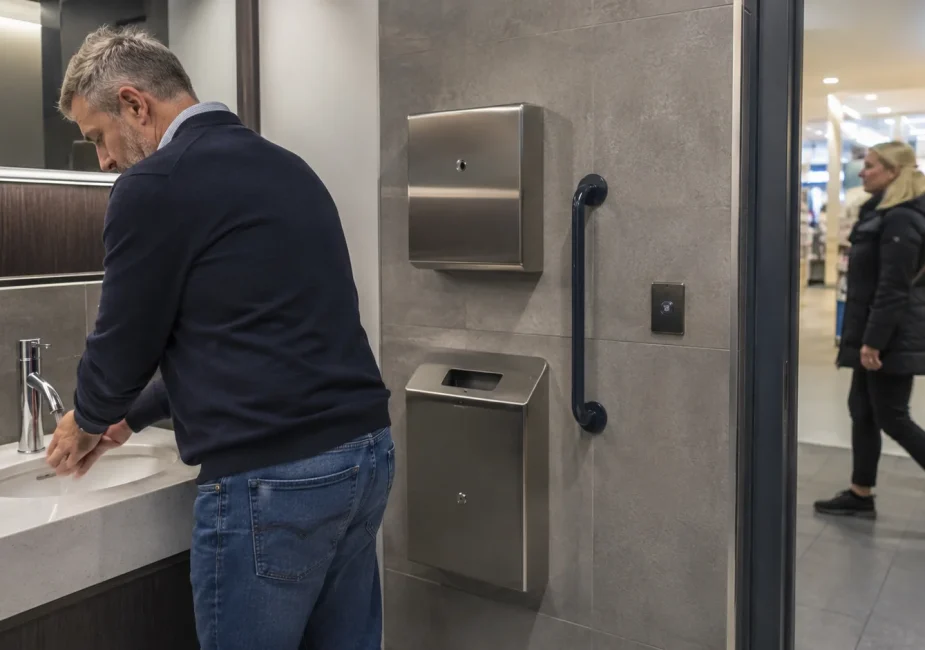
- New Policy: Morrisons has installed male sanitary bins across all supermarkets in the UK.
- First in the UK: Morrisons is the first supermarket chain to meet The Bog Standard guidelines.
- Purpose: The initiative supports men managing incontinence and promotes dignity and comfort in public spaces.
- Coverage: The rollout applies to Morrisons supermarkets but does not extend to all Morrisons Daily convenience stores.
- Wider Impact: The change could influence future accessibility and inclusive facility standards across UK retail.
What Is the New Morrisons Toilet Rule Introduced Across UK Stores?
The new Morrisons toilet rule refers to the nationwide installation of male sanitary bins in customer toilet facilities across all Morrisons supermarkets in the UK. The initiative is designed to support customers who require discreet and hygienic disposal facilities, particularly men living with urinary incontinence.
While sanitary bins have traditionally been associated with female toilets, organisations advocating for better public accessibility have increasingly highlighted the lack of equivalent facilities for men.
Morrisons implemented the change after customer feedback and consultation with organisations specialising in accessibility and healthcare support. This policy does not create restrictions around toilet access. Instead, it expands the available facilities and improves inclusivity within existing customer spaces.
The initiative aligns with growing expectations that supermarkets should support a broader range of customer needs beyond shopping convenience.
What the Morrisons Toilet Rule Includes
| Feature | Details |
|---|---|
| Male sanitary bins | Installed in customer male toilets |
| Purpose | Hygienic disposal support |
| Customer focus | Men living with incontinence |
| Coverage | Morrisons supermarkets nationwide |
| Availability | Not guaranteed in all convenience stores |
What Should Customers Actually Expect When Visiting Morrisons Toilets in 2026?
For most shoppers, the update does not change how customer toilets are accessed or used. Customers do not need to request permission, speak to staff or register for additional support.
The change is focused on improving facilities already available inside participating Morrisons supermarkets.
Customers visiting stores in 2026 should expect:
- Male sanitary bins available in customer male toilet areas where facilities exist
- Continued availability of accessible toilet facilities where provided
- No impact on standard shopping journeys
- Differences between supermarket locations and smaller convenience formats
- Existing customer toilet access arrangements to remain unchanged
This means the Morrisons toilet rule is not a restriction or access policy. Instead, it is a facility improvement designed to support customers who may previously have found public shopping environments more difficult to use comfortably.
Why Has Morrisons Become the First UK Supermarket to Introduce This Toilet Policy?
Morrisons introduced the policy after recognising an accessibility gap affecting thousands of people across the UK.
Men experiencing incontinence often face challenges when visiting public spaces because suitable disposal options are unavailable. This issue can reduce confidence, limit travel and create unnecessary discomfort.
Unlike isolated store trials or local accessibility updates, Morrisons introduced the facilities across its supermarket estate at a national level. This wider rollout helped position the retailer as the first UK supermarket chain to publicly align with The Bog Standard guidelines rather than applying changes to selected locations only.
By becoming the first supermarket to adopt these standards across its estate, Morrisons positions itself as an early adopter of inclusive customer infrastructure.
The decision also reflects changing expectations in retail environments. Customers increasingly expect stores to provide facilities that support diverse health and accessibility needs.
The Development of The Bog Standard Guidelines
The Bog Standard guidelines were developed to encourage businesses and public spaces to include male sanitary bins and improve awareness around male incontinence.
The guidelines were shaped through collaboration between organisations focused on facility management and health advocacy.
Rather than viewing toilet access as a basic requirement alone, the standards encourage organisations to treat facilities as an essential part of customer wellbeing.
David Scott, Corporate Affairs Director at Morrisons, explained: “Improving facilities in our stores means listening to customers and responding to needs that may not always be visible but significantly affect everyday confidence.”
This type of retail decision demonstrates how accessibility initiatives increasingly form part of customer service strategies.
Why Has This Become a Bigger Customer Accessibility Issue in 2026?
Public toilet accessibility has become a larger conversation across UK retail because customer expectations increasingly extend beyond products and pricing.
For customers living with urinary incontinence or recovering from medical treatment, limited disposal facilities can affect how long they stay in public spaces and whether they feel comfortable travelling.
Retailers have gradually expanded support through family facilities, accessible toilets and wider inclusion initiatives. Morrisons’ decision reflects a shift towards addressing needs that are less visible but still influence everyday confidence.
Examples of challenges customers commonly report include:
- Shortening shopping visits
- Planning journeys around toilet access
- Reduced confidence using public facilities
- Avoiding longer trips outside home
- Additional stress for carers and family members
This broader context explains why practical changes inside supermarkets increasingly form part of accessibility planning.
How Will Male Sanitary Bins Change Customer Facilities in Morrisons Stores?
The introduction of male sanitary bins changes customer facilities by addressing a practical need that has historically received limited attention.
For customers managing health conditions, having appropriate disposal facilities can determine whether visiting public places feels manageable or stressful.
Male sanitary bins provide:
- Greater privacy
- Improved hygiene
- Increased confidence
- More inclusive facilities
For Morrisons, the initiative extends beyond installing additional equipment. It reshapes expectations around what supermarket services should include.
Many accessibility improvements focus on entrances, parking and movement through stores. This update places attention on customer welfare throughout the entire shopping journey.
Customer Experience Before and After the Policy
| Area | Before | After |
|---|---|---|
| Disposal facilities | Limited options | Dedicated sanitary bins |
| Customer comfort | Variable | Improved |
| Accessibility perception | Standard | More inclusive |
| Privacy | Reduced | Increased |
| Convenience | Lower | Enhanced |
What Are The Bog Standard Guidelines and Why Do They Matter?
The Bog Standard guidelines are intended to help organisations provide facilities that reflect the realities of people managing incontinence.
The initiative highlights an issue that often receives little public attention despite affecting significant numbers of individuals.
The standards encourage businesses to:
- Improve toilet accessibility
- Install suitable disposal options
- Increase awareness
- Remove barriers to public participation
The Role of the PHs Group and Prostate Cancer UK
phs Group and Prostate Cancer UK collaborated to raise awareness around facility access and encourage broader adoption of supportive measures.
The objective is not simply infrastructure change but creating environments where customers feel comfortable using public spaces. This approach supports wider conversations around dignity, accessibility and inclusion.
Why Is This Toilet Update Linked to Prostate Cancer Awareness?

Although male sanitary bins may appear to be a small facility change, the update also reflects wider awareness around conditions that can affect continence and everyday confidence.
Many men recovering from prostate treatment may experience temporary or long-term changes that make access to suitable disposal facilities more important during everyday activities.
The broader objective behind initiatives such as The Bog Standard guidelines is not simply infrastructure improvement but helping remove barriers that can discourage people from using public spaces comfortably.
By introducing these facilities nationally, Morrisons has helped bring greater visibility to a topic that has traditionally received limited public discussion.
Who Benefits from Morrisons’ Updated Toilet Facilities?
The immediate beneficiaries are customers living with urinary incontinence, but the impact extends further.
People who may benefit include:
- Men recovering from prostate treatment
- Older adults
- Customers managing long-term health conditions
- Carers and family members
- Employees using store facilities
The wider customer base may also benefit because accessibility improvements often improve experiences for groups beyond their original target audience.
Better facilities can increase confidence and reduce stress during everyday activities.
How Does This Policy Support Men Living with Incontinence?
Although the physical change appears small, the practical impact may be more significant for affected customers.
For men managing urinary incontinence, public toilet access is not always about finding a toilet itself but having suitable facilities available once inside.
Dedicated disposal facilities may help customers feel more confident spending longer periods away from home and reduce concerns around privacy and hygiene.
Potential benefits include:
| Customer Need | Potential Benefit |
|---|---|
| Privacy | More discreet disposal |
| Comfort | Reduced anxiety |
| Hygiene | Improved convenience |
| Independence | Greater confidence outside home |
| Accessibility | Better overall shopping experience |
Small accessibility changes often improve experiences for a wider group than originally intended, including carers, older adults and customers managing temporary health conditions.
Why Are Customer Accessibility and Inclusive Facilities Becoming a Retail Priority?
Retail businesses increasingly recognise that customer expectations extend beyond products and pricing.
Shoppers increasingly evaluate businesses through:
| Customer Expectation | Why It Matters |
|---|---|
| Accessibility | Supports equal access |
| Convenience | Improves experience |
| Inclusivity | Builds customer trust |
| Comfort | Encourages return visits |
| Practical support | Creates stronger loyalty |
Accessibility initiatives have moved from optional enhancements to visible indicators of customer care. This trend also reflects broader conversations about public health and community support.
What Did Morrisons Say About the Decision to Roll Out the New Facilities?
Morrisons explained that the rollout was influenced by customer feedback and formed part of wider accessibility improvements. The company emphasised supporting customers who may otherwise experience difficulties when using public facilities.
This initiative follows a pattern of introducing customer-focused operational changes. Retail decisions increasingly involve balancing commercial considerations with customer welfare.
By acting nationally rather than through a limited trial, Morrisons signalled confidence in the value of the initiative. Store facilities increasingly contribute to customer perception in the same way as pricing, availability and service quality.
A UK retail accessibility consultant observed: “Customers increasingly remember how a retailer made them feel, not simply what they purchased. Inclusive facilities now shape customer loyalty more than many businesses expect.”
The rollout may therefore influence wider decisions across the supermarket sector.
How Does This Compare with Toilet Facilities in Other UK Supermarkets?
Customer toilet policies vary considerably across UK supermarket chains.
Many supermarkets already provide disabled facilities, baby changing areas and customer toilets in larger stores, but Morrisons’ rollout focuses on adding dedicated support for male sanitary disposal.
Comparison overview:
| Supermarket Feature | Typical Availability |
|---|---|
| Customer toilets | Common |
| Accessible toilets | Common |
| Family facilities | Common |
| Male sanitary bins | Less commonly highlighted |
This distinction may contribute to Morrisons receiving greater attention for the initiative and could influence how competitors review customer facilities in future.
Will the Morrisons Toilet Rule Apply to Morrisons Daily Convenience Stores?
The policy does not automatically apply to all Morrisons Daily convenience stores Unlike supermarkets, convenience outlets operate with varying layouts and facility availability.
Many smaller locations do not provide customer toilets. As a result, implementation across convenience formats would require different operational considerations.
Customers visiting Morrisons Daily stores should be aware that facilities may differ depending on location. This distinction reflects the operational differences between supermarket estates and convenience retail models.
What Should Customers Know Before Visiting a Morrisons Store?
Facility availability may still vary between locations.
Customers should keep in mind:
- Larger supermarkets are more likely to provide customer toilets
- Morrisons Daily locations may not include public facilities
- Accessibility features can vary by store layout
- Individual store refurbishment schedules may differ
- Staff can normally advise on available facilities
Customers planning longer journeys may still benefit from checking local store details before visiting.
Could the Morrisons Toilet Rule Influence Wider Changes Across UK Retail?
Large supermarket chains often influence operational standards across retail.
When one major retailer adopts a visible accessibility initiative, competitors frequently evaluate whether similar improvements are appropriate.
Potential outcomes could include:
- Greater awareness of male incontinence
- More inclusive public facilities
- Updated internal policies
- Expanded customer accessibility programmes
Although adoption across the industry is not guaranteed, Morrisons’ decision introduces a practical example of how customer feedback can shape infrastructure.
Retail trends often begin with individual operational changes before becoming wider expectations.
What Does This Mean for Customers Visiting Morrisons in 2026?
For customers, the update represents a practical improvement rather than a dramatic change to shopping routines. The visible impact may appear small, but for affected individuals the benefits can be meaningful.
Customers visiting Morrisons stores in 2026 can expect:
- More inclusive customer facilities
- Improved support infrastructure
- Increased attention to accessibility
- Continued focus on customer experience
The rollout also reinforces a wider shift in retail where supermarkets increasingly position themselves as community-focused service environments.
As expectations continue evolving, facility improvements may become an increasingly important part of how customers evaluate stores.
How Is Morrisons Positioning Itself Through Accessibility Improvements?
Accessibility improvements increasingly contribute to brand identity. By adopting this policy nationally, Morrisons communicates a willingness to respond to customer concerns and support practical inclusion.
Retail accessibility is no longer limited to regulatory compliance. Businesses increasingly use facility improvements to demonstrate responsiveness and strengthen customer trust.
The decision may also encourage wider conversations around inclusive public spaces and everyday accessibility standards.
What Could This Mean for Future Supermarket Accessibility Standards?
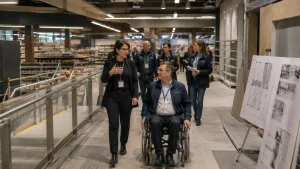
Retail facility decisions introduced by major chains are often monitored across the wider market. Although no wider industry changes have been confirmed, Morrisons’ rollout may increase awareness around how customer facilities are designed and maintained.
Areas that retailers may continue reviewing include:
- Accessibility improvements
- Inclusive toilet design
- Customer wellbeing initiatives
- Health-related facility support
- Practical service enhancements
For customers, these developments reflect a broader shift towards making everyday public environments easier and more comfortable to use.
Conclusion
The Morrisons toilet rule represents a practical but highly visible change to supermarket facilities in 2026. By introducing male sanitary bins across its supermarket estate and supporting The Bog Standard guidelines, Morrisons has focused on improving accessibility for customers who may otherwise face barriers when using public spaces.
While the update does not alter toilet access rules or extend universally across convenience formats, it highlights how customer feedback and inclusive design increasingly influence retail decisions. For many shoppers, the change may appear minor, but for affected customers it could make everyday visits more comfortable and manageable.
Frequently Asked Questions
What is the Morrisons toilet rule in 2026?
The Morrisons toilet rule refers to the rollout of male sanitary bins across Morrisons supermarkets in the UK. The update aims to improve accessibility and support customers who require discreet and hygienic disposal facilities.
Why did Morrisons introduce male sanitary bins in customer toilets?
Morrisons introduced the change to improve inclusivity and respond to customer needs around toilet accessibility. The update particularly supports men living with urinary incontinence and aligns with The Bog Standard guidelines.
Is Morrisons changing who can use customer toilets?
No. The policy does not introduce new restrictions or change customer access rules. The update focuses on improving facilities inside existing customer toilet areas rather than limiting usage.
Are male sanitary bins available in every Morrisons location?
The rollout applies across Morrisons supermarkets nationally. However, individual facilities may vary depending on store layout, refurbishment schedules and available customer toilet space.
Does the Morrisons toilet rule apply to Morrisons Daily stores?
Not automatically. Many Morrisons Daily convenience stores do not provide customer toilet facilities, so availability may differ depending on the location and store format.
Who benefits most from Morrisons’ updated toilet facilities?
The facilities are primarily intended to support men managing urinary incontinence, including some customers recovering from prostate treatment. Older adults, carers and people with additional accessibility needs may also benefit.
Could other UK supermarkets introduce similar toilet policies?
It is possible that other retailers may review their customer facilities as accessibility expectations continue evolving. Morrisons’ rollout may encourage wider discussion around inclusive toilet standards across UK retail.