Michelin-Starred Chef Restaurant Closure UK – What’s Behind the Sudden Shutdowns?
 • December 22, 2025
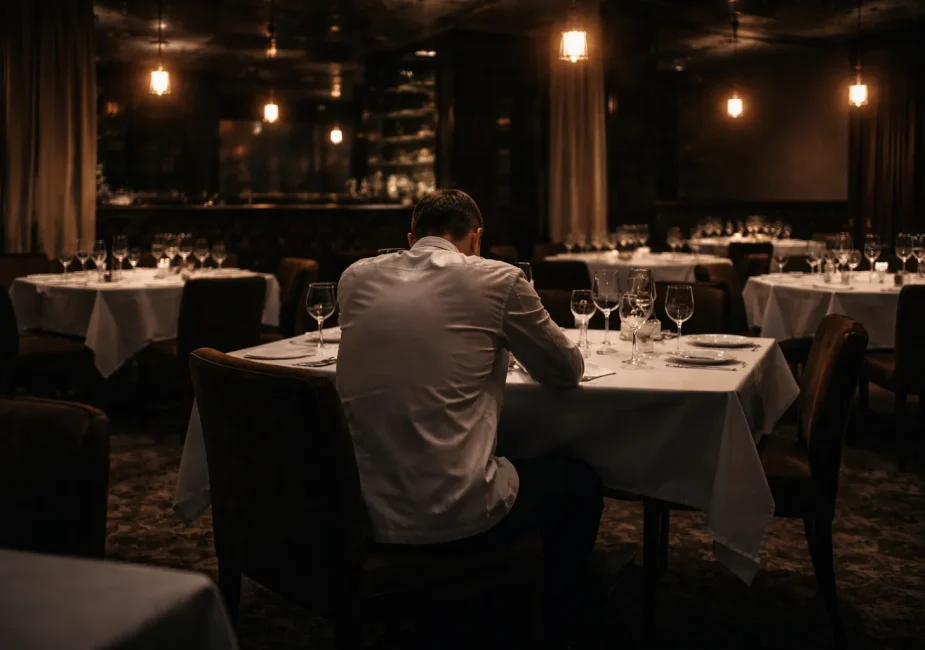
The phrase “Michelin-starred chef restaurant closure UK” has become increasingly common in recent headlines, worrying diners and industry insiders alike. Once a mark of ultimate culinary success, Michelin recognition no longer guarantees long-term survival in Britain.
From London to Cornwall, acclaimed restaurants led by celebrated chefs have quietly or suddenly closed, despite rave reviews and loyal followings.
This trend raises key questions: why are these restaurants shutting, what pressures are forcing chefs to step away, and what does this mean for the future of UK fine dining?
Why Are Michelin-Starred Restaurants Closing Across the UK?
At first glance, the closure of a Michelin-starred restaurant seems surprising. These venues operate at the highest levels of culinary skill, often fully booked and critically acclaimed. Yet many are balancing on extremely thin margins behind the scenes.
Fine dining in the UK has always carried high financial risk due to:
- Premium ingredients and specialised staff costs
- Curated, high-quality dining experiences
Recent years have intensified these pressures. Rising operational costs, shifting consumer habits, and long-term structural weaknesses in the hospitality sector are converging, making sustainability difficult.
While Michelin recognition boosts demand, it does not protect against:
- Inflation and energy price hikes
- Rent increases and lease challenges
- Workforce shortages and staffing pressures
Even the most acclaimed restaurants are struggling to remain viable without compromising quality or chef wellbeing.
Which Michelin-Starred Restaurants Closed in 2024–2025?
The period between 2024 and 2025 has been particularly challenging for the UK’s fine dining sector. Several high-profile closures during this time brought national attention to the scale of the problem and sparked renewed debate about sustainability within Michelin-level dining.
Some of the most notable closures included long-established London institutions as well as destination restaurants in rural areas. These were not experimental start-ups, but mature businesses with strong reputations, experienced leadership, and significant industry respect.
Key Michelin-Starred Closures in the UK (2024–2025)
| Restaurant Name | Location | Head Chef | Michelin Status | Closure Period | Primary Factors |
|---|---|---|---|---|---|
| Bibendum | London | Claude Bosi | Two Stars | 2025 | Lease disputes, rising costs |
| Lyle’s | London | James Lowe | One Star | 2025 | Economic pressures |
| Cornerstone | London | Tom Brown | One Star | 2024 | Industry-wide financial strain |
| Crocadon | Cornwall | Dan Harvey | One Star | 2025 | Operational challenges |
| The Ruddington Arms | Nottinghamshire | Mark Anderson | Michelin Recommended | 2025 | Mental, financial fatigue |
| Silo | London | Douglas McMaster | One Star | 2025 | Sustainability costs |
These closures collectively illustrate that no single location, cuisine, or business model is immune. Whether operating in central London or rural Britain, Michelin-starred chefs have faced remarkably similar pressures.
Are Michelin-Starred Restaurant Closures Still Happening Right Now in the UK?
Yes – the trend has not slowed. As of late 2025, more Michelin-starred restaurants across the UK continue to close, reinforcing concerns about the sustainability of fine dining.
Notably, recent closures include Victor Garvey’s short-lived establishment at the Midland Grand Dining Room and Pearly Queen in Shoreditch. These closures occurred quietly, often without formal announcements, indicating a growing fatigue within the industry.
While some chefs are pivoting to new ventures, others are stepping away entirely, citing exhaustion and unmanageable overheads.
Recent patterns suggest:
- Closures are no longer seasonal or isolated
- Even newer Michelin-starred venues are struggling
- Quiet shutdowns without media coverage are increasing
This reflects a sobering reality: the closure crisis is still very much ongoing.
What Economic Pressures Are Michelin-Starred Chefs Facing in the UK?

Economic factors sit at the heart of the Michelin-starred chef restaurant closure trend in the UK. While all hospitality businesses have felt the impact of rising costs, fine dining establishments are particularly exposed due to their reliance on skilled labour, premium produce, and energy-intensive operations.
Rising Operational Costs
Energy bills have surged, affecting restaurants with long service hours, specialist equipment, and temperature-controlled storage. Reducing consumption without impacting standards is rarely feasible.
Food inflation has also hit hard, as seasonal, local, and ethically sourced ingredients, central to Michelin dining, have become more expensive, forcing restaurants to balance rising costs with maintaining quality.
Staffing and Wage Challenges
Recruitment and retention remain persistent issues. Skilled chefs, sommeliers, and front-of-house professionals command higher wages, and rightly so.
However, for many owner-chefs, the financial reality has become stark: after paying staff fairly, covering rent, and meeting suppliers’ costs, personal earnings can fall below those of senior managers in less demanding industries.
In some cases, restaurants have chosen closure over compromising staff conditions or personal health, highlighting a deeper issue within the business model of fine dining.
Financial Pressure Overview:
| Cost Category | Pre-2020 Trend | 2024–2025 Reality |
|---|---|---|
| Energy | Stable | Significant increase |
| Ingredients | Seasonal variation | Sustained inflation |
| Labour | Competitive | Severe shortages |
| Rent | Negotiable | Steep annual rises |
| Profit Margins | Low but manageable | Critically thin |
These pressures have combined to make long-term planning increasingly uncertain, even for well-established Michelin-starred restaurants.
How Has the Post-Pandemic Recovery Impacted Fine Dining?
Although the hospitality industry reopened several years ago, the effects of the pandemic continue to reverberate throughout the fine dining sector. Michelin-starred restaurants, in particular, have faced a slower and more complex recovery than casual dining venues.
During extended closures, many chefs reassessed their priorities. Some returned with renewed ambition, while others questioned whether the sacrifices required to operate at Michelin level were sustainable in a changed world. The result has been a noticeable shift in how chefs approach both their businesses and their personal lives.
Consumer behaviour has also evolved. While diners still appreciate exceptional food, fewer are willing to commit to long, expensive tasting menus on a regular basis. Special-occasion dining remains popular, but it no longer provides the consistent footfall required to support high-overhead establishments.
Is the Michelin System Still Relevant in the UK Dining Scene?
The Michelin Guide has long been regarded as the ultimate authority in fine dining. A star can transform a restaurant’s fortunes overnight, attracting global attention and elevating a chef’s career. However, in today’s economic climate, that prestige comes with significant pressure.
The Demands of Maintaining a Star
Holding a Michelin star often requires constant reinvestment. Menus must evolve, service standards must remain flawless, and every detail must meet exacting expectations. While this drives excellence, it also increases costs and limits flexibility.
For some chefs, the pursuit of Michelin recognition has become a double-edged sword. The star attracts diners, but it also locks restaurants into a model that is increasingly difficult to sustain without external investment or personal sacrifice.
Changing Chef Perspectives
- Some chefs are choosing to step away from Michelin-level dining to pursue more flexible concepts.
- Others are embracing smaller, more personal projects that prioritise creativity over formal recognition.
- A growing number are questioning whether the traditional fine dining model aligns with modern lifestyles and economic realities.
This shift does not diminish the value of Michelin stars, but it does suggest that their role within the UK dining ecosystem is evolving.
Are Location and Rent Playing a Bigger Role Than Ever?
Location has always influenced a restaurant’s success, but rising rents have amplified its importance in recent years. Michelin-starred chef restaurant closures in the UK have highlighted how vulnerable even prime locations can be when lease terms become unsustainable.
In London, competition for space is intense, and landlords often prioritise higher-paying tenants over long-term culinary institutions. Even historically significant restaurants have found themselves unable to renegotiate leases on viable terms.
Rural restaurants face a different challenge. While rent may be lower, customer volume is less predictable, and operational costs such as logistics and staffing can be higher. The closure of destination restaurants outside major cities underscores the fact that geography alone does not guarantee stability.
What Role Does the Rise of Casual Dining Play in These Closures?

The British dining landscape has changed markedly over the past decade. Casual dining concepts, neighbourhood restaurants, and hybrid models have grown in popularity, offering high-quality food without the formality or expense of traditional fine dining.
Many diners now value flexibility, informality, and perceived value over ceremony. This shift has placed additional pressure on Michelin-starred restaurants, which often rely on longer dining times and higher spend per head to remain profitable.
While some Michelin-starred chefs have successfully adapted by opening more relaxed sister restaurants, others have struggled to reconcile their culinary identity with changing market expectations.
What Can the UK Hospitality Industry Do to Reverse This Trend?
Despite the challenges, there is cautious optimism within the industry. Chefs, operators, and policymakers are increasingly aware that the existing model requires adaptation rather than abandonment.
Potential solutions include:
- Greater collaboration between landlords and restaurateurs to create sustainable lease structures.
- Increased support for mental health and wellbeing within the hospitality workforce.
- Flexible business models that allow chefs to diversify income streams without diluting quality.
Innovation, rather than tradition alone, may prove key to preserving the UK’s fine dining heritage.
Conclusion
The recent wave of Michelin-starred chef restaurant closures in the UK marks a significant moment for British gastronomy. These closures do not reflect a decline in talent or passion, but rather a system under immense strain.
As economic realities collide with long-standing traditions, chefs are being forced to rethink what success looks like. For some, that means stepping away from Michelin stars; for others, it means redefining fine dining on their own terms.
What remains clear is that the UK’s culinary scene is not disappearing, it is evolving. The challenge now lies in ensuring that evolution allows both creativity and sustainability to thrive.
Frequently Asked Questions
Why are Michelin-starred restaurants closing despite being popular?
Popularity does not always translate into profitability. High operating costs, rent increases, and staffing challenges can outweigh strong demand.
Are Michelin stars still beneficial for UK restaurants?
Yes, but they come with financial and operational pressures that are becoming harder to manage in the current climate.
Is this trend limited to London?
No. Closures have occurred across the UK, including rural and regional areas.
Are chefs leaving the industry entirely?
Most are not leaving hospitality but are exploring alternative formats such as smaller restaurants, consultancy, or private dining.
Will fine dining disappear from the UK?
Unlikely. Fine dining is more likely to adapt than vanish, with new models emerging to suit modern realities.
How does rent affect Michelin-starred restaurants?
High and inflexible rents significantly increase financial risk, especially in prime urban locations.
What can diners do to support independent restaurants?
Dining locally, booking directly, and supporting restaurants outside peak times can make a meaningful difference.