
Is Vaping Haram or Halal? | Simple Islamic Breakdown
 • December 1, 2025

A few years ago, I began to notice that more and more of my Muslim friends were switching from cigarettes to vaping. Some claimed it helped them quit smoking, others simply liked the flavours and thought it was a safer habit.
When I asked if vaping was allowed in Islam, I got mixed answers. Some said it’s halal, others insisted it’s haram. The confusion was real. In the UK, vaping has become a common sight among young adults and even teenagers, including within Muslim communities.
But with religious principles strongly discouraging self-harm, addiction, and wasteful spending, the question naturally arises: is vaping haram or halal in Islam?
Let’s explore this topic based on what scholars say, what the Quran and Hadith reveal, and how Islamic teachings apply to this modern-day dilemma.
What is Vaping?
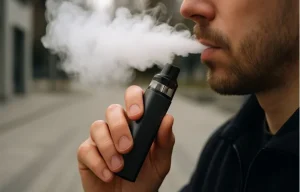
Vaping refers to the act of inhaling vapour produced by an electronic cigarette (e-cigarette) or similar device. These devices heat a liquid known as e-liquid or vape juice, which usually contains a mix of propylene glycol, vegetable glycerin, flavourings, and often nicotine.
Types of Vape Devices
There are several kinds of vaping devices:
- Cigalikes are designed to resemble traditional cigarettes
- Vape pens are compact, rechargeable pens with refillable tanks
- Pod systems such as the Lost Mary and Elf Bar ranges
- Box mods, larger devices for experienced vapers
How It Differs from Smoking?
Unlike smoking, vaping does not involve burning tobacco. Instead, it vaporises a liquid, which is inhaled through the mouth and absorbed into the lungs.
While vaping avoids the tar and carbon monoxide found in cigarettes, it still introduces chemicals, flavourings, and often addictive substances like nicotine into the body.
Vaping is often marketed as a safer alternative to smoking, and some health authorities, like the UK’s Office for Health Improvements and Disparities, suggest it is “95% less harmful” than smoking. Still, “less harmful” does not mean “harmless”.
What Does Haram Mean in Islam?
To determine whether vaping is haram, it’s essential to understand the concept of haram in Islamic teachings. In Islam, actions are divided into five categories:
| Category | Meaning |
| Fard | Obligatory |
| Mustahabb | Recommended |
| Mubah | Permissible |
| Makruh | Discouraged |
| Haram | Forbidden |
An action is considered haram if it causes harm to the body, mind, or soul, or if it directly contradicts the teachings of the Qur’an or Hadith. Harmful or addictive behaviours often fall into this category.
The Quran commands:
“Do not let your own hands contribute to your destruction” (Surah Al-Baqarah 2:195)
In this context, anything that damages health, causes addiction, or leads to reckless behaviour can be considered haram.
What Do Islamic Scholars Say About Vaping?
The issue of vaping has sparked considerable debate among Islamic scholars. Since vaping is a modern phenomenon, it’s not directly mentioned in classical Islamic texts. However, scholars have used Islamic legal principles (fiqh) to issue fatwas and opinions.
Majority Opinion: Vaping is Haram
Most scholars agree that if vaping causes harm or addiction, then it should be considered haram. Key concerns include:
- The presence of nicotine, an addictive substance
- Long-term health risks, including potential lung and heart issues
- Vaping during fasting hours
- Association with wasteful or imitative behaviour
Institutions such as Malaysia’s National Fatwa Council and several Gulf state scholars have declared vaping haram due to its risks. UK scholars often advise caution, especially for youth.
Minority Opinion: Vaping is Makruh or Conditional
Some scholars believe that vaping could be makruh (discouraged) rather than haram if:
- It’s used temporarily to quit smoking
- It contains no nicotine or harmful ingredients
- The person intends to quit both vaping and smoking eventually
So, the context and intent (niyyah) behind the act matter.
Is Vaping Haram or Halal According to the Quran and Hadith?

While vaping is not explicitly mentioned in the Quran or Hadith, scholars apply broader Islamic principles to determine its ruling.
Relevant Quranic Verses
- Surah An-Nisa 4:29 – “Do not kill yourselves. Indeed, Allah is to you ever Merciful.”
- Surah Al-A’raf 7:31 – “Eat and drink, but be not excessive. Indeed, He likes not those who commit excess.”
- Surah Al-Baqarah 2:168 – “Eat from what is lawful and good, and do not follow the footsteps of Satan.”
These verses highlight the importance of health, moderation, and avoiding self-destructive habits. Vaping, particularly when harmful or addictive, contradicts these values.
Hadith and Imitation
The Prophet Muhammad (peace be upon him) warned against imitating non-Islamic practices. In Abu Dawud, he said:
“Whoever imitates a people is one of them.”
Many scholars argue that vaping mimics harmful Western habits that serve no spiritual or physical benefit.
How Does Vaping Affect Health and Spirituality?
Even though vaping is widely perceived as safer than smoking, health experts caution that it is not risk-free.
Medical Concerns
- Inhalation of chemicals and flavourings may irritate lungs
- Possible long-term impact on heart and blood vessels
- Presence of nicotine leads to dependency and withdrawal
- Risk of popcorn lung and respiratory disorders in extreme cases
Spiritual Impact
In Islam, the body is a trust from Allah. Introducing avoidable harm undermines that trust. Additionally, nicotine addiction may distract a believer from prayer, fasting, and remembrance of Allah.
Does Vaping Break the Fast During Ramadan?
The majority of scholars agree that yes, vaping breaks the fast. Here’s why:
How Fasting Works?
During fasting, Muslims abstain from anything that enters the body cavity through the mouth, nose, or other openings. Vaping delivers vapour into the throat and lungs.
Scholarly Consensus
Even though vapour is not food or drink, it is still a substance entering the body and offering satisfaction, which violates the spirit and rules of fasting.
You can vape before suhoor and after iftar, but not during fasting hours. However, many Muslims use Ramadan as a time to quit entirely.
Can Vaping Be Used to Quit Smoking Islamically?

Many people argue that they vape to stop smoking. In such cases, some scholars offer leniency based on the principle of harm reduction.
Lesser of Two Evils
If smoking is more dangerous than vaping, and someone uses vaping as a short-term tool to quit, then it may be:
- Makruh, not haram
- Permissible if intention is genuine and usage is limited
However, this leniency is conditional. Continuing to vape without quitting eventually may invalidate this allowance.
Islamic Perspective on Smoking vs Vaping
| Factor | Smoking | Vaping |
| Addictive Substance | Yes (nicotine) | Often contains nicotine |
| Known Health Risks | High | Medium (still being studied) |
| Breaks Fast | Yes | Yes |
| Permissible in Islam | No (Haram) | Debatable, mostly Haram |
Are There Smoke-Free Alternatives That Are Halal?
Smoke-free alternatives are often recommended over vaping or smoking. These include:
Nicotine Replacement Options
- Nicotine gums
- Nicotine patches
- Lozenges or pouches
- Prescription medicines (e.g., Champix)
These are typically seen as halal, as they:
- Avoid inhalation
- Are used for quitting, not for pleasure
- Don’t imitate harmful behaviours
These tools align better with Islamic teachings that promote health, discipline, and the avoidance of addiction.
Real-Life Example: A Muslim’s Journey With Vaping
Amir, a 27-year-old from London, started vaping after years of smoking. He believed it was the halal way to stop cigarettes. Initially, he used nicotine vapes with the intention of quitting. But over time, vaping became a daily habit, not a quitting strategy.
He spoke to his local imam, who explained that vaping may be less harmful, but continuing indefinitely could make it haram due to its addictive nature and spiritual consequences.
Eventually, Amir transitioned to nicotine patches and quit vaping entirely within a few months. He now advocates quitting both habits and shares his story in mosques and online forums to help others make informed, faith-aligned choices.
How Does Intent (Niyyah) Influence the Ruling?

In Islam, niyyah (intention) is vital. If a person uses vaping:
- To quit smoking
- With a goal to stop entirely
- Without abuse or addiction
It may be seen differently from someone who:
- Vapes for image or pleasure
- Has no plan to quit
- Encourages others to start
But good intentions cannot override clear harm. Addiction, even with good intent, still contradicts Sharia principles.
Conclusion: Is Vaping Truly Haram?
While vaping is not explicitly forbidden in foundational Islamic texts, the overwhelming consensus among scholars is that it is either haram or makruh, depending on how and why it’s used. The presence of nicotine, health risks, and spiritual distractions all play a role in its prohibition.
Vaping breaks the fast, may cause addiction, and carries long-term uncertainty. Even when used to quit smoking, it must be seen as temporary and not a lifestyle.
Islam encourages believers to protect their health, avoid harmful habits, and maintain spiritual purity. For Muslims seeking alternatives, smoke-free options such as gums or patches are more aligned with Islamic values.
Ultimately, the goal is to live a life of balance, discipline, and consciousness, protecting the body and soul from avoidable harm.
FAQs
Does vaping break the fast during Ramadan?
Yes, because it introduces vapour into the body, offering satisfaction similar to food or drink.
Is nicotine-free vaping halal?
Not necessarily. Even without nicotine, vaping may still pose health risks and is often discouraged unless used for quitting.
Can I vape to quit smoking?
Some scholars allow vaping as a short-term cessation tool, but only if the goal is to quit both smoking and vaping eventually.
Does vaping affect wudu?
No, vaping does not break wudu. However, it’s recommended to rinse the mouth before prayer due to the odour.
Are nicotine pouches allowed in Islam?
Yes, as long as they are used to quit smoking and not abused for pleasure.
Is vaping considered imitating harmful Western culture?
Yes, many scholars argue that vaping is part of a non-Islamic trend and should be avoided.
What is the Islamic ruling if I’m addicted to vaping?
Addiction is harmful and discouraged. You are encouraged to seek help, make sincere repentance, and gradually reduce use.