
Essex Police Officer Misconduct: Sgt Ignored Emergency Calls and Switched Off Radio
 • March 26, 2026
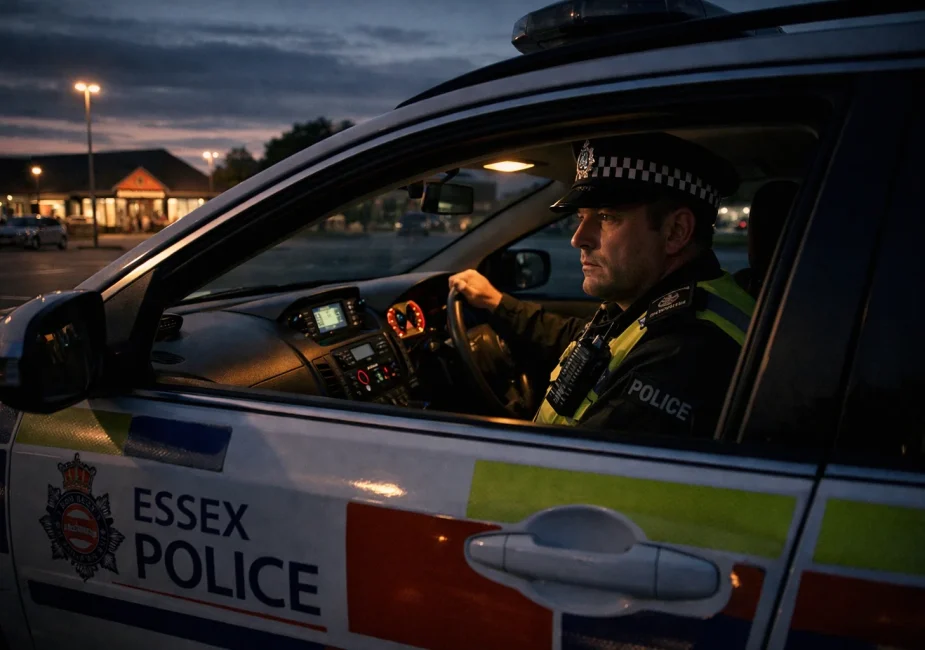
The Essex police officer misconduct case involving former Temporary Sgt James Hicks confirms that he committed gross misconduct by ignoring an emergency call, switching off his radio while on duty, and misusing police systems for personal reasons.
A disciplinary panel concluded that his actions were serious breaches of professional standards, and he would have been dismissed without notice if he had not already resigned.
Key takeaways from this case include:
- Ignoring an emergency call is treated as a severe breach of duty in UK policing
- Switching off a police radio makes an officer operationally unavailable
- Misuse of police communication systems violates professional conduct rules
- The case resulted in a gross misconduct finding and placement on the barred list
- The incident highlights the importance of accountability and public trust in policing
What Happened in the Essex Police Officer Misconduct Case?
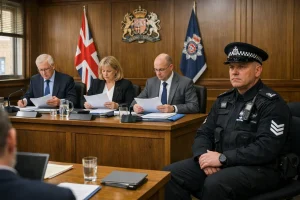
The Essex police officer misconduct case involving former Temporary Sgt James Hicks presents a detailed example of how multiple breaches of professional conduct can collectively amount to gross misconduct.
The disciplinary hearing examined a pattern of behaviour rather than a single isolated incident, which ultimately led to a severe outcome.
At the centre of the case were several key incidents. Hicks attended the home of a colleague with whom he was in a personal relationship, despite there being no operational or policing reason to do so.
While present at the location, he switched off his police radio, effectively removing himself from active duty and making it impossible for control room staff or fellow officers to contact him.
In a separate incident, Hicks was stationed in a supermarket car park in a marked police vehicle. During this time, an emergency call was issued nearby.
Despite being available and within close proximity, he failed to respond to the call. This inaction became one of the most serious elements of the case.
In addition, the panel reviewed his use of police communication systems. He had used Microsoft Teams, an official workplace platform, to communicate with the same colleague and sent a police related image. This was deemed inappropriate and outside the acceptable use of police systems.
The hearing concluded that these actions were not minor lapses in judgement but significant breaches of duty and professional behaviour.
Key Incidents Reviewed in the Hearing
| Incident Type | Description | Impact on Case Outcome |
| Ignored emergency call | Failed to respond while in close proximity | Considered serious neglect of duty |
| Radio switched off | Became unreachable during active duty | Breach of operational protocol |
| Unauthorised visit | Attended colleague’s home without policing purpose | Misuse of time and authority |
| Misuse of communication system | Sent police related content via Microsoft Teams | Breach of professional boundaries |
These combined actions demonstrated a pattern of disengagement from duty and misuse of police responsibilities.
Why Did Sgt James Hicks Ignore Emergency Calls?
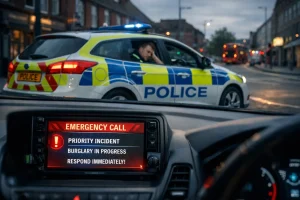
The decision to ignore an emergency call is one of the most serious concerns in this Essex police misconduct case.
Police officers are trained to prioritise emergency response above all other duties, particularly when they are nearby and available.
According to the hearing, Hicks was sitting in a marked police vehicle in a supermarket car park when the emergency call came through.
The expectation in such situations is immediate acknowledgement and response. His failure to act suggested a deliberate disregard for duty rather than an oversight.
Emergency calls often involve situations where there is a risk to life, property, or public safety. Even a short delay can escalate the seriousness of an incident.
What Are Police Responsibilities During Emergency Calls?
Police officers across the UK are expected to follow strict protocols when responding to emergency calls. These responsibilities are clearly defined within policing standards and operational guidelines.
Key responsibilities include:
- Remaining alert and responsive while on duty
- Monitoring communication channels at all times
- Responding promptly based on proximity and availability
- Coordinating with dispatch and other units
Failure to follow these responsibilities is treated as a direct breach of duty.
Table: Expected vs Actual Behaviour
| Responsibility | Expected Conduct | Hicks’ Conduct |
| Monitoring communication | Stay connected via radio | Radio unavailable in other incident |
| Responding to emergencies | Immediate action | No response given |
| Public safety priority | Always prioritised | Ignored in this case |
How Serious Is Failure to Respond in UK Policing?
Failure to respond to an emergency call is often categorised as gross misconduct when it is intentional or negligent. It signals a breakdown in the fundamental duties of a police officer.
A former UK policing supervisor described the seriousness of such behaviour:
“In my experience, ignoring an emergency call is one of the clearest indicators of a breakdown in professional responsibility. Officers are trained to act immediately. Choosing not to respond is seen as a conscious failure, not a mistake.”
This insight reflects how deeply such actions are viewed within policing culture. It is not simply about policy violations but about the trust placed in officers by the public.
Why Did the Officer Switch Off His Radio While on Duty?
Switching off a police radio during active duty is highly unusual and raises immediate concerns regarding accountability and intent.
Radios serve as the primary communication tool between officers and the control room, ensuring coordination and rapid response.
In this case, Hicks turned off his radio while visiting a colleague’s home. This meant that he was effectively disconnected from all operational communication channels.
This action created several risks:
- He could not receive emergency updates
- He was unavailable for deployment
- Supervisors had no way to reach him
Table: Operational Risks of Switching Off a Police Radio
| Risk Factor | Explanation | Potential Consequence |
| Loss of communication | No contact with control room | Missed emergency calls |
| Reduced accountability | No tracking or supervision | Breach of trust |
| Delayed response capability | Unable to react to incidents | Risk to public safety |
Turning off a radio is not just a technical issue. It represents a conscious withdrawal from duty, which is taken seriously in misconduct proceedings.
How Did Misuse of Police Devices Contribute to the Misconduct?
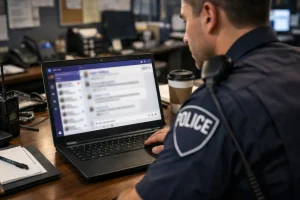
The misuse of police issued devices formed another important part of the misconduct findings. Hicks used Microsoft Teams to communicate with a colleague for personal reasons and shared a police related image through the platform.
Police communication systems are strictly regulated environments designed for operational use. They are not intended for personal conversations or sharing content outside official purposes.
Such misuse raises several concerns:
- Breach of data security protocols
- Erosion of professional boundaries
- Misuse of public resources
Table: Acceptable vs Unacceptable Use of Police Systems
| Usage Type | Acceptable Use | Hicks’ Use |
| Communication | Work related coordination | Personal interaction |
| Content sharing | Operational or authorised material | Inappropriate police image |
| Platform purpose | Professional collaboration | Personal relationship use |
These actions contributed to the overall conclusion that Hicks failed to maintain professional standards in multiple areas.
What Standards of Professional Behaviour Were Breached?
The misconduct panel identified breaches in key areas of professional behaviour, particularly duties and responsibilities and discreditable conduct. These standards are part of the Code of Ethics that governs policing in the UK.
Officers are expected to act with integrity, diligence, and accountability at all times. Any deviation from these principles can lead to disciplinary action.
Table: Professional Standards and Breaches
| Standard | Description | Breach in This Case |
| Duties and responsibilities | Perform role effectively | Ignored emergency call |
| Integrity | Act honestly and appropriately | Misuse of systems |
| Accountability | Remain answerable for actions | Switched off radio |
| Discreditable conduct | Avoid behaviour damaging to police reputation | Multiple incidents combined |
What Is Considered Gross Misconduct in UK Police?
Gross misconduct involves behaviour that fundamentally undermines the role of a police officer. It is defined as conduct so serious that dismissal would normally be justified.
Examples include:
- Deliberate neglect of duty
- Abuse of authority
- Serious breaches of communication protocols
How Are Officers Expected to Maintain Professional Conduct?
Officers are required to consistently demonstrate professionalism, both in public interactions and internal conduct. Supervisors are held to even higher standards due to their leadership responsibilities.
A legal professional specialising in police conduct explained this expectation:
“From my perspective, supervisors carry an added responsibility. I have seen cases where junior officers make mistakes, but when a senior officer disengages from duty, it raises deeper concerns about leadership and culture.”
What Was the Outcome of the Essex Police Misconduct Hearing?
The outcome of the misconduct hearing reflected the seriousness of the findings. The panel determined that Hicks’ actions amounted to gross misconduct. Although he had already resigned, the panel made it clear that he would have been dismissed without notice if he were still serving.
In addition to this, he was placed on the Police Barred List. This prevents individuals who have committed serious misconduct from rejoining any police force within the UK.
Table: Outcomes and Their Implications
| Outcome | Meaning | Long Term Impact |
| Gross misconduct finding | Most serious disciplinary category | Permanent record |
| Would have been dismissed | Indicates severity of actions | Career termination equivalent |
| Police Barred List | Ban from future policing roles | No re entry into police service |
This outcome serves as a clear signal of how seriously such breaches are treated within UK policing.
What Did Chief Constable Ben Julian Harrington Say About the Case?
Chief Constable Ben Julian Harrington provided important commentary during the hearing, emphasising the expectations placed on officers, particularly those in supervisory roles.
He stated that supervisors must lead by example and remain available to respond to public needs. He also highlighted that police systems and time should be used strictly for professional duties.
His remarks reinforced the principle that policing is a public service role requiring constant accountability and commitment.
How Does Police Misconduct Affect Public Trust in the UK?
Police misconduct cases can significantly impact public confidence, especially when they involve failures to respond to emergencies. Trust in law enforcement is built on the assumption that officers will act when needed.
When that expectation is not met, it can lead to:
- Increased public scrutiny
- Reduced confidence in police effectiveness
- Greater demand for transparency
Maintaining trust requires consistent accountability and visible enforcement of standards.
What Are the Consequences of Police Misconduct in the UK?
Police misconduct in the UK is addressed through structured disciplinary processes. The consequences depend on the severity of the behaviour and the evidence presented.
Possible outcomes include:
- Written warnings
- Final written warnings
- Dismissal without notice
- Placement on barred lists
In severe cases, criminal proceedings may also be initiated.
How Can Police Accountability Be Strengthened?
Improving accountability involves a combination of internal discipline and external oversight. Police forces rely on Professional Standards Departments to investigate misconduct, while independent bodies provide additional scrutiny.
Steps to strengthen accountability include:
- Clear enforcement of communication protocols
- Regular training on ethics and conduct
- Strong supervisory oversight
- Transparent reporting systems
The role of organisations such as the Independent Office for Police Conduct remains essential in ensuring fairness and transparency across investigations.
Conclusion
The Essex police officer misconduct case involving Sgt James Hicks serves as a clear example of how breaches of duty and professional standards are treated within UK policing.
Ignoring emergency calls, misusing police equipment, and failing to remain accountable are serious offences that undermine public trust. The outcome of the misconduct hearing reinforces the importance of integrity, responsibility, and leadership within the police force.
Ultimately, this case highlights the need for continued vigilance, accountability, and adherence to professional standards to maintain public confidence in law enforcement.
FAQs About Essex Police Officer Misconduct
What is considered police misconduct in the UK?
Police misconduct includes any behaviour that breaches professional standards, such as neglect of duty, misuse of authority, or inappropriate use of police resources.
Can a police officer be dismissed for ignoring a call?
Yes, ignoring an emergency call can be classified as gross misconduct and may result in dismissal without notice.
What is the Police Barred List?
The Police Barred List prevents individuals dismissed for serious misconduct from rejoining any police force in the UK.
Who investigates police misconduct in Essex?
Misconduct is typically investigated by the force’s Professional Standards Department and may involve the Independent Office for Police Conduct (IOPC).
Is switching off a police radio a serious offence?
Yes, it is considered a serious breach as it prevents communication and can endanger public safety.
What happens during a police misconduct hearing?
A panel reviews evidence, hears testimonies, and determines whether the officer breached professional standards.
How does misconduct affect public trust?
It can reduce confidence in law enforcement, making transparency and accountability essential to rebuilding trust.