Is the DWP Pension Payment Schedule Changing for 2026?
 • March 23, 2026
Is There a Real DWP Pension Payment Schedule Change?
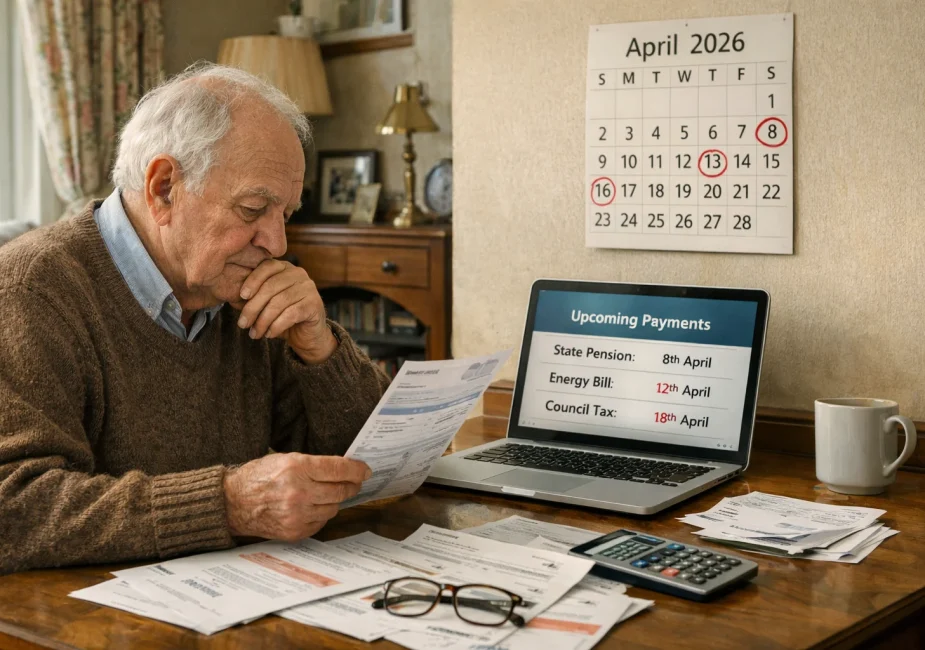
There is no permanent DWP pension payment schedule change in 2026. The Department for Work and Pensions has confirmed that the frequency and structure of State Pension payments remain unchanged.
You will still receive your pension either weekly or every four weeks, depending on your existing arrangement. Payment days are also still determined by the last two digits of your National Insurance number.
However, what is changing includes temporary adjustments due to bank holidays and an increase in payment amounts from April 2026.
These updates can create the impression of a broader overhaul, but in reality, they are part of routine administrative processes.
Why Are DWP Pension Payments Changing in April 2026?
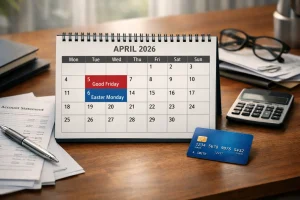
The perceived DWP pension payment schedule change in April 2026 is mainly due to the timing of the Easter bank holidays.
In 2026, Good Friday falls on 3 April and Easter Monday on 6 April, both of which are non-working days for banks and financial systems.
Because payments cannot be processed on these dates, the DWP brings them forward to the nearest working day. This ensures pensioners and benefit claimants receive their money in advance rather than facing delays over the long holiday weekend.
This is not a new change but a standard yearly process that applies whenever bank holidays affect payment schedules.
It also impacts multiple benefits, including:
- Pension Credit
- Universal Credit
- Disability-related payments
As one government official noted:
“Our priority is to ensure payments reach people before bank closures, particularly during national holidays,”
This proactive approach helps maintain financial stability for millions of households across the UK.
When Will You Receive Your State Pension Around Easter 2026?
If your State Pension payment is scheduled to arrive on a bank holiday, you will receive it earlier than usual. For Easter 2026, this means many pensioners will get their payments on Thursday, 2 April 2026, instead of the originally scheduled dates.
This adjustment ensures that funds are accessible before the long Easter weekend begins, giving recipients peace of mind and financial flexibility during the holiday period.
Easter 2026 Payment Adjustments
| Original Payment Date | Adjusted Payment Date | Reason |
|---|---|---|
| Friday, 3 April 2026 | Thursday, 2 April 2026 | Good Friday |
| Monday, 6 April 2026 | Thursday, 2 April 2026 | Easter Monday |
| Tuesday, 7 April 2026 | Tuesday, 7 April 2026 | Normal schedule resumes |
While receiving your payment early can feel like a financial boost, it is important to remember that this is not an additional payment.
Instead, it simply means you will need to budget carefully, as the gap before your next payment may be longer than usual
How Does the DWP Pension Payment Schedule Change Work During Bank Holidays?
Bank holidays can affect payment schedules, so it’s important to know how the DWP handles pension payments during these periods.
What Happens When Payments Fall on Good Friday or Easter Monday?
When a scheduled payment date falls on a bank holiday such as Good Friday or Easter Monday, the DWP automatically reschedules the payment to the previous working day. This ensures that there are no delays in accessing funds.
The process is managed through the UK’s BACS system, which is responsible for handling secure and timely bank transfers. Since BACS does not operate on bank holidays, payments must be processed in advance.
This system is designed to prioritise reliability, ensuring that pensioners receive their money without disruption
Does This Affect All Pension and Benefit Payments?
Yes, this adjustment applies to a wide range of benefits managed by the DWP. It is not limited to the State Pension alone, which means many individuals across different benefit categories will experience similar payment shifts.
The benefits affected include:
- State Pension
- Pension Credit
- Universal Credit
- Personal Independence Payment (PIP)
- Carer’s Allowance
This coordinated system ensures consistency and fairness, allowing all claimants to receive their payments in a timely manner regardless of the type of support they receive.
Will the DWP Pension Payment Schedule Change Affect Your Payment Amount?
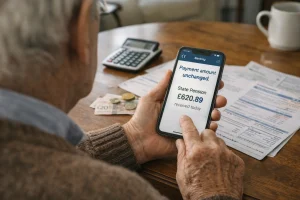
No, the DWP pension payment schedule change will not affect the amount you receive. The total value of your pension remains exactly the same, only the timing of the payment changes.
However, April 2026 also introduces a separate and important development: a 4.8% increase in State Pension payments. This increase is part of the government’s Triple Lock policy and is entirely independent of any scheduling adjustments.
It is worth noting that your early April payment may still reflect the previous year’s rate. This is because payments are made in arrears, meaning they cover a period before the new rates officially take effect on 6 April 2026.
Understanding this distinction can help prevent confusion when checking your bank statements
What Are the New State Pension Rates for 2026/27?
The State Pension rates for 2026/27 have increased, offering a welcome boost to pensioners across the UK and helping to keep up with rising living costs.
State Pension Rates Comparison:
| Pension Type | 2025/26 Rate | 2026/27 Rate |
|---|---|---|
| Full New State Pension | £230.25 | £241.30 |
| Basic State Pension | £176.45 | £184.90 |
The 4.8% increase reflects growth in average earnings, one of the key components of the Triple Lock system. This mechanism ensures pensions rise in line with economic conditions and helps protect retirees from inflation.
As a Treasury representative stated:
“The Triple Lock remains a key commitment to protecting pensioners’ incomes,”
For many pensioners, this increase provides greater financial security, particularly as everyday expenses and household costs continue to remain elevated
When Will You Actually See the 2026 State Pension Increase?
Understanding when the increased State Pension will appear in your account can help avoid confusion, particularly at the start of the new financial year when multiple changes take place at once.
Why Are Payments Made in Arrears?
State Pension payments are issued in arrears, meaning they are paid after the period they cover has already passed. This system helps ensure accuracy and consistency, reducing the likelihood of overpayments or administrative errors.
However, it can sometimes lead to misunderstandings, especially when new rates are introduced in April. Because payments relate to an earlier period, the increase is not reflected immediately in your bank account, even though the new financial year has begun.
When Will the Increased Amount Appear in Your Account?
Although the new pension rates officially take effect from 6 April 2026, most pensioners will not see the updated amount straight away. The exact timing depends on your individual payment cycle.
In most cases, you can expect:
- Your early April payment to reflect the old 2025/26 rate
- The first increased payment to arrive later in April or early May
- A full adjustment once a complete payment cycle has passed after 6 April
This delay is completely normal and does not indicate any issue with your payment. It simply reflects how the DWP processes payments over time through its established system.
How Will the DWP Pension Payment Schedule Change Impact Your Monthly Budget?

An early payment may seem helpful at first, but the DWP pension payment schedule change can make budgeting more difficult. Since you receive your money sooner, it needs to last longer until your next payment arrives.
This extended gap can lead to financial pressure if spending isn’t managed carefully, especially with regular bills continuing as usual.
To manage this effectively, you should:
- Treat early payments as part of your normal income, not extra money
- Plan ahead for essential bills and direct debits
- Keep track of your spending during the longer gap
Real-Life Example:
For instance, Margaret, a 72-year-old London resident, typically receives her State Pension every four weeks on a Friday. In April 2026, her payment arrives earlier than expected on Thursday, 2 April due to the Easter bank holiday.
Initially, this feels helpful, especially with extra seasonal expenses. However, Margaret soon realises that her next payment is scheduled further away than usual.
As she puts it:
“At first, I thought I’d been paid early as a bonus, but then I realised I had to make it last longer than usual.”
Without adjusting her spending, she risks running low on funds before the next cycle begins. This example clearly shows why careful budgeting is essential during temporary payment shifts.
Could the 2026 Pension Increase Affect Your Tax Position?
The 2026 State Pension increase brings the full New State Pension closer to the personal tax allowance threshold of £12,570. As a result, some pensioners may find themselves in a slightly different tax position.
If you receive additional income, such as a private pension or part-time earnings, your total income could exceed the tax-free allowance. In such cases, you may need to pay income tax on the amount above the threshold.
This is not directly caused by the DWP pension payment schedule change, but it is an important financial factor to consider alongside the increase.
Planning ahead and reviewing your total income can help you understand whether this will apply to you.
What Should You Do to Prepare for the April 2026 Payment Changes?

Preparing in advance can make a significant difference in how smoothly you manage the April 2026 payment changes. While these adjustments are handled automatically by the DWP, staying informed helps you remain in control of your finances and avoid unnecessary stress.
To stay prepared, consider the following:
- Check your expected payment dates, especially around the Easter bank holiday period
- Review your budget to account for any longer gaps between payments
It is also important to understand when the new pension rates will appear in your account, as delays are normal due to payments being made in arrears.
Above all, avoid assuming that early payments are extra income. Treat them as part of your regular payment cycle and plan carefully to maintain financial stability throughout the month.
Conclusion
The DWP pension payment schedule change in 2026 is not a permanent shift but a temporary adjustment driven by Easter bank holidays. While payments may arrive earlier in April, the overall structure remains unchanged.
At the same time, the 4.8% increase in the State Pension provides a welcome boost, though it may also bring new financial considerations such as tax implications.
By understanding these changes and planning accordingly, you can ensure your finances remain stable throughout the transition.
FAQs About DWP Pension Payment Schedule Change 2026
How is my State Pension payment date decided in the UK?
Your payment date is determined by the last two digits of your National Insurance number. This system helps distribute payments evenly across the week.
Can bank holidays delay my pension instead of making it earlier?
No, payments are usually made earlier rather than delayed when they fall on a bank holiday.
Will I receive a notification about payment date changes?
The DWP does not always send individual notifications, but updates are typically available on official channels.
Are private pensions affected by DWP schedule changes?
No, private pensions operate independently and may follow different payment schedules.
What happens if my pension payment does not arrive early?
You should check your bank account first and then contact the Pension Service if the payment is missing.
Does the DWP ever change payment frequency permanently?
Permanent changes are rare. Most adjustments are temporary and linked to specific circumstances like bank holidays.
Is the State Pension age changing in 2026?
No, the State Pension age remains 67 in 2026, with future increases planned for later decades.