
DWP Bank Account Checks 2026 – What’s Changing and Who Will Be Affected?
 • December 19, 2025
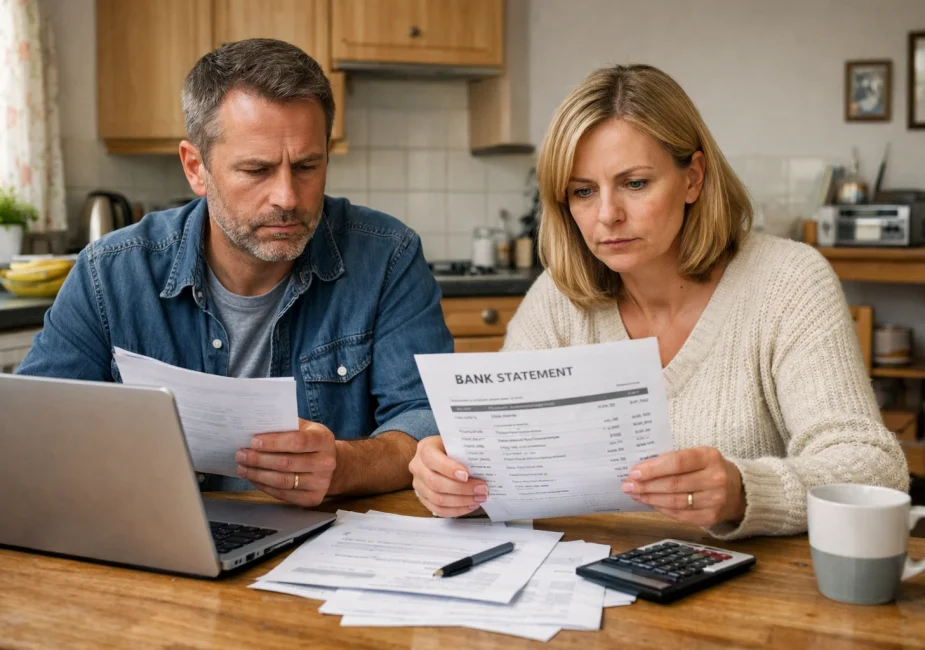
Could your bank account balance soon impact your benefit eligibility? From 2026, major changes are coming to how the Department for Work and Pensions (DWP) checks benefit eligibility in the UK.
New legislation will allow the DWP limited access to bank account information to verify claims for means-tested benefits such as Universal Credit, Employment and Support Allowance (ESA), and Pension Credit. The government says the move aims to reduce fraud and ensure accurate payments.
However, it has raised concerns around privacy, data security, and the risk of incorrect benefit suspensions. Understanding who is affected and how the checks work is essential. Let’s explore the key changes and their implications.
What Are the DWP Bank Account Checks Starting in 2026?

Beginning in 2026, the DWP will introduce new powers allowing it to verify a claimant’s financial eligibility by accessing limited information from their bank accounts.
These powers are enabled under the Public Authorities (Fraud, Error and Recovery) Act, a law designed to modernise anti-fraud operations within public services.
The initiative will initially target individuals receiving three specific benefits: Universal Credit, Pension Credit, and ESA. The primary aim is to check whether a claimant’s capital or income exceeds the financial thresholds that determine eligibility for these means-tested benefits.
Rather than waiting for benefit fraud to be reported or discovered through traditional audits, the DWP will now take a more proactive stance, screening accounts for red flags and inconsistencies through data-sharing partnerships with financial institutions.
Why Is the Government Checking Bank Accounts?
Benefit fraud and administrative errors are estimated to cost the UK billions annually. With rising concerns about improper payments in a stretched public welfare system, the government argues that new technologies and data-sharing capabilities offer a more efficient way to ensure that support reaches only those who are genuinely entitled to it.
DWP officials have stressed that the new approach is not about catching people out arbitrarily but about improving system integrity. The process will rely on a “test and learn” framework to ensure the checks are proportionate, accurate, and respectful of claimants’ rights.
As one senior government official stated, “A benefits system people can trust is essential for claimants and taxpayers alike , through this bill, that’s exactly what we’ll deliver.”
This confidence, however, is dependent on how these checks are implemented, and how errors and privacy concerns are managed.
How Will the DWP Bank Account Checks Work?
Under the new model, the DWP will send what are known as Eligibility Verification Notices (EVNs) to banks. These notices contain specific indicators, such as a National Insurance number or account holder name, and instruct the bank to check its customer database for matches.
If a match is found, banks are required to return only a narrow set of data, such as the account holder’s name, sort code, account number, date of birth, and the account balance.
This is a one-way data-sharing process: the DWP does not gain open access to your bank account, nor can it monitor day-to-day spending. Instead, the system is designed to flag situations where a claimant may exceed savings or income thresholds and therefore require further investigation.
Step-by-Step: How DWP Bank Checks Will Work:
| Step | Action | Who Performs It |
|---|---|---|
| 1 | DWP issues EVNs with account indicators | DWP |
| 2 | Bank searches for matching accounts | Bank |
| 3 | Bank sends limited account details (balance, name, DoB) | Bank |
| 4 | DWP assesses whether red flags are triggered | DWP |
| 5 | Follow-up action (e.g., request for evidence) initiated if needed | DWP |
This data alone does not lead to a change in benefit entitlement. Rather, it triggers a case review where further documentation may be requested from the claimant.
What Information Can and Cannot Be Checked?

The powers granted to the DWP are specific and limited. While concerns about surveillance are valid, the scope of data access is not as broad as many fear.
The DWP Can Check
- Savings and balances to ensure they’re under capital limits (e.g., £16,000 for Universal Credit)
- Income indicators that suggest undeclared earnings
- Linked accounts that may be associated with the claimant
The DWP Cannot Check
- Individual transactions or spending habits
- Purchases from retailers or online platforms
- Any activity that doesn’t directly relate to eligibility criteria
What the DWP Can vs Cannot Access?
| DWP Can Access | DWP Cannot Access |
|---|---|
| Total account balance | Weekly grocery spending |
| Account holder’s name & DoB | Amazon or online orders |
| Account number & sort code | Travel, entertainment, or personal purchases |
| Linked accounts for eligibility | Non-financial account activity |
This structure ensures the checks remain targeted and proportionate, though the potential for wrongful flags still exists, particularly in households with complex financial arrangements.
Who Will Be Affected by the 2026 DWP Checks?
The initial rollout of the 2026 DWP bank account checks will mainly affect people receiving means-tested benefits. These checks are intended to confirm that claimants remain within the required savings and income limits set by the DWP.
At the start, the checks will apply to:
- Universal Credit
- Employment and Support Allowance (ESA)
- Pension Credit
Because eligibility for these benefits depends on a claimant’s financial situation, bank account monitoring will focus on identifying undeclared savings or income changes.
There is also the possibility that the scheme could be expanded in the future. Experts suggest that benefits such as Child Benefit, Carer’s Allowance, Disability Living Allowance (DLA), and Personal Independence Payment (PIP) may be included if the initial rollout is considered successful. Any expansion would likely involve further consultation and stronger safeguards to prevent unfair enforcement.
What Happens If Your Account Gets Flagged by the DWP?

When a bank returns information indicating that a claimant’s account balance exceeds the allowable threshold or raises other concerns, the DWP does not immediately reduce or suspend payments. Instead, the flagged case is referred for a review.
At this stage, the claimant may be asked to provide evidence, such as a breakdown of savings, proof of income, or clarification on joint accounts. If the explanation satisfies the eligibility criteria, the case is closed with no changes.
However, if inconsistencies are confirmed and no reasonable explanation is offered, benefits may be adjusted, paused, or reclaimed. Claimants maintain the right to challenge such decisions through the standard appeal process, which includes internal reviews and, if necessary, tribunal hearings.
Can the DWP Take Money Directly from Bank Accounts?
One of the more controversial elements of the new powers is the DWP’s ability to recover debts directly from individuals’ bank accounts, especially in cases where people have exited the benefit system but still owe money.
This power is reserved for situations where:
- A debt of £1,000 or more exists
- The claimant has refused or failed to repay the amount
- There is clear evidence that funds are available in the account
Before any deductions are made, the DWP must notify the individual, offering an opportunity to respond, dispute, or arrange repayment voluntarily. Only after this step can deductions be initiated, either as a one-time payment or via instalments.
Additionally, in severe cases, the DWP may suspend a person’s driving licence to pressure repayment. These enforcement actions are expected to be rare and used in cases of deliberate non-compliance.
Are There Privacy Safeguards for Claimants Under the New Rules?
Yes. The legislation includes several built-in protections to ensure data is used lawfully and ethically. A key feature is the independent oversight being introduced to monitor how data is handled and ensure that powers are not misused.
The government has committed to working with privacy regulators, banks, and other stakeholders to develop a Code of Practice that governs:
- When and how EVNs are issued
- What data can be requested
- How long data can be retained
- How errors or misuse are handled
These measures aim to maintain public trust in the welfare system while protecting individuals’ sensitive information.
How Can You Prepare for the DWP Bank Account Checks?

To reduce the risk of issues once the checks begin in 2026, claimants are encouraged to take proactive steps now:
- Stay informed: Understand the savings limits and eligibility criteria for your benefit.
- Keep your records clean: Make sure your declared income matches what appears in your account.
- Avoid large unexplained transfers: These could trigger flags during automatic reviews.
- Declare all income sources: Even temporary work or support payments can affect eligibility.
- Monitor linked accounts: Ensure joint accounts are accurately reported.
Preparation not only prevents unnecessary investigations but also protects your entitlement to benefits.
What Does This Mean for the Future of the UK Benefits System?
These new powers mark a significant shift toward data-driven governance in the UK’s welfare system. The integration of real-time data verification signals a broader trend: using digital infrastructure to automate and enhance public service integrity.
While this has benefits, improved accuracy, fraud reduction, and administrative efficiency, it also brings challenges. Trust, transparency, and procedural fairness must remain core priorities, especially for vulnerable individuals who may struggle to navigate complex systems or who risk being unfairly penalised.
If the rollout is successful and public concerns are addressed, this framework could become the foundation for a modern, responsive welfare state. But it must be balanced with robust protections to avoid a system that punishes mistakes or penalises the most vulnerable.
Conclusion
The DWP’s new powers to check bank accounts, launching in 2026, are part of a broader effort to reduce fraud and ensure benefit integrity. While the scope of data access is limited and focused on eligibility criteria, the change is substantial.
For claimants, the key lies in preparation and awareness. Understanding how the system works, what’s being checked, and how to respond if contacted can make a critical difference.
Equally, the government must uphold transparency, safeguard privacy, and ensure fair treatment of all benefit recipients as this policy is implemented.
Frequently Asked Questions
Will the DWP monitor every transaction in my account?
No. The DWP will only receive limited account information such as balances, sort codes, and account holder details. It cannot view your purchases or daily transactions.
Can I be penalised just for being flagged?
Not automatically. Being flagged triggers a review process. If you provide a valid explanation or correction, your benefits will not be affected.
What should I do if I think the DWP has made a mistake?
You have the right to appeal. You can request an internal review or escalate to a tribunal if needed. Supporting documentation is essential.
Is this legal under data protection laws?
Yes. The powers are granted through legislation and must comply with GDPR. Oversight bodies will monitor their use.
Could other benefits be included in the future?
Possibly. The government has hinted at extending the checks to benefits like PIP, DLA, Carer’s Allowance, and Child Benefit, depending on the success of the rollout.
When do these checks begin?
Implementation begins in 2026, starting with claimants of Universal Credit, Pension Credit, and ESA.
Can they take money directly without telling me?
No. You will receive notice and be given the opportunity to respond or dispute the claim before any funds are withdrawn.