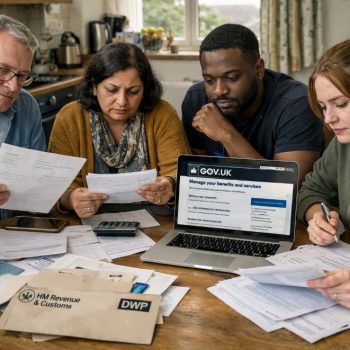
DWP £500 Eligibility 2025 Explained – Rumours, Facts, and Latest Updates
 • December 1, 2025
Amid rising living costs and economic uncertainty, growing speculation around a possible DWP £500 payment in 2025 has captured public attention.
Countless headlines and social media posts have circulated claims of financial support from the government, leaving many low-income households hopeful, but also confused. With no official confirmation to date, it’s essential to separate fact from fiction.
This article breaks down what’s actually known about the DWP £500 eligibility 2025, debunks common myths, and highlights the verified support schemes currently available to UK residents.
What Sparked the Rumours About a DWP £500 Payment in 2025?
In recent months, speculation surrounding a potential £500 cost of living payment by the Department for Work and Pensions (DWP) has gained traction online. Social media platforms, forums, and lesser-known news outlets began circulating headlines such as “£500 from DWP this October” and “DWP confirms new cost of living payment for 2025.”
The appeal of these stories lies in the current economic climate, with inflation still squeezing household budgets and the cost of essentials such as energy, rent, and food remaining high, many low-income individuals are understandably eager for support.
However, most of these reports are based on outdated or entirely speculative interpretations of previous government announcements. There is a clear lack of evidence linking these claims to any real policy decision or ministerial statement.
The headlines are often misleading, designed more for click-throughs than conveying accurate public information.
Has the DWP Confirmed the £500 Cost of Living Payment for 2025?

No Official Announcement Has Been Made. As of December 2025, the DWP has not confirmed any such payment. A review of all official government press releases, benefit update pages, and ministerial briefings shows no trace of a £500 payment scheme for this year.
In previous years, notably 2022, 2023, and 2024, cost of living payments were confirmed well in advance through official channels. These included a combination of spring budget statements and Autumn updates, each clearly outlining eligibility criteria, payment schedules, and funding sources.
Unlike those schemes, the supposed 2025 £500 payment appears in no official document or speech from the Chancellor or the DWP Secretary. This lack of confirmation strongly suggests the claim is not only premature but likely fabricated.
Comparison to Previous Payment Confirmations
| Year | Confirmed Payment Amounts | Announcement Channel | Status |
|---|---|---|---|
| 2022 | £650, £150, £300 | GOV.UK and DWP press releases | Completed |
| 2023 | £900, £150, £300 | Budget Statement, GOV.UK | Completed |
| 2024 | £299 | DWP statement (Winter 2023) | Final payment in Feb 2024 |
| 2025 | None | No official confirmation | Not announced |
This table highlights a key trend: when legitimate payments are on the horizon, they are announced with transparency and precision. That is not the case with the alleged £500 payment in 2025.
Who Would Have Been Eligible for DWP £500 Eligibility 2025 If the Payment Was Real?
The concept of DWP £500 eligibility 2025 has led to a great deal of confusion among benefit claimants. Many believe that if such a payment were introduced, it would follow the eligibility framework used in previous schemes.
Typical Eligibility in Previous Years:
Eligibility for past cost of living support was largely based on recipients being in receipt of means-tested benefits during a specific qualification period. These benefits included:
- Universal Credit
- Income-based Jobseeker’s Allowance (JSA)
- Income-related Employment and Support Allowance (ESA)
- Income Support
- Pension Credit
- Working Tax Credit and Child Tax Credit (for HMRC-issued payments)
If a £500 payment were to be introduced, it is reasonable to assume that similar criteria would apply. However, since no such scheme has been announced, any discussion of eligibility is speculative and should not be relied upon.
What Are the Currently Confirmed Cost of Living Support Schemes for 2025?

Despite the absence of a £500 cost of living payment, several other government-backed support schemes remain in place for 2025. These are designed to assist low-income households, pensioners, and individuals facing economic hardship, especially during the winter months.
Key Government Support Available in 2025:
| Support Scheme | Description | How to Access |
|---|---|---|
| Council Tax Reduction | Discount on council tax bills for low-income or vulnerable households | Apply via local council |
| Winter Fuel Payment | Annual payment to help older people with heating costs | Automatically if eligible |
| Cold Weather Payments | £25 per 7-day period of cold weather for certain benefit claimants | Automatic (triggered by weather) |
| Budgeting Loans | Interest-free loans for essential expenses (for those on qualifying benefits) | Apply via GOV.UK |
| Household Support Fund | Local emergency support for food, heating, and essentials | Administered by local authority |
These schemes are verifiable and well-documented, appearing on official government platforms with clearly defined eligibility rules. They are not one-off £500 payments, but they provide vital and ongoing financial relief.
How Can You Identify Fake News About DWP Payments?
The rise of false information around government payments is not a new phenomenon, but it has become more sophisticated and far-reaching.
Signs That a Payment Claim May Be False
- Lack of GOV.UK or official DWP links
- No quotes from government officials
- Unclear or vague eligibility descriptions
- Use of sensationalist headlines like “Act Now!”
- No publication date or source attribution
When in doubt, search for the claim on GOV.UK or check the DWP’s social media channels. Authentic announcements are always traceable and clearly cited.
Why Fact-Checking Is Critical?
False payment claims can mislead millions and cause unnecessary panic. Vulnerable households may postpone other assistance, anticipating funds that don’t exist. For the government, debunking these claims drains resources and undermines trust in real support measures.
Why Do False Benefit Claims Keep Recirculating Online?

False benefit claims continue to circulate online, often resurfacing despite being debunked. These false narratives gain traction due to a mix of emotional triggers, sensationalism, and misinformation.
Why Misinformation Spreads?
- Websites use sensationalist headlines to drive traffic and advertising revenue.
- Outrageous claims are more likely to go viral on social media.
- Readers frequently share articles without verifying the content.
- Headlines promising financial relief appeal strongly during periods of inflation and high energy bills.
- Emotional triggers increase engagement, even if the information is false.
- Low digital literacy or limited access to official sources makes some communities more vulnerable.
- Trust in government support systems can erode when false claims are widely circulated.
Ultimately, false benefit claims harm public confidence and make it harder for legitimate schemes to be trusted.
When will the UK Government Likely Announce New Cost of Living Support?
UK residents are eagerly awaiting news of additional cost of living support, but the timing and details of any potential payments remain uncertain.
Past Patterns of Announcement Timing
Historically, cost of living support has been unveiled during key fiscal events:
- Spring Statement (March–April)
- Autumn Budget (October–November)
These periods are when the Treasury and DWP outline the country’s financial planning and welfare strategies for the upcoming months. So far in 2025, the Spring Statement did not include any mention of a new one-off cost of living payment. While hopes remain that the Autumn Budget may deliver additional support, as of December 2025, no announcements have been made.
Economic Conditions Influence Decisions
The likelihood of further support will depend on economic indicators such as:
- Inflation trends
- Energy price forecasts
- Labour market shifts
- Household income statistics
Only when economic data suggests further intervention is necessary will new support packages be tabled.
Where Can You Find Verified Information About DWP and Government Support?

With so much misinformation circulating online, it’s important to know where to turn for facts.
Recommended Sources of Truth:
- GOV.UK: The official government portal for all benefit and payment updates
- DWP’s Social Media Channels: Announcements are regularly posted on platforms like Twitter/X and Facebook
- Local Council Websites: Provide information on region-specific support including the Household Support Fund
- Email Alerts: Signing up for notifications from official sources ensures timely updates
By relying on these outlets, you can avoid falling for fake news and ensure that you’re accessing support you’re actually entitled to.
What Should You Do If You’re Struggling Financially in 2025?
While the £500 payment isn’t real, there are concrete actions individuals can take today if they’re facing financial hardship.
Steps to Take If You Need Support:
- Contact Your Local Council: For emergency grants or food voucher schemes
- Apply for a Budgeting Loan: If you receive qualifying benefits
- Use Government Calculators: To check eligibility for Universal Credit or Pension Credit
- Speak to a Benefits Advisor: Organisations like Citizens Advice offer free support
- Explore Energy Bill Support: Through the Warm Home Discount or Fuel Vouchers
Remaining proactive and informed is key. Don’t wait for an announcement that may never come, tap into the existing help that is already available.
Conclusion
The widely shared claim about a £500 DWP cost of living payment in 2025 is unverified and, as of now, entirely false. No official confirmation exists from any government body regarding this support.
While the rumour may have raised hopes, it’s crucial not to be misled by unsupported headlines or social media claims.
Instead, focus on exploring existing schemes that are active, documented, and accessible. Being informed is your best tool, and in an age where false information spreads fast, sticking to trusted sources matters more than ever.
Frequently Asked Questions
What types of benefits made people eligible for past cost of living payments?
Previous payments were tied to means-tested benefits such as Universal Credit, Income Support, Pension Credit, and tax credits. Eligibility depended on receiving the benefits during a specified assessment period.
Is there any possibility of a new one-off payment being introduced later in 2025?
While there is currently no such plan, it is possible the government may introduce new support based on the economic outlook or political pressures. No announcement has been made yet.
How can I verify if a government payment announcement is legitimate?
Check official government sources like GOV.UK or the DWP’s verified social media accounts. Avoid relying on social media posts or blogs that don’t link to these sources.
Are local councils offering any emergency financial help this winter?
Yes, many councils administer the Household Support Fund which provides emergency aid for essentials like food and utilities. The amount and eligibility criteria vary by region.
What’s the best way to stay informed about DWP benefits?
Subscribe to email updates from GOV.UK, monitor the DWP’s press centre, and check your benefit account for notifications.
How do past cost of living payments compare to what’s being claimed in 2025?
Past payments were clearly defined and announced in advance. The current £500 rumour lacks that clarity and does not align with historical payment structures.
Can I get help with energy bills if I don’t qualify for Universal Credit?
Yes, schemes like Winter Fuel Payment and Cold Weather Payment are open to non-Universal Credit recipients who meet other criteria, including age or disability.