Do You Get Paid on Good Friday 2026? UK Pay Rules Explained
 • March 24, 2026

Do Payments Go Through on Good Friday 2026 in the UK?
In most cases, payments do not go through on Good Friday in the UK. This is because it is a recognised bank holiday, and standard banking systems, including BACS transfers, are not processed on that day. As a result, transactions that would normally be completed on a working day are paused until the next available business day.
Instead of receiving your payment on Friday itself, you will usually receive it earlier. This approach ensures you are not left waiting over a long Easter weekend when banks, offices, and many financial services are closed.
An official statement explains:
“When a payment date falls on a bank holiday, it is normally issued on the working day before to avoid delays.”
This approach is widely applied across employers, government departments, and financial institutions, making it a standard practice rather than an exception.
When Should You Expect Your Money Instead of Good Friday?

If your payment is due on Good Friday 2026, you should expect it to arrive earlier, typically on Thursday 2 April 2026. This adjustment is designed to ensure you still receive your money without disruption.
The Easter period includes multiple consecutive non-working days, which limits the ability of banks and payment systems to process transactions. Because of this, organisations plan ahead and release payments in advance.
Adjusted Payment Dates for Easter 2026
| Original Date | Reason | New Payment Date |
|---|---|---|
| 3 April 2026 | Good Friday | 2 April 2026 |
| 4 April 2026 | Weekend | 2 April 2026 |
| 5 April 2026 | Weekend | 2 April 2026 |
| 6 April 2026 | Easter Monday | 2 April 2026 |
In simple terms, if your payment falls between 3 April and 6 April, you will most likely receive it on 2 April instead. This ensures continuity and avoids unnecessary delays during the holiday period.
What Causes Payment Dates to Shift During Easter Bank Holidays?
Payment schedules change during Easter because of how financial systems operate during bank holidays. These changes are not random but are part of a structured system designed to keep payments consistent.
Bank Processing Systems and Closures
Banks and payment systems such as BACS do not operate on bank holidays. This means transactions cannot be processed, cleared, or settled in the usual way. As a result, any payments scheduled for those days cannot go through as normal.
Because of these limitations, organisations must plan ahead. Payments are scheduled before the holiday so that funds reach accounts in time, rather than being delayed until after the long weekend.
Payroll Adjustments by Employers and Government Departments
To prevent disruption, employers and government bodies adjust their payment schedules in advance. Payroll teams typically run payments earlier than usual, while departments responsible for benefits and pensions align their systems to release funds ahead of the holiday.
Key reasons include:
- Banking systems pause on bank holidays
- Employers aim to avoid delays in staff wages
- Government payments are issued early to maintain consistency
This structured and proactive approach ensures that payments remain predictable and reliable, even during extended holiday periods like Easter, when multiple non-working days occur consecutively.
Which Types of Payments Are Impacted by Good Friday in the UK?
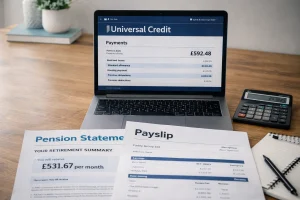
A wide range of payments are affected by Good Friday, including wages, benefits, pensions, and tax-related payments. Essentially, any payment that depends on bank processing systems may be adjusted.
Common Payments Affected
Payment Type Affected by Good Friday Typical Change
Wages / Salary Yes Paid earlier
Universal Credit Yes Paid earlier
State Pension Yes Paid earlier
Child Benefit Yes Usually earlier
Tax Credits Yes May vary slightly
While most payments follow the same early-payment pattern, slight variations can occur depending on the organisation responsible. This is why it is always advisable to check your individual payment schedule.
How Are DWP Benefits and State Pension Payments Rescheduled?
DWP benefits and State Pension payments are almost always paid early when they fall on Good Friday. This ensures that claimants continue receiving their funds without interruption.
Most payments are automatically adjusted, meaning you do not need to take any action. The money is transferred directly into your bank, building society, or credit union account before the holiday begins.
Table: State Pension Payment Days
NI Number Ending Normal Payment Day
00–19 Monday
20–39 Tuesday
40–59 Wednesday
60–79 Thursday
80–99 Friday
State Pension payments are usually made every four weeks, and the exact day depends on the last two digits of your National Insurance number. However, when a scheduled payment falls on a bank holiday such as Good Friday, it is brought forward.
For example, if your normal payment day is Friday, you will typically receive your pension on Thursday instead. Payments scheduled earlier in the week are only affected if they fall directly on a bank holiday.
A government representative noted:
“Payments are adjusted automatically during bank holidays so claimants continue receiving funds without disruption.”
This approach ensures consistency and reliability, helping millions of people across the UK access their money without unnecessary delays during holiday periods.
What Happens to HMRC Payments Such as Child Benefit?
HMRC payments, including Child Benefit and other tax-related support, are also typically paid earlier during Good Friday. However, they can sometimes follow slightly different schedules compared to DWP benefits.
This means you should always check your individual payment details rather than assuming all payments will arrive on the same day. While early payment is common, timing can vary depending on internal processing systems.
A benefits adviser explains:
“Payment patterns during bank holidays can vary slightly depending on the benefit type, so checking your own schedule is always the safest option.”
Although most HMRC payments are brought forward, small differences can occur, so staying informed is key.
Will Working on Good Friday Change When or How You Are Paid?

Working on Good Friday does not automatically mean you will be paid more or differently. Your pay and entitlements depend largely on your employment contract and company policies.
Contract Terms and Holiday Entitlement
Your employment contract is the key factor in determining what you are entitled to on Good Friday. Some contracts include bank holidays as part of your paid annual leave, while others treat them as normal working days.
For example, if your contract states you are entitled to 28 days of annual leave including bank holidays, then Good Friday may already be included in your allowance. In contrast, if bank holidays are offered in addition to annual leave, you may receive the day off with pay.
It is always important to review your contract or speak to your employer to understand exactly how bank holidays are treated in your role.
Overtime Rates and Time Off in Lieu
Some employers offer enhanced pay rates for working on bank holidays, such as time-and-a-half or double pay.
Others may provide time off in lieu (TOIL) instead of additional pay. However, these benefits are not required by UK law and are entirely at the employer’s discretion.
In general:
- Salaried employees may receive wages earlier if payday falls on the holiday
- Hourly workers are usually paid only for the hours they work unless their contract states otherwise
- Any extra pay or benefits depend on company policy rather than legal obligation
An HR manager explains:
“We often process payroll early during bank holidays to ensure employees are paid on time, even if offices are closed.”
Ultimately, understanding your contract is essential to knowing whether working on Good Friday will affect your pay or simply your working schedule.
Does Receiving Money Early Affect Your Monthly Budget?
Receiving your payment early can have a noticeable impact on your finances, particularly during April when multiple financial changes occur.
Because you are paid earlier than usual, your money needs to last longer until your next payment. This can create financial pressure if not managed carefully.
Real-life example:
Consider Sarah, a retail worker from Manchester. She usually receives her wages on the 3rd of each month. In April 2026, she is paid on the 2nd instead. At first, it feels like a benefit, but she soon realises her next payday is still a full month away. This creates a longer budgeting period, making it more challenging to manage bills and daily expenses.
To manage this effectively:
- Plan your spending across a longer timeframe
- Avoid treating early payments as extra income
- Keep track of your next expected payment date
Early payments are helpful, but they require careful planning to avoid financial strain.
What Steps Should You Take If Your Payment Is Missing?

If your payment has not arrived when expected, the first step is to remain calm and review the situation carefully. Around bank holidays, payments are often made earlier, which can lead to confusion.
Start by checking:
- Whether your payment date has changed due to the bank holiday
- Your bank account for any earlier deposits
- Your official payment schedule or award letter
In many cases, the payment has already been made earlier than expected.
If the payment is still missing, you may need to contact the relevant department. Keep in mind that offices are usually closed on bank holidays and reopen after the Easter weekend.
Having your National Insurance number ready will help speed up the process and ensure your query is handled efficiently.
Are There Any Additional Payment Changes to Know in April 2026?
April 2026 includes more than just bank holiday-related changes. Several financial updates may affect your overall income and payment amounts.
These include increases in benefit rates, updates to Universal Credit, and adjustments to State Pension payments. Some households may also be affected by policy changes or transitions between benefits.
It is important to understand that while rates may increase, the timing of when you receive higher payments can vary depending on your payment cycle. This means not everyone will see changes at the same time.
Being aware of these additional updates can help you plan more effectively and avoid unexpected surprises during the month.
Conclusion
Good Friday 2026 will not stop your payments, but it will change when you receive them. In most cases, payments will be made earlier, typically on Thursday 2 April 2026.
The key takeaway is that early payments are part of a standard system designed to avoid delays. However, they can affect your budgeting, especially with a longer gap until your next payment.
By checking your payment schedule, understanding how adjustments work, and planning ahead, you can manage your finances confidently during the Easter period.
FAQs About Good Friday Pay
Do bank holidays affect standing orders and direct debits in the UK?
Yes, they can be delayed or processed on the next working day depending on your bank.
Can your payday be moved without notice during a bank holiday?
In most cases, employers inform staff, but payment dates can be adjusted as part of payroll processes.
Are self-employed workers affected by Good Friday payment delays?
Yes, if payments rely on bank transfers, delays or early payments can still occur.
Do all UK regions follow the same Easter payment schedule?
Generally yes, although minor differences can exist in certain systems.
Can early wage payments impact tax or deductions?
Usually no, but in some cases timing differences may affect reporting periods.
How can you track your next benefit or pension payment date?
You can check your award letter or online account for accurate payment details.
What is the difference between BACS and Faster Payments during holidays?
BACS does not process on bank holidays, while Faster Payments may still work but depends on the bank.