
When Is the Bus Strike in Doncaster? Latest Updates and Key Dates
 • March 20, 2026
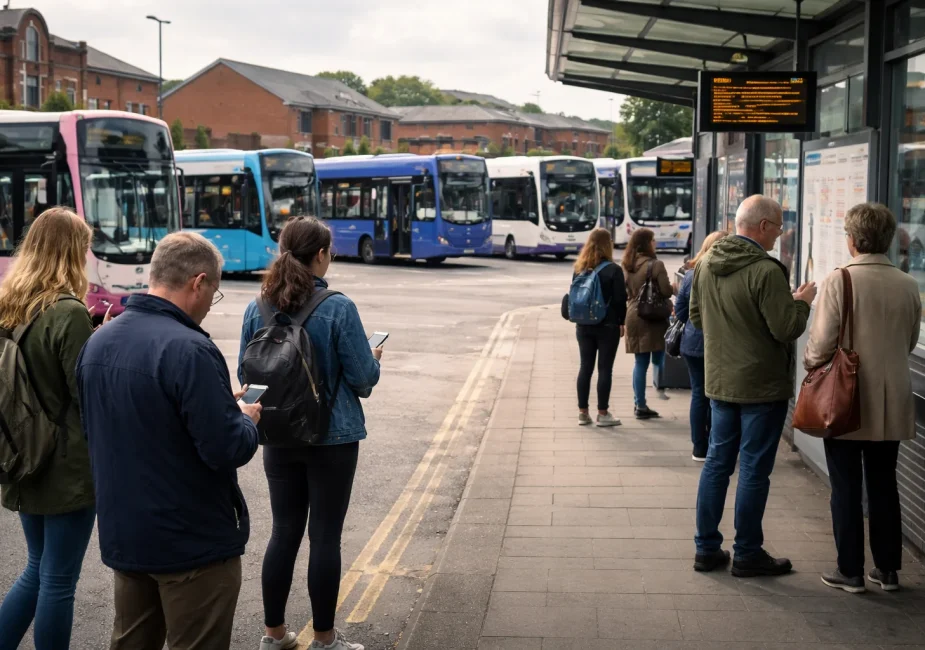
When is the Bus Strike in Doncaster, and What Are the Confirmed Dates?

The bus strike in Doncaster is officially scheduled to take place on five separate days across March and April 2026. These dates were confirmed after a formal ballot in which more than 230 drivers voted in favour of industrial action.
This means disruption is not speculative; it is planned, and passengers should prepare accordingly.
Confirmed strike dates:
- 28 March 2026
- 30 March 2026
- 7 April 2026
- 22 April 2026
- 24 April 2026
More than 230 drivers based at the Doncaster depot on Leger Way are involved in the strike. As this depot supports multiple key routes, disruption is expected across a wide area, particularly affecting services into and out of the city centre.
Quick overview of strike dates:
Date Day Expected Impact Key Note
28 March Saturday High disruption Racecourse event + busy travel
30 March Monday Moderate to high disruption Start of working week
7 April Tuesday Moderate disruption Easter holiday period
22 April Wednesday Moderate disruption Post-holiday travel
24 April Friday High disruption End-of-week peak travel
These dates are the most important detail to keep in mind. If you rely on buses, planning around these days can help you avoid unnecessary delays or last-minute stress.
Why Are Bus Drivers in Doncaster Going on Strike Over Pay?
The core issue behind the bus strike in Doncaster is a pay dispute, specifically focused on pay parity with drivers in Sheffield.
Drivers working for First South Yorkshire in Doncaster have rejected a pay offer because they believe it does not fairly match what colleagues earn for doing the same role in nearby Sheffield, which is only around 20 miles away. This has led to growing frustration among staff.
Key issues raised by drivers:
- Lack of equal pay compared to Sheffield drivers
- Concerns about a “two-tier” pay structure within the same company
- Demand for fair and consistent wages across regions
A senior union representative summarised the concern clearly:
“First can well afford to pay its drivers in Doncaster the same as those in Sheffield, but is instead choosing to put profits over people.”
From the union’s perspective, this dispute is not just about one pay increase. It reflects a broader concern about fairness, equality, and long-term working conditions across different locations.
What Has First Bus Said About the Doncaster Strike Action?

First Bus has responded by emphasising that it has already made what it considers a competitive and fair pay offer to drivers in Doncaster.
The company’s proposal includes:
- A 7% pay rise, backdated to January 2026
- A longer-term agreement that could lead to an 18% pay increase by July 2027
Despite this, the offer was rejected by drivers, leading to the planned strike action.
A company spokesperson stated:
“We are very disappointed and saddened at the decision to go ahead with strikes… We remain committed to working constructively with union representatives to reach a fair and sustainable agreement.”
Summary of positions
Stakeholder Position Summary
Unite Union Pay is unfair compared to Sheffield
First Bus Offer is competitive and above inflation
Current status No agreement yet; strike dates confirme
This situation highlights a clear difference in perspective. While the company believes its offer is strong, drivers are focused on achieving equal pay across regions.
Which Bus Services and Routes in Doncaster Are Likely to Be Affected?
The strike involves drivers from the Leger Way depot, which plays a central role in operating bus services throughout Doncaster. As a result, disruption is expected to be widespread, particularly on routes connecting residential areas to the city centre.
However, it is important to distinguish between confirmed information and assumptions.
What is Confirmed?
- Drivers from a major operational depot are involved
- Services serving the city centre will be affected
- Disruption is expected across multiple routes
What is Not Yet Fully Confirmed?
- The exact list of cancelled routes
- Whether limited or reduced services will still operate
- Specific timetable changes for individual lines
Passengers should avoid assuming a complete shutdown of all services. In many cases, some buses may still run, but less frequently or with altered schedules.
How Will the Bus Strike in Doncaster Affect Your Daily Travel Plans?

The impact of the bus strike Doncaster will vary depending on how you use local transport, but for many people, the disruption could be significant.
Buses are a key part of daily life in Doncaster, especially for commuting, education, and essential appointments.
Likely impacts include:
- Delays getting to work, school, or college
- Difficulty attending healthcare or personal appointments
- Increased travel costs if alternative transport is needed
- Longer journey times due to reduced service frequency
If you usually travel during busy periods or rely heavily on direct routes into the city centre, you are more likely to experience noticeable disruption.
Why Do the Strike Dates Matter for Easter Travel and Local Events?
The timing of the bus strike in Doncaster is particularly important because it overlaps with periods when travel demand is already higher than usual.
Important timing factors:
- Easter holidays, when more families and students are travelling
- Events at Doncaster Racecourse
- Increased leisure and weekend travel
One key date, 28 March, coincides with the William Hill Lincoln Handicap, a major event that attracts visitors from across the UK.
Impact comparison:
Factor Why It Matters Expected Effect
Easter holidays More people travelling Increased congestion
Racecourse events High visitor numbers Pressure on transport
Weekend strike days Leisure travel demand Limited alternatives
Because of this overlap, disruption may feel more intense than usual, particularly on weekends and event days.
Could the Doncaster Bus Strike Be Cancelled or Resolved Early?

Yes, there is still a possibility that the bus strike in Doncaster could be called off, but this would require a last-minute agreement between First Bus and the union before the scheduled dates.
At present, negotiations have been ongoing for several months, with no final agreement reached so far. However, both sides have indicated they remain open to further discussions.
For passengers, this means the strike is currently confirmed, but there is still a chance it could be cancelled at short notice if progress is made.
Until then, it is advisable to plan your travel as though the strike will go ahead and regularly check for updates closer to each date.
What Should You Do to Prepare for Travel During the Doncaster Bus Strike?
Preparing in advance is one of the most effective ways to manage the disruption caused by the bus strike in Doncaster. Even a small amount of planning can help you avoid delays, reduce stress, and ensure you reach your destination on time.
Practical steps you can take:
- Check official service updates before travelling
- Allow extra time for your journey
- Consider alternative transport options if available
- Avoid travelling during peak times where possible
It’s also helpful to plan a backup route in case your usual service is unavailable. For example, you might combine walking with another form of transport or adjust your travel time to avoid the busiest periods.
Even small adjustments, such as leaving earlier than usual or checking updates the night before, can make your journey smoother and more predictable during strike days.
What is Confirmed, What is Still Being Discussed, and What Should You Not Assume?

During situations like the bus strike in Doncaster, confusion and misinformation can spread quickly. To make informed decisions, it’s important to clearly separate confirmed facts from ongoing discussions and common assumptions.
Confirmed Facts
These are the details that have been officially announced and can be relied upon when planning your travel:
- Five strike dates have been confirmed
- More than 230 drivers are participating in the industrial action
- The dispute is centred on pay parity with drivers in Sheffield
These points form the core of the situation and are unlikely to change unless an official update is issued.
What is Still Being Discussed?
Some aspects of the situation are still under negotiation or have not yet been finalised:
- A final pay agreement between First Bus and the union
- Whether the strike action could be cancelled or suspended
- Full details of how bus services will operate on each strike day
Because these elements are still evolving, it’s important to check for updates regularly, especially closer to the strike dates.
Common Misconceptions to Avoid
There are also a few assumptions that may seem reasonable but are not necessarily accurate:
- Not all buses are guaranteed to stop running entirely
- The dispute has not yet been resolved
- Service levels may vary depending on specific routes and areas
Avoiding these misconceptions can help you plan more effectively and reduce uncertainty
What Are the Key Doncaster Bus Strike Dates and Details at a Glance?
If you need a quick and simple reference, the table below summarises the key details of each strike day and what you should expect.
Date Disruption Level Travel Advice
28 March High Plan alternatives early
30 March Medium–High Expect delays and allow extra time
7 April Medium Check updates before travelling
22 April Medium Build flexibility into your plans
24 April High Avoid peak travel if possible
This overview can help you quickly assess which days may have the greatest impact on your schedule and plan accordingly. Keeping these dates in mind will make it easier to organise work, appointments, or travel commitments in advance.
What Does the Bus Strike in Doncaster Mean in a Real-Life Situation?
To better understand the real impact of the bus strike in Doncaster, it helps to look at a practical, everyday scenario.
Imagine you live in Wheatley and travel to Doncaster city centre for work each morning. Under normal circumstances, your journey might take around 20 minutes on a direct bus route, with reliable timings.
However, on a strike day:
- Your usual service may not run at all
- You may need to take multiple buses or walk part of the journey
- Your total travel time could increase significantly
In some cases, what is usually a straightforward commute could take twice as long or require additional planning the night before. This can also affect return journeys, especially during peak evening hours.
This example highlights why preparation is essential. Even if some services continue to operate, reduced frequency and uncertainty can still disrupt your routine. Planning ahead ensures you remain in control of your schedule despite the disruption.
Conclusion
The bus strike in Doncaster is a confirmed situation set to affect travel on multiple dates across March and April 2026. While the dispute focuses on pay and working conditions, the immediate impact will be felt by passengers relying on daily bus services.
The key points to remember are that the strike dates are confirmed, disruption levels may vary by route, and negotiations are still ongoing. Planning ahead and checking updates regularly can help reduce inconvenience.
By staying informed and preparing early, you can manage your travel more effectively and avoid unnecessary disruption during this period.
Frequently Asked Questions
Will all First Bus services stop running during the Doncaster strike?
Not necessarily. While disruption is expected to be widespread, some services may still operate on reduced timetables. It is important to check updates before travelling.
Are buses expected to run normally on non-strike days?
Yes, services are generally expected to return to normal between strike dates unless further action is announced.
How can you check real-time updates for Doncaster bus services?
You can check updates through official transport websites, operator announcements, and local travel alerts on the day of your journey.
Is this strike part of a wider issue across South Yorkshire?
The dispute is specific to Doncaster drivers, but it relates to broader pay comparisons within the region, particularly with Sheffield.
What role does Unite the Union play in this dispute?
Unite represents the drivers involved and has organised the strike following a member vote in response to the pay offer.
Could future strike dates be added beyond April?
It is possible if the dispute is not resolved, but no additional dates have been confirmed at this time.
What types of passengers are most likely to be affected by the disruption?
Regular commuters, students, and those relying on city centre routes are likely to experience the greatest impact.