
Housing Disrepair Claims: Tenant Compensation Rules 2026
 • June 2, 2026
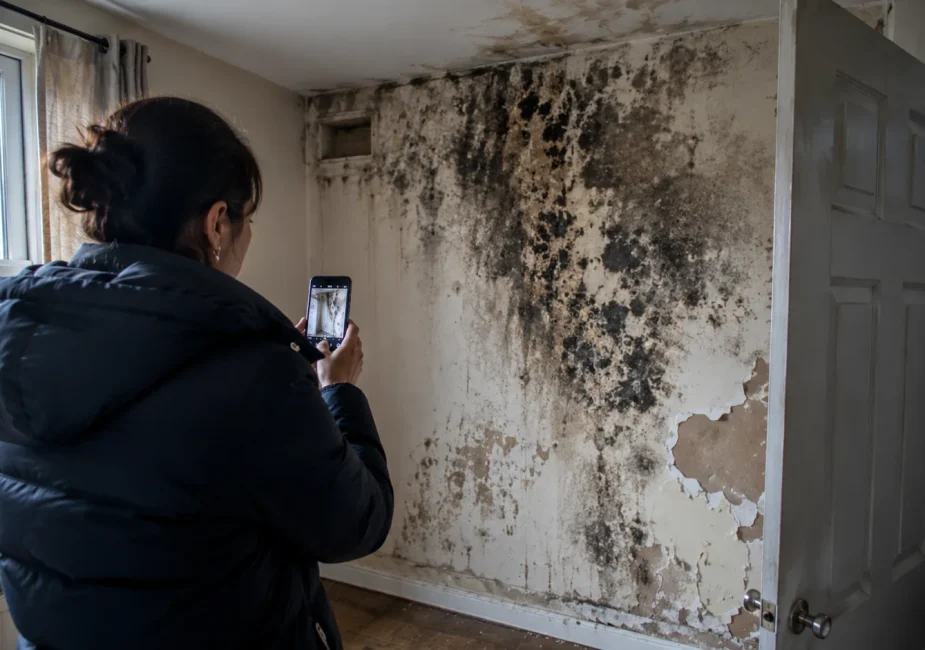
Key Takeaways:
- Housing disrepair claims apply to council, housing association, and private tenants.
- Landlords have legal responsibilities to maintain safe and habitable properties.
- Compensation may cover distress, damaged possessions, additional expenses, and health issues.
- Strong evidence is essential for a successful claim.
- Most property damage claims have a six-year limitation period.
- Personal injury claims generally have a three-year time limit.
- Many solicitors handle housing disrepair claims on a No Win, No Fee basis.
What Is a Housing Disrepair Claim and Why Is It Important for Tenants?

A housing disrepair claim is a legal process that enables tenants to hold landlords accountable when necessary repairs are ignored or unreasonably delayed. The purpose of these claims is not only to secure repairs but also to compensate tenants for the impact of living in poor housing conditions.
Housing disrepair can significantly affect a tenant’s quality of life. Problems such as damp, mould, leaking roofs, faulty heating systems, and unsafe electrical installations can create uncomfortable and potentially dangerous living environments. In severe cases, they may contribute to health problems and financial losses.
What Outcomes Can a Housing Disrepair Claim Achieve?
A successful housing disrepair claim can achieve far more than financial compensation. In many cases, tenants begin the process because repeated repair requests have failed to resolve serious problems affecting their daily lives.
Possible outcomes include:
- Completion of outstanding repairs
- Compensation for inconvenience and distress
- Reimbursement for damaged possessions
- Recovery of additional living expenses
- Compensation for health-related impacts
- Improved maintenance standards moving forward
Who Can Make Housing Disrepair Claims in England and Wales?
Housing disrepair claims are available to a wide range of tenants across England and Wales. The right to bring a claim typically depends on the existence of a tenancy agreement and the landlord’s responsibility for the repair issue.
Council Tenants
Tenants renting from local authorities have legal rights to live in properties that are safe and properly maintained. If councils fail to address reported repair issues, tenants may be entitled to pursue compensation.
Housing Association Tenants
Housing associations are required to maintain their properties to acceptable standards. Where repairs remain unresolved despite repeated reports, tenants may have grounds for a housing disrepair claim.
Private Tenants
Private landlords are subject to many of the same repair obligations as councils and housing associations. Private tenants can also pursue compensation when landlords neglect essential repairs.
| Tenant Type | Eligible to Claim? | Common Issues Claimed |
|---|---|---|
| Council Tenant | Yes | Damp, mould, leaks, heating failures |
| Housing Association Tenant | Yes | Structural defects, electrical faults |
| Private Tenant | Yes | Water damage, pest infestations, unsafe conditions |
| Lodger (in landlord's home) | Limited circumstances | Depends on occupancy arrangements |
What Types of Property Defects Qualify for Housing Disrepair Claims?
Not every maintenance concern qualifies for compensation. However, many serious defects can form the basis of a valid claim if the landlord has failed to address them after being notified.
Damp and Mould
Damp and mould remain among the most common causes of housing disrepair claims. These issues can damage belongings, affect indoor air quality, and contribute to respiratory illnesses.
Leaks and Water Damage
Persistent leaks from roofs, pipes, or plumbing systems can lead to extensive damage within a property. Water damage often affects walls, ceilings, flooring, and furniture.
Heating, Electrical, and Structural Issues
Tenants may have valid claims where heating systems fail during cold weather, electrical installations become dangerous, or structural defects compromise safety.
Pest Infestations and Security Defects
Rodent infestations, insect problems, broken locks, damaged doors, and faulty windows can all affect a property’s safety and habitability.
Mark Reynolds, a Chartered Building Surveyor, explained: “Many tenants underestimate the seriousness of persistent damp and structural issues. Even problems that initially appear minor can develop into significant hazards when repairs are delayed for extended periods.”
What Are a Landlord’s Legal Responsibilities for Property Repairs?
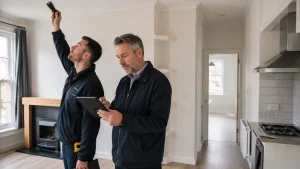
Landlords have clear legal obligations under housing legislation. These responsibilities are designed to ensure rented homes remain safe, secure, and suitable for occupation.
Landlord Repair Obligations
Landlords are typically responsible for maintaining:
- The structure and exterior of the property
- Roofs, walls, and foundations
- Water and drainage systems
- Gas and electrical installations
- Heating and hot water systems
Failure to address these responsibilities may expose landlords to legal action and compensation claims.
Homes Fit for Human Habitation Requirements
The Homes (Fitness for Human Habitation) Act requires landlords to ensure properties remain fit for occupation throughout the tenancy. Factors such as damp, ventilation, overcrowding, and safety hazards may be considered when assessing fitness standards.
What Is Awaab’s Law and Why Does It Matter for Housing Disrepair Claims?
One of the most significant legal developments transforming housing disrepair claims is the formal implementation of Awaab’s Law. Developed following the tragic death of two-year-old Awaab Ishak whose prolonged exposure to severe damp and mould in social housing exposed systemic failures in landlord repair responses this legislation has fundamentally shifted the balance of power toward tenants.
Rather than just raising general awareness or outlining vague expectations, Awaab’s Law strips landlords of the ability to stall. It mandates strict, legally binding statutory timeframes for social housing providers to investigate and remediate hazards.
Mandatory Statutory Timeframes
Under Awaab’s Law, landlords must strictly adhere to the following legal countdowns once a hazard is reported:
- 10 Working Days to Investigate: The landlord must complete a thorough inspection to identify the root cause of the reported hazard.
- 3 Working Days to Report: Following the inspection, the landlord must provide the tenant with a formal, written summary of their findings and planned actions.
- 5 Working Days to Remediate: If the investigation confirms a hazard poses a significant risk to health or safety, actual repair and remediation works must begin within this window.
- 24 Hours for Emergencies: Any severe defect or hazard that presents an immediate, imminent threat to life or safety must be acted upon and made safe within 24 hours.
Qualifying Hazards Under the 2026 Framework
While initially sparked by damp and mould, the 2026 legal framework extends these rigid 24-hour and 5-day repair deadlines to a broader range of critical Housing Health and Safety Rating System (HHSRS) hazards:
- Damp and mould growth
- Excessive cold (inadequate heating or insulation)
- Structural instability and risk of collapse
- Unsafe electrical systems and fire/explosion hazards
- Water penetration, plumbing leaks, and drainage failures
- Inadequate ventilation severely impacting indoor air quality
- Severe domestic hygiene issues (such as unaddressed pest infestations)
How Can Tenants Start a Housing Disrepair Claim?
The success of a housing disrepair claim often depends on the steps taken before legal proceedings begin.
Reporting the Issue
Tenants should report defects in writing as soon as possible. Emails, letters, and online maintenance requests create valuable records that demonstrate landlord awareness.
Gathering Evidence
Evidence forms the foundation of any successful claim. Tenants should document defects regularly and retain copies of all communications.
Following the Pre-Action Protocol
Before court proceedings commence, parties are generally expected to follow the Pre-Action Protocol for Housing Disrepair Cases. This process encourages communication, investigation, and potential settlement before litigation becomes necessary.
| Evidence Type | Why It Matters |
|---|---|
| Photographs | Demonstrates the extent of defects |
| Videos | Shows ongoing problems and progression |
| Emails and Letters | Proves landlord awareness |
| Medical Records | Supports health-related claims |
| Survey Reports | Provides expert confirmation of defects |
| Repair Logs | Establishes repair delays |
How Long Does a Housing Disrepair Claim Usually Take?
Many tenants begin a claim expecting an immediate resolution. In reality, housing disrepair claims often follow several stages before compensation is awarded or repairs are completed.
The timescale depends on factors such as the severity of the defects, landlord cooperation, available evidence, and whether the dispute proceeds to court.
| Stage | Typical Timeframe |
|---|---|
| Initial repair report | Immediate |
| Landlord inspection | 1 to 8 weeks |
| Complaint procedure | 2 to 12 weeks |
| Pre-Action Protocol process | 1 to 3 months |
| Settlement negotiations | 1 to 6 months |
| Court proceedings (if required) | 6 to 18 months |
Straightforward cases involving clear evidence and cooperative landlords may settle within a few months. More complex claims involving extensive property damage, medical evidence, or disputed liability can take significantly longer.
Understanding these timelines helps tenants set realistic expectations and maintain detailed records throughout the process.
What Evidence Is Needed to Support Housing Disrepair Claims?
Strong evidence can significantly improve the likelihood of securing compensation.
Photographs and Videos
Visual evidence provides clear documentation of defects and their progression over time. Dated images are particularly valuable.
Written Communication Records
Correspondence helps establish when the landlord became aware of the problem and whether sufficient opportunities were provided to carry out repairs.
Medical and Professional Reports
Where health issues arise from housing disrepair, medical evidence may help connect those conditions to the property defects. Professional reports from surveyors can also strengthen claims.
Why Are Some Housing Disrepair Claims Rejected?

Although many tenants have legitimate complaints, not every housing disrepair claim succeeds. Courts, landlords, and insurers carefully examine the available evidence before agreeing compensation.
One of the most common reasons claims fail is the inability to prove that the landlord knew about the problem. Landlords cannot usually be held responsible for defects they were never informed about.
Other common reasons include:
| Reason for Rejection | Explanation |
|---|---|
| No written notification | No evidence landlord was informed |
| Poor photographic evidence | Damage cannot be properly assessed |
| Tenant caused the damage | Landlord may not be legally responsible |
| Repair access refused | Landlord may argue repairs were prevented |
| Insufficient medical evidence | Health-related losses cannot be proven |
| Claim submitted outside limitation period | Legal deadlines may have expired |
Tenants can improve their chances of success by reporting problems immediately, keeping copies of all communications, and documenting defects regularly.
What Compensation Can Be Claimed for Housing Disrepair?
Compensation awards are generally divided into three categories depending on the losses suffered.
General Damages
General damages compensate tenants for inconvenience, distress, discomfort, and reduced enjoyment of the property.
Special Damages
Special damages reimburse specific financial losses caused by the disrepair, such as damaged belongings and increased utility bills.
Personal Injury Compensation
Where disrepair causes or worsens medical conditions, tenants may seek additional compensation for physical or psychological injuries.
Sarah Whitmore, a Housing Solicitor, stated: “Compensation is not limited to visible property damage. Tenants who experience prolonged disruption, health concerns, or financial losses may be entitled to broader forms of recovery depending on the circumstances.”
How Is Compensation Calculated in Housing Disrepair Claims?
There is no fixed compensation amount for every claim. Courts and insurers assess each case individually based on its specific facts.
Factors That Influence Compensation
Several factors affect compensation levels, including:
- Severity of the disrepair
- Duration of the problem
- Impact on daily living
- Financial losses incurred
- Health consequences
- Landlord conduct
Rent-Based Compensation Assessments
General damages are often calculated as a percentage of rent paid during the period of disrepair. The percentage may vary depending on how severely the tenant’s use of the property was affected.
| Level of Impact | Typical Effect on Living Conditions | Possible Rent-Based Compensation |
|---|---|---|
| Minor | Limited inconvenience | 10%–25% of rent |
| Moderate | Several rooms affected | 25%–50% of rent |
| Severe | Significant loss of property use | 50%–75% of rent |
| Extreme | Property largely uninhabitable | Up to 100% of rent |
It is important to note that these figures are examples only, and actual awards vary according to the facts of each case.
What Are the Time Limits for Housing Disrepair Claims?
Limitation periods determine how long tenants have to bring legal claims.
Property Damage Claims
Claims relating to property damage and contractual breaches generally have a six-year limitation period. The timeframe usually begins from the date the landlord should reasonably have completed the repair.
Personal Injury Claims
Where a tenant suffers personal injury due to disrepair, the claim typically must be started within three years of the injury occurring or being identified.
Missing these deadlines can make it difficult or impossible to pursue compensation, making early legal advice highly beneficial.
Should Tenants Use a Solicitor for Housing Disrepair Claims?
While some tenants manage complaints independently, legal representation often provides significant advantages.
No Win, No Fee Agreements
Many housing disrepair solicitors operate under Conditional Fee Agreements, commonly known as No Win, No Fee arrangements. This reduces financial risk for tenants seeking justice.
Benefits of Legal Representation
Solicitors can assist with:
- Assessing claim validity
- Gathering evidence
- Calculating compensation
- Negotiating settlements
- Managing court proceedings
Professional legal guidance can often improve the efficiency and outcome of a claim.
What Options Are Available If a Landlord Refuses to Act?
Landlords do not always respond appropriately to repair requests. Fortunately, tenants have several escalation options.
Housing Ombudsman Service
Council and housing association tenants may refer complaints to the Housing Ombudsman after exhausting internal complaint procedures. The Ombudsman can investigate disputes and recommend remedies.
Property Redress Schemes
Private tenants may have access to government-approved redress schemes where letting agents fail to address concerns appropriately.
Court Proceedings
If alternative resolution methods fail, tenants may pursue court action to obtain repair orders, compensation, or both.
Emma Clarke, a Tenant Rights Adviser, noted: “Many disputes can be resolved before reaching court when tenants maintain clear records and follow the correct complaint procedures. Detailed evidence often becomes the deciding factor during negotiations.”
What Are the Tenant Compensation Rules for Housing Disrepair Claims in 2026?

The tenant compensation framework in 2026 continues to focus on landlord accountability, tenant safety, and fair compensation for losses caused by disrepair.
Key Legal Considerations
Tenants must generally demonstrate:
- The existence of qualifying disrepair.
- Landlord awareness of the problem.
- Failure to complete repairs within a reasonable timeframe.
- Losses or harm resulting from the delay.
Courts and dispute resolution bodies continue to place significant emphasis on documented evidence and compliance with pre-action procedures.
What Tenants Should Expect?
In 2026, tenants can expect claims to be assessed on the severity of the disrepair, its impact on daily life, and the adequacy of the landlord’s response. Compensation may cover inconvenience, financial losses, damaged possessions, and personal injuries where appropriate.
The growing focus on housing standards and tenant protections means landlords face increasing pressure to address maintenance issues promptly and effectively.
Why Are Housing Disrepair Claims Increasing Across England and Wales?
Housing disrepair claims have become more common in recent years as awareness of tenant rights continues to grow. Increased attention on damp and mould issues, stronger housing regulation, and wider access to legal advice have encouraged more tenants to pursue repairs and compensation where landlords fail to meet their obligations.
Several factors are contributing to this increase:
- Greater awareness of housing rights
- Increased focus on mould and health hazards
- Improved access to specialist legal support
- Higher expectations regarding housing standards
- Stronger oversight of social housing providers
As housing standards continue evolving, landlords face greater pressure to respond quickly to repair concerns and maintain safe living conditions.
Conclusion
Housing disrepair claims remain an important legal tool for tenants facing unresolved repair problems in England and Wales. Whether the issue involves damp and mould, structural defects, faulty heating, or unsafe electrical systems, tenants have the right to seek repairs and compensation when landlords fail to fulfil their obligations.
Successful claims depend heavily on clear evidence, proper reporting procedures, and adherence to legal protocols. By understanding the tenant compensation rules for 2026 and acting promptly when problems arise, tenants can better protect their rights, living conditions, and financial interests.
FAQs
Can I make a housing disrepair claim if my landlord eventually completed the repairs?
Yes. You may still be entitled to compensation if the repairs were unreasonably delayed and caused inconvenience, property damage, or health issues.
What is the most common reason housing disrepair claims fail?
Claims often fail because tenants cannot prove the landlord was aware of the problem or because there is insufficient supporting evidence.
Can damp and mould qualify for a housing disrepair compensation claim?
Yes. Damp and mould are among the most common causes of housing disrepair claims, particularly when they affect health or damage belongings.
How much compensation can I receive for housing disrepair?
Compensation varies depending on the severity of the disrepair, how long it lasted, and any financial losses or health impacts suffered.
Do I need a solicitor to make a housing disrepair claim?
No, but a solicitor can help gather evidence, assess the claim’s value, and negotiate with the landlord on your behalf.
Can I claim for damaged furniture and personal belongings?
Yes. Tenants may be able to recover the cost of items damaged by leaks, damp, mould, or other landlord-related repair failures.
How long do I have to start a housing disrepair claim?
Most housing disrepair claims must be started within six years, while personal injury claims related to disrepair generally have a three-year time limit.