
Countryfile Dairy Farmer Closure: The Reality Behind UK Farm Shutdowns
 • April 28, 2026
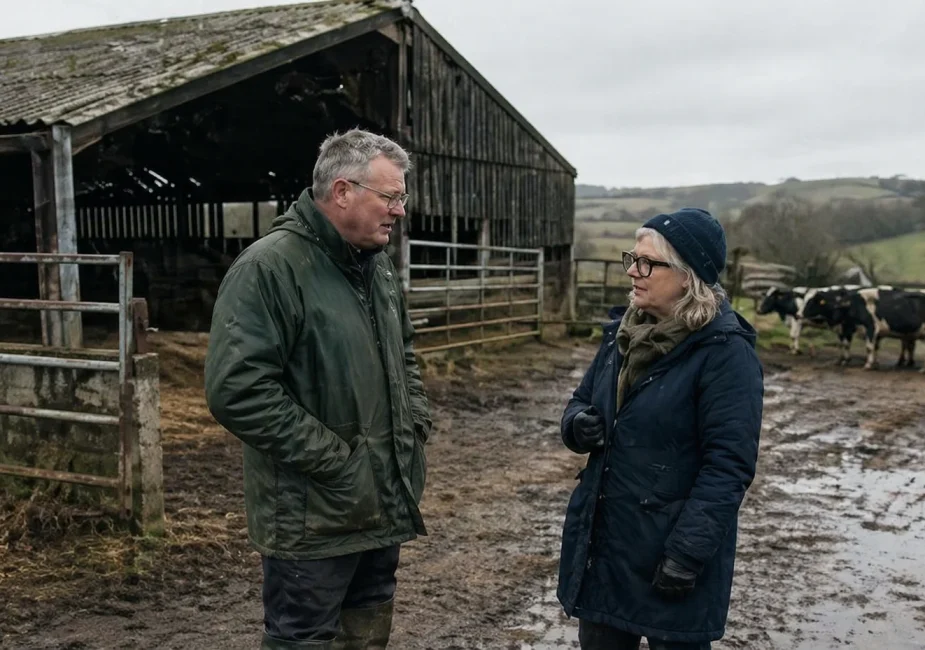
The Countryfile dairy farmer closure story has brought national attention to a growing crisis in the UK agricultural sector.
A dairy farmer featured on BBC’s Countryfile was forced to shut down operations after facing unsustainable financial losses due to falling milk prices and rising costs.
This case highlights deeper structural issues affecting thousands of farms across the UK.
Key highlights:
- A farmer losing around £30,000 per month
- Milk prices dropping to 29p per litre, below production cost
- Over 7,000 dairy farms remaining, with numbers declining yearly
- Increasing pressure from processors, contracts, and market volatility
This article explores what the Countryfile dairy farmer closure reveals about the wider UK dairy industry and why farm shutdowns are becoming more common.
What Happened in the Countryfile Dairy Farmer Closure Story?
The Countryfile dairy farmer closure centres around Hamish McIntosh, a farmer whose family had been producing milk for nearly 80 years.
Featured on BBC’s Countryfile on 26 April, the episode documented his emotional decision to exit dairy farming after decades in the industry.
Having worked on the farm since childhood, Hamish faced the harsh reality of modern dairy economics. Despite deep-rooted tradition and commitment, the financial strain became too overwhelming.
The closure involved shutting down the milking parlour, selling the majority of his herd, and preparing for the final milkings before his contract ended.
The story resonated with viewers not only due to its emotional weight but also because it reflects a broader trend across the UK farming landscape.
Why Was Hamish McIntosh forced to Shut Down His Dairy Farm?
Hamish’s closure was not a sudden decision but the result of sustained financial pressure that gradually made the business unviable.
Like many in the UK dairy sector, he faced a widening gap between production costs and the price received for milk, leaving little room for recovery or growth.
Key Factors Behind the Closure:
- Rising production costs vs low milk prices: The cost of feed, energy, and labour continued to increase while milk prices remained inconsistent, reducing profitability.
- High investment requirements: An estimated £1.5 million was needed for modern upgrades, including livestock housing, comfort cubicles, and a more efficient milking parlour.
- Limited pricing control: Contractual agreements offered little stability, exposing him to unpredictable market fluctuations and processor decisions.
- Long-term financial losses: Ongoing deficits made it unrealistic to invest further, ultimately leaving closure as the only practical option.
Despite his dedication and efforts to adapt, the mounting financial pressures left Hamish with no sustainable path forward but to close his dairy farm.
How Much Financial Loss Did the Countryfile Dairy Farmer Experience?
The financial breakdown of the Countryfile dairy farmer closure highlights just how severe the situation had become.
The figures clearly demonstrate a business model under intense pressure, where income was consistently falling short of operational expenses.
Key financial figures:
- Monthly loss: £30,000
- Milk price received: 29p per litre
- Estimated cost of production: Higher than market price
- Required investment to continue: £1.5 million
These figures illustrate a business model that had become unsustainable. Even with increased efficiency, the gap between income and expenses was too large to bridge.
Financial Overview of the Countryfile Dairy Farmer:
Financial Factor Value
Milk Price per Litre 29p
Monthly Loss £30,000
Investment Needed £1.5 million
Herd Sold 280 cows
These figures underscore how unsustainable the situation had become, leaving closure as the only financially responsible decision.
Why Are Milk Prices Falling Below Production Costs in the UK?
Milk pricing in the UK is influenced by a complex mix of global and domestic factors. One major driver is global oversupply, where increased international production pushes prices downward.
At the same time, UK farmers face rising input costs, including feed, fuel, fertiliser, and labour, which have all increased significantly in recent years.
Retail pricing strategies also have a strong impact. Supermarkets compete to keep prices low for consumers, but this pressure often moves down the supply chain, reducing what farmers are paid. Processors adjust pricing based on market conditions, leaving farmers with limited negotiating power.
As a result, many farmers are forced to sell milk at a loss, making long-term sustainability increasingly difficult.
“The volatility in global dairy markets is placing unprecedented pressure on UK farmers, particularly those operating at smaller scales,” said an agricultural economist from a UK policy group.
What Does the Countryfile Dairy Farmer Closure Reveal About the UK Dairy Industry?
The Countryfile dairy farmer closure sheds light on deeper structural issues within the UK dairy industry. It highlights how market dynamics, supply chain relationships, and regulatory limitations collectively impact farmers’ ability to remain profitable.
How Do Dairy Processors Influence Milk Pricing?
Processors play a central role in determining how much farmers are paid. Acting as intermediaries, they collect milk from farms and supply it to retailers or manufacturers.
Pricing is typically influenced by market demand, global trends, and retailer negotiations rather than the actual cost of production.
This often places farmers at a disadvantage, as they have limited control over the final price they receive.
The Role of Contracts in Dairy Farming Sustainability
Contracts are essential for farmers to secure consistent buyers, but their structure can significantly impact financial stability.
Key aspects of dairy farming contracts
- Fixed contracts offer more predictable income but may limit potential earnings during high market prices
- Variable contracts fluctuate with market conditions, increasing exposure to sudden price drops
- Short-term agreements can create uncertainty and make long-term investment planning difficult
- Contract terms are often influenced by processors, leaving farmers with limited negotiating power
These variations mean that while contracts provide market access, they do not always guarantee financial security for farmers.
Are Farmers Given Fair Pricing Transparency?
Transparency remains a key concern. While regulations exist, many farmers still struggle to understand how prices are determined.
UK Dairy Supply Chain Structure:
Stage Role Description
Farmers Produce raw milk
Processors Collect and process milk
Retailers Sell dairy products to consumers
Consumers End users
Overall, the Countryfile dairy farmer closure highlights how interconnected industry dynamics continue to shape the financial realities of UK dairy farming.
How Many Dairy Farms Are Left in the UK and Why Are Numbers Declining?
There are currently just over 7,000 dairy farms operating across England, Wales, and Scotland, a figure that reflects a steady and concerning decline.
Over the past two decades, the number of dairy farms has halved, signalling a major shift in the structure of UK agriculture.
Several factors are driving this downward trend. Rising operational costs continue to squeeze profit margins, while the need for large-scale investment makes it difficult for smaller farms to remain competitive. Market volatility further adds to the uncertainty, discouraging long-term commitment to dairy farming.
The decline has also led to increased consolidation within the industry. Larger farms with greater resources are better positioned to survive, while smaller, family-run operations often struggle to keep up. This shift is gradually reshaping the landscape of British dairy farming.
What Challenges Are Modern Dairy Farmers Facing Today?
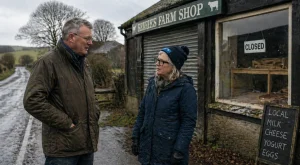
Modern dairy farming requires balancing economic viability with operational efficiency, all within an unpredictable market environment. Farmers must constantly adapt to changing conditions while managing costs and maintaining productivity.
Key challenges faced by farmers:
- Increasing feed and energy costs
- Labour shortages
- Regulatory compliance
- Environmental pressures
- Unpredictable milk pricing
These challenges create a high-risk environment, particularly for family-run farms with limited financial buffers.
Real-time example (Worker perspective):
While researching this topic, I spoke with a dairy farm worker from Somerset who shared their experience:
“We work long hours every day, but the uncertainty is the hardest part. One month things look manageable, and the next, prices drop again. It makes you question how long you can keep going.”
This insight reflects the emotional and financial strain faced by those within the industry.
Can Government Regulations Like Fair Dealing Obligations Protect Farmers?
Government regulations such as Fair Dealing Obligations have been introduced to address long-standing concerns around fairness and transparency within the UK dairy sector.
While these measures represent a positive step towards improving relationships between farmers and processors, their ability to fully protect farmers from financial instability remains limited.
What Are Fair Dealing Obligations in Dairy Farming?
Fair Dealing Obligations were introduced to improve transparency and fairness in contracts between farmers and processors.
They allow farmers to request explanations for pricing decisions and aim to ensure clearer agreements.
Limitations of Current Regulations
While these regulations are a step forward, they do not address core issues such as global oversupply or market volatility. As a result, their impact remains limited.
“Regulatory frameworks can improve transparency, but they cannot fully shield farmers from global market forces,” noted a representative from Dairy UK.
Impact of Fair Dealing Obligations:
Aspect Impact Level
Contract Transparency Moderate
Price Stability Low
Farmer Protection Limited
Overall, while Fair Dealing Obligations improve clarity and fairness in contracts, they are not a complete solution to the deeper economic challenges affecting UK dairy farmers.
What Impact Does Dairy Farm Closure Have on UK Consumers and Businesses?
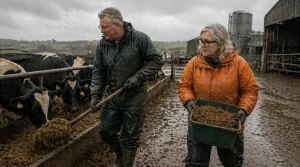
The closure of dairy farms has ripple effects across the supply chain. Reduced domestic production can lead to increased reliance on imports, potentially affecting prices and quality.
Consumers may experience price fluctuations, while businesses such as retailers and food producers may face supply challenges.
Real-time example (Customer perspective):
I spoke with a local café owner in London who relies on UK dairy suppliers. They shared:
“We prefer sourcing local milk, but we’ve already seen suppliers disappear. If this continues, we’ll have no choice but to import, which changes both cost and quality.”
This highlights how farm closures extend beyond agriculture into everyday business operations.
Is the Countryfile Dairy Farmer Closure a Sign of a Larger Agricultural Crisis?
The Countryfile dairy farmer closure is widely seen as part of a broader pattern affecting the UK agricultural sector. It reflects ongoing challenges that are not limited to a single farm or region but are being experienced across the industry.
As financial pressures continue to build, more farmers may be forced to exit dairy production. The combination of low profitability, high capital requirements, and market instability creates an environment where long-term sustainability is increasingly difficult to achieve.
Without meaningful structural changes, including improved pricing mechanisms and stronger industry support, the decline in dairy farms is likely to continue. This raises important questions about the future of UK food production and rural economies.
Conclusion
The Countryfile dairy farmer closure serves as a powerful example of the challenges facing UK dairy farmers today. It underscores the need for greater market stability, fair pricing mechanisms, and supportive policies.
While individual stories capture public attention, the underlying issues require long-term solutions. For consumers, businesses, and policymakers alike, understanding these challenges is essential to ensuring the future of the UK dairy industry.
FAQs
What was the milk price the farmer received on Countryfile?
The farmer received approximately 29p per litre, which was below the cost of production.
How much investment is required to sustain a dairy farm in the UK?
In this case, around £1.5 million was needed for upgrades to remain competitive.
How many cows did the farmer sell before closing operations?
He sold approximately 280 cows as part of shutting down the dairy side.
Why do dairy farmers depend on contracts with processors?
Processors handle collection and distribution, making contracts essential for market access.
What role does the global milk supply play in UK farm closures?
Global oversupply can push prices down, directly affecting farmer income.
Are small dairy farms more vulnerable than large-scale operations?
Yes, smaller farms often lack the financial resilience to withstand market fluctuations.
How could supermarket pricing influence dairy farmer incomes?
Retail pricing strategies can limit how much processors pay farmers, impacting overall profitability.