
Great British National Strike 2026 – Claims, Reality, and Legal Status Explained
 • February 2, 2026

🚨 GREAT BRITISH NATIONAL STRIKE 2026 UPDATE
The term “Great British National Strike 2026” has emerged primarily through social media and online activist forums, promoting a nationwide walkout in response to economic and political grievances. However, this movement lacks formal union backing and does not meet the legal requirements for a general strike.
The facts so far are clear: while genuine, union-backed strikes are taking place across sectors such as rail, refuse collection, and the civil service, these actions are decentralised and legally separate from the broader national strike claims.
Key Facts:
- Union status: No confirmation from the TUC or major UK unions
- Nature of campaign: Grassroots and activist-led online movement
- Legal standing: Not a legally sanctioned general strike
- Real action: Sector-specific strikes are occurring through official ballots
- Worker risk: Unofficial participation may lead to unpaid leave or disciplinary action
This guide explains what the Great British National Strike 2026 really is, who is behind it, how UK strike laws apply, and what workers and businesses should consider before taking part in any action.
What is the Great British National Strike 2026?
The phrase “Great British National Strike 2026” emerged from online forums and social media campaigns, intended to represent a coordinated national walkout in protest of political and economic grievances. The proposed action period, 2–9 February 2026, is being shared under hashtags like #UKStrike and #EnoughIsEnough.
But behind the solidarity-themed messaging lies a significant issue: this strike lacks formal backing from any recognised trade union body. It is not a legally sanctioned general strike.
Instead, it’s a loosely organised digital campaign aiming to gather mass support against the current government’s perceived failings, particularly on economic and immigration policies.
The energy behind it is undeniably real, yet its structure is informal, and its legal foundation is absent.
Who Is Behind the Call for a National Strike in February 2026?
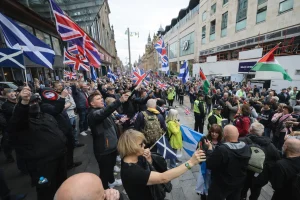
At the core of this movement is Richard Donaldson, a politically outspoken activist with strong views on immigration and public policy. He has encouraged the public to abstain from work, shopping, and even school for their children in protest of what he deems governmental mismanagement.
This call to action is politically charged and has caught attention, particularly in right-leaning media circles. However, Donaldson does not represent a union, nor does he speak on behalf of any official labour entity.
Alongside this, social media pages and online event forums have amplified the strike narrative, often without clarity on legality, worker protection, or organisational oversight. The result? Widespread confusion among citizens, unsure whether this is a lawful strike or a public protest dressed as one.
“I support the cause, but I don’t want to risk losing my job if it’s not backed by a union,” one public sector worker told me. This uncertainty is at the heart of the issue.
Is There Any Official Trade Union Support for the 2026 Strike?
Despite the online buzz, no major trade union has officially confirmed or endorsed a general strike for February 2026 under the “Great British National Strike” name. This includes umbrella organisations like the Trades Union Congress (TUC) and key bodies such as Unison, GMB, PCS, Unite, and RMT.
Union Legal Obligations
Organised trade unions in the UK must follow a strict process to initiate industrial action:
- Conduct a ballot among their members and gain a majority vote.
- Notify employers in writing with legally defined notice periods.
- Ensure full compliance with statutory labour laws.
- Coordinate with other unions where applicable.
“It is not enough to promote a date on social media. For a real, legally backed strike, unions must conduct member ballots, secure mandates and issue lawful notices,” explained one experienced union policy adviser.
The enthusiasm we’re seeing online may reflect genuine sentiment, but without these procedural steps, no strike has the protection of law. At this time, all recognised trade union activity remains decentralised and sector-specific.
What Real Strikes Are Taking Place Across the UK in Early 2026?

While the idea of a single, coordinated general strike lacks legal recognition, multiple valid industrial actions are underway in early 2026. These strikes have been initiated by recognised unions through official channels.
Active Strikes Across Sectors:
Sector Union Involved Status of Action
Refuse Collection GMB / Unison (regional branches) Scheduled walkouts and localised pickets
Civil Service PCS (e.g. DWP offices) Ballots completed, preparing for action
Rail Workers RMT / ASLEF Confirmed disruptions on select dates
Healthcare Staff Multiple health unions Localised strikes tied to pay disputes
In cities like Birmingham and Manchester, refuse workers have already begun industrial actions, while rail staff and public sector employees have announced targeted strike days following official ballots.
These represent lawful, union-supported actions, distinct from the broader “national strike” campaign circulating online.
Are the Proposed Strike Dates of 2-9 February Legally Valid?
The widespread promotion of the 2–9 February timeframe stems from activist platforms, not from official channels. Legally, these dates do not hold validity for a national strike.
Legal Framework for Strike Authorisation:
Required Step Purpose
Ballot of Members Ensure democratic support within the union
Notification to Employers Provide legal clarity and planning window
Legal Compliance Review Protect workers from disciplinary actions
Sector Coordination Enable multi-union action across industries legally
None of these conditions have been met for a unified general strike during this period. Participating without legal protection may result in unpaid leave, warnings, or other employment consequences.
How Have UK Labour Laws Changed Recently?
In 2025, major changes were introduced to UK labour law, impacting how industrial action is planned and implemented. These updates play a critical role in shaping union behaviour in 2026.
Key Legislative Changes
- The Strikes (Minimum Service Levels) Act 2023 was repealed.
- Provisions were merged into the Employment Rights Act 2025.
- New compliance rules for minimum service levels in essential sectors.
- Stricter guidance on ballots, notice periods, and documentation.
Unions now face tighter regulations, making coordinated general strikes more complex. A labour law expert shared:
“The legal landscape in the UK is evolving. Unions and their members need clarity on how the new provisions will affect their rights and protections.”
This uncertainty has made unions more cautious, delaying any broad strike declarations.
Why Are So Many UK Workers Taking Industrial Action in 2026?
There’s no single cause behind the spike in strike activity this year, instead, it’s a complex mix of economic, social, and political pressures. From the public sector to transport and health services, workers are feeling stretched, undervalued, and underpaid.
The cost-of-living crisis remains a significant factor. Inflation has outpaced wage increases in most sectors, and many employees report being worse off now than they were a year ago.
But there’s also a shift in expectations. After years of austerity, pandemic pressures, and structural changes, workers are now demanding not just better pay, but better working conditions, recognition, and respect.
“It’s not just about money anymore. People are tired, mentally, physically, and professionally,” said a frontline worker from Manchester.
This emotional and economic fatigue is fuelling more frequent and intense calls for industrial action, even if not always through official channels.
What Are the Risks of Participating in an Unofficial Strike?
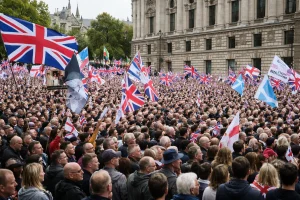
While standing in solidarity with a national movement may feel morally right, it’s vital for workers to understand the legal implications of joining an unofficial strike.
Unlike union-sanctioned actions that follow a formal process, spontaneous or online-organised actions leave participants vulnerable to serious consequences.
Risks You Need to Be Aware Of:
- No Legal Protection: Unofficial strikes do not offer safeguards under employment law.
- Loss of Wages: Employers are not obligated to pay for days not worked without union authorisation.
- Disciplinary Action: Absenteeism related to unauthorised protests can result in warnings or dismissal.
- Impact on Benefits: Some contracts may forfeit bonuses, sick pay, or leave allowances if unauthorised leave is taken.
Even if the intent is genuine, the structure matters. Workers are strongly advised to consult their union representatives, HR departments, or employment solicitors before joining such actions.
What Does the Ongoing Strike Activity Mean for UK Businesses and Citizens?
Even though a coordinated national strike has not been declared, the cumulative effects of various sector-specific strikes are already being felt. As disruptions spread across the UK, business owners, service providers, and the general public should be preparing for temporary setbacks in operations and service access.
Areas Likely to See Impact:
- Transport: Rail strikes are causing delays and reduced services in several regions.
- Waste Services: Refuse collection disruptions are being reported in urban areas.
- Public Services: Civil service and health sector slowdowns are delaying document processing and appointments.
- Schools and Education: While not directly on strike, some school services may be indirectly affected due to family absences or public transport delays.
For employers, it’s critical to revisit continuity plans, keep staff updated, and manage client expectations. Citizens should stay informed through official union bulletins or local council updates.
Conclusion
As we progress through 2026, it’s clear that worker dissatisfaction and political tensions are growing. While the Great British National Strike 2026 does not meet the legal threshold for a national strike, it signifies a cultural shift, a rising desire for change, even outside formal structures.
Whether this momentum evolves into a legally recognised national strike remains to be seen. What’s certain is that unions, employers, and the government must adapt to rising worker expectations.
If there’s one takeaway here, it’s this: solidarity is powerful , but lawful action is essential. The future of British labour will depend on how effectively that balance is struck.
Frequently Asked Questions
How does a general strike differ from multiple localised strikes?
A general strike involves all or most sectors stopping work under coordinated union leadership. Localised strikes focus on specific industries or employers.
Can non-unionised workers legally participate in strikes?
Only union-organised strikes protect participants legally. Non-unionised workers may risk job security by joining unofficial actions.
What protections do unionised workers have during industrial action?
Unionised workers on a lawful strike have protection against dismissal, though they may not be paid during the action.
How can I verify if a strike is officially sanctioned?
Check official union websites, membership emails, and employer notifications for legal confirmation and strike notices.
Are employers allowed to penalise workers for joining unofficial strikes?
Yes, workers in unofficial strikes may face disciplinary action, wage deductions, or breaches of contract warnings.
What role does the government play in regulating or responding to strikes?
The government enforces legal frameworks and may negotiate with unions during periods of heightened industrial unrest.
Could political motivations behind activist strikes affect public perception?
Yes. Strikes rooted in political rhetoric can either galvanise support or alienate parts of the public, depending on how they’re framed.