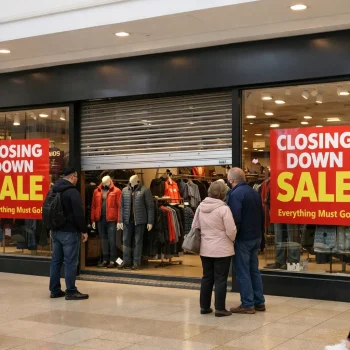
Morrison Confirms Wakefield Bakery Closure – What Went Wrong?
 • January 13, 2026
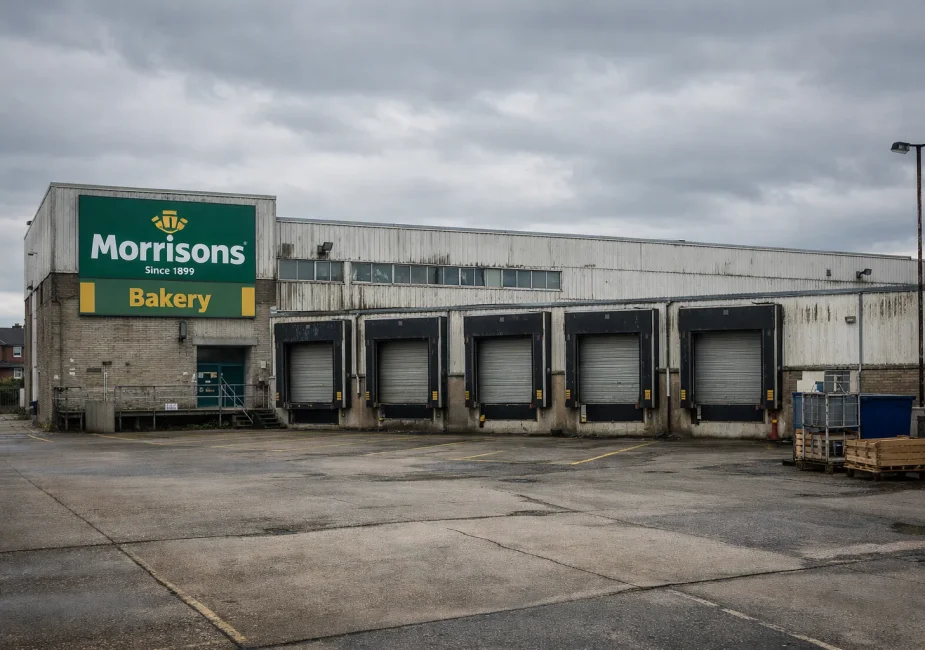
Morrisons has confirmed plans to close its Rathbones Bakery site in Wakefield, placing 115 jobs at risk and marking the end of a 100-year-old facility within its supply chain.
Staff were officially notified on 5 January 2026, and a consultation process is now underway. While the exact closure date remains unconfirmed, the site is expected to shut down in the first half of 2026.
Despite previous restructuring efforts in 2024 to keep the bakery operational, the site continued to make losses, prompting the supermarket’s decision to close it permanently.
Key Takeaways
- 115 jobs at risk following the proposed closure
- Employees notified on 5 January 2026
- Closure expected in the first half of 2026
- Site restructured in 2024 but remained unprofitable
- Morrisons’ in-store bakeries will not be affected
- Part of wider supermarket cost-cutting measures
What Led to the Morrisons Bakery Closure in Wakefield?
The Wakefield bakery closure is the result of ongoing financial and strategic pressures. Rathbones Bakery narrowly avoided shutdown in late 2024 after Morrisons shifted it toward producing specialist baked goods instead of mass-market bread. However, the site continued to struggle despite this change.
While accounts showed a £668,000 profit in 2024, Morrisons said the underlying operation was still loss-making after losing a key third-party contract. Staff were formally informed on 5 January 2026, and a consultation process is now underway. The site is expected to close in the first half of 2026.
“Regrettably, having thoroughly reviewed all alternatives, we can no longer see a way back to breakeven and have taken the difficult decision to close the remaining facility,” a Morrisons spokesperson explained.
This closure marks the second such attempt within two years and reflects the intense pressures on manufacturing operations in the current UK economic climate.
Why Did the Restructuring Efforts at Rathbones Bakery Fail?
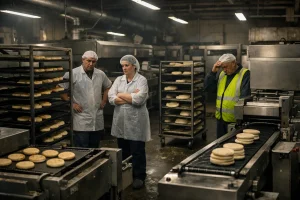
In 2024, Morrisons attempted to rescue the site by transitioning its focus from mass-market bread to niche bakery products. These included crumpets, pittas, pancakes, and rolls. This strategic shift aimed to position Rathbones as a more agile, specialist supplier within Morrisons’ broader bakery operation.
Unfortunately, the strategy didn’t deliver the intended results. According to internal projections, the business needed two more years to break even. But the reality was starkly different , a decline in volumes and sales continued into 2025.
“The trading conditions in the bakery market have become even more challenging,” a company representative shared.
“Despite tremendous effort by the whole team, volumes and sales have declined significantly.”
Key reasons behind the failure include:
- Loss of a significant third-party supply contract
- Increased competition from automated and outsourced bakery production
- Higher operational costs and lower-than-expected demand for specialist items
- A downturn in the wider UK bakery sector
Morrisons concluded that continued operation of the Wakefield site was no longer financially sustainable.
How Many Jobs Are Affected by the Closure?
The closure of the Wakefield bakery directly places 115 employees at risk of redundancy. These include bakery technicians, packers, maintenance engineers, and admin staff who worked across shifts at the facility.
This follows a prior voluntary redundancy round in late 2024, during which around 270 staff exited the business after the initial restructure. Many of those roles were not replaced, as the company slimmed operations.
“We are fully committed to doing everything we can to help all those affected, including identifying any other suitable roles available elsewhere in the Myton Group,” Morrisons confirmed.
The company has begun formal consultations with affected employees in accordance with UK employment regulations. Internal redeployment efforts are being prioritised where feasible, though options may be limited due to ongoing restructuring elsewhere in the business.
What Is the History of Rathbones Bakery?
Founded in 1893, Rathbones Bakery has long held a place in British bakery history. It developed into a trusted supplier of morning goods and bread, not just for Morrisons but also for other retail partners across the UK.
Morrisons acquired Rathbones in 2005, rescuing the business from administration. Over the years, the site played a central role in producing fresh bread and value bakery lines for stores nationwide. However, changing market demands, rising production costs, and reduced margins in the bakery sector contributed to its decline.
Historic Timeline of Rathbones Bakery
Year Milestone
1893 Rathbones Bakery established
2005 Acquired by Morrisons to prevent administration
2024 Narrowly avoids closure with restructure to focus on specialty goods
2026 Final closure announced due to continued financial losses
The closure signals the end of a storied legacy, a symbolic moment for Wakefield and the UK’s food manufacturing industry.
Will Morrisons Stores Still Have Fresh Bakery Products?
Despite the closure of the Wakefield facility, Morrisons in-store bakeries will remain fully operational. Shoppers should see no disruption to the availability of fresh bakery goods, including rolls, bread, and pastries.
Production will now be redistributed among other Morrisons facilities and external suppliers. The company has stressed that existing customer experience standards will be maintained.
“In-store bakeries are unaffected, and shoppers should still find fresh bread and rolls across stores,” a company official reassured.
This approach allows Morrisons to retain product availability while reducing overhead from a loss-making manufacturing plant.
What Will Happen to the Wakefield Bakery Facility?
The 28,000 sq ft Wakefield site currently sits in limbo. Morrisons has not yet confirmed whether the property will be sold, leased, or repurposed for another internal use.
The closure raises concerns for the local economy, particularly businesses dependent on the bakery’s operation, including logistics providers, maintenance services, and ingredient suppliers in the West Yorkshire area.
“Wakefield’s skilled bakery workforce deserves better,” commented one local councillor.
“This is a blow not just to jobs but to the town’s industrial heritage.”
Case Study: Local Impact of Previous Industrial Closures in Wakefield
In 2021, the closure of a major bottling plant in Wakefield resulted in over 180 job losses. A post-closure economic review found:
- 40% of former employees were re-employed within 6 months
- 25% pursued retraining or upskilling programmes
- 35% remained unemployed or shifted to lower-paid roles
The Rathbones bakery closure is expected to produce similar effects, although the presence of Morrisons’ wider operations in the region may offer alternative employment pathways.
How Does the Closure Fit into Morrisons’ Broader Strategy?
The Wakefield bakery closure is not an isolated event. It fits into a wider restructuring strategy driven by Morrisons’ leadership and its private equity backers, CD&R. The supermarket is under pressure to streamline costs while maintaining competitive pricing.
In January 2026, Morrisons rolled out a price-cutting initiative across more than 2,500 grocery items. These savings need to be offset by operational efficiencies elsewhere, making closures of underperforming facilities a logical step.
Strategic Priorities Driving the Closure
- Improve supply chain efficiency
- Lower fixed operating costs
- Focus investment on high-performing assets
- Offset margin pressure from price cuts
Initiative Details
Price Reduction Over 2,500 everyday products discounted
Closure Justification Remove loss-making assets from supply chain
Future Focus In-store customer experience, online growth, operational agility
Morrisons’ CEO, Rami Baitiéh, has been vocal about cost-cutting as a lever for growth. The closure of Rathbones Bakery reflects this strategic shift.
Is the Morrisons Bakery Closure a Sign of Trouble in the Retail Sector?
The shutdown at Rathbones is not unique. The UK retail and food sectors have seen a wave of closures over the past year. Several well-known chains, including River Island, Poundland, and Primark, have also announced store closures or restructurings.
Key industry factors contributing to this trend include:
- A shift in consumer behaviour towards online shopping
- Increased energy and logistics costs post-pandemic
- Labour shortages and inflation pressures
- Need for leaner supply chains and just-in-time production
“Retailers across the UK are realising that yesterday’s models don’t fit today’s economic realities,” said a retail analyst.
“Rationalisation is the theme of 2026.”
The closure of one manufacturing site may seem minor in isolation, but it reflects a broader, structural evolution in how British supermarkets are adapting to new pressures.
What Can Wakefield Workers Expect Going Forward?
Morrisons has promised to support affected employees through this transition. This includes consultation periods, redeployment efforts, and referrals to roles within the wider Myton Group, the supermarket’s manufacturing division.
However, the reality for many workers will be challenging. Re-employment opportunities may be limited, and some may be forced to retrain or transition to different industries.
Support measures announced by Morrisons include:
- Formal consultation periods
- Internal job matching and relocation offers
- Access to employee support services
- Guidance for redundancy packages and retraining options
It remains to be seen how effectively these promises translate into job outcomes. Advocacy groups have urged Morrisons to work closely with local councils and employment agencies to ensure fair treatment and practical support for all affected.
Conclusion
The Morrisons bakery closure at Wakefield is both a business move and a deeply human story. From a corporate perspective, shutting down a loss-making facility may appear pragmatic, part of a necessary shift to maintain competitiveness in a tight market.
But for Wakefield’s workers, this decision signals more than cost savings. It marks the end of a proud tradition and throws 115 lives into uncertainty.
While customers may see little change in stores, and investors may welcome the cost-cutting, the legacy of Rathbones Bakery will not be forgotten easily. The coming months will reveal whether Morrisons can balance corporate restructuring with its duty to people, a true test of values in today’s evolving retail economy.
Frequently Asked Questions
What exactly is closing and how many jobs are affected?
Morrisons is closing its Rathbones Bakery in Wakefield, which puts 115 jobs at risk. This follows a previous wave of 270 voluntary redundancies in 2024.
Will product availability in Morrisons stores be impacted?
No. Morrisons has confirmed that in-store bakeries are unaffected. Production will be shifted to other sites and suppliers.
Why did Morrisons decide to shut the site now?
Despite efforts since 2024 to restructure and refocus the bakery, the site remained unprofitable. A review concluded that breakeven was not achievable.
What support is Morrisons offering to affected employees?
Employees will be supported with redeployment options, redundancy packages, and assistance through internal pathways within the Myton Group.
What is the future of the Wakefield site?
No final decision has been made. The facility may be sold, repurposed, or mothballed, depending on strategic needs.
How does this closure fit into Morrisons’ wider business strategy?
The move is part of Morrisons’ broader effort to reduce fixed costs and fund aggressive price cuts to remain competitive.
Is this part of a wider trend in UK retail?
Yes. Many UK retailers are consolidating operations in response to cost pressures, changing shopping habits, and online competition.