

Ickenham Travel Collapse Administration – What Caused the Collapse?
 • December 25, 2025
•
1 Comment
• December 25, 2025
•
1 Comment
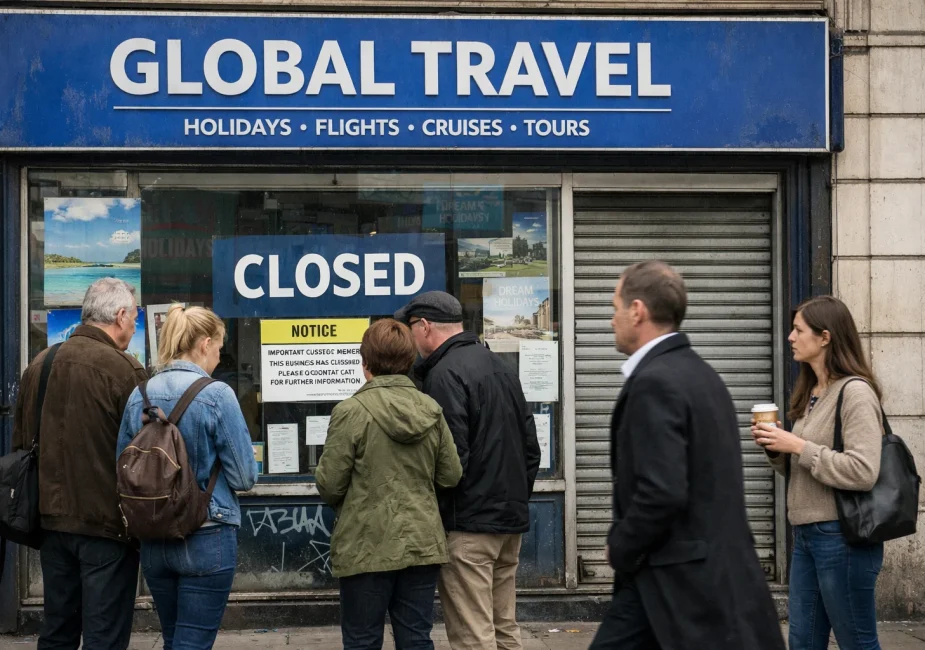
The sudden collapse of one of the UK’s long-standing travel companies, Ickenham Travel Group, has left both the travel industry and holidaymakers questioning what led to the administration of a company that had operated successfully for over five decades.
With over 55 years of service, multiple brands under its portfolio, and a significant digital presence, its downfall serves as a case study in the evolving challenges of the UK travel sector.
This article explores the full picture, from the company’s origins and operations to the reasons behind its failure and the broader implications for the industry and consumers alike.
Who Was Ickenham Travel Group and What Was Their Legacy?
Founded in 1970 by Peter Reglar, Ickenham Travel Group began as a single retail travel agency on Ickenham High Street in Greater London.
Over the years, the company expanded steadily, setting up additional branches across Hillingdon, Northwood, Harrow, and Rickmansworth, developing a trusted reputation in both leisure and business travel.
The company didn’t just serve local walk-in customers. As the internet age progressed, Ickenham Travel Group adapted by launching and managing several specialised travel websites and brand names that targeted both mainstream and niche markets.
These included:
- Letsgo2
- Abu Dhabi Holidays
- Ras Al Khaimah Holidays
- Just All Inclusive
- Jaresort Holidays
Each of these platforms operated under different domains, including ickenhamtravel.co.uk, letsgo2.com, and several others, reflecting the company’s ambition to stay competitive in a highly digitised environment.
For many, Ickenham Travel was synonymous with curated travel packages, long-haul deals, and personalised customer service that bridged the old-school travel agency model with digital convenience.
When Did Ickenham Travel Enter Administration and Why?

On 20 November 2025, the Civil Aviation Authority (CAA) formally announced that Ickenham Travel Group had ceased trading and entered liquidation.
The company was no longer an ATOL-licensed holder, which essentially meant it could no longer legally sell air package holidays or operate as a recognised travel company.
The collapse was abrupt. While no warning signs were publicly declared beforehand, the administration came amid a growing trend of UK travel companies struggling or folding entirely.
The statement from the CAA triggered widespread concern among travellers who had booked their holidays via the company’s various brands and platforms.
At the time of collapse, Ickenham was still actively trading under multiple websites, making the sudden cessation more shocking to consumers and industry observers alike.
What Are the Immediate Impacts on Customers?
For holidaymakers, the collapse raised urgent questions around flights, hotel stays, refunds, and legal protections. The CAA quickly issued guidance, categorising affected customers into two main groups based on their travel status and booking protection.
Travellers Currently Overseas
Those already abroad with ATOL-protected package bookings and a valid return flight ticket were assured by the CAA that their return journeys remained valid.
Travellers were instructed to check in with their airline as normal, without the need to purchase a new ticket.
However, concerns lingered regarding other components of their holidays such as accommodation, airport transfers, and excursions. The CAA intervened, liaising with local service providers to minimise disruption and ensure services continued as planned.
Travellers Yet to Travel
Customers who had upcoming holidays booked were in a more complex situation. While some flights remained valid, other services, particularly accommodations, may not have been paid for.
This raised the risk that travellers would need to rebook hotels, pay for services again, and later claim reimbursement.
To simplify the various scenarios, the following table outlines the key actions based on customer situations:
| Traveller Situation | Flight Validity | Next Steps |
|---|---|---|
| Overseas with ATOL package | Valid | Proceed as normal, retain receipts for any additional costs |
| Upcoming travel with ticket | May be valid | Confirm with airline, check if services are prepaid |
| No ticket issued | Invalid | Submit claim to ATOL for full refund |
| Accommodation-only booking | Not covered | Contact administrators directly |
Affected customers have until 19 November 2026 to submit claims for eligible refunds or reimbursements through the ATOL claims system.
What Caused the Ickenham Travel Collapse?

The collapse of Ickenham Travel shocked many customers and highlighted ongoing challenges within the UK travel industry. While official statements did not pinpoint exact causes, several factors likely contributed to the company’s administration.
Key Factors Leading to the Collapse
- Financial Pressures and Changing Booking Trends: Rising operational costs, inflation, and shifts in consumer behaviour, such as booking directly with airlines or hotels, reduced demand for mid-sized travel agencies.
- Digital Disruption: Competition from larger online travel agencies with AI-powered booking platforms and mobile-first experiences made it harder for legacy firms like Ickenham to retain customers.
- Overhead Costs and Debt Exposure: Maintaining physical offices and legacy systems increased fixed costs, while thin margins required rapid adaptation that may not have occurred.
- Wider Industry Turbulence: Economic uncertainty, regulatory changes, and other UK travel firm failures created a volatile environment for travel agencies.
These combined pressures likely led to Ickenham Travel’s sudden collapse, serving as a reminder of the challenges facing mid-sized agencies today.
What Is ATOL and How Does It Protect Travellers?
The ATOL (Air Travel Organiser’s Licence) is a financial protection scheme managed by the Civil Aviation Authority. It ensures that if a travel company ceases trading, its customers are not stranded abroad or left out of pocket for their holidays.
ATOL-Covered Bookings
Customers who booked flight-inclusive packages via Ickenham or its brands are covered under ATOL. This means they’re eligible for refunds or continued travel arrangements depending on their circumstances.
Non-ATOL Bookings
However, customers who booked accommodation-only or non-flight packages are not protected by ATOL. These individuals must contact the appointed company administrators to recover any funds, which often proves more complicated and slower.
| Booking Type | ATOL Protected? | Claim Process |
|---|---|---|
| Flight + Hotel package | Yes | Claim via ATOL |
| Hotel only | No | Contact administrators |
| Flights booked directly | No | Airline policies apply |
Understanding what is and isn’t covered by ATOL is vital when booking travel, especially as the collapse of companies like Ickenham Travel becomes more common.
What Should Affected Travellers Do Now?
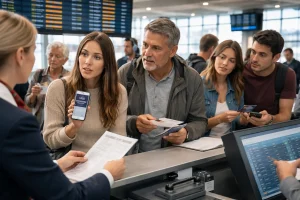
For those impacted by the administration, the following actions are strongly recommended:
- Check Flight Validity: If you’ve received flight tickets, confirm with the airline that your booking is active.
- Contact Accommodation Providers: Ensure your hotel or resort has been paid. If not, get a written quote for rebooking.
- Submit ATOL Claims Promptly: Use the official ATOL claims site to apply for refunds or reimbursements. Claims must be submitted before 19 November 2026.
- Keep All Receipts: If you’re forced to pay again for services, ensure you keep detailed receipts, especially for cash payments. These will be necessary for successful claims.
A step-by-step action guide is provided below for clarity:
| Step | Action |
|---|---|
| 1 | Confirm if booking is ATOL-protected |
| 2 | Contact your airline and service providers |
| 3 | Collect and store all payment receipts |
| 4 | File your ATOL claim as soon as possible |
Following these steps promptly will help affected travellers secure refunds, protect their rights, and minimise disruption to their travel plans.
Could Customers Have Seen This Collapse Coming?
For most consumers, the collapse of Ickenham Travel came as a shock. While it appeared sudden, there are often warning signs that a travel company may be facing financial difficulties.
Customers might notice issues such as reduced or delayed responses from customer service, difficulties processing refunds, sudden changes in payment methods, or last-minute alterations to itineraries.
Although Ickenham Travel continued operating under various websites until it ceased operations, these operational red flags may not have been immediately obvious to the average customer.
To protect against unexpected travel company failures, booking holidays with ATOL protection and purchasing comprehensive travel insurance remain two of the most reliable safeguards, helping customers recover their money or make alternative arrangements if a company collapses.
What Does This Mean for the UK Travel Industry?
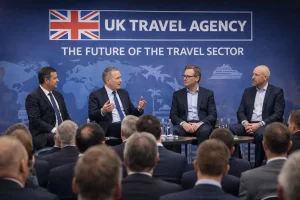
The fall of a company as longstanding as Ickenham Travel signals broader concerns for the UK travel sector. Independent and mid-sized agencies face increasing pressure from digital-only competitors and volatile global conditions.
Three primary factors seem to shape the current travel market:
- Digital Transformation: Traditional agencies must evolve or risk becoming obsolete.
- Economic Uncertainty: Inflation and global economic shifts reduce discretionary travel spending.
- Consumer Confidence: Repeated collapses have shaken trust in independent firms.
Unless such agencies rapidly adapt to consumer expectations and digital infrastructure, more closures may follow in the coming years.
Final Thoughts
Ickenham Travel Group’s collapse serves as a cautionary tale not just for consumers, but for the wider travel industry. Even established companies with a trusted history are vulnerable in today’s fast-changing travel landscape.
For consumers, the key takeaways are:
- Always book with ATOL protection
- Confirm the validity of all components of a travel package
- Stay alert to changes or disruptions in service
As the industry continues to shift, awareness and proactive planning will be essential for safe and secure holiday planning in the future.
Frequently Asked Questions
What does administration mean for travel companies in the UK?
Administration refers to a legal process where an insolvent company is placed under the management of appointed administrators to handle outstanding debts, often leading to liquidation or closure.
Are customers with non-ATOL bookings eligible for refunds?
No, non-ATOL bookings are not covered by the scheme. Customers must contact the company’s administrators directly to seek reimbursement.
How long do I have to submit a claim after a travel collapse?
Claims related to Ickenham Travel must be submitted by 19 November 2026 to the official ATOL claims portal.
What happens if my hotel or transfer wasn’t paid for?
Travellers may have to pay again for those services and retain receipts for reimbursement through the ATOL scheme if the booking is protected.
Is Ickenham Travel offering direct support?
No. As the company has ceased trading, all customer support has been handed over to the administrators and the Civil Aviation Authority.
How does ATOL differ from regular travel insurance?
ATOL protects only certain types of travel bookings (e.g., flight-inclusive packages). Travel insurance offers broader coverage, including medical, cancellations, and personal liability.
Will this affect future bookings with other agencies?
It may influence consumer trust in mid-sized agencies. Booking with well-reviewed and ATOL-protected companies is advisable moving forward.





[…] Travel Agency Models […]