Beales Department Store Closure UK – Which Locations Are Affected?
 • December 23, 2025
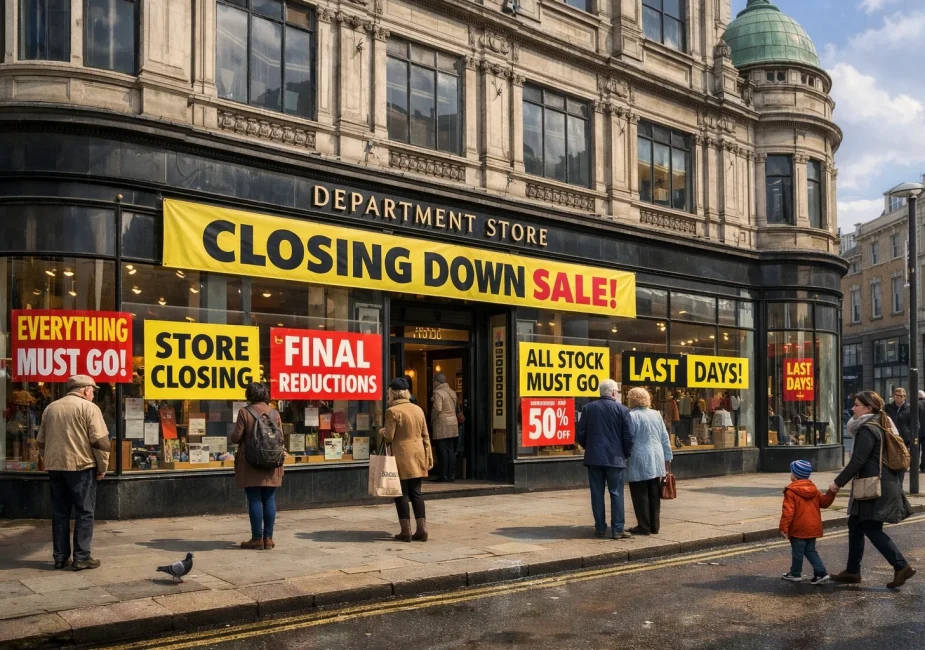
After more than 140 years on the British high street, Beales has closed its final remaining department store, bringing a historic retail chapter to an end. The Poole branch officially shut on 31 May 2025, marking the conclusion of a business that began in 1881.
Once a familiar presence in towns across the UK, Beales’ closure reflects the growing challenges facing traditional department stores. Rising operating costs, changing government policies, and shifting consumer shopping habits have all played a role.
Beyond its impact on loyal customers, the closure has drawn attention from retail analysts and local communities, offering insight into the wider pressures reshaping the UK high street.
What Led to the Final Closure of Beales in the UK?
The closure of Beales’ final store in Poole marked the end of a once-iconic British retail chain. Despite being revived under new ownership in August 2020 following administration earlier that year, the store could not withstand the rising financial pressures.
Chief Executive Tony Brown cited several reasons for the closure:
- A sharp increase in National Insurance Contributions
- Minimum wage hikes that inflated payroll costs
- Reduced business rates relief, cutting essential financial support
These combined factors reportedly added around £200,000 in annual expenses, making continued operation unsustainable.
The closure was managed as an “orderly exit” with no reported financial losses to suppliers or staff, thanks to coordination with the Dolphin Centre. Nonetheless, the shutdown symbolised a significant blow to both the local economy and the broader UK high street landscape.
Which Beales Store Locations Have Closed Since 2020?
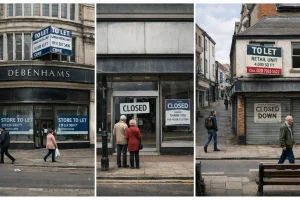
Beales once operated as a nationwide department store chain with a presence in over 40 locations across the UK. However, by the time it entered administration in 2020, the business had already begun scaling back.
Of the 23 stores still operating at that time, 22 were shut following the administration process. The Poole store was the only branch that reopened later that year under new ownership.
In the years that followed, Beales attempted to revive select branches in key towns, but these efforts were short-lived. Stores in Peterborough and Bournemouth also reopened briefly, only to close again by 2023 and 2024 respectively.
Timeline of Beales Store Closures (2020–2025)
| Year | Location | Status |
|---|---|---|
| 2020 | 22 branches nationwide | Closed post-administration |
| 2020 | Poole | Reopened under new ownership |
| 2021 | Bournemouth | Reopened then closed in 2024 |
| 2022 | Peterborough | Reopened then closed in 2023 |
| 2023 | Southport | Closed permanently |
| 2025 | Poole (last store) | Closed on 31 May 2025 |
The closure of the Poole store officially marked the end of Beales as a high street presence in the UK.
How Did Government Tax Policies Impact Beales’ Viability?
Government tax policies played a significant role in undermining Beales’ long-term viability. Fiscal changes announced in the 2025 Budget increased financial pressure on an already struggling retailer, particularly through higher employer costs and reduced tax relief.
Beales’ leadership was vocal in criticising the Labour government’s approach, including measures introduced by Chancellor Rachel Reeves.
The final store sale was notably branded the “Rachel Reeves closing down sale,” reflecting management’s frustration. Combined rising wages and tax burdens were described as creating an exponential cost problem that the business could no longer absorb.
Key Tax and Wage Changes Impacting Beales:
| Policy Change | Pre-2025 Value | Post-2025 Value | Estimated Impact |
|---|---|---|---|
| Employer NIC (National Insurance) | 13.8% | 15% | +£50,000/year |
| NIC Threshold | £9,100 | £5,000 | More staff affected |
| Minimum Wage (age 21+) | £10.42 | £12.21 | Increased payroll costs |
| Business Rates Relief | 75% | 40% | Loss of support worth ~£60,000 |
These figures underscore how mid-sized retailers like Beales were disproportionately affected. In statements made at the time, CEO Tony Brown warned that similar closures could follow if the current fiscal path continues.
What Does the Beales Closure Reveal About the Decline of the British High Street?
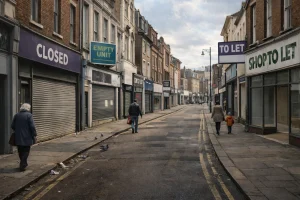
The closure of Beales highlights a wider shift taking place across British high streets. Once the cornerstone of town centres, traditional department stores like Beales have struggled to compete with the rise of online shopping and the growing appeal of retail parks.
This change is particularly noticeable among younger consumers who favour convenience, competitive pricing, and fast delivery options.
As a result, high street footfall has declined significantly. The loss of anchor stores such as Beales triggers a ripple effect, reducing traffic to nearby cafés, independent retailers, and service providers.
In many cases, these vacant spaces are replaced by:
- Budget chains
- Vape shops
- Non-retail units
Modern high streets now rely on adaptability, experiential offerings, and digital integration to survive in a changing retail landscape.
How Did Beales Evolve from a Local Shop to a High Street Institution?
Beales’ journey from a single family-run shop to a well-known high street name reflects more than a century of retail growth, adaptation, and changing consumer expectations in the UK.
Beales: A Timeline of Legacy and Expansion
Beales was founded in Bournemouth in 1881 as a small, family-run department store known for quality products and excellent customer service. Over the decades, it expanded rapidly, reaching a peak of 41 branches across UK market towns.
By 2010, it still operated 32 stores, serving communities often underserved by national chains. However, shifting consumer behaviour, the rise of online shopping, and increasing financial pressures began to take a toll.
The company entered administration in 2020, following years of declining revenue and mounting debt, a situation further worsened by the economic challenges brought on by the COVID-19 pandemic.
Key Milestones in Beales’ History
| Year | Event |
|---|---|
| 1881 | Founded in Bournemouth |
| 1920s–1990s | Expansion across UK market towns |
| 2010 | Operated 32 stores |
| 2020 | Entered administration; 22 stores closed |
| 2020 | Poole store reopened under new ownership |
| 2025 | Final store in Poole closed permanently |
Despite modernisation attempts, Beales’ business model was ultimately unable to adapt fast enough to changing retail dynamics.
How Did Staff and Local Communities Respond to the Closure?
The closure of Beales was met with widespread disappointment, particularly among staff and long-time customers who had deep emotional connections to the brand. Employees who had worked for the company through various ownership transitions were praised for their dedication and resilience.
On social media, shoppers expressed their sadness at the loss of a familiar shopping destination. Many noted that Beales had been a central part of their town’s identity and a reliable place for quality goods. Local business owners near the Poole store also voiced concern about reduced footfall and the knock-on effects for other high street shops.
While the closure was managed professionally with all suppliers and employees informed in advance, the emotional toll was undeniable. For some towns, the loss of Beales represents more than a vacant retail space, it signals a shift away from traditional retail culture.
What’s Next for the Dolphin Centre and the NHS Clinic Inside Beales?
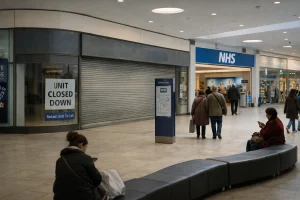
With the Poole Beales store now closed, focus has shifted to the future of the Dolphin Centre. The large space vacated by Beales poses a challenge, as demand for big retail units has declined.
While no replacement tenant has been announced, redevelopment plans are reportedly being explored, potentially transforming the unit into smaller retail spaces or a mixed-use facility. Meanwhile, the NHS Outpatient Assessment Clinic located on the top floor will remain fully operational.
Established in 2021, the clinic continues to play a key role in reducing outpatient waiting times. Its ongoing presence ensures some continuity and service provision for the local community despite the store’s closure.
Are Other UK Department Stores Facing the Same Fate as Beales?
Beales is not alone in its struggles. Other well-known UK department stores have faced similar pressures and many have downsized or closed entirely.
Chains such as Debenhams, House of Fraser, and Wilko have all significantly reduced their physical presence or ceased trading in recent years.
Factors contributing to these closures include:
- Unsustainable rent and wage bills
- Declining in-store sales
- Lack of digital transformation
- Rising tax burdens post-2025 Budget
In particular, rising National Insurance and minimum wage costs have hit mid-sized retailers the hardest. According to industry bodies, over 17,000 retail units are projected to shut down in 2025 alone. This trend indicates that without major policy interventions or business model reinventions, more closures are likely.
What Can Be Done to Save the High Street?
Revitalising the high street will require a coordinated effort between retailers, local authorities, landlords, and the central government. Solutions will not be one-size-fits-all but must address key pain points such as cost, access, and customer experience.
Potential strategies include:
- Reforming business rates to provide relief for brick-and-mortar stores
- Offering grants or tax credits for digital transformation
- Supporting mixed-use developments to bring leisure, retail, and services together
- Investing in town centre infrastructure and public transport
- Encouraging local loyalty and independent enterprise
Only through a combination of innovation and support can the high street regain its relevance in the 21st century.
Is the Closure of Beales a Sign That Traditional Department Stores Are Finished in the UK?
The final closure of Beales could be viewed as the symbolic end of a retail era. Department stores once dominated the UK shopping experience, offering one-stop destinations for a wide range of products.
However, the rise of e-commerce, changing lifestyle patterns, and financial constraints have made it difficult for these traditional models to survive.
Unless these retailers evolve into hybrid experiences that combine digital convenience with in-store engagement, they risk becoming obsolete.
The fate of Beales suggests that without adaptation and strong economic support, even well-loved brands with deep heritage can vanish from the high street.
Frequently Asked Questions
Why did Beales finally shut down its Poole store?
The store became financially unviable due to increased operating costs, including National Insurance and minimum wage hikes, as well as reduced tax relief.
How many stores did Beales operate at its peak?
Beales operated up to 41 stores across the UK during its peak, mainly in market towns and regional centres.
What were the exact tax changes that impacted Beales?
Changes included a rise in employer NIC to 15 percent, a lower NIC threshold, minimum wage increases, and cuts in business rates relief.
Did the Beales brand ever recover after 2020’s administration?
The brand reopened a few branches post-administration, including Poole, Bournemouth, and Peterborough, but none survived long term.
What role did the October Budget 2025 play in the closure?
The Budget introduced tax hikes that significantly increased business costs, which Beales’ leadership directly blamed for the closure.
Are any Beales stores likely to reopen under new ownership?
There are currently no confirmed plans to revive the Beales brand or reopen any stores.
How does Beales’ closure compare to Debenhams or Wilko?
All three brands faced similar financial challenges from changing consumer habits and rising costs, leading to widespread closures.