

What Is Haram? | Meaning, Rules and Examples
 • December 2, 2025
•
1 Comment
• December 2, 2025
•
1 Comment
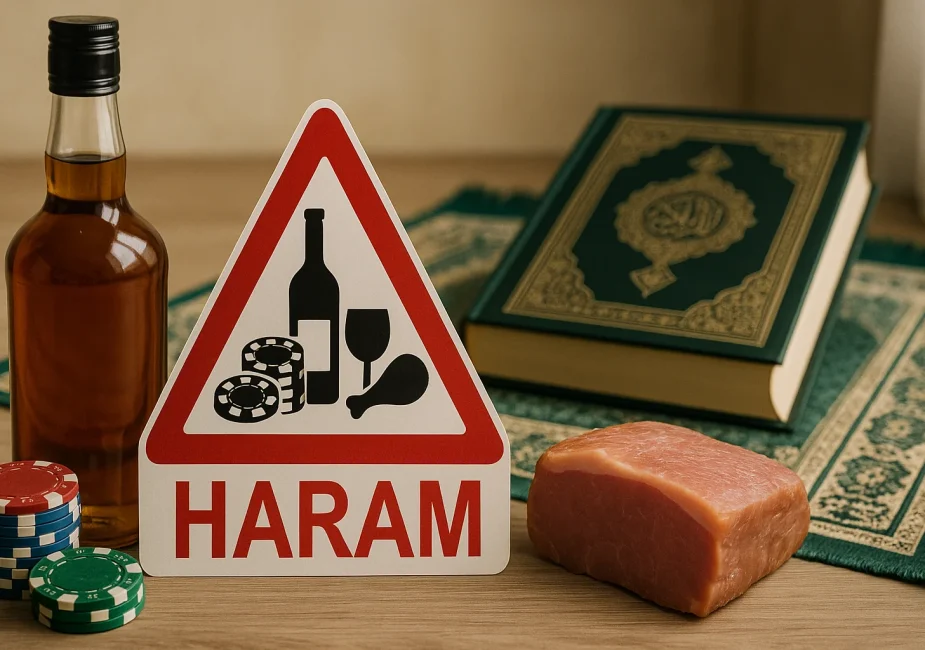
Have you ever wondered why certain things are considered absolutely off-limits in Islam? Whether it’s a specific food, a type of relationship, or even a business practice, the concept of haram shapes many aspects of a Muslim’s life.
In Arabic, haram means forbidden or unlawful, and it refers to actions that go against the teachings of the Qur’an and the Prophet Muhammad (peace be upon him). Understanding what is haram isn’t just about following religious rules, it’s about grasping the deeper purpose behind those prohibitions.
For Muslims, staying away from haram is a spiritual and ethical responsibility. By exploring this concept, you’ll gain insights into Islamic values and how they guide daily behaviour.
In this blog, we’ll explore the meaning of haram, the key differences between halal and haram, and clear examples of what is considered haram in Islam. This guide will help you understand the why, not just the what.
What Does Haram Mean in Islam?

The term haram carries deep weight and meaning in Islamic tradition. It comes from the Arabic root “h-r-m,” which is associated with prohibition, sanctity, and protection.
In its religious context, haram refers to anything that Allah has expressly forbidden in the Qur’an or through the teachings and actions of the Prophet Muhammad (peace be upon him), known as hadith.
These prohibitions are not arbitrary; they are grounded in divine wisdom and meant to protect individuals and society from moral, physical, and spiritual harm.
Haram is the opposite of halal, which means lawful or permissible. When something is deemed haram, engaging in it knowingly is considered a sin. These acts can range from specific behaviours to dietary choices, financial dealings, and even thoughts or intentions.
Interestingly, the word can also mean “sacred” in different contexts, such as al-Masjid al-Haram (the Sacred Mosque in Mecca), but in legal and ethical discourse, it firmly stands for what is forbidden.
In Islam, avoiding haram is not just about legal compliance. It’s a way of aligning your life with divine guidance, showing discipline, and reflecting your submission to Allah’s will.
What Is the Difference Between Haram and Halal?
Understanding the contrast between haram and halal is fundamental to Islamic living. Both terms define the moral and lawful framework within which a Muslim is expected to operate. Halal represents what is allowed by Allah, while haram refers to what is strictly prohibited.
This distinction goes beyond food and touches on every aspect of life. From the way you earn your money to how you treat others, knowing what falls under halal or haram guides your ethical and spiritual journey.
Here are some of the key contrasts between halal and haram:
| Category | Halal (Permissible) | Haram (Forbidden) |
|---|---|---|
| Food | Halal meat, fruits, vegetables | Pork, alcohol, carrion |
| Finance | Ethical trade, risk-sharing investments | Gambling, riba, interest-based loans |
| Behaviour | Truthfulness, humility, modesty | Gossip, lying, immodesty |
| Relationships | Legal marriage under Islamic law | Zina (adultery), premarital relations |
| Substance Use | Clean diet, medicinal use with supervision | Drugs, smoking, harmful intoxicants |
These guidelines are designed to help you lead a morally conscious and spiritually fulfilling life. Avoiding haram is not about restriction, but about elevating your way of living.
What Are Examples of Haram in Daily Life?

Understanding haram in theory is one thing, but recognising its presence in everyday life helps you navigate choices with awareness and responsibility. Below are common examples of haram across different areas of daily living.
Haram Foods and Drinks
The Qur’an and hadith provide clear dietary laws. Eating pork, consuming blood, or eating animals not slaughtered according to Islamic law are strictly forbidden. Alcohol and other intoxicants also fall under this category because they impair judgement and behaviour.
Additionally, carrion, or the flesh of dead animals not properly killed, is prohibited. Even halal food becomes haram if it’s prepared using alcohol or contaminated utensils. These laws aim to maintain physical health and spiritual purity.
Haram Financial Practices
Islamic finance forbids any form of riba, which is interest on loans. This includes taking or giving interest, which is common in conventional banking. Gambling, whether in casinos or online platforms, is also haram, as it encourages addiction and financial ruin.
Fraudulent business practices, hoarding, bribery, and investing in companies that sell haram products (like alcohol or pork) are all considered unlawful. The goal is to maintain fairness, transparency, and ethical trade.
Haram Behaviour and Ethics
Daily actions and speech matter deeply in Islam. Lying, gossiping, and backbiting are not just socially discouraged, they are spiritually harmful. These acts damage relationships and spread mistrust. Insulting others, spreading false information, or engaging in slander is haram.
Also, showing off wealth or achievements with the intention of gaining praise rather than pleasing Allah is frowned upon. Violence, oppression, and unjust treatment of people are equally forbidden, reinforcing Islam’s commitment to justice and compassion.
Haram in Relationships and Sexual Conduct
Islam values modesty and chastity. Any form of sexual activity outside of marriage is haram, including premarital sex, adultery, and inappropriate flirtation. Watching pornography or engaging in masturbation is discouraged as it detracts from purity and marital harmony.
For women, marrying a non-Muslim man is considered haram, whereas Muslim men may marry women from the People of the Book, though they are encouraged to guide their spouse towards Islam. Adultery, known as zina, is one of the gravest sins, often impacting families and communities.
Haram in Dress and Personal Presentation
Dress code in Islam is meant to promote modesty. For women, wearing tight, transparent, or highly decorative clothing that reveals body shape is haram. Men are not permitted to wear silk or gold, as these materials symbolise luxury that may lead to arrogance.
Cross-dressing is also forbidden. Tattoos, especially those done for decoration or rebellion, are considered altering the creation of Allah, and thus haram. Similarly, smoking is seen as harmful and wasteful, making it haram for its physical and financial damage.
Being aware of these examples empowers you to make informed and conscious decisions aligned with Islamic values. These aren’t just rules to follow, but principles that aim to guide a moral, respectful, and balanced lifestyle.
Why Is Something Considered Haram?
Things are considered haram in Islam for a reason, and those reasons are always rooted in divine wisdom. Allah does not forbid actions randomly.
Instead, prohibitions exist to protect your faith, your body, your relationships, and society as a whole. The Qur’an and the Sunnah outline these rules with the intent to guide humanity away from harm.
Here’s why certain acts are labelled haram:
- They cause physical or mental harm (e.g., drugs, alcohol).
- They corrupt morality and behaviour (e.g., gossip, adultery).
- They exploit others or create injustice (e.g., theft, fraud).
- They damage spirituality and faith (e.g., idolising people or objects).
Haram acts typically carry consequences in both this world and the hereafter. Recognising these reasons helps you to understand that avoiding haram is a step towards self-preservation, dignity, and a life aligned with divine guidance.
Can Intention Change Whether Something Is Haram?

Intention, or niyyah holds an important place in Islam. While haram remains haram regardless of your purpose, your accountability may change depending on your intent. If you engage in a forbidden act unknowingly or without the intent to disobey Allah, the sin may be less severe or even excused.
For example, if you accidentally consume haram food due to mislabelling or misinformation, it is not the same as doing so deliberately. Similarly, sincere repentance after knowingly committing a haram act can lead to forgiveness, as Allah is most merciful.
However, using good intentions as an excuse to justify sinful actions is not valid. You are encouraged to act with knowledge, sincerity, and a desire to stay on the right path.
How Can You Avoid Haram in Your Life?
Avoiding haram is not only possible, but also a key part of growing in your faith and character. While the world presents many temptations, Islam offers practical steps to help you steer clear of what’s forbidden.
Here are effective ways to stay away from haram:
- Learn the rules by studying the Qur’an and authentic hadiths.
- Ask qualified scholars when you’re unsure.
- Be mindful of your daily habits and decisions.
- Surround yourself with a like-minded, faith-driven community.
- Monitor your income, your speech, and your intentions regularly.
Avoiding haram is a conscious, daily choice. It helps you build discipline, self-awareness, and a life that brings you closer to Allah’s mercy and blessings.
Living Within Halal and Avoiding Haram
Living within the boundaries of halal and avoiding haram is about more than just following rules. It reflects your dedication to living an ethical and meaningful life. When you seek what is halal, you protect your body, mind, and soul, and contribute to a just and peaceful society.
This lifestyle promotes self-control, honesty, and kindness. By avoiding haram actions, you’re not just avoiding sin, you’re choosing a life of integrity.
The goal isn’t perfection but consistent effort and awareness. Every decision you make, what you eat, how you speak, how you earn, and how you love, becomes a chance to align with Allah’s will and seek His favour.
Conclusion
Understanding what is haram is essential for living a life that is not only pleasing to Allah but also beneficial to yourself and those around you. From food and finances to behaviour and relationships, haram guidelines help you stay away from harm and stay connected to spiritual and moral principles.
These rules are not meant to restrict your life but to elevate it. By learning about haram and striving to avoid it, you build a stronger, more ethical path for yourself. Choose what brings peace, health, and righteousness, choose what aligns with the teachings of Islam.
FAQs
What does haram mean in everyday life?
Haram refers to anything forbidden in Islam, including food, actions, or behaviours that go against Islamic teachings. It helps guide your daily decisions.
Is smoking considered haram in Islam?
Yes, smoking is considered haram because it harms your health and wastes money, both of which are discouraged in Islamic teachings.
Can Muslims unknowingly do something haram?
Yes, Muslims may commit haram unknowingly, but if it’s unintentional and done without knowledge, they are not held accountable in the same way.
Why is pork haram in Islam?
Pork is haram because it is considered impure and is explicitly forbidden in the Qur’an. Consuming it is a direct violation of Islamic dietary laws.
Is gambling always haram in Islam?
Yes, gambling is always haram in Islam due to its harmful effects on individuals, families, and financial responsibility.
Can intention make a haram act acceptable?
No, good intention cannot make a haram act halal, but intention can affect accountability and the possibility of forgiveness.
How can one seek forgiveness for a haram act?
You can seek forgiveness by sincerely repenting to Allah, feeling remorse, stopping the act, and intending never to return to it.



[…] who regard most musical instruments as haram argue that the wording is significant because the hadith places ma‘azif among things being […]