
St Lawrence College Ramsgate Closure Explained: What Happened?
 • April 10, 2026
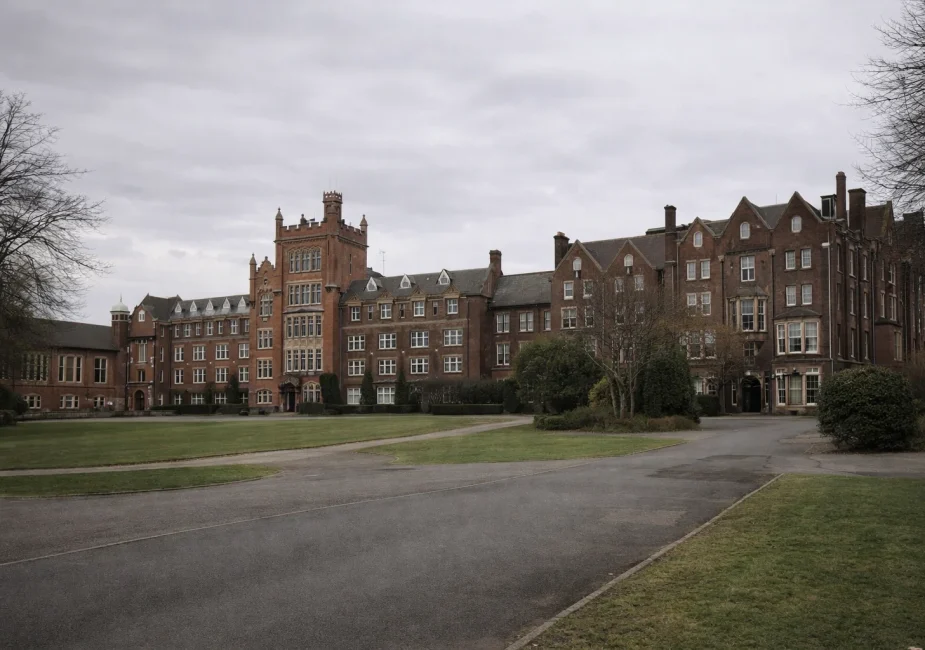
The St Lawrence College Ramsgate closure has left hundreds of families, pupils and staff facing sudden uncertainty after the historic Kent school entered administration on 8 April 2026.
The independent day and boarding school closed immediately for most pupils, with only Years 11 and 13 remaining in place until GCSE, BTEC and A-Level exams are completed.
Key facts about the crisis include:
- St Lawrence College entered administration after years of financial pressure
- Around 500 pupils have been affected
- 166 staff members were made redundant, while 44 remain temporarily
- Declining pupil numbers, VAT on school fees and rising costs were cited as major causes
- A proposed merger with Dover College collapsed after strong community opposition
The closure marks one of the most significant education stories in Kent this year.
Why Has St Lawrence College in Ramsgate Closed So Suddenly?

St Lawrence College in Ramsgate closed with immediate effect after governors confirmed that the school had entered administration. The decision came just days before pupils were expected to return after the Easter holidays, leaving many families shocked by the speed of events.
Administrators from FRP Advisory were appointed on 8 April 2026 after governors concluded there was no realistic way for the school to continue operating. The closure applies to all pupils except those in Year 11 and Year 13, who will remain at the school until they complete their summer examinations.
According to governors, the financial position had worsened to such an extent that continuing to operate would have risked an even more damaging collapse later in the year.
Graham Carter, Chair of Governors, said:
“This is an incredibly sad day for everyone connected with St Lawrence College. We explored every possible option to secure the school’s future.”
Key Fact Details
Date administration confirmed 8 April 2026
Total pupil capacity Around 500
Staff made redundant 166
Staff retained temporarily 44
Year groups still attending Years 11 and 13
Administrators appointed Philip Watkins and Philip Armstrong, FRP
What Is St. Lawrence College, and Why Is Its Closure So Significant?
Founded in 1879, St Lawrence College has been one of Ramsgate’s best-known independent schools for nearly 150 years. Originally established as South Eastern College before changing its name in 1906, the school educated children aged three to 18 and had around 175 boarders.
The St Lawrence College Ramsgate closure is particularly significant because of the school’s long-standing role in the Thanet community. Generations of local families attended the school, while its facilities were regularly used by local groups and organisations.
The college also represented a substantial local employer. The loss of 166 jobs has created wider economic consequences in Ramsgate beyond the immediate impact on pupils and parents.
For many families, the closure feels like the end of a local institution rather than simply the closure of a school.
What Financial Problems Led to the St Lawrence College Ramsgate Closure?

St Lawrence College had been experiencing financial difficulties for several years before entering administration. Charity Commission filings showed the school recorded deficits of more than £1 million in both 2023 and 2024.
Falling Pupil Numbers and Revenue
The most significant issue was a sustained decline in pupil numbers. Governors confirmed that fewer children were enrolling at the school, while the number of boarding pupils also fell sharply. Since boarding students paid the highest fees, this created a major reduction in revenue.
The school had capacity for around 500 pupils, but was reportedly operating significantly below that figure by 2026. International student numbers also dropped following the pandemic, removing another important source of income.
Rising Costs and Long-Term Deficits
At the same time, St Lawrence College was dealing with sharply increasing costs.
These included:
- Higher staff and operating costs
- Increased utility and maintenance expenses
- Rising National Insurance contributions
- The loss of charitable reliefs and tax advantages
The school’s reported deficit reached £1,327,353 in the year ending August 2024. Governors warned staff in mid-2025 that further redundancies and major savings would be necessary to avoid a cash shortfall.
Financial Pressure Impact on School
Falling pupil numbers Lower fee income
Reduced boarding enrolment Loss of highest-paying students
Rising operational costs Increased spending pressures
VAT on fees Higher cost for parents
Ongoing annual deficits Unsustainable finances
Ultimately, these combined financial pressures made the school’s position unsustainable, leaving administration and closure as the only viable outcome.
Did VAT on Private School Fees Contribute to the Administration Crisis?

The introduction of VAT on private school fees in January 2025 added further strain during the St Lawrence College administration crisis.
Governors confirmed that the 20% VAT increase made attendance significantly more expensive, particularly for boarding pupils paying over £17,000 per term, at a time when families were already dealing with rising living costs.
Former MP Craig Mackinlay said the closure was “an absolute tragedy caused by the burden of VAT and wider business rate pressures on independent schools.”
However, financial difficulties had existed long before VAT was introduced, including falling pupil numbers and repeated deficits.
While VAT was not the sole cause, it is widely seen as the tipping point that accelerated the school’s financial collapse.
Could the St Lawrence College Ramsgate Closure Have Been Prevented?
Before the decision to enter administration, governors attempted several measures to save the school. These included a detailed review of spending, staff restructuring, and discussions with potential investors and merger partners.
Efforts Made by Governors
Over the previous year, the school explored several possible rescue options:
- Significant reductions in expenditure
- Staff redundancies and restructuring
- Marketing the school to potential buyers
- Discussions with investors and merger partners
- A possible sale of the school’s business and assets
Governors later confirmed that none of these options produced a sustainable solution. A final rescue deal was reportedly close to completion in early April 2026, but it collapsed at the last moment.
Although details remain confidential, the failure of that deal appears to have directly triggered the decision to enter administration.
Why Did the Proposed Merger with Dover College Collapse?
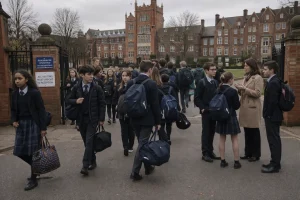
The proposed merger between St Lawrence College and Dover College was seen as a potential rescue plan. It aimed to close the Ramsgate site and create a new school under the Repton Family of Schools, preserving the school’s identity while continuing education elsewhere.
However, the plan faced strong opposition. Parents, pupils, and local residents criticised the lack of consultation and raised concerns about relocating students.
Many believed moving to Dover would disrupt education and weaken the Ramsgate community, ultimately leading to the collapse of the proposal.
Why Parents Opposed the Merger?
Parents and campaigners objected to the merger for several reasons:
- The Ramsgate site would close permanently
- Pupils would have to travel much further
- Families felt they had not been properly consulted
- Community facilities would be lost
- There was uncertainty over staffing and continuity
After weeks of protests and petitions, governors halted the merger in March 2026. In hindsight, that decision may have removed the final opportunity to keep the school operating in some form.
Who Has Been Affected by the St Lawrence College Ramsgate Closure?
The St Lawrence College Ramsgate closure has affected far more than the school itself. Nearly 500 pupils, 166 staff members and hundreds of parents are now dealing with the consequences.
One parent described the situation as “catastrophic,” explaining how they were suddenly forced to search for alternative school places before the next term.
One Year 10 pupil reportedly said:
“We came back from holiday expecting to see our friends after Easter, then suddenly found out there would be no school to return to. We never got the chance to say goodbye.”
For boarders, the situation has been especially difficult. Some families are still waiting for information about belongings left at the school, while others remain uncertain about whether fees already paid in advance can be recovered.
Staff have also been left in a difficult position. Many learned they had lost their jobs during a video call and were told to apply to the Redundancy Payments Service.
One long-serving member of staff explained:
“Most of us knew the finances were difficult, but nobody expected the school to shut overnight. People are worried about wages, pensions and what happens next.”
What Happens to Pupils and Staff After St Lawrence College Entered Administration?
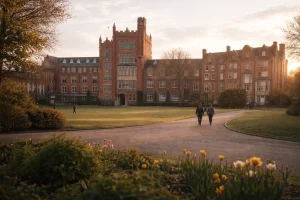
Following the closure of St Lawrence College, most pupils have been affected, but arrangements are in place for exam-year students. Year 11 and Year 13 pupils will continue their studies, supported by 44 staff members who remain temporarily until the academic year ends.
Local authorities are stepping in to support families. Kent County Council has confirmed that parents can apply for new school places through the in-year admissions process, while other schools are offering support.
Current support includes:
- Alternative school placements through local admissions
- Independent schools offering places to affected pupils
- Support for Year 6 pupils at Wellesley Haddon Dene
East Thanet MP Polly Billington said:
“My priority now will be working with Kent County Council and the Department for Education to ensure students’ education is not interrupted.”
For staff, FRP administrators are overseeing claims through the Redundancy Payments Service. Employees may also be able to claim unpaid wages, holiday pay and statutory redundancy.
What Does the St Lawrence College Administration Crisis Mean for Independent Schools Across the UK?
The closure of St Lawrence College highlights growing challenges across the UK’s independent school sector. Many schools are facing declining pupil numbers, rising operational costs, and increasing financial uncertainty, making sustainability more difficult than before.
Independent schools rely heavily on fee income, but pressures such as inflation, VAT on fees, and higher staff costs have tightened margins.
Smaller schools, particularly outside London, are more vulnerable due to limited reserves and reliance on boarding or international students.
Education analysts suggest that if these trends continue, more schools could face similar difficulties, making this crisis a warning sign for the wider sector rather than an isolated event.
What Happens Next for the St Lawrence College Ramsgate Site and Community?
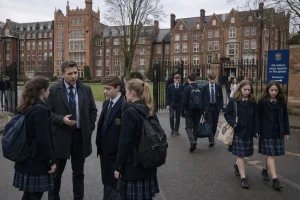
The future of the St Lawrence College site now rests with the joint administrators at FRP Advisory. They will assess whether the school can be sold, transferred to another education provider, or repurposed for a different use.
While campaigners remain hopeful, any revival would require significant investment and agreement from creditors.
Possible next steps include:
- Sale of the site to a new education provider
- Partial or full redevelopment of the land
- Community-led efforts to revive the school
For Ramsgate, the closure leaves a gap not just in education but also in local employment and community life. Whatever happens next, the impact is likely to be long-lasting.
Conclusion
The St Lawrence College Ramsgate closure followed years of financial pressure, falling enrolment and unsuccessful rescue attempts.
Although VAT on private school fees may have accelerated the crisis, the school’s difficulties had been building for some time.
With nearly 500 pupils affected and 166 staff losing their jobs, the closure has had a profound impact on Ramsgate and the wider Kent community.
Attention now turns to helping families secure new school places and deciding the future of the historic site.
FAQs About St Lawrence College Ramsgate Closure
Why did St Lawrence College in Ramsgate close?
The school closed after entering administration due to falling pupil numbers, rising costs and long-term financial difficulties.
When did St Lawrence College enter administration?
St Lawrence College officially entered administration on 8 April 2026.
Which pupils are still attending St Lawrence College?
Only Year 11 and Year 13 pupils remain at the school so they can complete their exams.
How many staff lost their jobs?
A total of 166 staff members were made redundant, while 44 remain temporarily.
Who are the administrators handling the case?
Philip Watkins and Philip Armstrong from FRP Advisory were appointed as joint administrators.
Can parents apply for a state school place?
Yes. Kent County Council has confirmed that parents can apply through the in-year admissions process.
Could St Lawrence College still reopen?
There is a small possibility if a buyer or rescue plan emerges, but no confirmed proposal currently exists.