Royal Mail Confirms First-Class Stamp Price Hike to £1.80: Why the Rise and When It Starts?
 • March 7, 2026
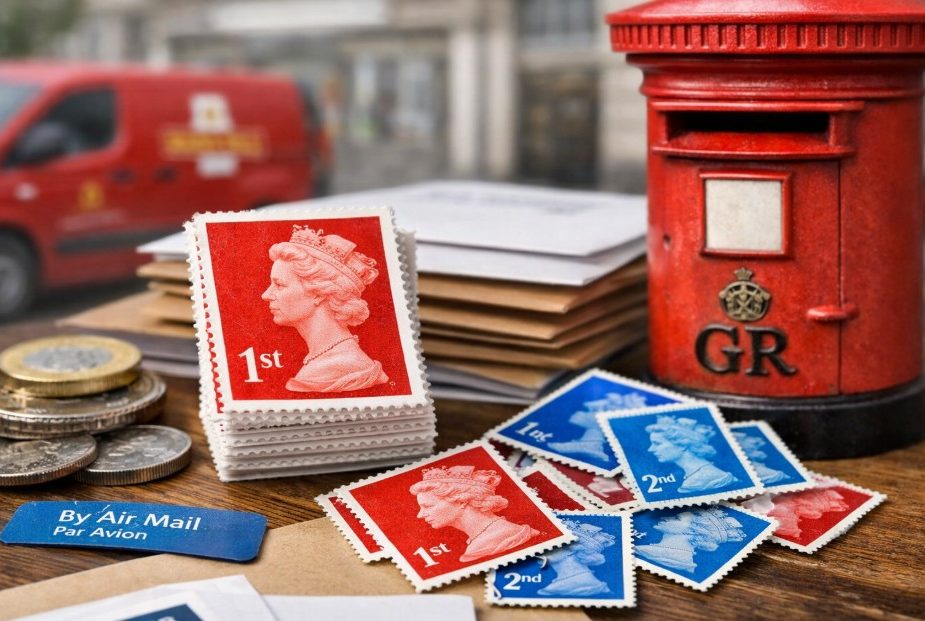
📮 ROYAL MAIL STAMP PRICE UPDATE 2026
Latest Announcement: Royal Mail has confirmed that UK stamp prices will increase again from 7 April 2026, raising the cost of sending letters nationwide.
📬 First-Class Stamp
New Price: £1.80
Increase: +10p
📮 Second-Class Stamp
New Price: 91p
Increase: +4p
⚠️ Important: Stamps marked with “1st” or “2nd” remain valid after the price increase, so buying before April may help save money.
Quick Facts:
- Effective Date: 7 April 2026
- Reason for Increase: Rising delivery costs and fewer letters being sent
- Addresses Served: Around 32 million across the UK
- Consumer Tip: Consider buying stamps before the new prices take effect
What Are the Latest Royal Mail Stamp Prices Announced for 2026?
Royal Mail has confirmed that both first-class and second-class stamps will become more expensive in April 2026. The increase represents the latest adjustment in a series of price changes implemented over recent years.
The updated postage costs are shown below:
| Stamp Type | Previous Price | New Price (From 7 April) | Increase |
|---|---|---|---|
| First-Class Stamp | £1.70 | £1.80 | +10p |
| Second-Class Stamp | 87p | 91p | +4p |
The changes mark the seventh stamp price increase since 2021, highlighting the rapid transformation of postal economics in the UK. For many consumers, the sharp rise has become increasingly noticeable, particularly when sending greeting cards, documents, or business correspondence.
Royal Mail has emphasised that the adjustment reflects ongoing financial pressures associated with delivering letters nationwide. According to the company, operating a universal postal service that reaches every address in the UK continues to involve significant logistical costs.
Richard Travers, Managing Director of Letters at Royal Mail, explained the decision in a statement:
“We always consider price changes very carefully, balancing affordability with the rising cost of delivering mail.”
Despite the increase, the company maintains that UK postage remains competitive compared with other European countries.
When Will the New Royal Mail Stamp Prices Come into Effect?
The new Royal Mail stamp prices will take effect on 7 April 2026. From this date, stamps bought at the current price will effectively cost less than the new rates. This gives households and businesses a short period to purchase stamps before the increase.
Stamps that show only the postage class, such as “1st” or “2nd,” remain valid even after prices rise, so customers can continue using them without paying extra.
The change follows Royal Mail’s regular review of postal pricing, which considers operating costs, regulations, and declining letter volumes.
Despite the price increase, Royal Mail will continue to provide nationwide delivery under the UK’s universal service obligation.
Why Is Royal Mail Increasing Stamp Prices Again?
While the increase in Royal Mail stamp prices may appear sudden, the decision reflects several structural challenges facing the postal industry. Rising delivery costs and a sharp decline in letter volumes have made it increasingly difficult to sustain the nationwide postal network.
Rising Cost of Delivering Letters
Royal Mail states that the main reason for the increase in stamp prices is the growing cost of delivering letters across the country. Maintaining a nationwide network of postal workers, transport infrastructure, sorting facilities, and delivery routes requires substantial investment.
Fuel prices, labour costs, and operational expenses have all contributed to the pressure on the postal service. Delivering letters to every address in the UK – from remote rural areas to large cities, means that Royal Mail must maintain an extensive logistical network even as letter volumes decline.
Falling Letter Volumes
One of the most significant challenges facing Royal Mail is the dramatic decline in letter usage. Over the past two decades, digital communication has replaced many traditional forms of correspondence.
Key trends influencing the decline include:
- Increased use of email and messaging platforms
- Digital billing and online statements
- Businesses shifting towards paperless communication
- Government services moving online
Royal Mail estimates that 70% fewer letters are sent today than 20 years ago, yet the company must still maintain its nationwide delivery network.
This imbalance between declining demand and fixed operating costs is one of the primary drivers behind rising Royal Mail stamp prices.
How Much Have Royal Mail Stamp Prices Increased Over the Years?
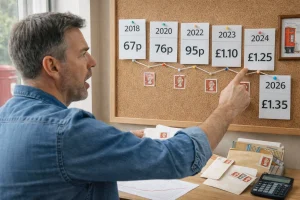
The growth in Royal Mail stamp prices over the past decade has been significant. While gradual increases have always occurred, recent rises have been more frequent and substantial.
The table below highlights the upward trend in first-class stamp prices:
| Year | First-Class Stamp Price |
|---|---|
| 2015 | 63p |
| 2020 | 76p |
| 2022 | 95p |
| 2024 | £1.35 |
| 2026 | £1.80 |
This progression shows that the price of a first-class stamp has nearly tripled since 2015. In fact, the cost has increased by around 137% since 2020, making it one of the most dramatic price shifts in the history of the UK postal system.
Several factors have influenced this trend, including declining letter volumes, rising delivery costs, and broader changes within Royal Mail’s business model as it increasingly focuses on parcel logistics.
Why Are Consumer Groups Criticising the Latest Stamp Price Rise?
Despite Royal Mail’s explanation for the price increase, consumer organisations have expressed strong concerns. Critics argue that rising Royal Mail stamp prices are occurring at the same time as ongoing delivery performance issues.
Citizens Advice has been particularly vocal, warning that customers are paying more while experiencing declining reliability. Delays in postal deliveries have been widely reported, particularly for important documents such as medical appointments and financial correspondence.
Anne Pardoe, Head of Policy at Citizens Advice, commented:
“The price of stamps can’t be treated as a dial that is turned up without a clear justification for consumers, forcing people to dig deeper into their pockets for a failing service.”
Such criticism reflects growing frustration among consumers who rely on the postal system for essential communication. For many people, especially those who are less digitally connected, postal delays can have significant consequences.
What Role Has Ofcom Played in Royal Mail’s Pricing and Service Changes?
Ofcom, the UK’s communications regulator, plays a central role in overseeing Royal Mail’s operations and ensuring that the company meets its universal service obligations.
Regulatory Oversight
Ofcom monitors Royal Mail’s delivery performance and sets standards for how quickly letters must be delivered. These standards are designed to ensure that the postal service remains reliable for the public.
However, Royal Mail has struggled to meet some of these targets in recent years.
Fines and Enforcement
The regulator has taken action against the company after repeated performance issues.
For example:
- Royal Mail was fined £21 million for missing delivery targets.
- The company has faced multiple penalties in recent years due to service failures.
- Regulators have required Royal Mail to produce plans to improve reliability.
Ian Strawhorne, Director of Enforcement at Ofcom, stated:
“Millions of important letters are arriving late, and people aren’t getting what they pay for when they buy a stamp.”
These regulatory interventions highlight the ongoing tension between rising costs and the need to maintain reliable service standards.
How Has Royal Mail’s Delivery Performance Affected Public Trust?
Delivery performance has become a key issue shaping public perception of Royal Mail. Over the past few years, reports of delayed mail have become increasingly common, affecting both individuals and businesses.
For households, delayed post can mean missing critical information such as medical appointments, legal notices, or banking documents. For businesses, late deliveries may disrupt contracts, billing processes, and customer communication.
Royal Mail has acknowledged that its performance has not always met expectations. Chief Executive Alistair Cochrane previously admitted that the company’s delivery results were “still not good enough.”
The problem has been compounded by workforce challenges, operational changes, and the ongoing transition toward a parcel-focused logistics model. As a result, rebuilding consumer confidence remains a major priority for the organisation.
How Do UK Royal Mail Stamp Prices Compare with Europe?
Although Royal Mail stamp prices have increased significantly, the company argues that UK postage remains relatively affordable compared with other European countries.
| Region | Average First-Class Stamp Price |
|---|---|
| United Kingdom | £1.80 |
| European Average | £1.93 |
| Second-Class European Average | £1.56 |
According to Royal Mail, even after the April increase, UK stamp prices remain slightly below the European average. The company uses this comparison to support its claim that the postal service continues to provide value for money.
However, critics argue that comparisons with other countries do not fully reflect differences in service performance or delivery reliability.
What Does the Stamp Price Increase Mean for UK Households and Businesses?
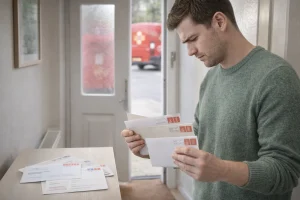
For many people in the UK, the impact of rising Royal Mail stamp prices will depend on how frequently they send letters. While some households now rely mostly on digital communication, others continue to use postal services regularly.
Those most affected may include:
- Small businesses sending invoices or documents
- Individuals posting greeting cards and personal letters
- Organisations that rely on traditional mail communication
- Older residents who prefer postal correspondence
Even though the average UK adult spends only around £6.50 per year on stamps, according to Royal Mail estimates, the cumulative effect of repeated price rises has made postal costs more noticeable.
Businesses that rely heavily on physical mail may need to adjust their budgets or consider alternative delivery options.
Should You Buy Royal Mail Stamps Before the Price Increase?
With Royal Mail stamp prices set to rise again, many consumers are considering whether it makes sense to buy stamps before the increase takes effect.
Financial experts often recommend purchasing stamps in advance when price rises are announced, particularly because most modern stamps remain valid after the change.
Money Saving Expert founder Martin Lewis has previously advised consumers to consider stocking up if they regularly send mail.
“Every time stamps go up in price, I suggest people bulk-buy in advance. If the stamp just shows the postage class rather than a printed value, it remains valid even after the price increase.”
For households that send Christmas cards, invitations, or business correspondence, buying stamps early can provide small but useful savings.
However, for people who rarely send letters, the financial benefit may be relatively minor.
Conclusion
The recent rise in Royal Mail stamp prices highlights changes in the UK postal system as letter volumes decline and operating costs grow.
While Royal Mail says the increase helps maintain its universal service, critics argue delivery performance must improve first. With ongoing scrutiny from Ofcom and consumer groups, postal pricing will remain debated.
The April price change marks another shift, making it important for individuals and businesses to understand rising communication costs.
FAQs About Royal Mail Stamp Prices
Can you still use old first-class stamps after the price increase?
Yes. Stamps that display only the postage class (such as “1st” or “2nd”) remain valid even after Royal Mail increases stamp prices.
Do stamp price changes affect online postage labels?
Online postage services may update their pricing immediately when changes take effect, meaning the new rates will apply automatically.
Why are fewer letters being sent in the UK today?
Digital communication, including email, online banking, and electronic billing, has significantly reduced the need for traditional postal letters.
How many addresses does Royal Mail currently deliver to?
Royal Mail delivers mail to approximately 32 million addresses across the UK, a number that has increased in recent years.
Is second-class post still delivered six days a week?
Regulatory changes have allowed Royal Mail to reduce some second-class delivery commitments as part of universal service reforms.
How often does Royal Mail review postage prices?
Royal Mail typically reviews postage prices annually, considering operational costs, market conditions, and regulatory requirements.
Are parcel delivery prices affected by stamp increases?
Stamp price increases generally apply to letter postage, while parcel prices are reviewed separately depending on size, weight, and delivery speed.