
NCP Car Parks Enters Administration in 2026: What Happened to Britain’s Biggest Car Park Operator?
 • March 17, 2026
Business Update
NCP Car Parks Enters Administration in 2026
What the collapse of the UK’s largest car park operator means for employees, customers, and local councils.
Jobs at Risk
Car Parks Nationwide
Debts
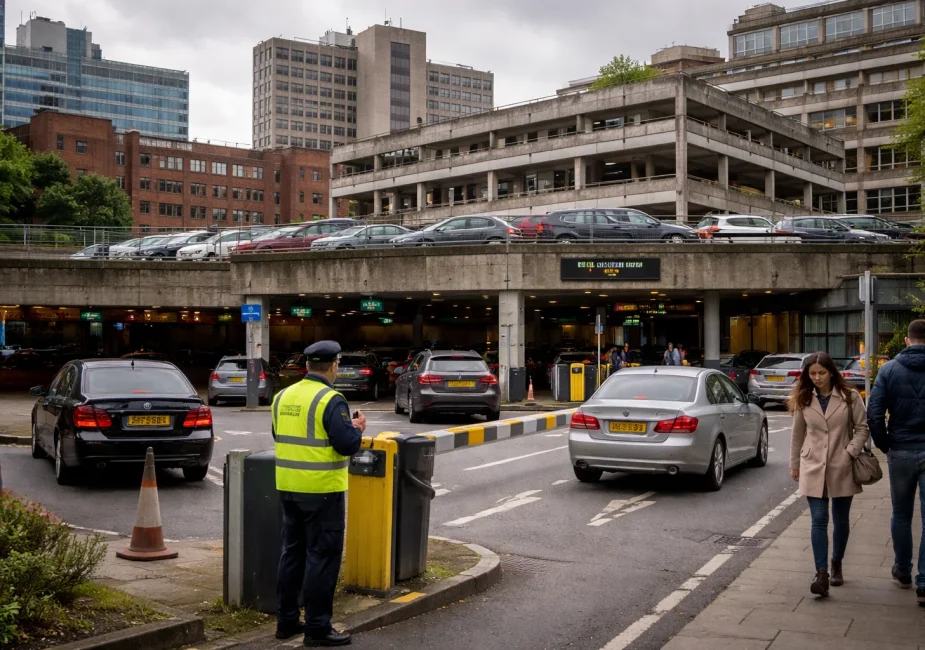
The UK’s largest car park operator, NCP, has entered administration in 2026. PricewaterhouseCoopers (PwC) has been appointed as joint administrators to manage operations, engage stakeholders, and explore options for the future. All sites remain operational, and staff continue in their roles during this process.
“Our priority is to ensure continuity of service while reviewing the business.” – PwC
Local councils, like Bolton, play a key role in NCP’s operations. Many council-owned sites are safe from immediate closure, and debt write-offs during the pandemic have helped stabilise operations. Councils may also take over or reassign car parks if required in the future.
“We are in close discussion with NCP and will inform the public of any changes.” – Bolton Council
Insight
The administration highlights the effects of post-COVID commuter changes, rising costs, and structural challenges on even long-established companies like NCP.
“PwC will continue to operate NCP car parks while exploring the best outcome for employees, customers, and creditors.”
Who Is NCP Car Park?
National Car Parks, commonly known as NCP, is the largest car park operator in the United Kingdom.
Founded in 1931 by Frederick Lucas in West London, the company began as a small venture addressing the need for organised urban parking. Over time, NCP expanded rapidly, acquiring sites and evolving into a nationwide brand.
Today, NCP operates around 340 car parks across city centres, airports, hospitals, and transport hubs, becoming a familiar presence for UK drivers.
The company has been owned by Park24 since 2017, following earlier ownership by major private equity firms.
Despite its strong market position, NCP has recently faced financial challenges, ultimately leading to its entry into administration in 2026.
Why Has NCP Gone into Administration in 2026?

The administration of NCP marks a significant moment in the UK parking sector. Multiple factors contributed to its collapse:
- Decline in post-pandemic parking demand: Even as restrictions lifted, commuter numbers and city-centre footfall did not return to pre-COVID levels. Many office workers now work remotely, reducing the need for long-term parking.
- High operating costs: Rising energy prices, inflation, and the financial strain from inflexible long-term leases made it increasingly difficult for NCP to balance revenues against fixed costs.
- Structural losses: Despite attempts at expansion and new car park developments, the company struggled to generate sustainable profits.
Zelf Hussain, joint administrator at PwC, stated:
“NCP has faced a challenging trading environment over several years, with changing consumer behaviours impacting volumes, and a high fixed cost-base leading to trading losses.”
Even cost-cutting measures and workforce restructuring were unable to reverse the structural deficits, leaving the company with insufficient cash to meet its financial obligations.
How Many Jobs Are at Risk Because of NCP Administration?
The human impact of NCP’s administration is considerable. Currently, 682 jobs are at risk across the UK, spanning employees in corporate offices and car park operations. These positions are spread over NCP’s extensive network of 340 sites.
In a statement regarding employee welfare, PwC said:
“All sites are open, staff remain in post, and trading continues as normal. We will be engaging with landlords, employees, and other stakeholders as we explore all options.”
A warehouse-based parking attendant from Bolton, speaking anonymously, shared:
“It’s unsettling knowing that our jobs might be at risk, but management has been transparent so far, and operations are still ongoing. We hope a buyer can stabilise things soon.”
Councils and local authorities are also closely monitoring the situation, particularly in areas where they own the land on which NCP car parks operate, ensuring minimal disruption to communities.
What Is the Financial Position of NCP Car Parks?

NCP’s financial struggles are stark. According to filings from its parent company, debts exceeded assets by £305 – 352 million by late 2025.
Persistent annual losses compounded the problem:
| Financial Metric | Value |
|---|---|
| Total debts | £305–352m |
| Annual loss 2022 | £26.7m |
| Annual loss 2023 | £27.5m |
| Number of employees | 682 |
| Car park sites | 340 |
Key Financial Challenges
Several structural issues contributed to NCP’s weak financial position:
- Inflexible leases: Long-term rental agreements on multiple sites prevented cost reductions, even on underperforming locations.
- Post-COVID demand slump: City-centre and commuter site occupancy remained low, while flexible working reduced daily parking revenue.
- Rising operational costs: Energy price hikes, inflation-linked rent obligations, and ongoing investments in new developments increased expenditure beyond sustainable levels.
Efforts to Stabilise Revenue
Despite these challenges, NCP pursued various strategies to maintain profitability:
- Launching new car park developments to boost revenue.
- Implementing cost-cutting measures, including staff restructuring and operational efficiency programs.
- Exploring opportunities to sell portions of the business to investors.
However, these steps were insufficient to offset the structural losses, leading the board to initiate administration.
How Is the Administration Process Being Managed by PwC?
PricewaterhouseCoopers (PwC) has been appointed as joint administrators for NCP, with Zelf Hussain leading alongside colleagues Rachael Wilkinson and Toby Banfield.
The administrators are tasked with stabilising operations while evaluating options to secure the best outcome for creditors.
Key measures include:
- Ensuring all car parks remain operational during the process.
- Maintaining staff employment to preserve service continuity.
- Engaging with landlords, creditors, councils, and other stakeholders.
PwC is exploring the potential sale of all or part of NCP, reviewing each location’s viability, which may lead to selective closures.
The aim is to balance the company’s obligations to creditors while minimising disruption to communities and employees.
What Is the Impact on Local Councils and Communities?

Local councils are directly affected by NCP’s administration, particularly where they own the land or buildings on which car parks operate. In towns such as Bolton, this ownership structure means closures are unlikely in the immediate term.
Councils are actively engaging with administrators to ensure parking services remain uninterrupted for local residents and commuters.
Key points include:
- Debt write-offs: In response to financial challenges during the COVID-19 pandemic, Bolton Council agreed to write off around £1.2–1.5 million in debt owed by NCP. This step was designed to protect local services and stabilise relationships with the operator.
- Potential council takeover: Should NCP sell or close sites in the future, councils have the option to either take over operations directly or appoint alternative private operators. This ensures that essential car parks, such as those near hospitals and transport hubs, remain accessible.
Council spokesperson:
“We are in close discussion with NCP and the public will be informed if there is any change to car parks in Bolton.”
Communities benefit from the administrators’ focus on continuity, which mitigates the impact of any potential closures and maintains access to critical parking infrastructure.
This approach ensures that local services, particularly in high-demand urban areas, remain reliable during a period of financial uncertainty.
How Does This Affect Customers and Daily Parking?
For everyday drivers, the short-term impact of NCP entering administration is relatively limited. Car parks remain open, and daily operations continue uninterrupted.
However, the uncertainty surrounding the company’s future has raised questions among customers about pricing and accessibility.
Parking charges vary depending on location:
- In central London, a full 24-hour stay can cost up to £60.
- In other major cities such as Manchester, daily rates are approximately £33.
Other considerations for customers include:
- Ongoing enforcement of parking rules and penalties remains in effect.
- Some sites may undergo changes in the future, particularly if unprofitable locations are closed or sold.
- Continuity of service is a priority, especially in areas with high commuter traffic or near transport hubs.
Some customers have expressed concern over uncertainty, but PwC has emphasised that current parking availability and operations remain unchanged during administration.
What Could Be the Future of NCP Car Parks?
The future of National Car Parks (NCP) depends largely on the outcome of PwC’s administration process and discussions with potential buyers.
Several scenarios are being considered, including a full sale of the business to a new investor to stabilise operations, or a partial sale of profitable and strategically important sites to generate revenue while reducing liabilities. Some underperforming locations may also face closure to cut ongoing losses.
The wider UK parking sector could feel the impact, with smaller operators gaining expansion opportunities and local councils potentially stepping in to manage key parking assets.
These developments are likely to shape pricing, accessibility, and parking management across UK cities in the coming years.
How Did NCP Evolve from Its Founding to Today?

NCP has a long and complex history, demonstrating how shifts in the market and operational structure can impact even well-established companies:
- 1931: Founded by Colonel Frederick Lucas in West London, addressing growing urban parking needs.
- 1959: Acquired by Central Car Parks, marking the beginning of nationwide expansion.
- 2002–2011: Ownership passed through private equity firms Cinven and 3i, followed by Macquarie, which significantly leveraged the company with debt.
- 2017: Sold to Japanese parent company Park24 and the Development Bank of Japan, focusing on international investment and modernisation.
- 2026: Entered administration due to post-COVID shifts in parking demand, rising operational costs, and persistent structural losses.
This history highlights NCP’s growth from a small London-based operation to the largest car park operator in the UK, as well as the challenges of managing large-scale infrastructure in a changing economic and social environment.
NCP Ownership Timeline
| Year | Owner/Change |
|---|---|
| 1931 | Founded by Colonel Frederick Lucas |
| 1959 | Acquired by Central Car Parks |
| 2002 | Ownership by Cinven and 3i (private equity) |
| 2011 | Owned by Macquarie (infrastructure fund) |
| 2017 | Acquired by Park24 & Development Bank of Japan |
| 2026 | Entered administration |
Understanding this evolution provides context for the current administration and the systemic challenges faced by NCP in maintaining profitability while managing thousands of parking spaces across the country.
Conclusion
The administration of NCP Car Parks represents a landmark event in the UK parking industry. With nearly 700 jobs at risk, debts exceeding £350 million, and structural losses persisting post-pandemic, the company’s future will hinge on strategic decisions by PwC and potential investors.
While employees and customers can expect continuity in the short term, the long-term landscape may involve site closures, sales, and operational restructuring.
NCP’s journey from a small West London operation in 1931 to the country’s largest car park operator underscores the challenges even established firms face when external forces, such as global pandemics and market shifts, collide with rigid operational structures.
FAQs About NCP Car Parks Administration
What does administration mean for private car park operators in the UK?
Administration is a legal process that protects a company from creditors while administrators attempt to restructure, sell, or wind down the business.
Will NCP customers notice immediate changes in service?
No. All car parks remain open, staff continue working, and day-to-day operations continue as usual.
How long is PwC likely to manage NCP during administration?
The duration depends on negotiations with buyers, creditor resolutions, and site viability assessments, which could take several months.
Could NCP administration affect parking prices in the UK?
Prices are unlikely to change immediately, but closures or sales to private operators may influence local charges in the long term.
What role does Park24 play during administration?
Park24, as the parent company, provides oversight and supports PwC administrators in finding the best outcomes for creditors.
Are other UK parking operators facing similar financial challenges?
Yes. Several smaller operators have struggled with post-pandemic demand shifts, rising costs, and inflexible lease agreements.
How will creditors and landlords be affected by NCP entering administration?
Creditors may receive partial repayments depending on asset sales, and landlords may negotiate new leases or take over properties if closures occur.