
Nationwide Customer Letter Warning – Why UK Households Are Receiving Official Mail?
 • December 29, 2025
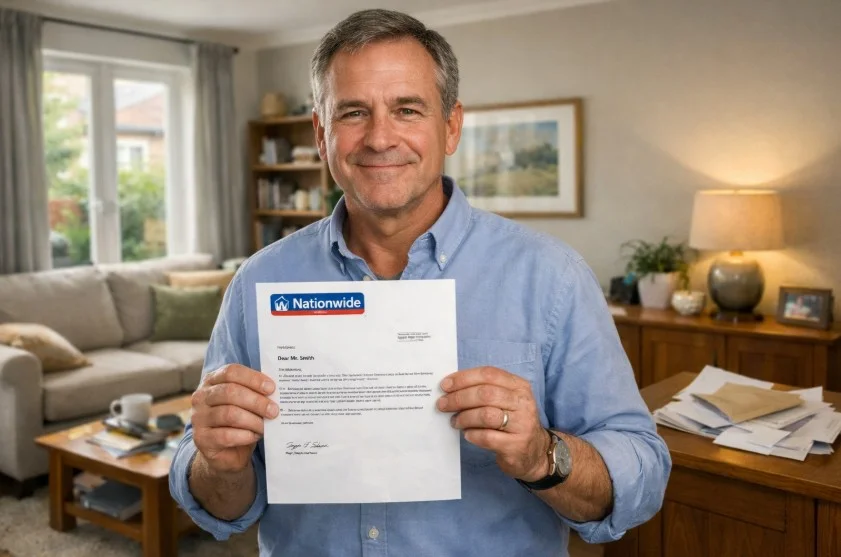
Unexpected letters from your bank often spark concern, and for good reason. Nationwide Building Society customers across the UK have recently received unannounced letters through the post, leaving many wondering if they’re genuine, scam-related, or important to act upon.
The answer: some of these letters are legitimate, relating to the £50 “Fairer Share” reward, while others are fraudulent, aiming to deceive customers through cleverly disguised scams. Here’s what you need to know.
Key points:
- Nationwide is issuing legitimate letters and payments to qualifying members.
- Some letters in circulation are scams, impersonating the building society.
- Members should act before 1 January 2026 to avoid missing out on rewards.
- It’s essential to verify any postal or email communications claiming to be from Nationwide.
What Is the Nationwide Customer Letter Warning All About?
Nationwide Building Society, one of the UK’s largest financial institutions, has issued multiple statements regarding letters sent to customers. Some of these letters are part of their £50 “Fairer Share” reward, distributed to millions of qualifying members. These communications aim to notify recipients of the payment or inform them of the need to update their details.
However, alongside these genuine messages, scam letters have emerged, falsely claiming to represent Nationwide. These fake communications promote suspicious investment offers, often styled to appear credible, leading to confusion among customers.
The growing mix of real and fake letters prompted a formal warning from Nationwide, encouraging customers to verify all correspondence.
Why Did Nationwide Send Letters Offering £50 to Certain Members?

Nationwide’s £50 payment initiative was designed as a thank-you gesture to its members. Customers who held an active Nationwide membership on 30 September 2024 and met specific account activity criteria were considered eligible.
These payments, part of the society’s commitment to reward loyalty, were either deposited directly into accounts or sent via cheque. The intent was simple: reward members who contributed to the mutual success of the society. While most customers were informed via app notifications or email, letters were also used, especially when contact information was incomplete or outdated.
Who Qualified for the £50 Reward?
- Held Nationwide membership on or before 30 September 2024.
- Continued membership when the payment was processed.
- During the preceding 12 months, met any one of these:
- Maintained a £100+ balance across savings or current accounts.
- Carried at least £100 in home loan debt.
- Completed a qualifying transaction through a current or savings account.
This initiative was widely appreciated, but it also inadvertently became the entry point for scammers, who took advantage of the public attention surrounding it.
Who Is Eligible for Nationwide’s £50 Member Payment and Why?
To be eligible for this reward, a customer had to fulfil a combination of membership status and financial engagement criteria.
Eligibility Breakdown Table:
| Criteria | Requirement |
|---|---|
| Membership Status | Active member on 30 September 2024 |
| Account Activity | £100+ in savings/current or £100+ home loan debt |
| Qualifying Transactions | At least one transaction during the eligibility period |
| Residency | Must be a UK resident (cheques sent to those who’ve moved abroad) |
Nationwide has confirmed that all payments have been processed. Cheques must be deposited by 1 January 2026. This deadline ensures members don’t lose access to funds due to inaction or postal delays.
Why Might Some Eligible Members Not Receive a Letter or Payment Notification?

Not every eligible customer received a letter or email notification, leading to confusion and concerns. The reasons are generally administrative but can be critical to resolving issues promptly.
One key factor is outdated contact information. If a customer changed their address, phone number, or email but didn’t update their details in the Nationwide system, they may have missed the notification altogether. In cases where the customer had moved abroad, cheques were sent instead of deposits.
Another possibility is that some members simply didn’t meet the criteria despite assuming they had. Even a lack of qualifying transaction activity during the required period can result in disqualification.
“Many customers assume that regular account holding alone qualifies them,” one spokesperson noted. “But the criteria are more nuanced, especially around account activity.”
What Actions Should You Take If You Haven’t Received the £50 Payment or Letter?
If you’re unsure whether you’re eligible or you believe you should have received the £50 reward, Nationwide recommends immediate action. Fortunately, they’ve made it simple to confirm your status and resolve potential issues.
Recommended Actions:
- Log into your online banking or use the mobile app to check for messages or contact support.
- Visit a local branch if digital access is limited or you prefer face-to-face assistance.
- Update contact information, especially if you’ve changed addresses recently.
- Be prepared to verify your identity as a security measure.
“We urge our members not to ignore this. The January 2026 deadline may seem distant, but action now can prevent complications later,” said a Nationwide representative.
Are Scam Letters Pretending to Be from Nationwide Being Circulated?

Yes. While many letters are legitimate, some customers have reported receiving suspicious correspondence. These fraudulent letters often claim to be from Nationwide and promote “exclusive savings opportunities” through third-party providers such as “Raisin.” However, they’re entirely unauthorised.
In one instance, a customer shared an image of the letter on social media questioning its authenticity. It featured vague offers with high-interest rates and requested personal details to “secure your application.” The letter lacked proper branding and formal FCA references, raising immediate red flags.
According to the warning issued about fake investment letters, Nationwide confirmed that such letters were not from them and were under investigation by their Economic Crime Team.
“Just to confirm that this isn’t an official letter from Nationwide,” the company clarified. “We have reported it internally.”
How Can You Tell If a Nationwide Letter Is Genuine or a Scam?
In a growing landscape of postal and digital fraud, it’s vital to distinguish between authentic and fake bank communication. Legitimate letters from Nationwide typically follow a clear structure, include official branding, and direct you to respond through secure Nationwide platforms.
Real vs Fake Nationwide Letter Comparison
| Element | Genuine Letter | Scam Letter |
|---|---|---|
| Branding | Official Nationwide logo, structured formatting | Basic layout, often printed with low quality |
| Offer Details | £50 reward with specific eligibility | Vague, high-yield investment “opportunities” |
| Call-to-Action | Use of banking app or branch visit | Request to email personal info |
| Verification Option | Can confirm via app or phone | No clear way to verify legitimacy |
| Urgency | Specific deadline (e.g. Jan 2026) | Pushy language like “act now” or “limited offer” |
Warning Signs to Watch For:
- Letters promoting investment deals not listed on the official Nationwide website
- Requests to send personal or financial information via email
- Use of external companies without official clarification
- Lack of verifiable contact options
When in doubt, always pause before responding and verify any Nationwide letter through official channels, as taking a moment to confirm authenticity can protect you from costly scams and unnecessary risk.
What Has Nationwide Officially Said About These Letters and Scams?
Nationwide has responded publicly to growing reports of fake letters and has urged customers to remain cautious. They acknowledged the issue on social media platforms, confirming that suspicious letters were being forwarded to their Economic Crime Team for review.
The society emphasised that they would never request sensitive data via email or unverified links. Instead, all official communication regarding accounts or rewards is conducted through trusted channels such as the mobile app, official website, or in-person branches.
For more context on their advice and public stance, readers can view the full customer advisory on suspicious letters recently published.
What Is the Deadline to Claim the £50 Nationwide Payment and What Happens After?
Nationwide has been clear about the importance of the deadline: 1 January 2026. This date marks the final day that cheques issued for the £50 “Fairer Share” payment can be deposited. After this point, unclaimed rewards may no longer be processed, and cheques could become void.
For customers who received cheques but have not yet cashed them, it’s crucial to do so before this deadline. Similarly, those who never received any notification but believe they are eligible should contact Nationwide well in advance.
The table below outlines scenarios based on response timelines:
| Scenario | What Happens |
|---|---|
| Cheque received and deposited before 1 Jan 2026 | Payment processed successfully |
| Eligible but no letter received, and contact made before 1 Jan 2026 | Eligibility reviewed and issue potentially resolved |
| No action taken by 1 Jan 2026 | Payment may be forfeited with no future claim allowed |
This timeline is generous, but time can pass quickly. Nationwide encourages all customers to address this well in advance to avoid missing out.
How Can You Safely Verify Any Letter You Receive from Nationwide?
The best way to avoid falling victim to scams or misinformation is to verify any communication you receive. Whether by post, email, or phone, Nationwide offers clear ways for customers to confirm the legitimacy of any correspondence.
Steps to Safely Verify a Letter:
- Log into your official Nationwide banking account to check for related messages or updates.
- Contact Nationwide directly using the phone numbers listed on their official website, not those printed in any questionable letter.
- Visit your nearest branch if you’re uncertain or prefer to handle the matter in person.
- Avoid scanning QR codes or clicking links from letters unless you’ve verified the source.
Nationwide will never ask you to email sensitive information or share bank details with third-party providers. Keeping your contact information up to date ensures you receive all future communications through the correct and secure channels.
Final Thoughts
If you’ve received a letter from Nationwide, or one claiming to be, take a moment to verify its authenticity. While the £50 reward is real for eligible members, the rise of fraudulent communications cannot be ignored.
Make sure your contact details are accurate, stay aware of deadlines, and always use trusted platforms to communicate with your bank. In today’s digital age, vigilance remains your best defence.
Frequently Asked Questions
Can I claim the £50 payment if I became a member after September 2024?
No. The eligibility was strictly based on membership status as of 30 September 2024.
What should I do if I believe my letter was lost or sent to an old address?
You should log into your Nationwide account or visit a branch to update your contact details and check your eligibility.
Are there phishing emails related to these Nationwide scams too?
Yes. Similar scams have appeared via email, often mimicking real branding. Always verify the sender.
Is the £50 payment taxed or does it affect my benefits?
No, the payment is a reward and does not usually affect benefits or tax status, but consult with a financial advisor for clarity.
How often does Nationwide give these kinds of member rewards?
The “Fairer Share” scheme is part of a broader loyalty initiative. While not frequent, similar rewards have been issued in the past.
What is Raisin, and why was it used in the scam letter?
Raisin is a real financial platform, but scammers misused its name without any official partnership confirmation from Nationwide.
Can I trust QR codes or website links printed in bank letters?
Only if the letter is verified through the bank’s app or website. Never scan a QR code from an unverified source.