
Inside Marsh Farm Sandringham: A Closer Look at Prince Andrew’s Next Home
 • February 4, 2026
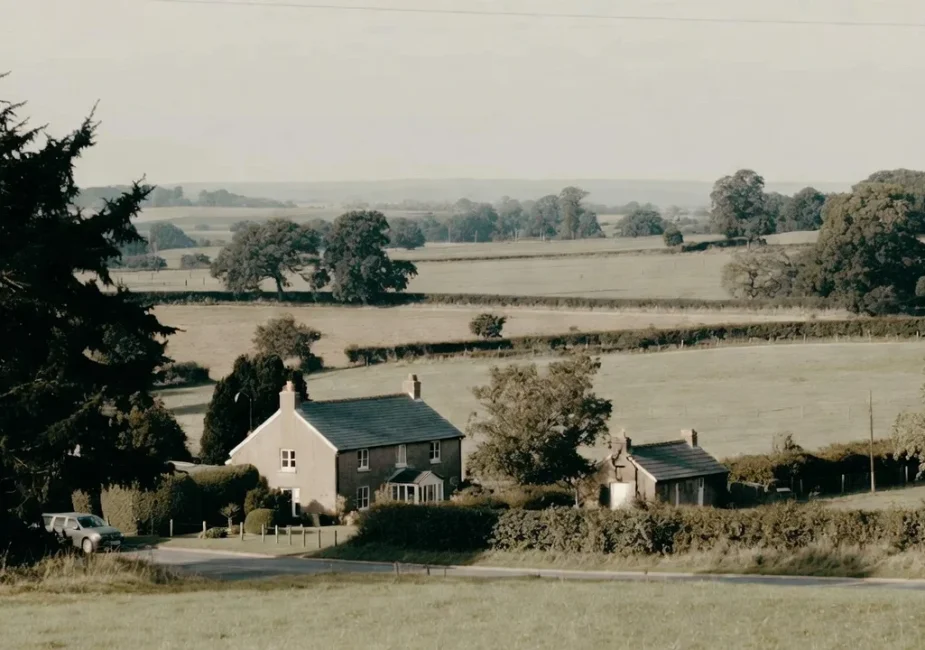
Prince Andrew’s relocation from Royal Lodge to Marsh Farm on the Sandringham Estate marks a profound shift in his royal trajectory. Once residing in grandeur, he is now preparing for a quieter life in a modest Norfolk farmhouse, privately funded by King Charles III.
This move isn’t just about bricks and mortar; it’s a carefully calculated response to ongoing scandals, legal pressures, and internal royal restructuring.
In this article, I’ll explore:
- Why Prince Andrew was asked to leave Royal Lodge
- What Marsh Farm is and where it’s located
- How the property compare to his former residence
- Renovation and security upgrades are underway
- Public and local reaction to his move
- King Charles’s role and intentions behind the relocation
- What Marsh Farm symbolizes for the monarchy’s future
Let’s take a closer look inside Marsh Farm, Sandringham.
Why Was Prince Andrew Forced to Leave Royal Lodge?
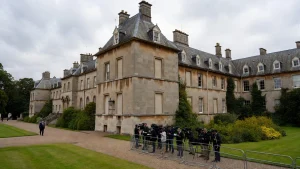
Prince Andrew was forced to leave Royal Lodge after more than two decades due to mounting pressure on the monarchy and renewed public scrutiny. The 30-room mansion in Windsor Great Park became untenable as fresh attention returned to his links with Jeffrey Epstein, both in the UK and internationally.
Although the Palace had announced in October 2025 that Andrew would move in early 2026, the timeline accelerated following the release of new Epstein-related documents. These included emails and photographs that reignited public outrage and intensified calls for action.
Key factors behind the move include:
- Escalating public and media pressure
- Renewed scrutiny from newly released Epstein files
- Concerns over the condition and upkeep of Royal Lodge
Andrew had prepaid £8 million for a 75-year lease in 2003, but reports suggest the property’s disrepair ruled out compensation.
A Palace statement confirmed:
“Formal notice has now been served to surrender the lease.”
What is Marsh Farm, and Where Is It Located?
Marsh Farm is a modest red-brick farmhouse located on the Sandringham Estate in the small village of Wolferton, Norfolk. While unassuming by royal standards, it has attracted national attention due to its new resident, Andrew Mountbatten-Windsor, formerly Prince Andrew.
Situated a short distance from Sandringham House, the King’s private residence, Marsh Farm sits on privately owned land separate from the Crown Estate Property. The wider Sandringham Estate covers roughly 20,000 acres and was purchased in 1862 by the Prince of Wales, later King Edward VII, as a rural retreat.
For many years, Marsh Farm stood vacant, previously used for agricultural purposes as a tenant farm. It is now being repurposed into a permanent residence, marking both a physical and symbolic shift away from the centre of royal life in Windsor and London.
What Does Marsh Farm Look Like Inside and Out?
Compared to the stately grandeur of Royal Lodge, Marsh Farm is strikingly simple and far more utilitarian. While the exact architectural plans are not public, media reports and local sources suggest the following features:
- Five bedrooms, likely including a principal suite and several guest rooms
- Two reception rooms for dining and hosting
- A modest kitchen and dining area
- Stables and outbuildings, possibly retained due to Andrew’s known interest in horseback riding
- A large garden area, now reportedly being landscaped and secured
The estate has been described in the media as a “shoebox-sized downgrade” and a “ramshackle swamp home”, though it remains larger than the average UK home.
Despite its simplicity, Marsh Farm offers two things the Royal Family seem to prioritize in this relocation: isolation and invisibility. Hidden from public view and separate from the main royal residences, it fits the quiet retreat narrative.
What Renovations and Security Upgrades Are Being Made?
Since early January 2026, Marsh Farm has seen extensive renovation and security work to prepare it for long-term use amid intense media attention. The focus has been on making the property secure, liveable, and suitable for continuous scrutiny.
Key Renovations and Upgrades
- Perimeter fencing: Six-foot wooden barriers added
- CCTV systems: Full exterior and entry-point coverage
- Broadband upgrade: Modern internet installed
- Interior updates: New fittings, heating, and repainting
- Pest control: Measures for rodents and moles
Heightened Security Measures
Security arrangements extend beyond the farmhouse itself. Reports indicate that the Sandringham no-fly zone has been expanded to include Marsh Farm, underlining the seriousness of the precautions.
With sustained public and media interest, the upgrades are aimed at balancing privacy, safety, and long-term practicality.
How Does Marsh Farm Compare to Royal Lodge?
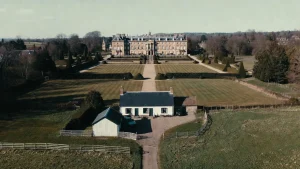
Royal Lodge and Marsh Farm represent two very different chapters in Prince Andrew’s royal life, both in scale and symbolism.
Royal Lodge stood as a statement of prestige and entitlement, a grand estate befitting a senior working royal, while Marsh Farm marks a clear shift toward separation, simplicity, and reduced status.
| Feature | Royal Lodge | Marsh Farm |
|---|---|---|
| Size | 30 rooms, chapel, and cottages | 5 bedrooms with outbuildings |
| Lease Arrangement | 75-year lease, prepaid £8 million | Rent-free, funded by King Charles |
| Location | Windsor Great Park | Wolferton, Norfolk (Sandringham Estate) |
| Symbolism | Legacy and royal heritage | Exile and separation |
| Status | Grand aristocratic residence | Functional rural home |
The contrast sends a powerful message. This is not merely a change of address, but a deliberate repositioning, visually and practically, moving a disgraced royal figure away from prominence and toward the outer edges of royal relevance.
Why Is This Move Seen as a “Royal Downgrade”?
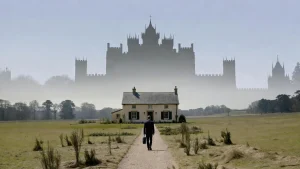
The shift from Royal Lodge to Marsh Farm isn’t just architectural, it’s symbolic. At Royal Lodge, Andrew lived in expansive luxury. He hosted guests, shared the property with Sarah Ferguson, and retained visible proximity to Windsor Castle. At Marsh Farm, he will live alone, in a house once inhabited by a tenant farmer.
One royal commentator summarised:
“This is not just a change of address. It’s a quiet expulsion from the public-facing life he once enjoyed.”
Media outlets have seized on the symbolism, branding the move a “fall from grace” and a “humble exile”. It serves as a clear public signal that Andrew’s former role, and status are no longer tenable.
In essence, Marsh Farm is not just a new home; it’s a destination of consequence.
Is the Move to Marsh Farm Permanent or Temporary?
For the time being, Marsh Farm is intended to be a permanent residence, according to Palace sources. However, ongoing renovations have delayed the move, and in the interim, Andrew is staying at Wood Farm.
The Stopgap: Wood Farm
Located nearby, Wood Farm holds sentimental value. It was once Prince Philip’s favourite retreat, offering privacy and seclusion. Andrew’s brief stay there reflects both urgency and transition, a bridge between Royal Lodge and Marsh Farm.
The decision to delay his final move until after Christmas 2025 was likely strategic. The Royal Family traditionally gathers at Sandringham House during the holidays, and Andrew’s presence would have posed an optical and emotional challenge.
Now expected to take up residence at Marsh Farm by spring 2026, the timeline hinges on completion of all renovations and implementation of the final security measures.
How Are Local Residents Reacting to Prince Andrew’s Move?
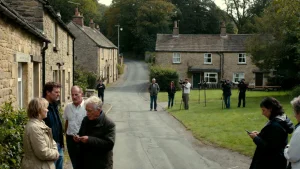
Residents of the quiet village of Wolferton have reacted with unease to news of Prince Andrew’s move, fearing it will disrupt the area’s long-standing sense of calm. Known for its small size and peaceful character, the village is unaccustomed to public attention or heavy footfall.
Locals are particularly concerned about an influx of journalists and photographers, with many worrying that constant media presence will alter daily life. Wolferton lacks the infrastructure to manage large crowds, and residents recall how temporary attention during major royal events previously changed the atmosphere.
There are also questions about why a more remote Crown Estate property was not chosen instead, given the impact on local life.
One local remarked:
“We got a taste of this during the Queen’s funeral. It changed the atmosphere. Now it’ll be constant.”
Some even question why Andrew wasn’t placed somewhere further removed from residential areas, citing other properties available to the Crown Estate. For Wolferton, a peaceful village may soon become a permanent point of royal surveillance.
What Role Did King Charles Play in the Move?
King Charles III was instrumental in this relocation. Following the release of Epstein-related documents and renewed public outrage, Charles moved to:
- Strip Andrew of his HRH title
- Revoke his residence at Royal Lodge
- Facilitate his move to Sandringham
- Fund renovations at Marsh Farm using private estate funds
This balance of firm action and family duty reflects the King’s attempt to modernise the monarchy without fracturing it completely.
As one royal insider put it:
“The King doesn’t want Andrew in the spotlight. But he also doesn’t want him left out in the cold. Marsh Farm is a compromise.”
In doing so, Charles distances the Crown from scandal while reinforcing a personal responsibility to his brother, a calculated royal compromise, executed behind closed doors.
What Does the Future Hold for Prince Andrew at Marsh Farm?
Andrew Mountbatten-Windsor’s future remains highly uncertain. While currently shielded from public duties, calls for him to testify in the US over Epstein-related allegations continue to intensify. Survivors and their representatives insist he must speak publicly.
The Prime Minister recently weighed in, stating:
“Anybody with information should be prepared to share it. You can’t be victim-centred if you’re not willing to testify.”
With increasing pressure from Parliament, media, and campaigners, Marsh Farm may offer only a temporary escape from accountability. Whether he remains in quiet exile or re-emerges under legal compulsion is yet to be seen.
Conclusion
Marsh Farm is more than a house, it is a metaphor in brick. It reflects a royal institution grappling with scandal, transparency, and the limits of forgiveness.
It also underscores the monarchy’s precarious balancing act between duty to the public and loyalty to family. While Andrew remains a royal by blood, his physical and symbolic distancing points to a new reality for how the Royal Family manages internal crises.
In the eyes of many, Marsh Farm represents the monarchy’s quiet verdict: not criminal punishment, but a retreat into obscurity.
FAQs About Marsh Farm Sandringham
Where exactly is Marsh Farm located on the Sandringham Estate?
Marsh Farm is in Wolferton, a small village within the 20,000-acre Sandringham Estate in Norfolk, England, just a few miles from Sandringham House.
Why is Marsh Farm seen as a “downgrade” for Prince Andrew?
Compared to Royal Lodge, Marsh Farm is modest in size, status, and symbolism. It signals a deliberate step away from senior royal life amid scandal.
Has Marsh Farm been renovated for Andrew’s move?
Yes. Renovations include security upgrades like CCTV, new fences, and pest control measures. The work is reportedly funded by King Charles III.
Is Marsh Farm near other royal residences?
Yes. While Marsh Farm is on the same estate as Sandringham House, it remains relatively isolated, offering privacy but keeping Andrew close to royal grounds.
What was the reaction of local residents to Prince Andrew’s relocation?
Many locals have expressed concerns over media attention, disruption, and loss of privacy in what was previously a quiet village setting.
What’s the timeline of Andrew’s move from Royal Lodge to Marsh Farm?
Andrew vacated Royal Lodge in early 2026, temporarily moved to Wood Farm, and is expected to settle at Marsh Farm later in the year after renovations.
Will Prince Andrew return to royal duties after moving to Marsh Farm?
There are no indications of a return. Andrew remains excluded from public duties and continues to face scrutiny over past allegations.