Foreign Office Warns Against Travel to 55 Countries – Is Your Destination on the List?
 • December 24, 2025
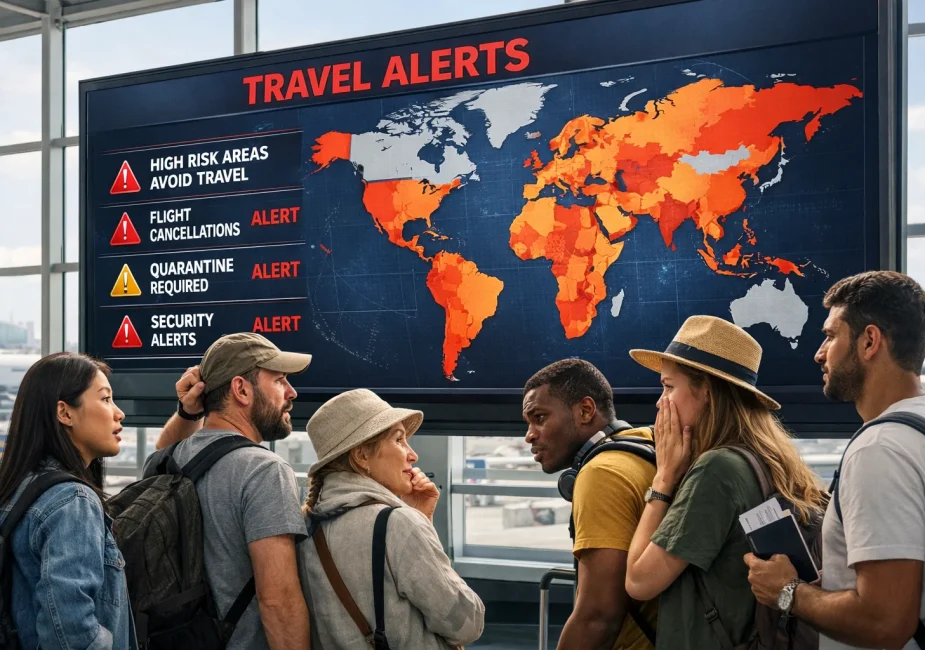
Have you booked a holiday abroad for 2026? You might want to double-check the Foreign Office’s latest travel guidance. With global instability, armed conflicts, and regional security threats increasing, the UK Foreign, Commonwealth & Development Office (FCDO) has issued warnings against travel to 55 countries and regions.
This advice isn’t just a suggestion, it could directly impact your travel insurance, personal safety, and access to consular assistance abroad.
This in-depth guide breaks down the countries affected, what the travel warnings mean, and what British nationals should consider before travelling. It answers all the pressing questions UK travellers have right now.
Why Has the Foreign Office Issued Travel Warnings to 55 Countries in 2026?
The FCDO issues travel warnings when it determines that the risk to British nationals in a given area is unacceptably high. This assessment is based on real-time intelligence, global monitoring, and consultation with UK embassies and high commissions.
The key drivers behind these travel advisories include:
- Ongoing armed conflicts, such as those in Ukraine and parts of Africa
- Political instability, including military coups and civil unrest
- Threats of terrorism, particularly in countries with active insurgencies
- Widespread criminal activity or kidnapping risk
- Health threats, such as disease outbreaks
- Natural disasters and environmental hazards
Importantly, the FCDO also considers personal risk factors that might affect individuals differently based on their gender, ethnicity, health condition, or sexual orientation. The advice is designed to help travellers make informed decisions based on a full understanding of the dangers they might face abroad.
What Does the Foreign Office Mean by ‘All Travel’ and ‘All but Essential Travel’?
The Foreign Office uses specific travel warning categories to clearly communicate risk levels and help travellers understand when a destination is considered unsafe to visit. Travel warnings issued by the FCDO fall into two main categories:
‘All Travel’
This is the most serious level of advice. The FCDO advises against all travel to these areas, meaning travellers are strongly urged to stay away under all circumstances. Visiting these locations may pose a direct and immediate threat to life, and even consular assistance may not be available.
‘All But Essential Travel’
In these cases, the FCDO acknowledges that there may be compelling reasons for individuals to travel, such as urgent family matters or critical business. However, the risks in these areas are still considered significant, and travellers are advised to reconsider unless absolutely necessary.
Essential travel is self-defined, meaning it’s up to the traveller to determine if their reason for going is valid. That said, insurance companies may still deny claims if they judge the reason insufficient or unjustifiable.
Which Countries Are on the UK’s ‘Do Not Travel’ List Right Now?
The current list includes a mix of countries and regions within countries, with varying threat levels. Below is a sample breakdown from the most recent FCDO travel warning update.
Summary of Countries Under FCDO ‘Do Not Travel’ Advice (2026)
| Region | Countries / Areas | Warning Type | Main Reason |
|---|---|---|---|
| Middle East | Afghanistan, Iran, Syria, Yemen | All Travel | War, instability, arrest risk |
| Europe | Russia, Belarus, Ukraine (most), Moldova (Transnistria) | All / Partial | War, detention risks |
| Africa (West & Central) | Burkina Faso, Mali, Niger, Nigeria (North), CAR, South Sudan, DRC | All / Partial | Terrorism, violence, kidnappings |
| Africa (East & Horn) | Ethiopia (conflict zones), Somalia (most areas), Sudan, Eritrea, Kenya (border zones) | All / Partial | Civil unrest, terrorism |
| North Africa | Libya, Algeria, Tunisia, Egypt (border areas) | All / Partial | Border conflicts, instability |
| Asia (South & Central) | Pakistan (tribal/border areas), India (Kashmir), North Korea | All / Essential Only | Political tension, military presence |
| Southeast Asia | Myanmar (conflict states), Philippines (Mindanao), Thailand (southern provinces), Cambodia (border) | Partial | Insurgency, unrest |
| Latin America & Caribbean | Haiti, Venezuela (border zones) | All / Partial | Civil unrest, weak infrastructure |
| Other Territories | Western Sahara | All Travel | Territorial disputes, landmines |
| Middle East (Additional) | Israel (Gaza), Palestine (West Bank), Jordan (Syrian border), Saudi Arabia (Yemen border) | Partial | Armed conflict, cross-border risks |
These destinations are considered completely unsafe for any form of tourism or casual travel.
How Does This Affect British Holidaymakers and Their Insurance Policies?

Many UK travellers are unaware that ignoring FCDO travel advice can render their holiday insurance void. If the FCDO has warned against travel and you proceed anyway, most insurers will refuse to cover:
- Medical emergencies
- Flight cancellations or delays
- Lost or stolen belongings
- Repatriation costs
- Emergency evacuation
Additionally, British nationals who find themselves in trouble in these regions may find UK consular support limited or unavailable. In hostile or inaccessible areas, embassies and consulates may be closed, or staff may be unable to intervene.
Travellers also need to remember that airlines or tour operators are not obligated to refund bookings if travel warnings are ignored. It’s essential to read the fine print of your policies before you book, and certainly before you board a flight to a high-risk area.
Can You Still Travel to These Countries Despite the Warnings?
The FCDO does not legally prevent individuals from travelling to countries on its warning list. The final decision rests with the traveller, but choosing to go ahead means accepting increased risk and reduced support.
Travellers should fully understand the potential consequences, including limited assistance during emergencies and possible impacts on insurance cover.
The Foreign Office emphasises personal responsibility, advising travellers to carefully assess whether the journey is necessary and how risks can be managed. This includes evaluating local conditions, healthcare access, and security concerns.
Those who proceed are encouraged to inform family or friends of their plans, register with the nearest UK embassy or consulate, and prepare for the possibility of minimal official support while abroad.
How Often Does the Foreign Office Update Travel Advisories?

FCDO travel guidance is dynamic and frequently updated based on global developments. Updates can be issued in response to:
- Sudden political events, such as coups or assassinations
- Terrorist activity or credible threats
- Epidemics and pandemics
- Escalation in regional conflicts
- Natural disasters
Staying Informed in Real-Time
British travellers are encouraged to sign up for FCDO email alerts for specific countries. These alerts notify subscribers when:
- Advice has changed for a region or country
- A new warning is added or escalated
- Entry requirements are updated (e.g. visa changes, health screening)
The FCDO’s travel advice pages also include a ‘Warnings and Insurance’ section that outlines areas with official advisories and what those mean for insurance and travel rights.
What Should Travellers Do If They Have Booked a Trip to a Banned Country?
If your upcoming destination appears on the FCDO’s warning list, the first step is to assess whether your travel falls under the ‘essential’ category. If not, you may want to consider cancelling or postponing.
Here are steps travellers should consider:
- Contact the airline or travel provider to explore cancellation or rescheduling options
- Speak to your travel insurer to understand coverage and potential claim rejections
- Review FCDO updates to check if the warning might be lifted before your travel date
- Seek advice from your employer or business partners if it’s a work-related trip
Response Actions Based on Warning Type:
| Warning Type | Recommended Action | Travel Insurance Impact |
|---|---|---|
| All Travel | Cancel or reroute | Insurance voided if ignored |
| All but Essential | Consider cancellation unless critical | Coverage may vary; check policy |
| No Warning | Proceed with standard precautions | Insurance remains valid |
Ultimately, acting early and staying aligned with FCDO guidance can help travellers protect their safety, finances, and insurance coverage when plans are affected by travel warnings.
What Are the Regional Warning Zones Inside Certain Countries?

In many cases, the FCDO doesn’t issue a warning for an entire country, but for specific regions within it. These partial restrictions are based on localised conflict, border instability, or terrorist activity.
Examples of Regional Travel Warnings:
| Country | Restricted Regions |
|---|---|
| India | 10km from Pakistan border and Jammu & Kashmir |
| Thailand | Southern provinces and Thai-Cambodia border areas |
| Egypt | North Sinai and Libya border region |
| Turkey | Border zones near Syria |
| Israel & Palestine | Gaza Strip, parts of the West Bank |
Travellers visiting these countries should consult a map of restricted zones and avoid these areas entirely, even if other parts of the country are deemed safe.
How Can British Nationals Stay Safe When Travelling Abroad in 2026?
Despite the growing number of travel warnings, many British nationals continue to explore global destinations safely. The key lies in preparation, awareness, and informed decision-making.
To improve personal safety abroad:
- Check FCDO updates before booking and before departure
- Register your trip with the local British consulate
- Carry backup copies of your passport and documents
- Avoid areas known for political unrest or military presence
- Understand local customs and legal systems
For those travelling to countries not currently under warning, it’s still vital to monitor the situation regularly. Conditions can shift quickly, sometimes overnight and staying informed can make all the difference in a crisis.
Conclusion
The world is becoming increasingly complex to navigate for British travellers. With 55 countries under official travel warnings, it’s more important than ever to consult the Foreign Office’s guidance before booking or departing.
Whether you’re travelling for leisure, business, or emergency reasons, understanding the risks, and how they affect your insurance and support access, is essential for safe travel in 2026.
Stay informed, stay prepared, and when in doubt, don’t risk it.
Frequently Asked Questions
What is the Foreign, Commonwealth & Development Office (FCDO)?
The FCDO is the UK government department responsible for protecting British citizens overseas. It provides official travel guidance and assistance abroad.
Is the Foreign Office advice legally binding for travellers?
No, the guidance is advisory. However, ignoring it can affect your travel insurance and access to UK government help abroad.
What happens if a warning is issued after I’ve already started my trip?
You’re usually advised to return if it’s safe to do so. Insurance coverage may still apply if you travelled before the warning was issued.
Does the warning apply to connecting flights through restricted countries?
Typically, warnings refer to entering or staying in the country, not airport layovers. However, policies vary, and it’s best to check with your airline and insurer.
Can business or emergency travel still be considered ‘essential’?
Yes. The FCDO acknowledges that some situations may require urgent travel. The definition of essential travel depends on personal or professional circumstances.
Will airlines and travel companies refund trips to banned destinations?
Refunds depend on the provider’s terms and the timing of the warning. Some may offer refunds or credits, while others may not.
How can I receive real-time updates about travel warnings?
You can sign up for country-specific email alerts through the GOV.UK website to stay updated on new warnings or travel advice changes.