
New Drink Drive Limit UK – What’s Changing in England and Wales?
 • January 7, 2026
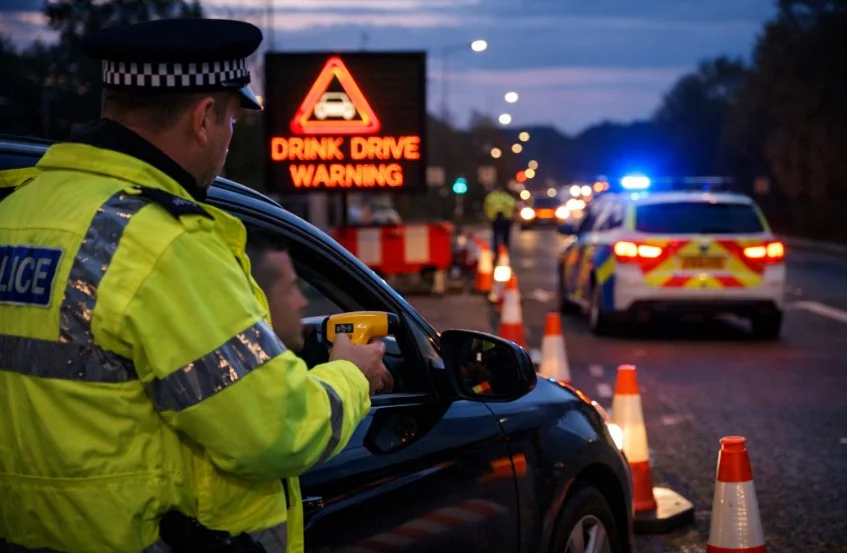
As someone who closely follows UK road safety policy and its impact on society, I see the latest proposed changes to the drink driving limit in England and Wales as both bold and necessary.
The government’s 2026 Road Safety Strategy sets ambitious goals, namely a 65% reduction in road fatalities by 2035. One major part of that is cutting the drink drive limit for the first time since 1967.
Here’s what you need to know:
- The legal drink drive limit in England and Wales may be reduced from 35 to 22 micrograms of alcohol per 100ml of breath, aligning with Scotland’s existing rules.
- New enforcement tools, like alcolocks and license suspensions without conviction, are under consultation.
- Critics warn the move may hurt rural pubs and hospitality, while safety experts say it will save lives.
Let’s explore what’s driving these changes and how they could affect you.
Why is the UK Government Changing the Drink Drive Limit Now?
The proposed change to the drink drive limit comes as part of the UK’s first comprehensive road safety strategy in over a decade, launched in January 2026. The government aims to cut deaths and serious injuries by 65% by 2035, an ambitious yet much-needed goal after years of stalled progress.
According to the Department for Transport, alcohol-related collisions account for around 17% of all UK road deaths. Despite having some of the safest roads in Europe, Britain’s fatality rate has not improved as significantly as in 22 other European countries. This strategy is a response to that.
“Every life lost on our roads is a tragedy that devastates families and communities… This strategy marks a turning point,”
— Heidi Alexander, Transport Secretary
With an average of 260 deaths annually due to drink driving, reducing the legal limit is seen as a crucial step in saving lives.
What is the Current Drink Drive Limit in England and Wales, and How Does It Compare to Scotland and Europe?
England and Wales currently allow the highest drink drive limit in Europe:
35 micrograms of alcohol per 100ml of breath (or 80mg per 100ml of blood).
By comparison:
Region Breath Alcohol Limit (μg/100ml) Blood Alcohol Limit (mg/100ml)
England & Wales 35 80
Scotland 22 50
France 25 50
Germany 25 50
Norway 9 20
Scotland reduced its limit in 2014 to 22μg, in line with EU standards. The rest of the UK has yet to follow suit, until now. According to official government figures, this limit has been unchanged since 1967 and is long overdue for review.
What Exactly is Proposed Under the 2026 Drink Driving Reforms?
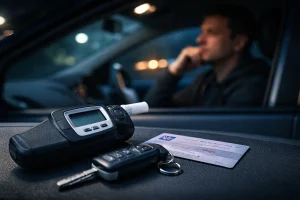
The new road safety strategy proposes several key changes aimed at tightening drink-driving laws and enforcement:
Proposed Legal Changes
- Lowering the breath alcohol limit from 35μg to 22μg
- Alignment with Scotland’s stricter laws
- Increased roadside testing and powers for police to suspend licences pre-conviction
- Introduction of alcolocks for convicted drink drivers
- Expanded use of alcohol interlock devices in return for reduced bans
These devices prevent a car from starting unless the driver passes a breath test, a system already used in Belgium, Canada, and Australia.
Additional Measures
- Mandatory minimum learning periods for new drivers
- Compulsory eye tests for drivers over 70
- Crackdown on uninsured and unlicensed drivers
- Stronger enforcement of seatbelt and mobile phone violations
These efforts are part of a larger goal to make roads safer while reducing strain on the NHS and emergency services.
How Could the New Drink Drive Laws Impact Everyday Drivers?
For most drivers, especially those who enjoy a drink with dinner or at the pub, the changes could require serious behaviour adjustments. Under the new limit, even one small drink may push you over.
Let’s break it down:
| Drink Type | Approx. Units | Breath Alcohol Estimate | Risk Under New Limit |
|---|---|---|---|
| Half pint of beer (3.6%) | 1 unit | 10–15 μg | Likely safe |
| 1 glass of wine (175ml, 13%) | 2.3 units | 22–30 μg | Potentially over |
| Double spirit (50ml) | 2 units | 20–26 μg | Risky |
Metabolism, body weight, gender, and food intake all affect how alcohol is processed, making it very difficult to self-assess under stricter limits. For drivers in rural areas or those who rely on their car for work, even moderate drinking could result in driving licence suspension, fines, and a criminal record.
Will Lowering the Drink Drive Limit Really Save Lives?

This is the central question, and experts believe the answer is yes. Scotland’s reduction in 2014 saw an initial drop in drink driving incidents, though the long-term trend became more complex due to enforcement inconsistencies. Still, the overall sentiment from safety organisations is overwhelmingly supportive.
“We’ve long said the dial needs to be turned up when it comes to reducing road casualties,”
— Rod Dennis, RAC road safety spokesperson.
The Safe System approach adopted in this strategy recognises that human error is inevitable, but deaths and injuries should not be. Experts also point to the correlation between tighter limits and lower fatality rates across Europe as a compelling argument.
What Does This Mean for the UK’s Hospitality Sector, Especially Rural Pubs?
The hospitality sector, especially rural pubs, is raising alarms about the unintended economic consequences of this reform. According to the British Beer and Pub Association, over 2,000 pubs have shut down in the past five years, and stricter drink-driving laws could further reduce patronage.
A recent report on rural business challenges highlights the concerns of publicans, particularly those in isolated areas without public transport.
Key Concerns:
- Drivers may avoid pubs entirely
- Rural establishments could see revenue fall dramatically
- There is a growing call for government support or tax relief to offset the impact
However, government sources argue that Scotland’s pub culture has not collapsed since the 2014 limit reduction, suggesting fears may be exaggerated.
When Will the New Drink Driving Laws Be Implemented, and How Should Drivers Prepare?

At present, the government has launched a consultation phase, with plans to review public and industry feedback before moving forward with formal legislation. The earliest legal implementation could be in late 2026 or early 2027.
How Drivers Can Prepare?
- Avoid alcohol if planning to drive, even small amounts could put you over
- Use alcohol-free alternatives, now widely available in most UK pubs
- Share lifts or use designated drivers for social nights out
- Consider public transport or taxis, especially in urban areas
Transport Minister Lilian Greenwood emphasised this shift in mindset during a recent interview:
“If you’re going to drive, don’t have a drink. If you want to have a drink, leave your car at home.”
As enforcement tightens and public awareness increases, this is likely to become the new normal for responsible driving.
Conclusion
Lowering the drink drive limit in England and Wales marks a major shift in road safety culture. While there are concerns from the hospitality industry, the overarching aim is clear: save lives and prevent avoidable tragedies on British roads.
Drivers, publicans, and policymakers will all need to adapt, but with education, enforcement, and technology working together, this change could be a defining moment in UK road safety history.
FAQs About the New Drink Drive Limit in the UK
What is the penalty for drink driving in England and Wales?
Convicted drivers face up to six months in prison, an unlimited fine, and at least a 12-month driving ban, depending on severity.
Can you be arrested for drink driving without a breath test?
Yes. Police can arrest drivers based on reasonable suspicion of impairment. A roadside breath test usually follows the arrest.
How much alcohol typically exceeds the limit under the new proposal?
A single large glass of wine or a double spirit could easily breach the 22μg threshold, depending on the individual.
Are there any exceptions to the alcohol lock installation requirements?
Alcolocks may become mandatory for repeat or high-risk offenders, though exceptions may apply for certain vehicles or drivers.
Will older drivers be subject to different rules?
Yes. Drivers over 70 may be required to take regular eyesight tests and possibly cognitive evaluations as part of wider reforms.
Are other motoring laws changing alongside the drink drive limit?
Yes. The road safety strategy includes reforms related to seatbelts, speeding, uninsured drivers, and vehicle safety tech.
How are other countries enforcing similar drink drive laws?
Nations like Belgium, Canada, and the Netherlands use alcolocks and stricter penalties with proven success in reducing reoffending.