
All About Roofs! Which Materials Work Best in the UK?
 • February 25, 2026
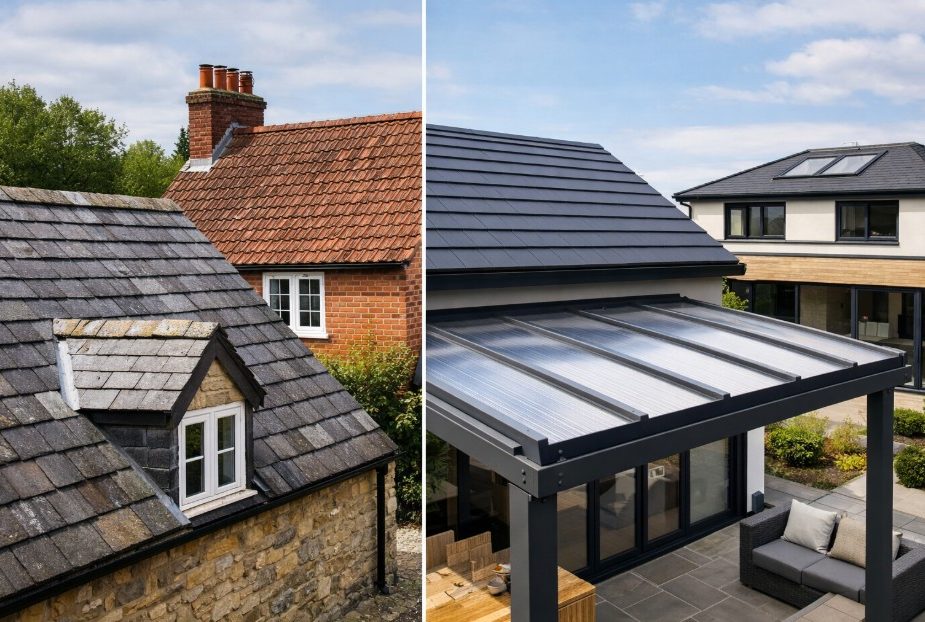
Selecting the right roofing material for a project in the UK involves balancing aesthetics with the reality of the British weather. From traditional slate cottages to modern urban extensions, the choices you make impact the longevity and efficiency of the structure.
Whether you are a homeowner planning a DIY renovation or a builder working on a large-scale project, understanding the specific benefits of different materials is essential for a successful build.
The climate in the UK presents unique challenges, including heavy rain, occasional frost, and high winds. Because of these factors, certain materials have become staples in the industry while others are gaining popularity for their versatility and ease of installation.
Finding the right fit depends on your budget, the pitch of the roof, and the intended use of the building. Keep reading to find out which roofing solutions are most effective for different types of UK properties.
Which Roofing Material Works Best for UK Weather Conditions Now?
Traditional Roofing Options in the UK

Slate remains one of the most popular choices for traditional British homes, particularly in regions like Wales and Cumbria. It’s incredibly durable and can last for over a century if it’s maintained correctly.
The natural appearance of slate provides a timeless look that many property developers and homeowners prefer for high-end projects or period restorations.
Clay and concrete tiles are also widely used across the country. Clay tiles offer a classic, warm aesthetic that works well in rural settings, while concrete tiles provide a more cost-effective and uniform alternative.
These materials are heavy, so they require a strong internal structure to support their weight. They are excellent for shedding rainwater and resisting fire, making them a reliable choice for residential housing.
The Rise of Polycarbonate Roofing Sheets
In recent years, lightweight and transparent materials have become a go-to for specific applications like lean-tos, conservatories, and carports.
These materials are particularly useful because they allow natural light to flood a space while providing a sturdy barrier against the elements. Unlike glass, they are much lighter and far less likely to break during installation or due to impact.
Polycarbonate roofing sheets are often chosen for their impressive thermal insulation properties. They help to keep a space warmer during the winter months and can be treated to reduce heat build-up when the sun is out.
This makes them a practical solution for garden rooms or workshops where maintaining a comfortable temperature is important. Builders often appreciate how easy they are to handle and cut, which can significantly speed up the construction process.
Essential Features of Modern Materials
Modern roofing solutions prioritize a blend of strength and adaptability. Many manufacturers now focus on eco-friendly practices by producing materials that are both recycled and recyclable.
This shift reflects a broader commitment to sustainability within the UK construction industry, as architects and builders look for ways to reduce their environmental footprint without sacrificing quality.
When you are comparing different options, it helps to look for products that offer customisation. Having the ability to choose specific thicknesses, colours, and sizes ensures that the material fits the project requirements exactly.
This precision is especially helpful for sign makers or engineers who might be working on bespoke structures that don’t follow standard dimensions.
Key Considerations for Your Project
Before you make a final decision, you should think about the long-term maintenance of the roof. Some materials require regular inspections to check for cracked tiles or moss growth, while others are virtually maintenance-free.
It’s also worth checking if the material is resistant to UV radiation, as this will prevent it from becoming brittle or discoloured over time.
Consider the following factors when choosing your material:
- The total weight the existing structure can support.
- The minimum pitch required for effective water runoff.
- The level of natural light you want to achieve in the space below.
- Your total budget for both materials and professional installation.
- The expected lifespan and warranty provided by the manufacturer.
Final Thoughts
Choosing the best roofing material involves looking at the specific needs of your building and the local environment. Traditional slate and tile are fantastic for longevity and classic style, but modern alternatives offer incredible flexibility and ease of use for contemporary designs.
Most importantly, by selecting high-quality products that are designed to withstand the British climate, you’ll ensure that your roof stays functional and attractive for many years.